


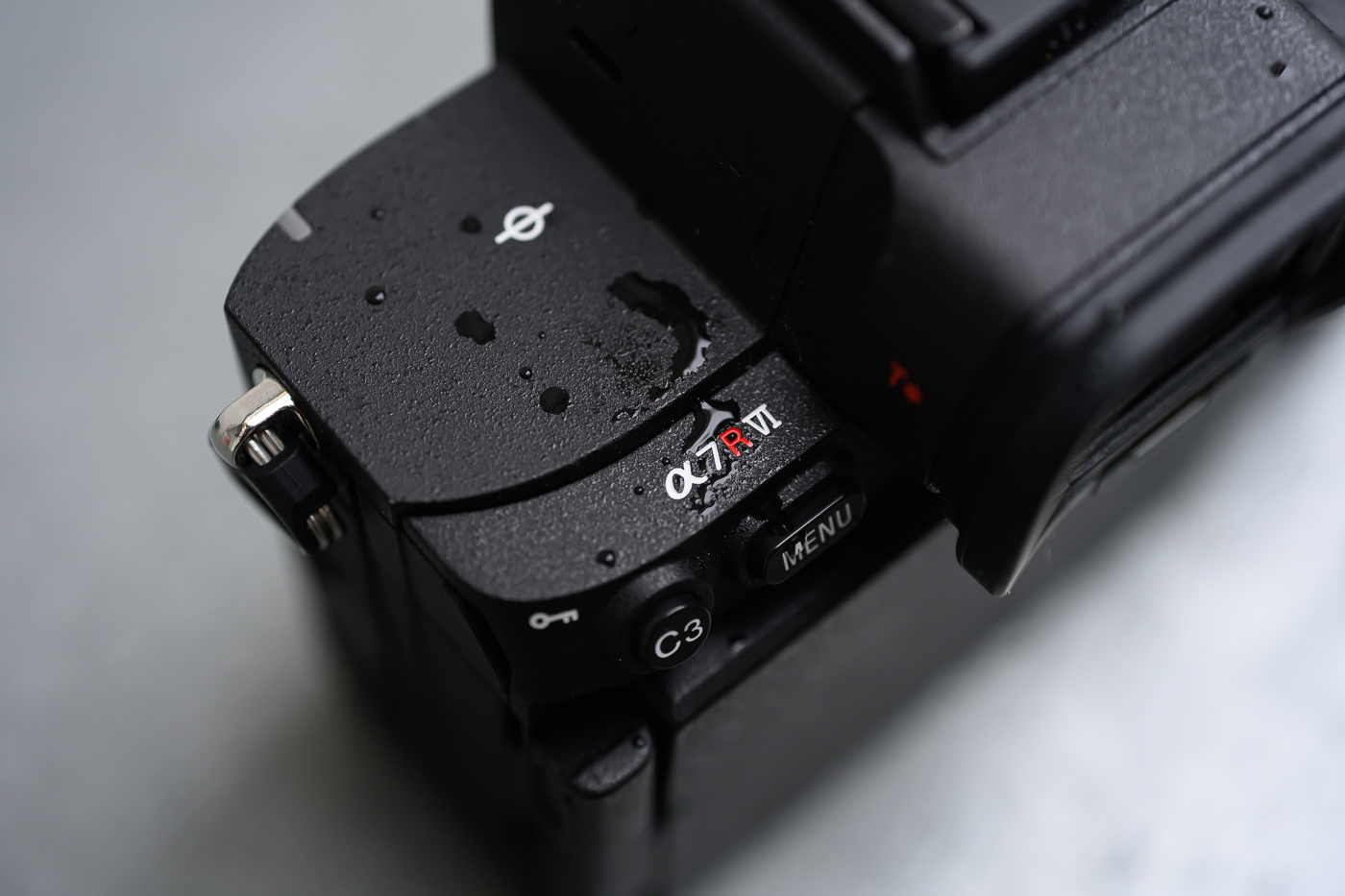
Unveiled on May 13, 2026, the Sony A7R VI marks the most ambitious update to the R series since its launch in 2013. On the menu: a new full-frame stacked sensor of 67 Mpx, a burst reaching 30 fps, a claimed dynamic range of 16 stops, a revamped 8K video mode and a new battery.
Sports, wildlife, video, reportage… on paper, the A7R VI is no longer limited with landscape and studio work and wants to establish itself as the most versatile iteration ever released in the “R” range. But in the field, does Sony deliver on its promise? The answer in our Sony A7R VI review.
Sommaire
- Sony A7R VI, heir to a great lineage
- Ergonomics and handling
- Sony A7R VI performance and image quality
- Sony A7R VI autofocus, tracking and responsiveness
- Burst and buffer
- Rolling shutter
- Stabilization
- 8K 30p and 4K 120p video without crop, or almost
- Connectivity, storage and battery life
- Sony A7R VI: the most versatile high resolution ever released by Sony
Sony A7R VI, heir to a great lineage
In the beginning was the A7R series. When Sony kicked off the full-frame mirrorless race in October 2013, the brand launched two cameras simultaneously: the original A7, but also the A7R. Fitted with a 36 Mpx CMOS Exmor sensor, the latter could claim to share the crown of the highest-resolution full-frame camera on the market with the Nikon D800 DSLR.
Since then, the series has evolved to deliver ever more megapixels, while addressing the shortcomings of the early days (autofocus, stabilization, video mode). However, from 2019 and the Sony A7R IV with its 61 Mpx, the sensor had not seen any evolution. Launched in late 2022, the Sony A7R V kept the same imaging chip, as did its “cousins”, the A7C R and RX1R III. The competition, apart from Leica and Sigma, had since settled for more “reasonable” resolutions of 45 or 47 Mpx.
By unveiling its A7R VI and its 67 Mpx sensor, Sony thus puts an end to a 7-year period, the longest between two sensor renewals in the “R” series. The firm still keeps a certain logic, however, since it tends to change the sensors of a given series every two models (excluding compact or video variants).
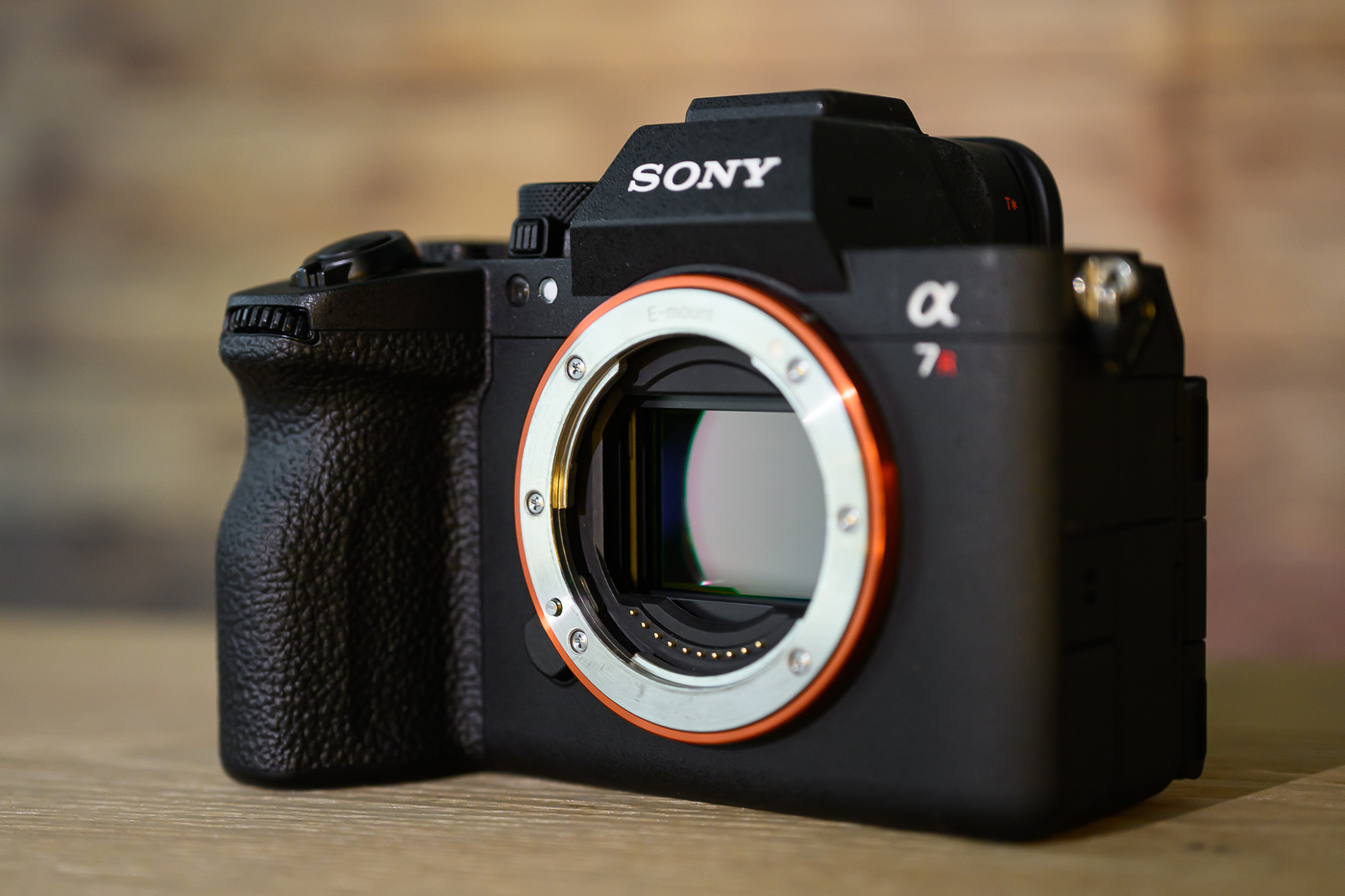
The A7R VI’s sensor is not just higher in resolution. It gains a so-called “stacked” structure that should correct one of the main grievances raised against previous generations: rolling shutter. Paired with an ever more capable autofocus, a redesigned video mode or even a burst boosted to 30 fps, it establishes itself as the “high-res” variant of the highly versatile Sony A7 V.
Here is a comparison table of the specifications of the Sony A7R VI and the Sony A7R V:
| Sony A7R VI | Sony A7R V | |
|---|---|---|
| Capteur | 24x36 Exmor RS BSI 67 Mpx semi-empilé | 24x36 Exmor R BSI 61 Mpx |
| Filtre passe-bas | non | non |
| Processeur | 1x Bionz XR2 | 2x Bionz XR +1 puce IA |
| Viseur électronique | OLED de 9,44 Mpts, 0,9x | OLED de 9,44 Mpts, 0,9x |
| Ecran LCD | 3 pouces, 2,095 Mpts, orientable et inclinable | 3 pouces, 2,095 Mpts, orientable et inclinable |
| Autofocus | AF hybride à détection de phase + contraste | AF hybride à détection de phase et contraste |
| Nombre de points AF | 759 points AF | 759 points AF |
| Plage AF | -4 à 20 EV | -4 à 20 EV |
| Couverture AF | 94 % | 94 % |
| Rafale (obturateur mécanique) | 10 i/s | 10 i/s |
| Sensibilité | 100-32 200 ISO (extensible de 50 à 102 400 ISO) | 100-32 200 ISO (extensible de 50 à 102 400 ISO) |
| Obturateur | mécanique et électronique | mécanique et électronique |
| Rafale (obturateur électronique) | 30 i/s | 10 i/s |
| Pré-capture | oui, 0,03 s - 1 s | non |
| Mode haute résolution | oui (en externe), pixel-shift 270 Mpx et upscale 130 Mpx | oui (en externe), pixel-shift 240 Mpx |
| Obturation mécanique | 30 s – 1/8000 s | 30 s - 1/8 000 s |
| Obturation électronique | 30 s – 1/8000 s | 30 s – 1/8000 s |
| Stabilisation, gain | oui, 8,5 stops | oui, 8 stops |
| Vidéo | 8K UHD 30 fps (crop 1,2x) + 4K UHD 120 / 60 / 30 fps | 8K UHD 24 fps + 4K UHD 60 fps (crop 1,2x) |
| Vidéo RAW | Oui, ProRes RAW 3,8K 16 bits via port HDMI | Oui, ProRes RAW 3,8K 16 bits via port HDMI |
| Profils colorimétriques vidéo | 12 Film looks, S-Log 3, S-Cinetone | 10 Film looks, S-Log 3, S-Cinetone |
| Stockage | 2x slot SD UHS-II / slot CFexpress type A | 2x slot SD UHS-II / slot CFexpress type A |
| Connectivité sans-fil | Wifi 2,4, 5 et 6 Ghz, Bluetooth 5.0 Low Energy | Wifi 2,4 et 5 Ghz, Bluetooth 5.0 Low Energy |
| Connectivité filaire | USB-C 3.2 Gen2, USB-C 2.0, HDMI Type A, prises micro + casque 3,5 mm | USB-C, microUSB, HDMI Type A, prises micro + casque 3,5 mm |
| Batterie | NP-SA100 (690 / 600 vues) | NP-FZ100 (530 / 440 vues) |
| Rechargement par port USB | Recharge et alimentation directe USB-C | Recharge et alimentation directe USB-C |
| Tropicalisation | Oui, 0-40 °C | Oui, 0-40 °C |
| Dimensions (L x H x P) | 133 x 97 x 83 mm | 131 x 97 x 82 mm |
| Poids (batterie + SD inclus) | 713 g | 723 g |
| Prix au lancement | 5100 € (mai 2026) | 4500 € (octobre 2022) |
Ergonomics and handling
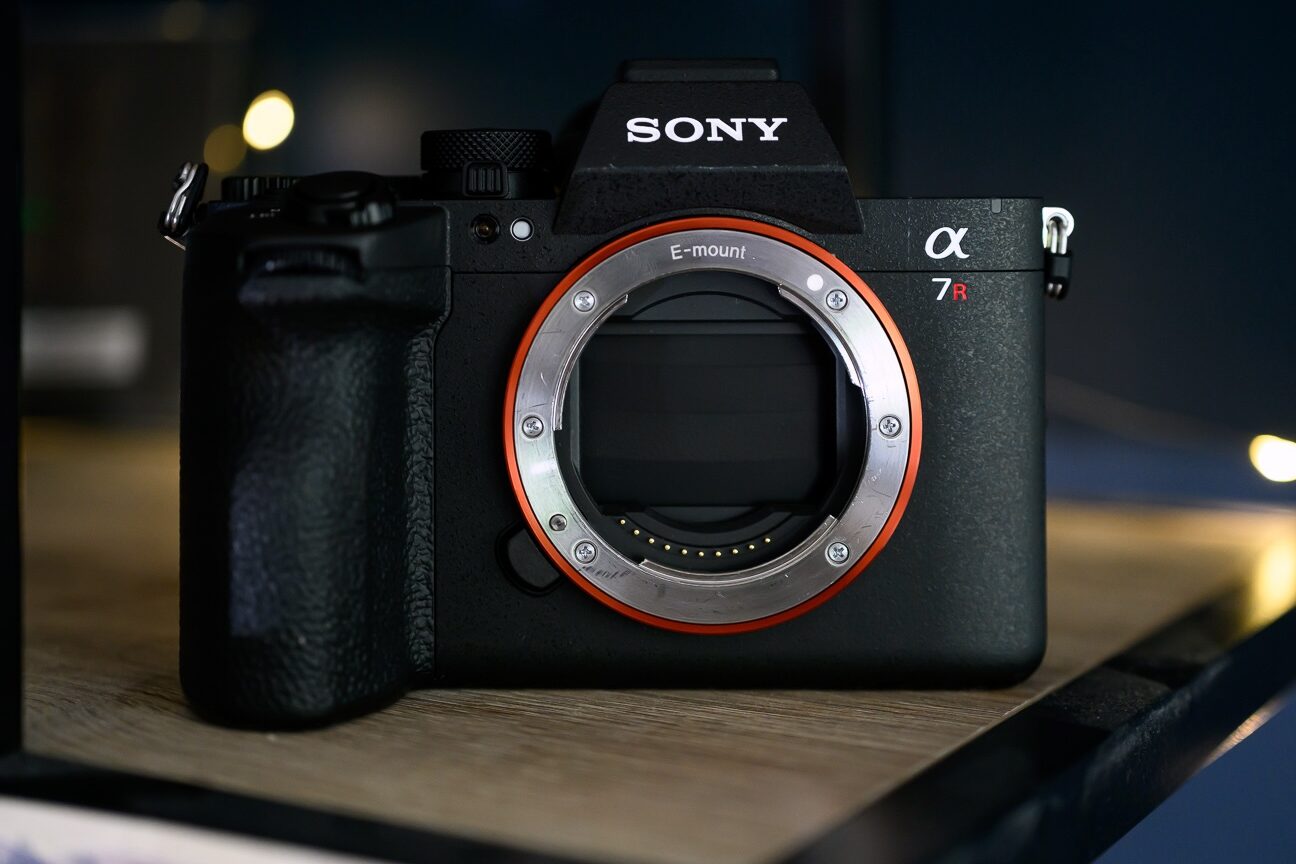
At first glance, the Sony A7R VI adopts the stylistic language of the very recent A7 V. Those familiar with the brand will therefore not feel out of place: it’s the details that make the difference.
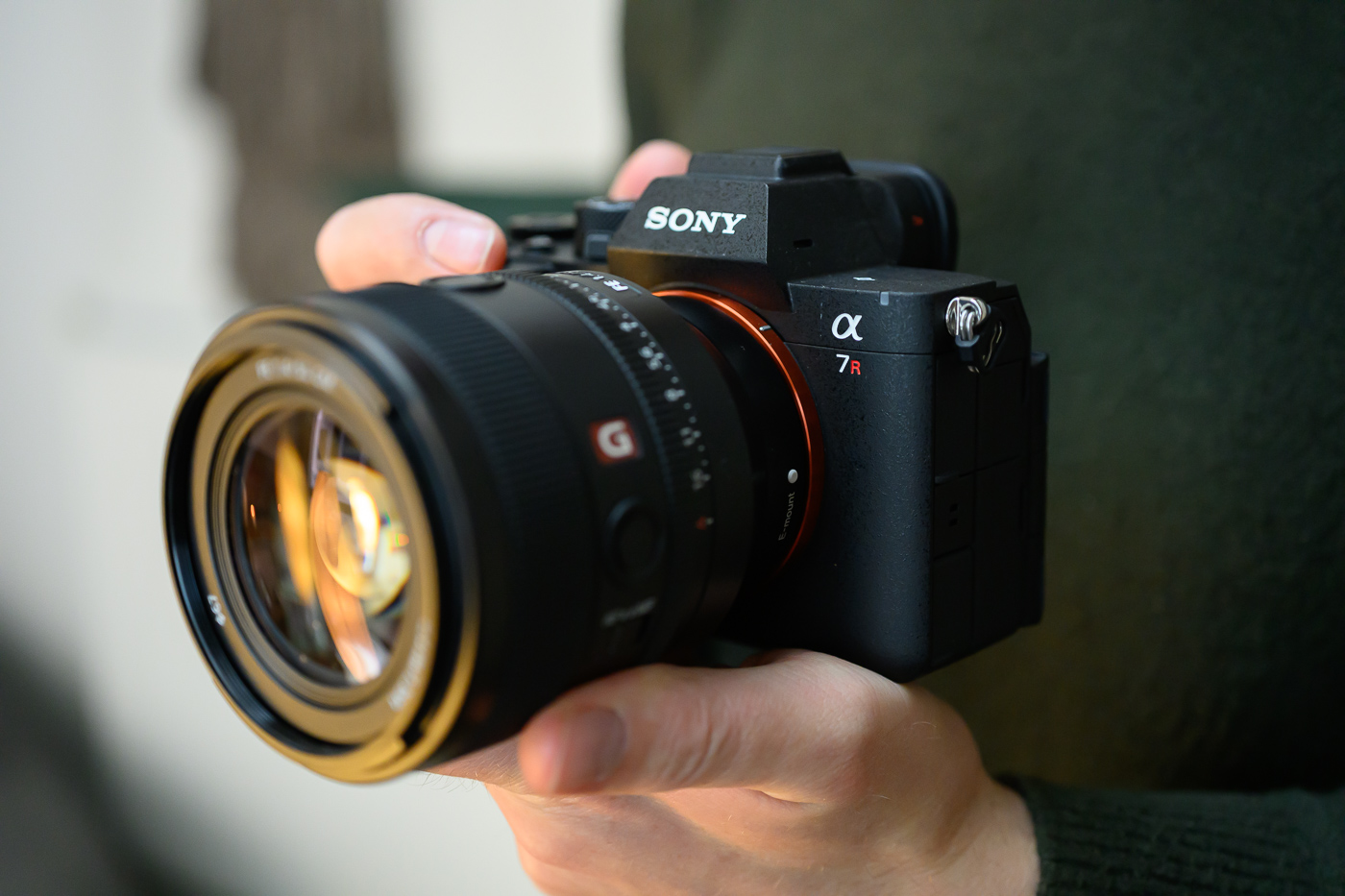
At 13 cm wide, 9.7 cm tall and 8.3 cm deep for 713 g, the body remains fairly compact given its spec sheet. It even loses 10 g compared to its predecessor, whereas the competition, with the Nikon Z8 and Lumix S1R II leading the way, is rather moving towards more imposing builds.
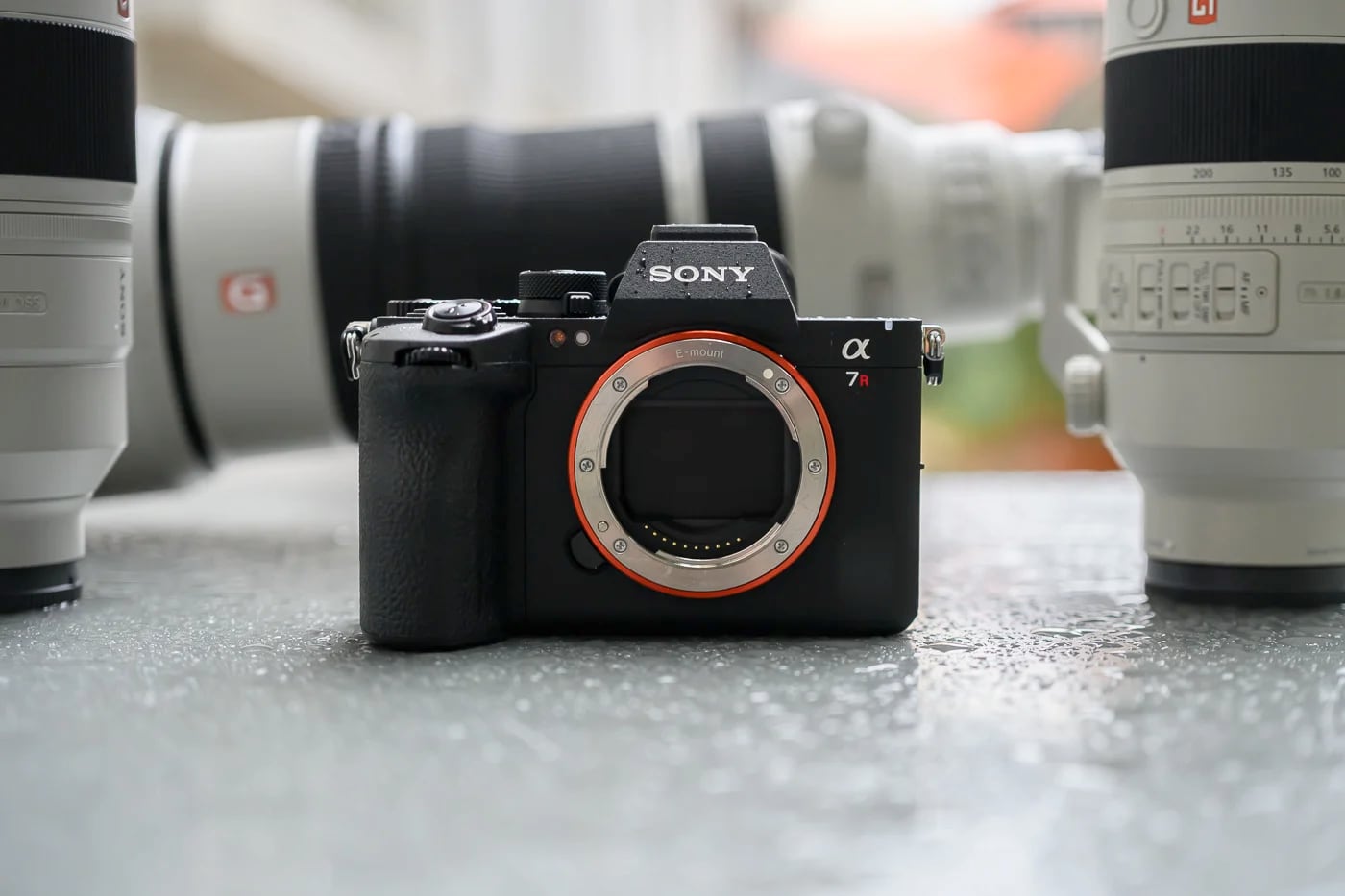
The handling is excellent. The slightly deeper grip and the weather sealing make the camera as reassuring to hold in the studio as outdoors in fickle weather. The control layout doesn’t change and reuses the proven formula:
- twin dials (front and rear);
- customizable exposure compensation dial;
- photo / video / slow-motion switch;
- selection joystick;
- quick-access button for the Fn menu;
- dedicated REC button;
- 4 Custom keys;
- clickable notched wheel.
The 3.2-inch touchscreen with 2.1 Mdots is still vari-angle and tilting and offers without a doubt the best solution on the market for switching calmly between photo and video.
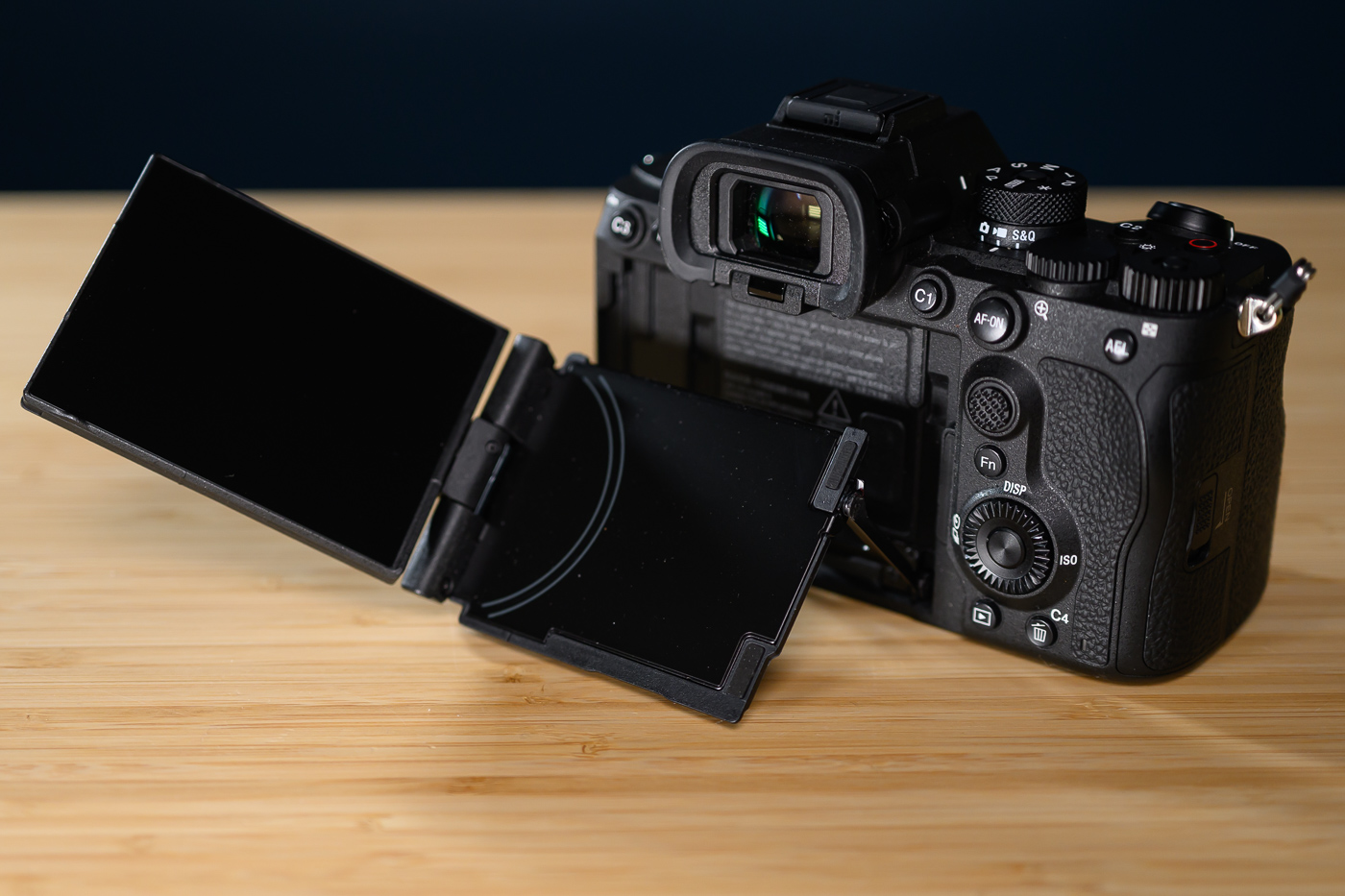
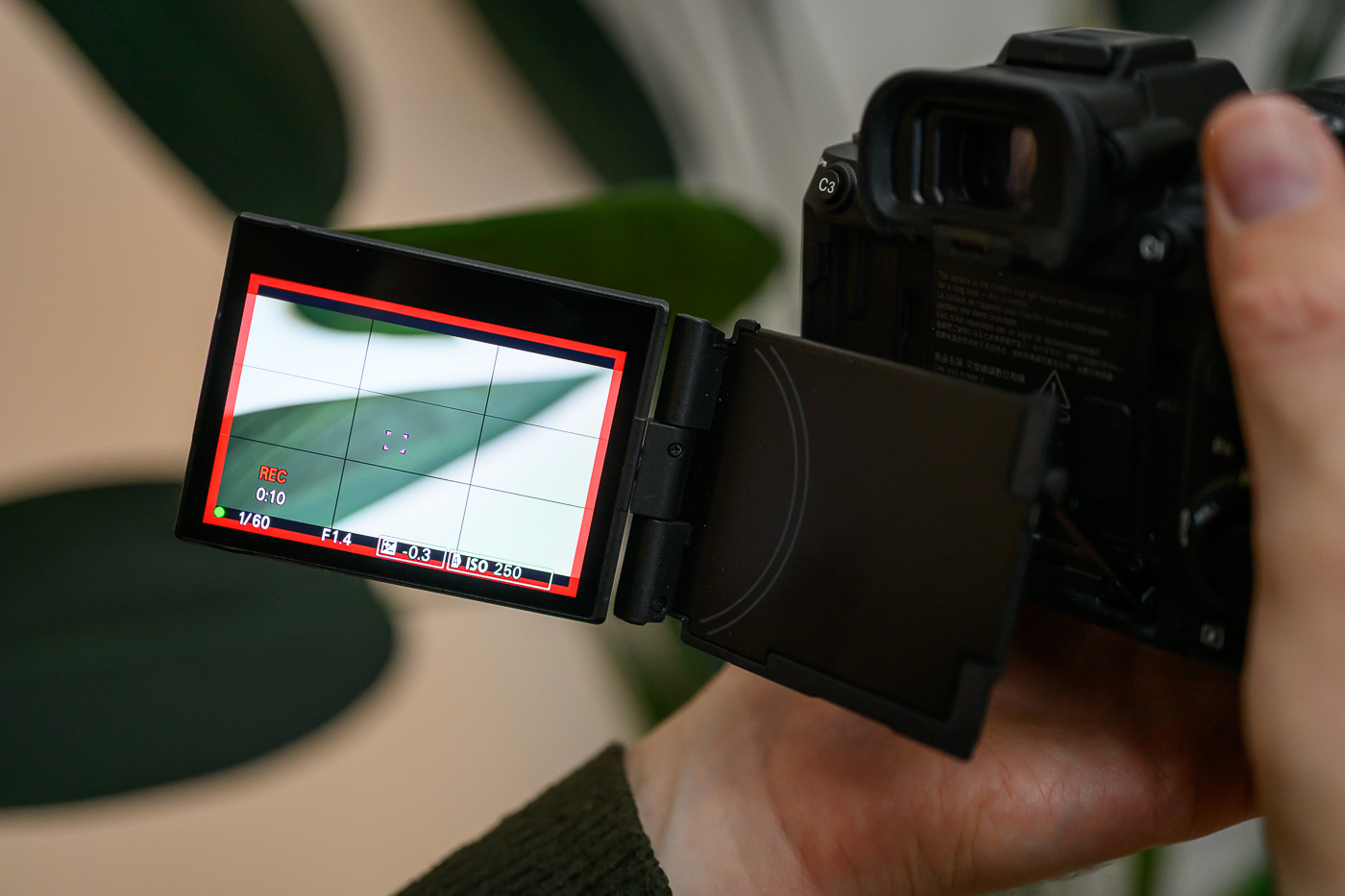
The electronic viewfinder doesn’t change in resolution (still 9.44 Mdots, i.e. 2048 x 1536 px), but Sony has thoroughly reworked the panel. Announced as being three times brighter than that of the A7R V, HDR compatible and covering the DCI-P3 color space, this viewfinder is a real delight to use, especially in bright sunlight or to analyze an image in S-Log. It is probably the best viewfinder ever fitted in a Sony body.
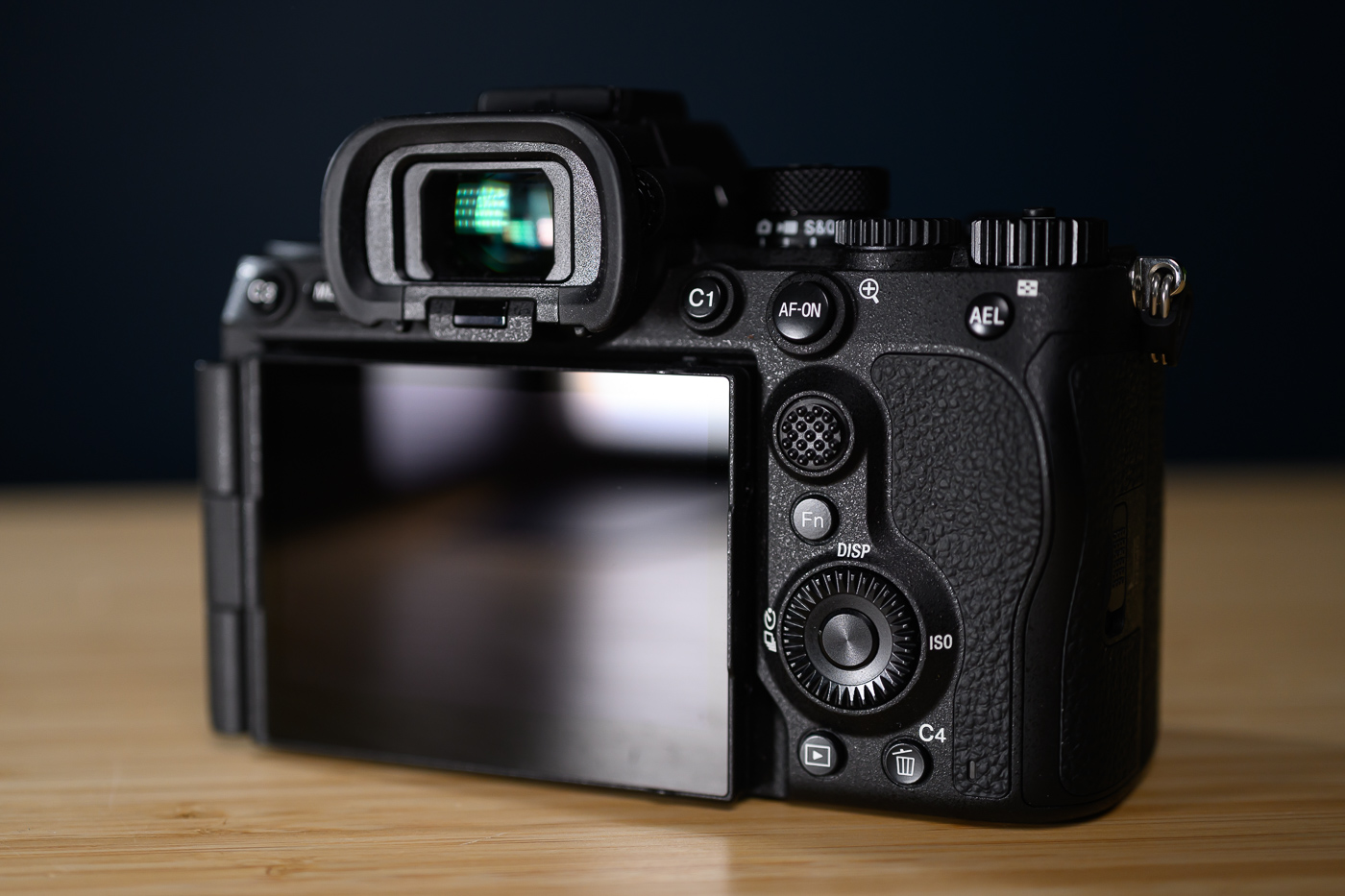
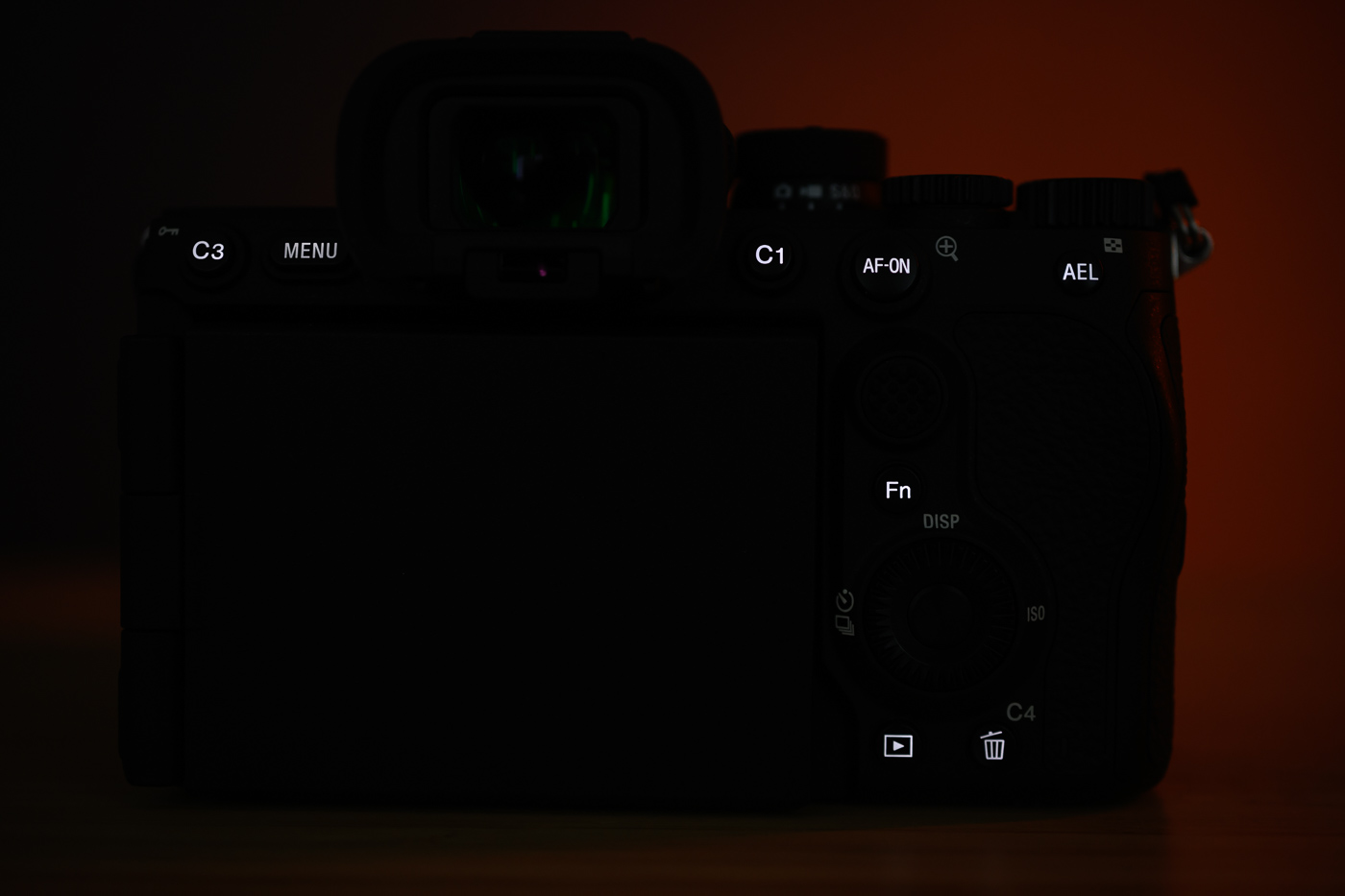
Three notable ergonomic changes round out the picture. First, the arrival of backlit buttons: a first for Sony. By pressing a button located on the right shoulder (reassignable, as it should be), you can illuminate 8 buttons on the back of the body.
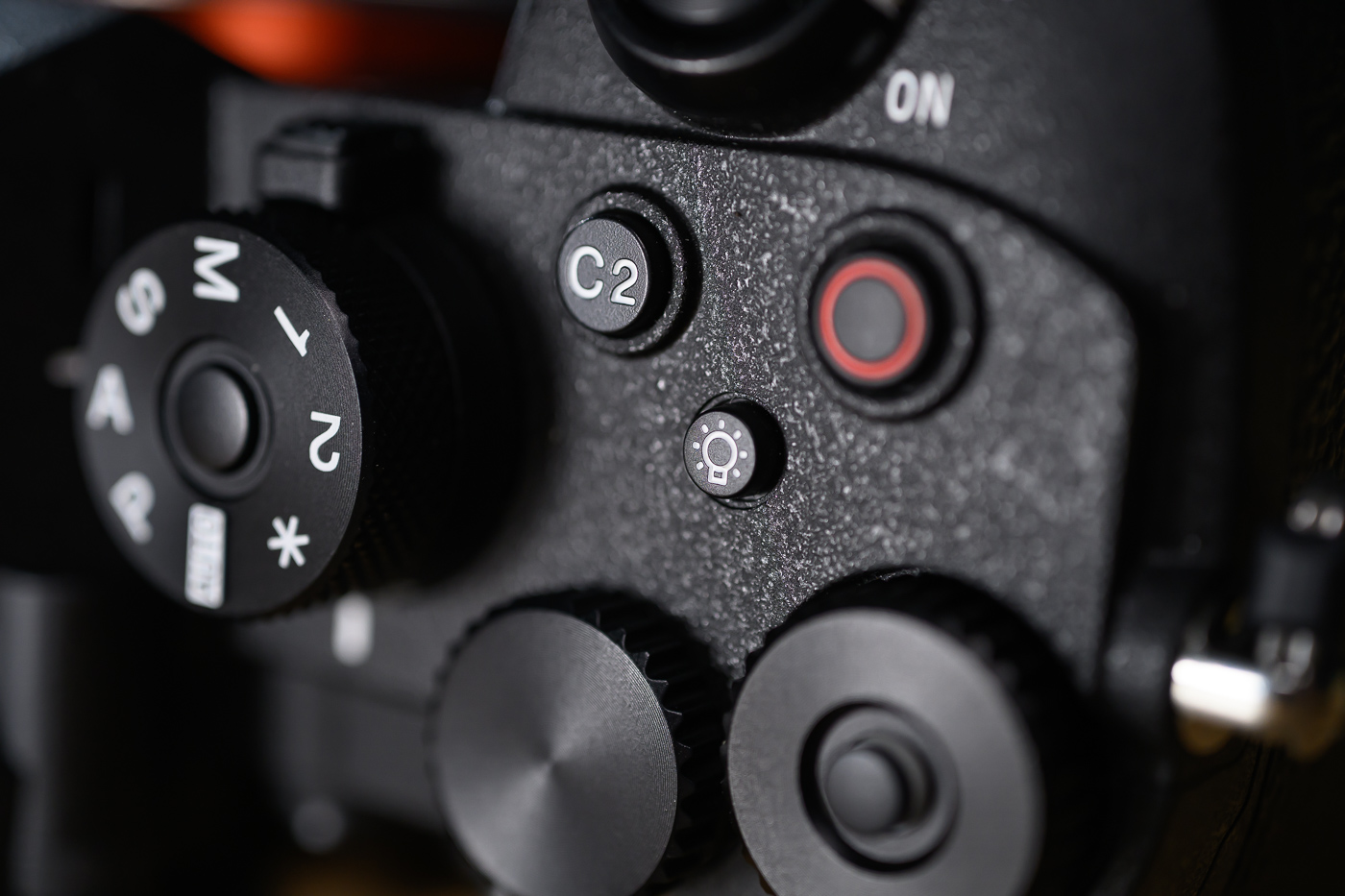
A new feature that will make the difference in night reportage or astrophotography, and that makes up for a delay the brand had been carrying for far too long against a Nikon Z8.
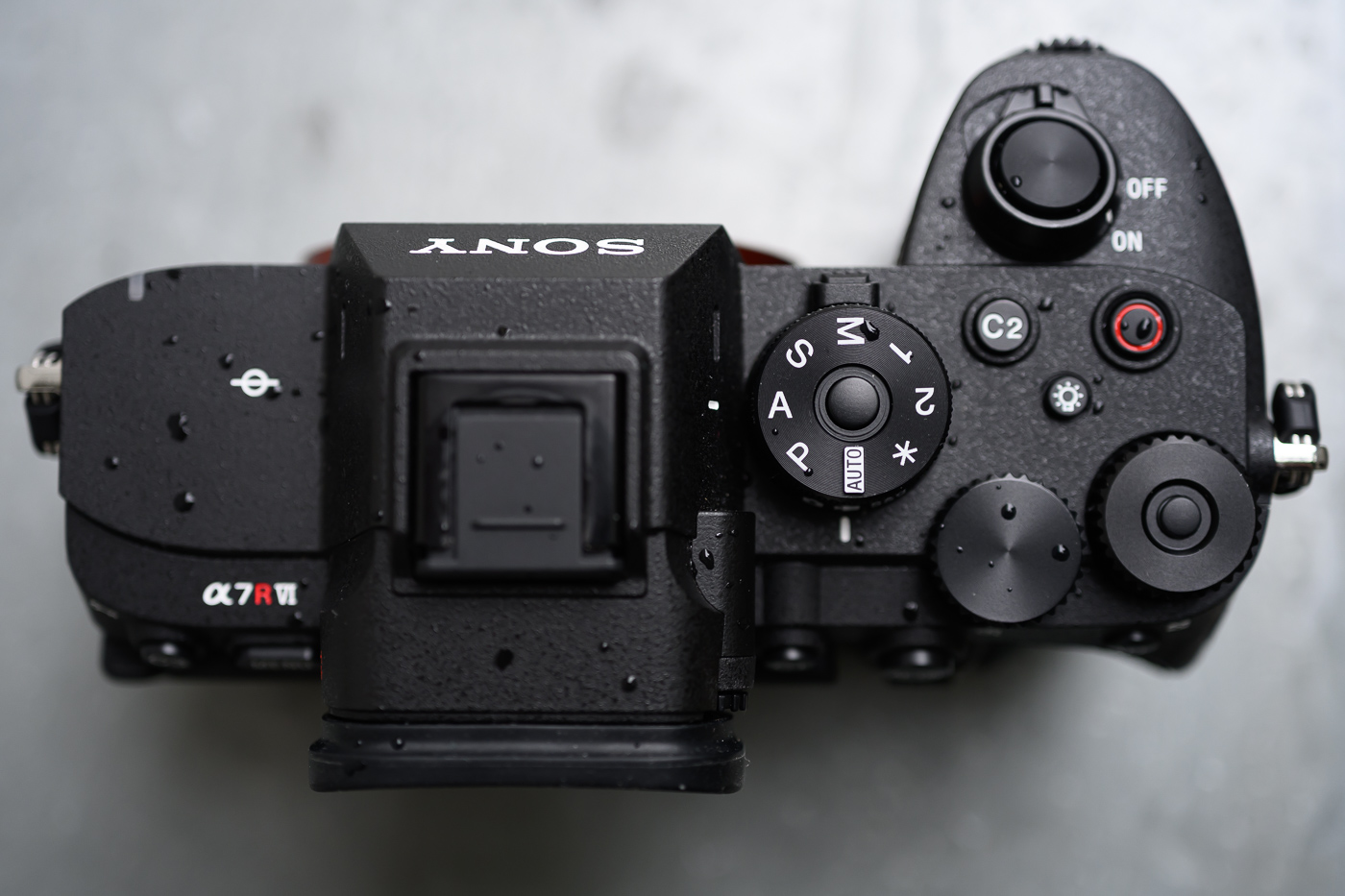
Next, the mode selection dial is enriched. To the usual lineup (Auto, P, A, S, M and three customizable positions) is added a star that opens a sub-menu and gives access to 10 additional preset profiles. This is interesting for photographers who juggle several disciplines.
Finally, we note the presence of a tally lamp, a first on a standard Sony mirrorless camera but already seen on the FX3, FX30, FX2 or ZV-E1 cameras.
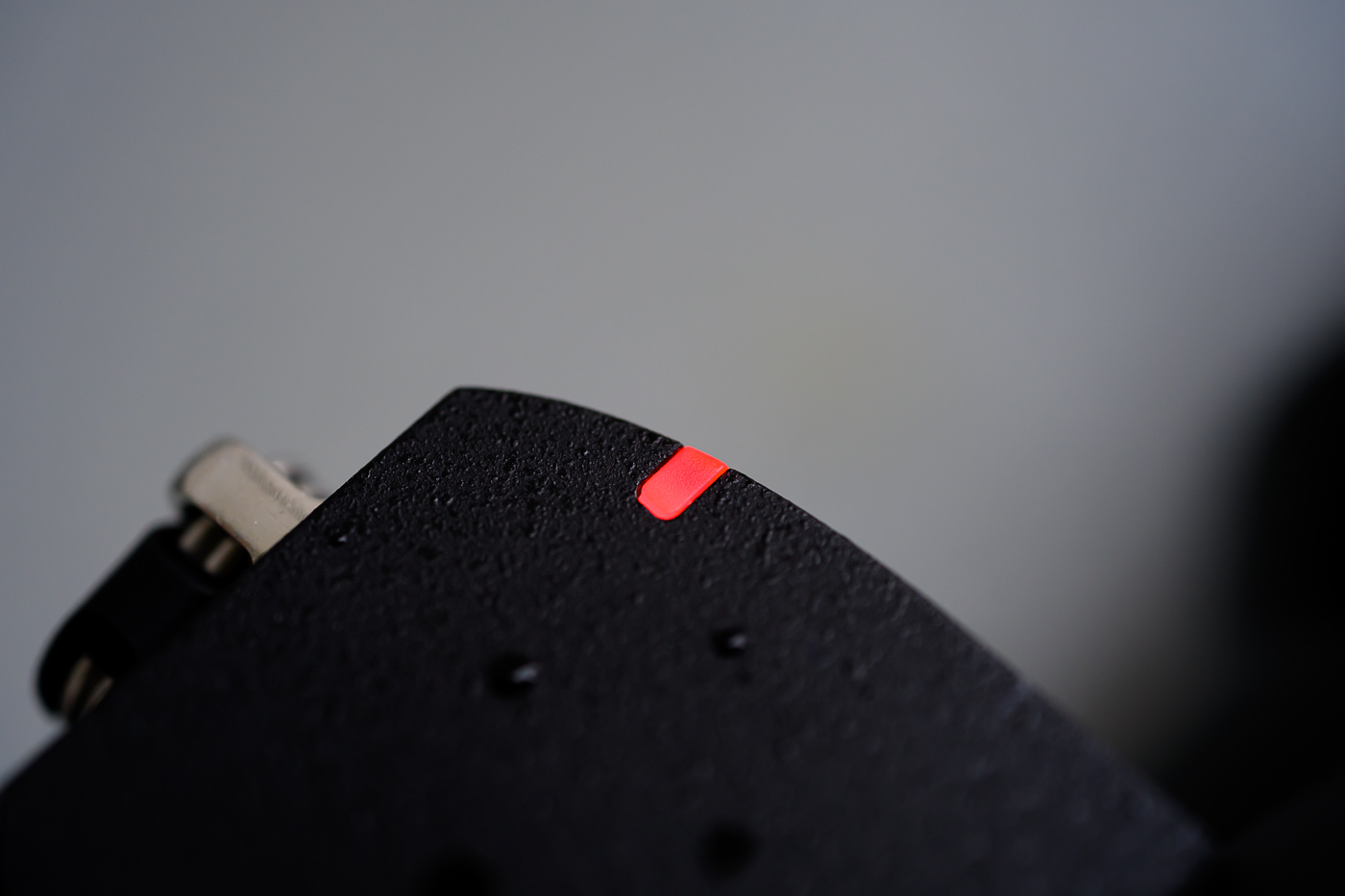
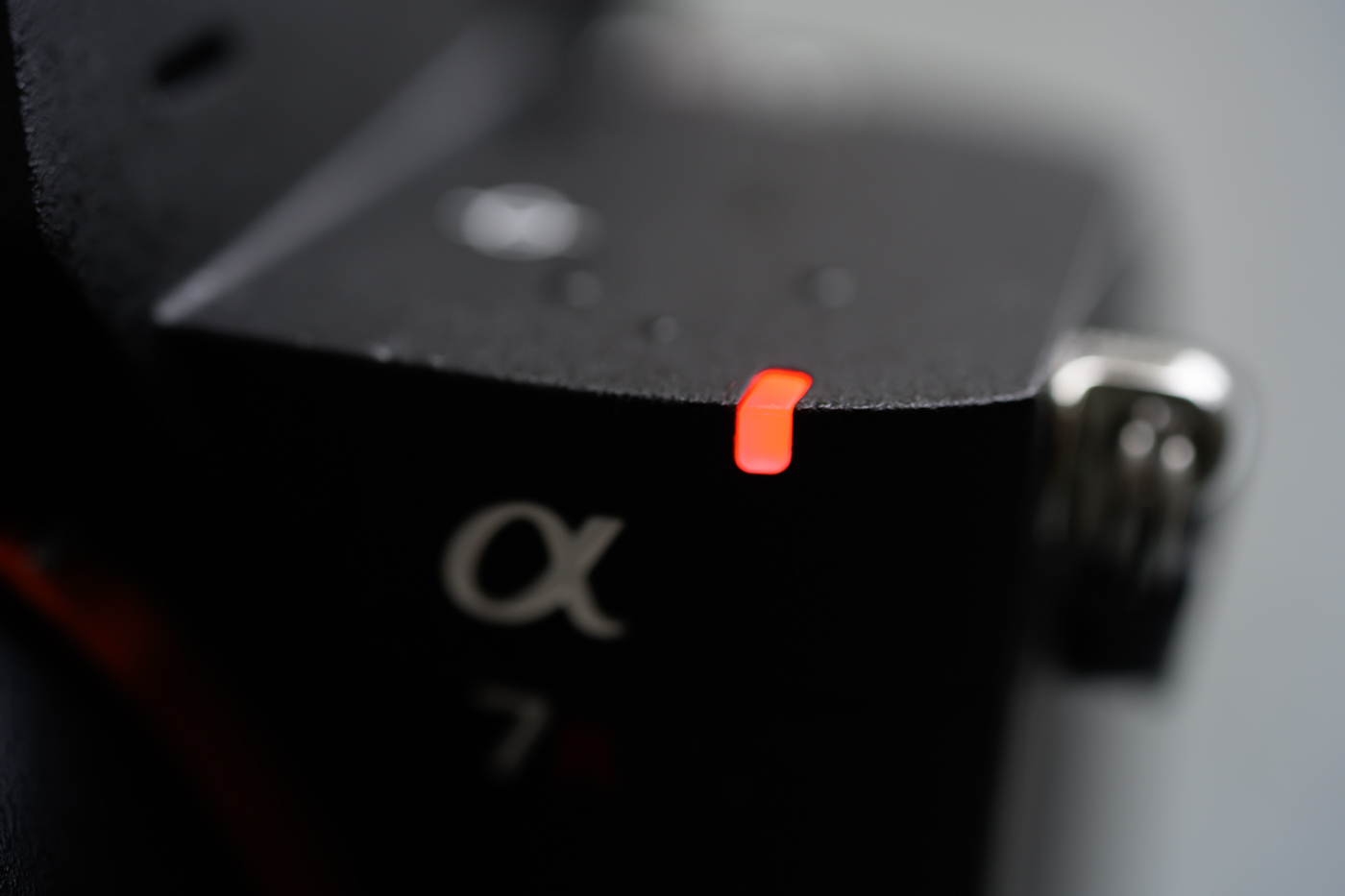
Installed straddling the front face and the right shoulder, it remains visible to both the operator and the filmed subject, a welcome touch. As usual, it is possible to enable the shutter curtain closing when the camera powers off to properly protect the sensor between two lens changes.
Sony A7R VI performance and image quality
Stacked full-frame 66.8 Mpx sensor
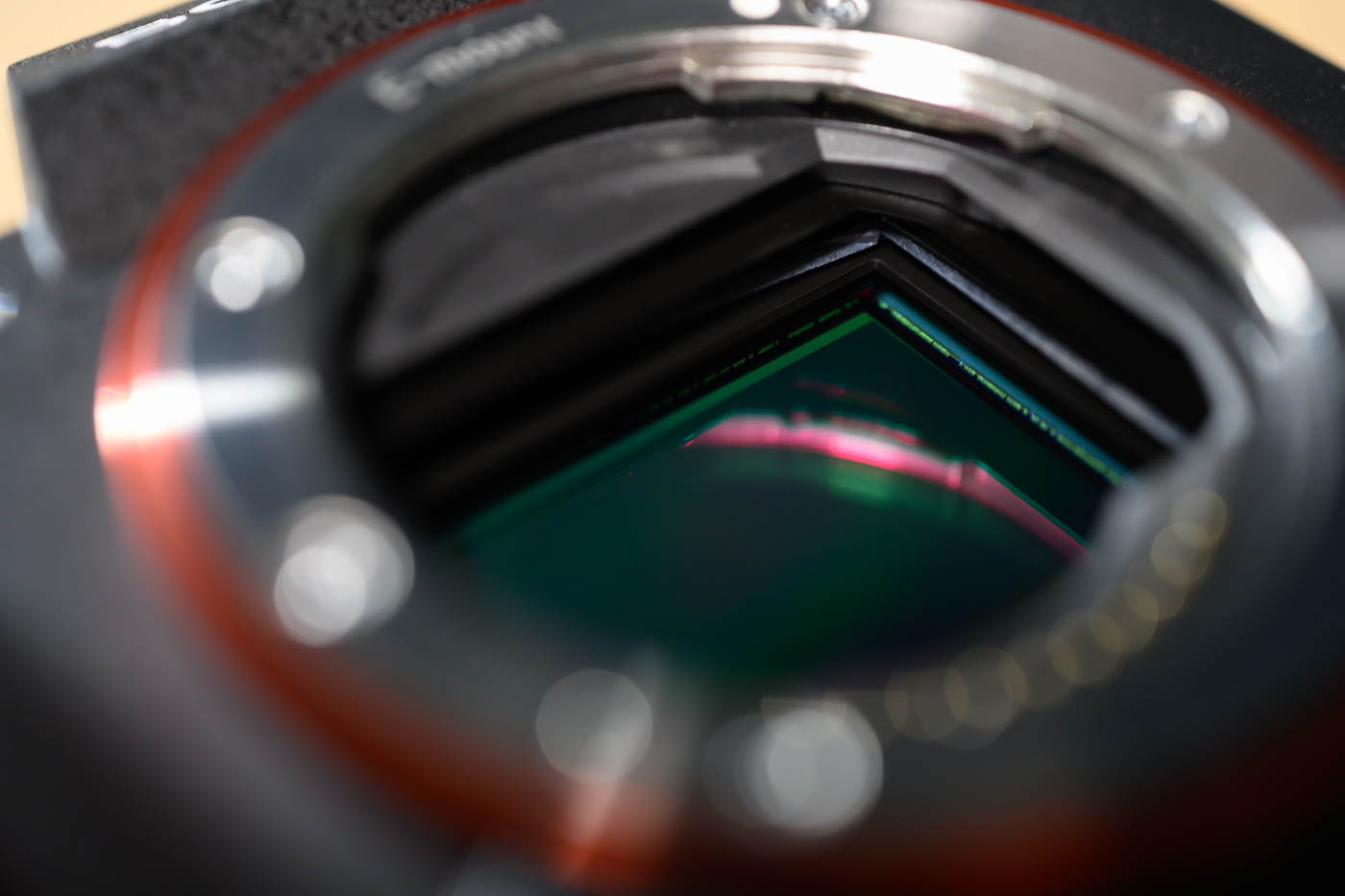
This is obviously the big change in this A7R VI. Sony has opted for a 66.8 megapixel BSI CMOS Exmor RS chip: the highest resolution on the full-frame market.
Above all, this sensor adopts a stacked architecture that should prove far more effective at compensating for rolling shutter than previous generations. Because of a far too slow readout speed, it was practically impossible to use the A7R IV, V, A7C R and RX1R III comfortably with the electronic shutter. Already problematic in photo, this point was a dealbreaker in video. With the A7R VI, this problem becomes far more marginal, we’ll come back to it.
As with the A7 V, the manufacturer drops uncompressed RAW and the intermediate values. You can now choose between lossless compressed RAW (around 80 to 85 MB, versus 125 MB for the A7R V’s uncompressed RAW), HQ compressed and compressed. Sony guarantees that this choice has no impact on image quality or dynamic range, but a certain caution remains in order.
You can also opt for an APS-C mode offering 28 Mpx files, which proves comfortable and would place the A7R VI on the podium of APS-C mirrorless cameras in terms of resolution.
We used the Sony A7R VI with a fairly varied selection of lenses: the Sony FE 50 mm f/1.4 GM, Sony FE 70-200 mm f/2.8 GM OSS II, Sony FE 100-400 mm f/4.5 GM OSS, Sony FE 24-70 mm f/4 Zeiss, but also the Sigma 85 mm f/1.4 DG DN Art or the Tamron 28-75 mm f/2.8 Di III VXD G2.
Feel free to click on the photos in this review to display them in higher quality.



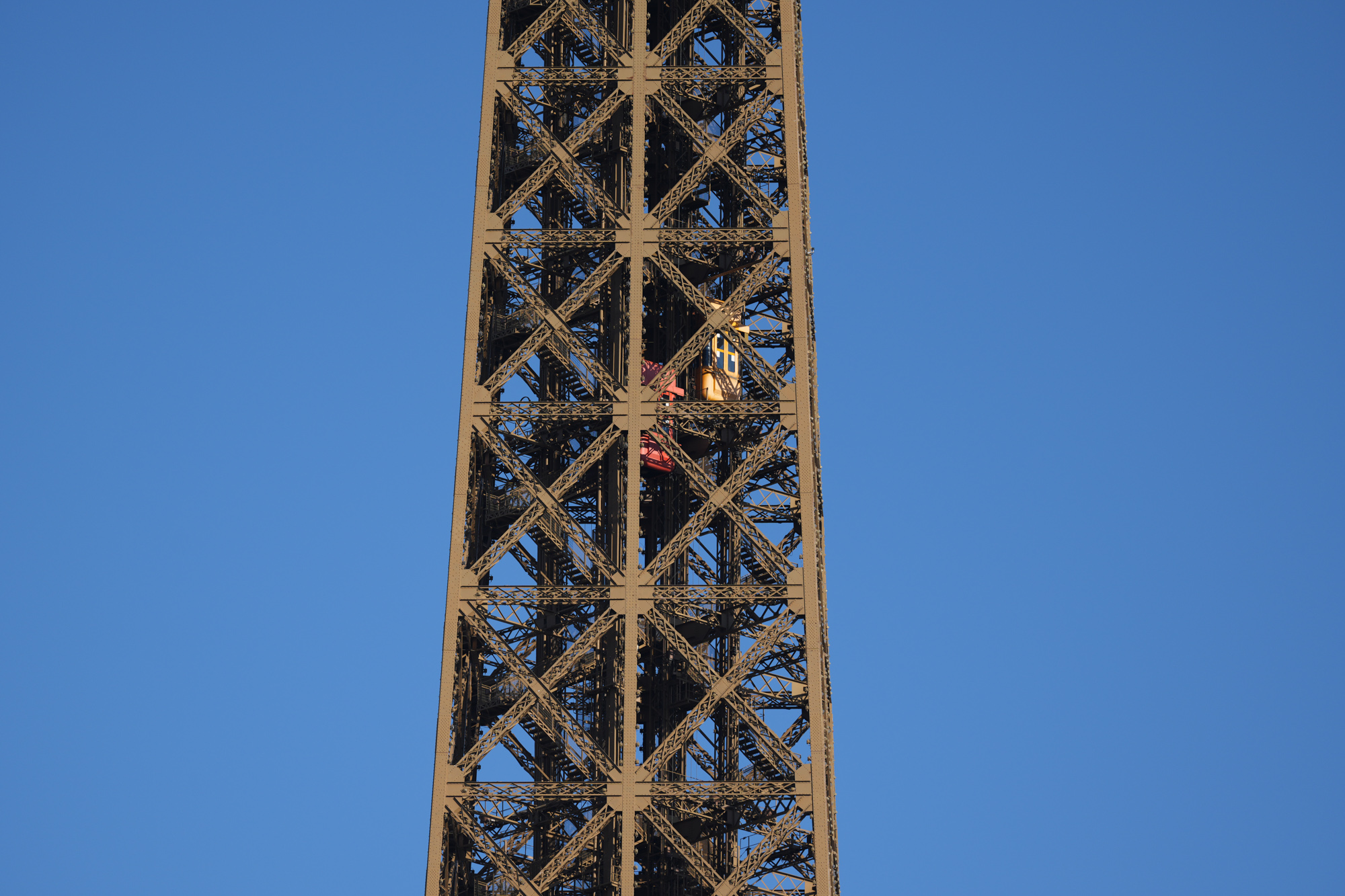
The level of detail is truly stunning. The ability to crop is a real advantage and lets you rework your framing without fear of pixelating the subject.


On this front, we find the familiar sensations of a high-resolution sensor. Unsurprisingly, you’ll need lenses up to the task to fully exploit the 67 Mpx.
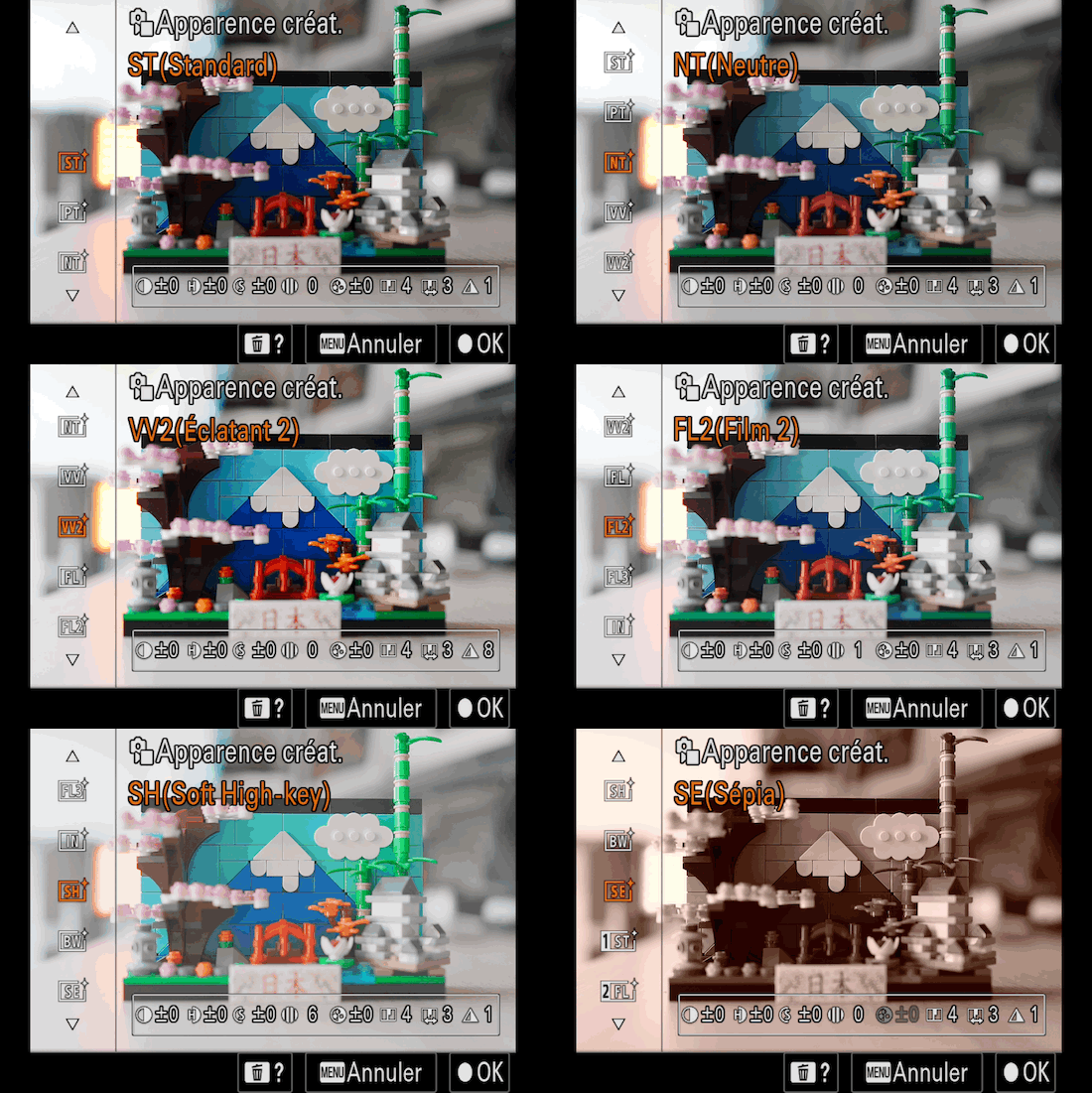
Sony finally emphasizes a new automatic white balance mode assisted by AI. The result is convincing: the colorimetry is fairly accurate straight out of the camera, which makes it easier to use JPEGs directly and limits RAW editing time.

For those who prefer to skip the development stage, you still get Sony’s 12 Creative Looks, including the FL2 and FL3 variations introduced with the RX1R III.
ISO performance and dynamic range
The sensor’s sensitivity runs from 100 to 32,000 ISO and can be extended from 50 to 102,400 ISO. A classic range for Sony’s high-resolution line, and one that hasn’t changed since 2022.



Despite the leap in resolution, the high-sensitivity performance is there. Images are impeccable up to 1600 ISO. Beyond that, the degradation stays contained up to 6400 ISO, where you start to observe slight smoothing.



Between 6400 and 12,800 ISO, the results remain perfectly usable. At 25,600 ISO, noise becomes clearly noticeable, but the result remains much better than with an A7R V under equivalent conditions, which is more than respectable for a sensor going from 61 to 67 Mpx.



Beyond that, and particularly in the extended values, the image degrades quickly. At 102,400 ISO, you’ll only save a few files, unless you turn to a specialized software.



Very concretely, the Sony A7R VI offers very good rendering for such a high-resolution sensor. The files are clean up to high values. Even at the highest ISO values, the photos remain very detailed.
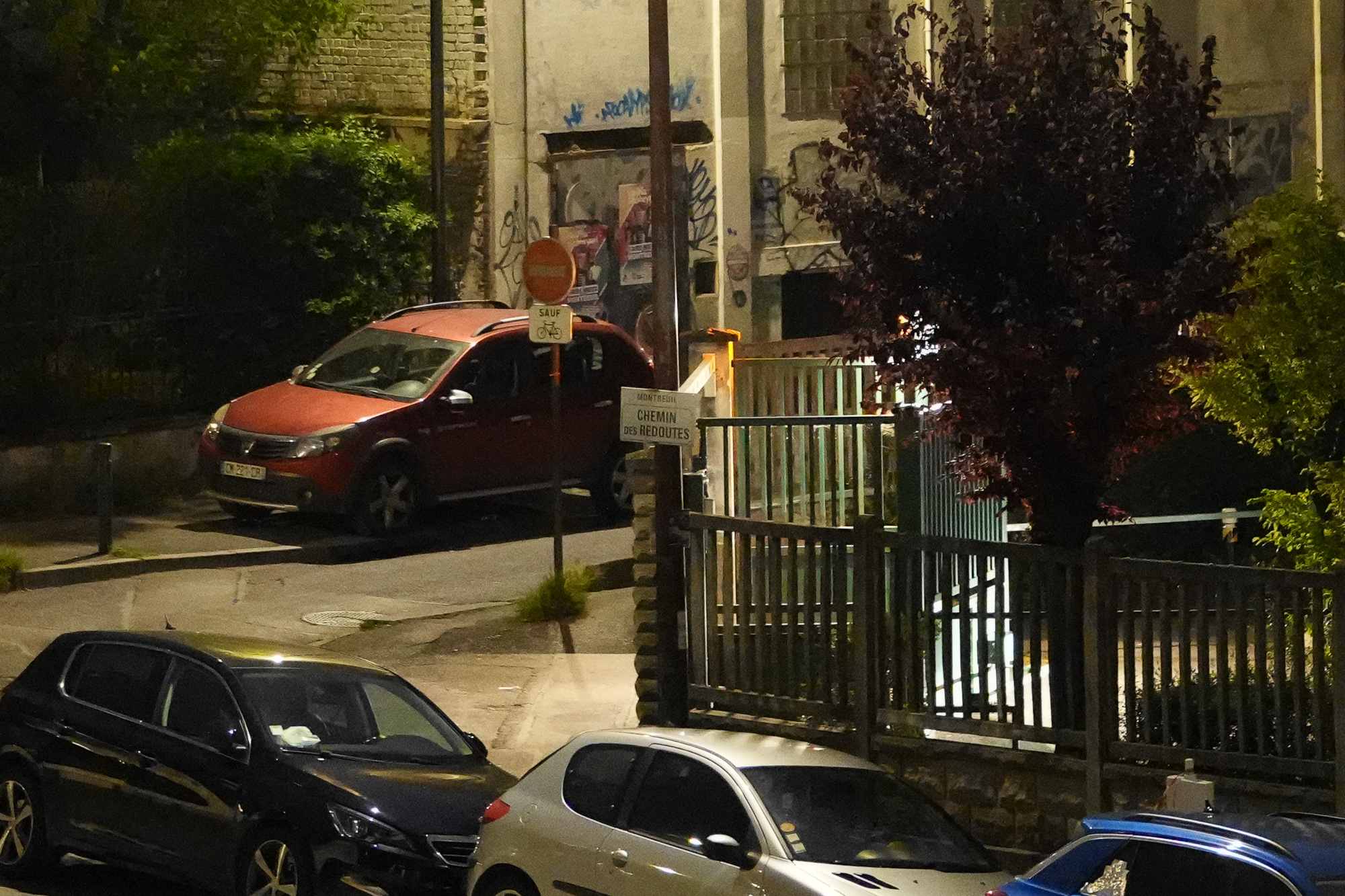
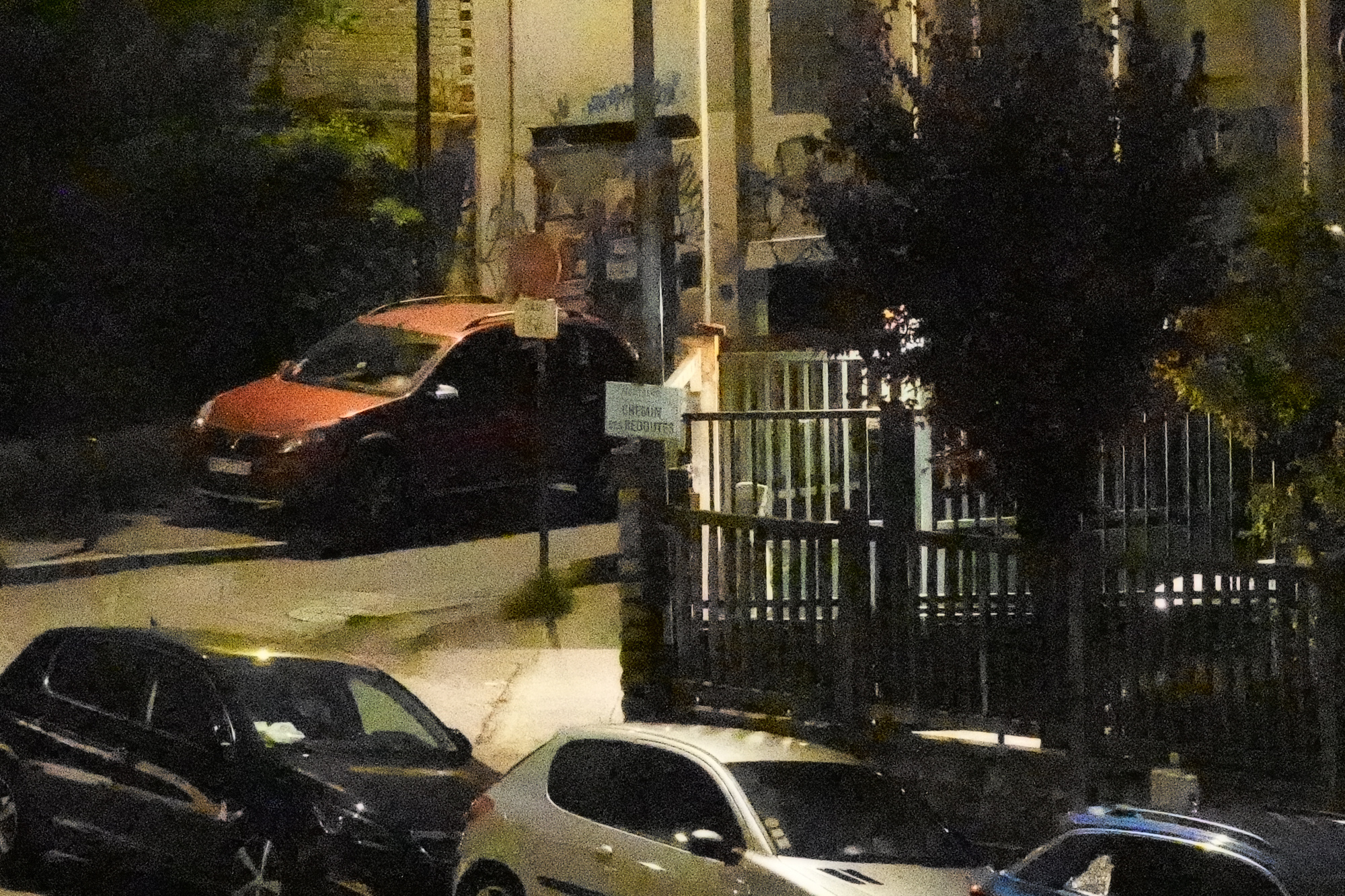
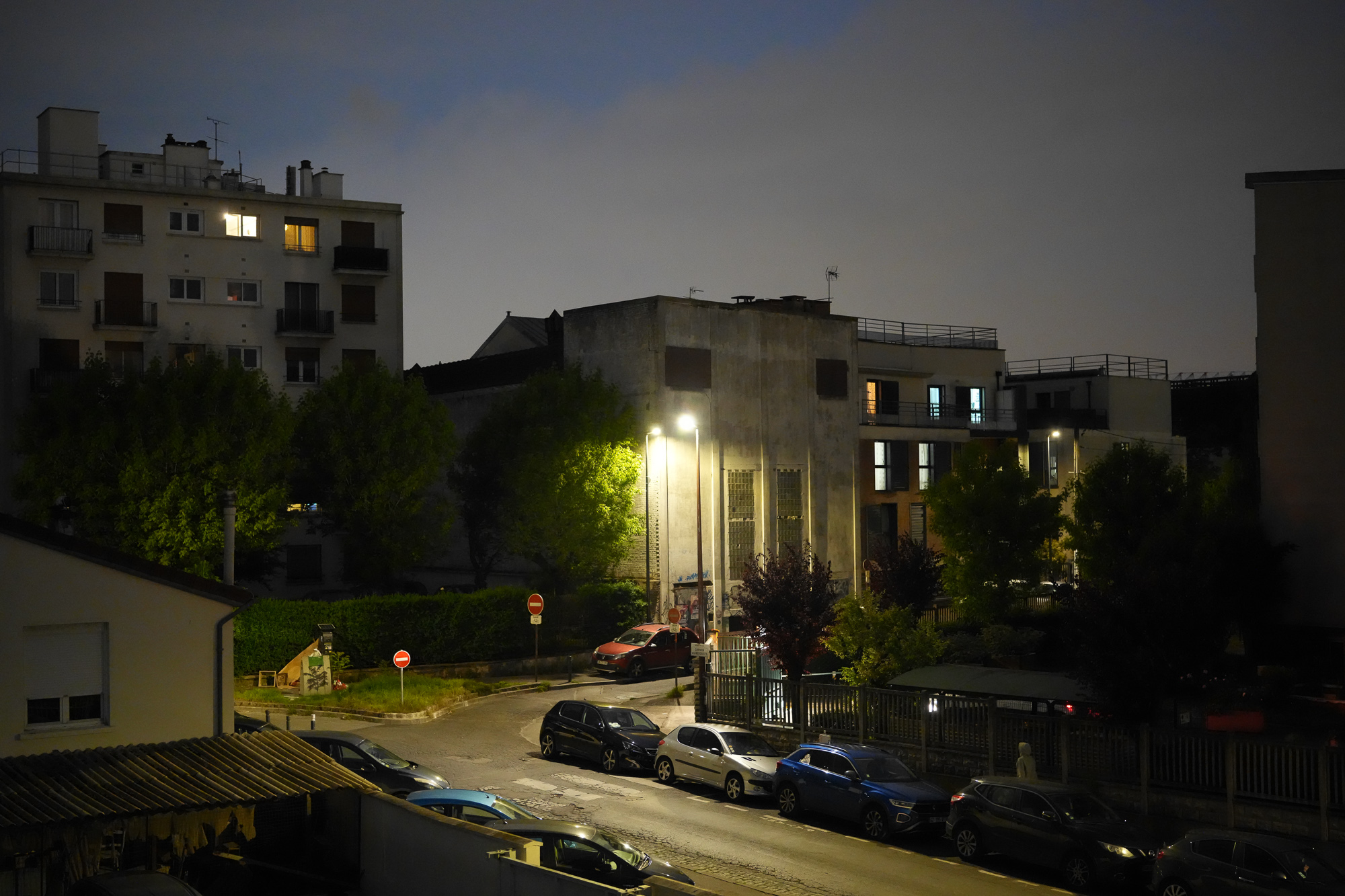
Furthermore, Sony advertises a dynamic range of up to 16 stops, which would place the A7R VI on the level of medium-format cameras, like the Fujifilm GFX 100 II or the Hasselblad X2D II 100C.

In practice, we are more than satisfied with the files produced by this A7R VI. As often with the Japanese manufacturer, recovering data in the shadows is fairly easy, without altering the photo and while limiting the proliferation of electronic noise.
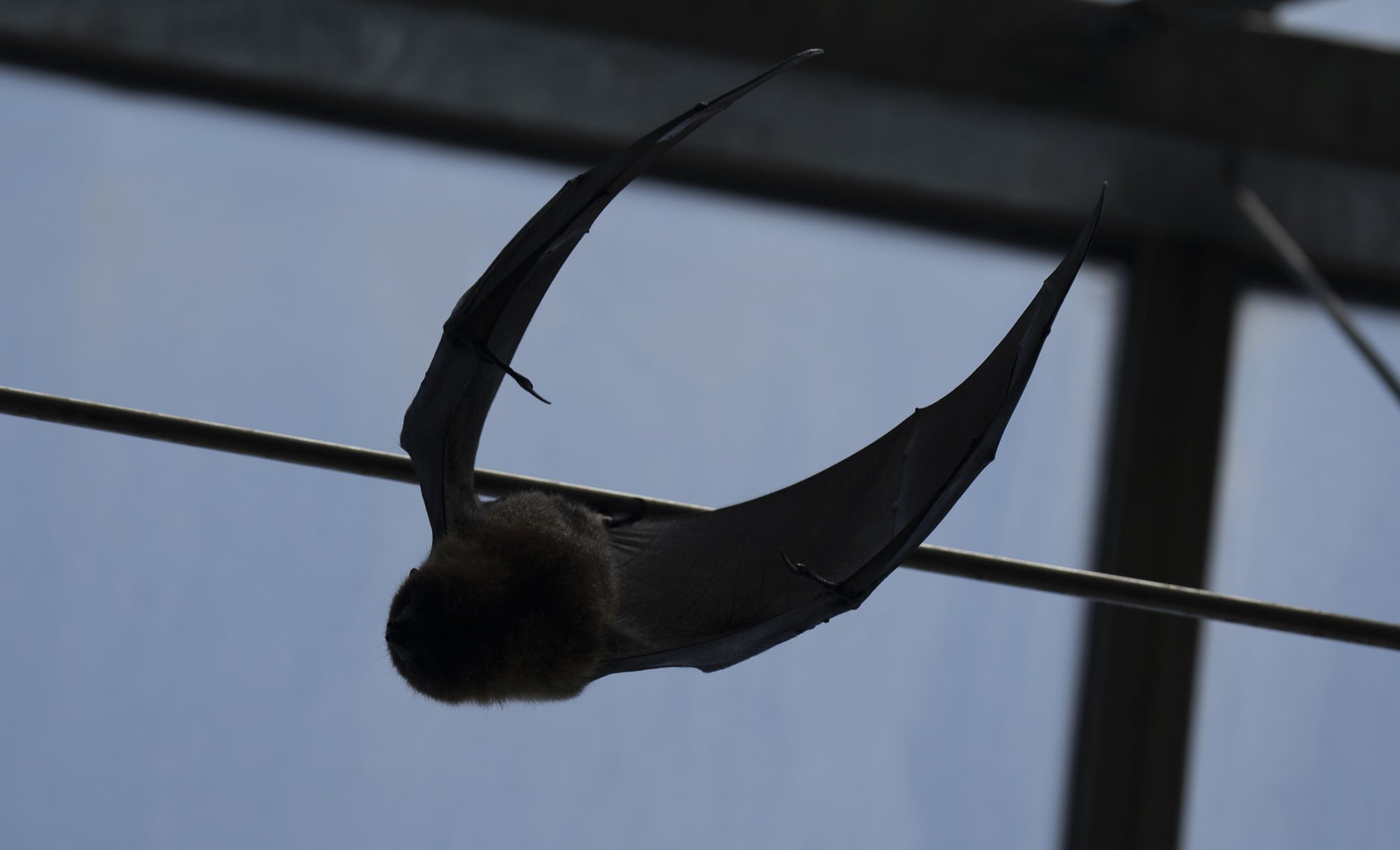
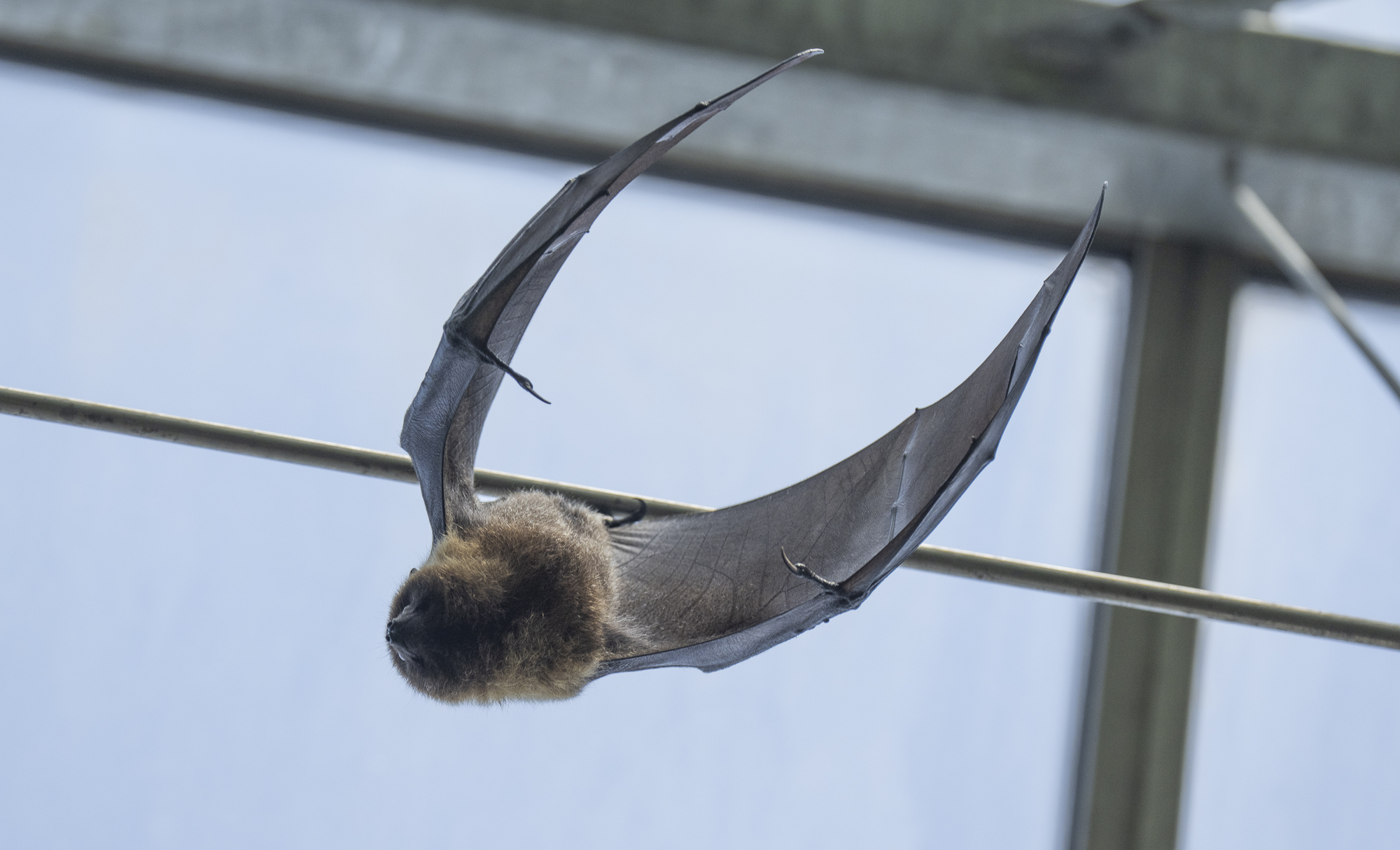
Thus, even when the subject is heavily darkened, you can manage to recover a more than decent image that you could (after some editing effort, of course) exploit more comfortably.


Recovering the highlights is always more difficult; nevertheless, even in a case where part of the image is completely blown out, the A7R VI’s sensor allows a nice restoration of detail, all without the help of localized masking or uncommon processing.


Pixel-shift at 270 Mpx and 134 Mpx upscaling
To push resolution even further, Sony keeps its pixel-shift mode. The process consists of capturing 16 RAW files, then assembled on a computer via the in-house software Imaging Edge Desktop (compatible with Windows and macOS). The final result is a 270 megapixel image.
As always, the use of a very stable tripod is mandatory and the slightest movement in the scene ruins the result. We are far from what Panasonic offers with its handheld pixel-shift on the Lumix S1R II…
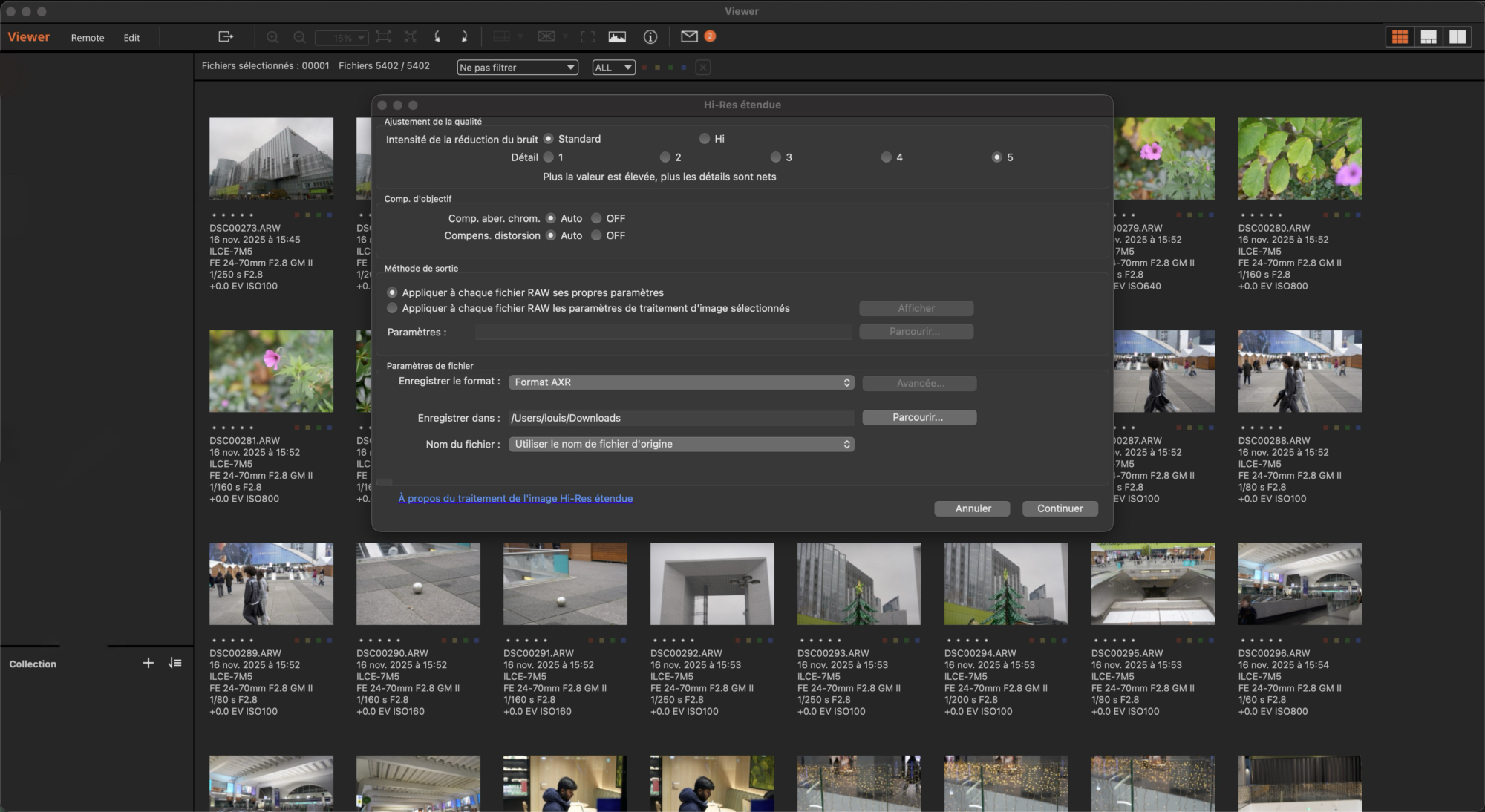
More interestingly, the A7R VI inherits the upscale enlargement introduced by the A7 V. Still via Imaging Edge Desktop, it is possible to dynamically enlarge a single file into a 134 Mpx photo (16,320 x 8160 px). The result is an editable RAW file, ready to be reworked.


We greatly prefer this solution to pixel-shift, infinitely less restrictive: no need for a tripod or a still scene, a single shot is enough for the operation. Processing takes about twenty seconds per file at maximum quality. The results are very clean, with no annoying artifacts. This is typically the kind of feature we’d like to have in-camera, as on the Canon EOS R5 Mark II. We’ll console ourselves with the fact that this tool is free.


The shutter, on the other hand, still tops out at 1/8000 s, whether in mechanical or electronic mode. A fairly limited value for a camera of this caliber, whereas the competition shows 1/16,000 s, 1/32,000 s or even more in electronic mode.
Sony A7R VI autofocus, tracking and responsiveness
The Sony A7R VI inherits the Bionz XR2 processor introduced by Sony with the A7 V. This new model is far more powerful than its predecessors, and according to Sony, it makes the addition of a separate AI module unnecessary.
The autofocus’s 759 points now cover 94% of the sensor surface, versus only 79% on the A7R V, a real gain to be credited to the new sensor.

The A7R VI detects and tracks the faces and eyes of humans, analyzing the various parts of the body to “predict” the subject’s position.

It can also detect and track without any problem animals, birds (eye, face and body) as well as insects.
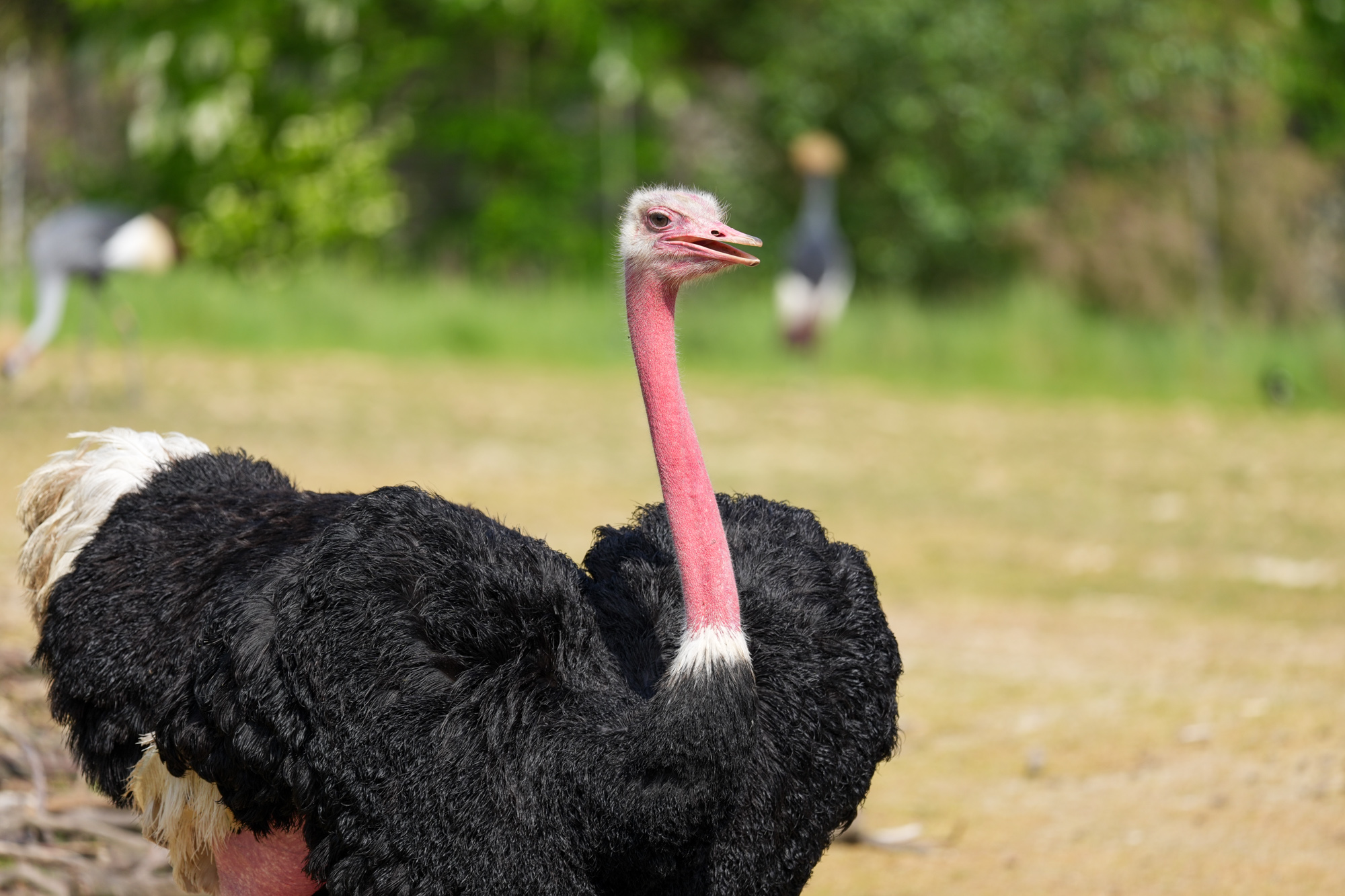

On the vehicle side, we find recognition of trains, planes and cars. The “auto” mode introduced with the A1 II is on board: it prioritizes humans, but doesn’t require manually changing the recognized targets. Very handy, especially for mixed situations.
In the field, the AF impresses with its speed and accuracy. If the A7R V was already an excellent body when it came to autofocus detection, the A7R VI goes up another notch.

The eye is detected instantly, even in profile or with part of the face hidden. Once the subject is detected, the body never lets go: the subject can turn, walk towards us, cross the frame, the AF stays locked.

Misses are extremely rare, and when they occur, they are more often due to a poor estimation of the lens’s focusing distance than to a failure of the AF itself.

Even in very overcast weather or in low light, the body doesn’t falter. On this front, the Sony A7R VI is hard to catch out, which is all the more impressive with such a high-resolution sensor.

Burst and buffer
Besides the sensor resolution, the other major change in this A7R VI concerns the burst rate. With the electronic shutter, you go from 7 fps to 30 fps, and that in 14-bit RAW! A spectacular increase that, combined with the high-resolution stacked sensor, makes it possible to consider the A7R VI as a very interesting companion for wildlife or sports photographers.
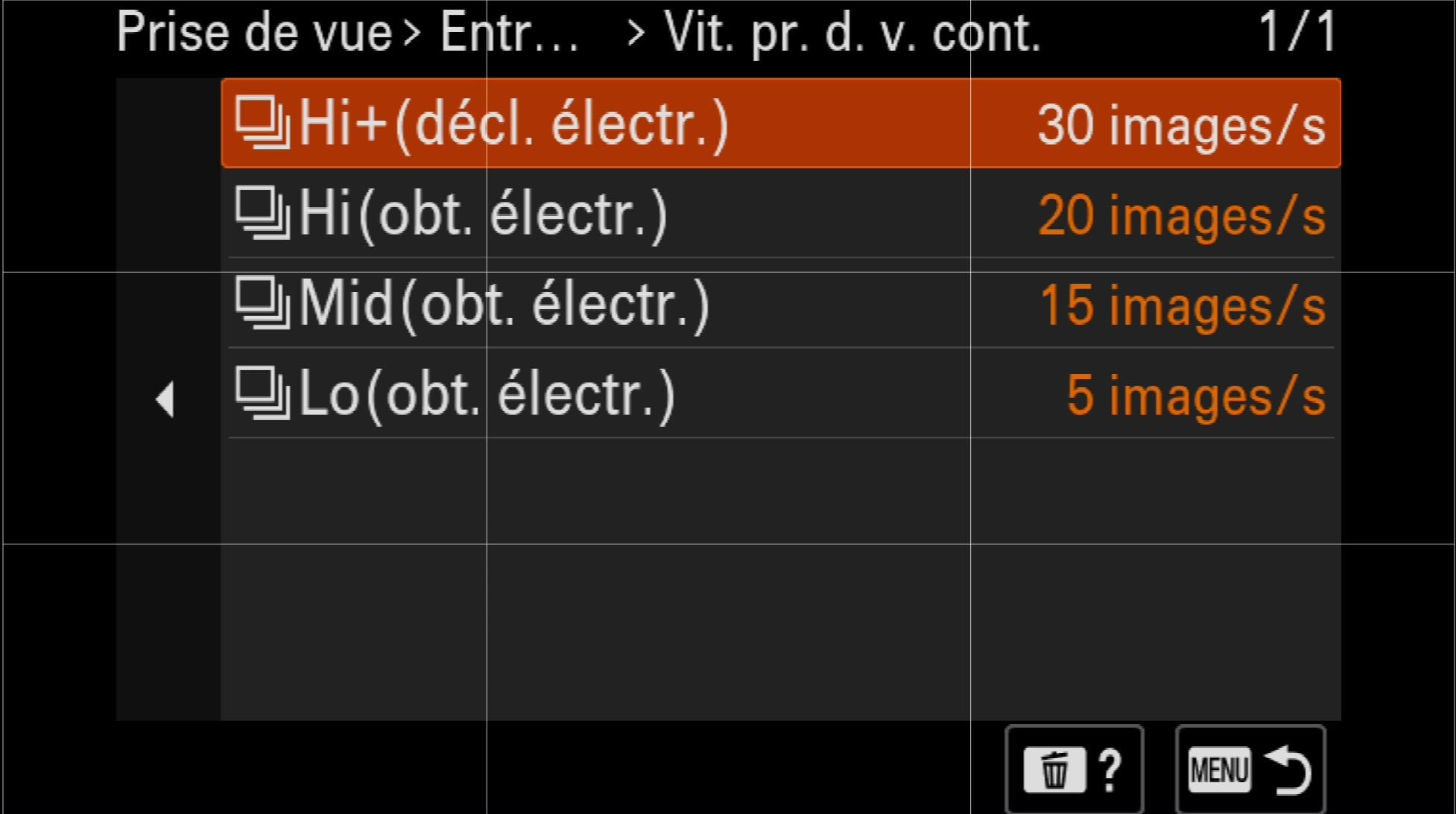
While faster high-resolution cameras exist on the market (the Lumix S1R II or the Canon EOS R5 Mark II go beyond), such a rate with such a sensor is unprecedented. With the mechanical shutter, you top out at 10 fps, as tradition dictates at Sony.

However, this burst comes with a fairly limited buffer memory. Sony announces 60 images maximum in the heaviest RAW format with the electronic shutter. Not really something to brag about against the 1000+ images of a Z8 or an EOS R5 Mark II. Let’s remember, though, that the latter carry less impressive sensors and their fast bursts are captured in 12-bit RAW.
Here are the performance figures measured with a fast CFexpress type A card:
| Mechanical shutter (10 fps) | Electronic shutter (30 fps) |
|---|---|
| Lossless compressed RAW + JPEG: 95 images | Lossless compressed RAW + JPEG: 55 images |
| Lossless compressed RAW: 130 images | Lossless compressed RAW: 60 images |
| Compressed RAW + JPEG: 130 images | Compressed RAW + JPEG: 130 images |
| JPEG only: 999+ images | JPEG only: 215 images |
Like the A7 V, once the buffer is full, capture doesn’t stop. The rate drops to around… 3 or 4 fps, but proves to be “unlimited”! This isn’t necessarily of great interest, but it avoids the freezes seen on some competing models.
Like the A1 II, A9 III and A7 V, the Sony A7R VI offers a burst boost mode. By assigning this function to a customizable button, it is possible to temporarily increase the continuous shooting speed: from 15 to 30 fps, or from 10 to 20 fps, with an adjustment range between 5 and 30 fps, for example. Very handy to avoid filling your buffer prematurely.
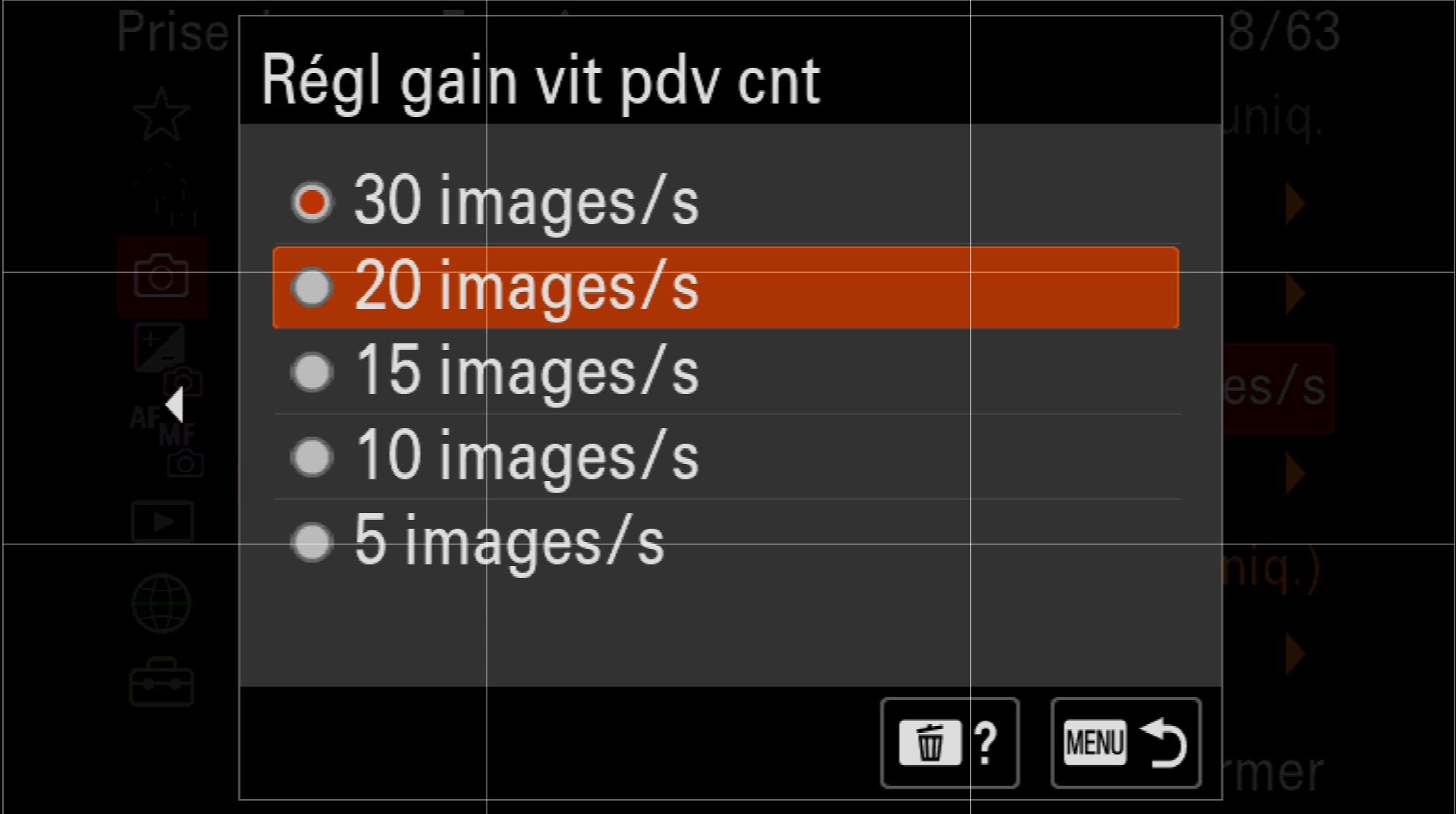
The camera is also equipped with a pre-capture mode adjustable between 0.03 s and 1 s before the full shutter release. A precious asset for capturing the moment that precedes the peak of the action.
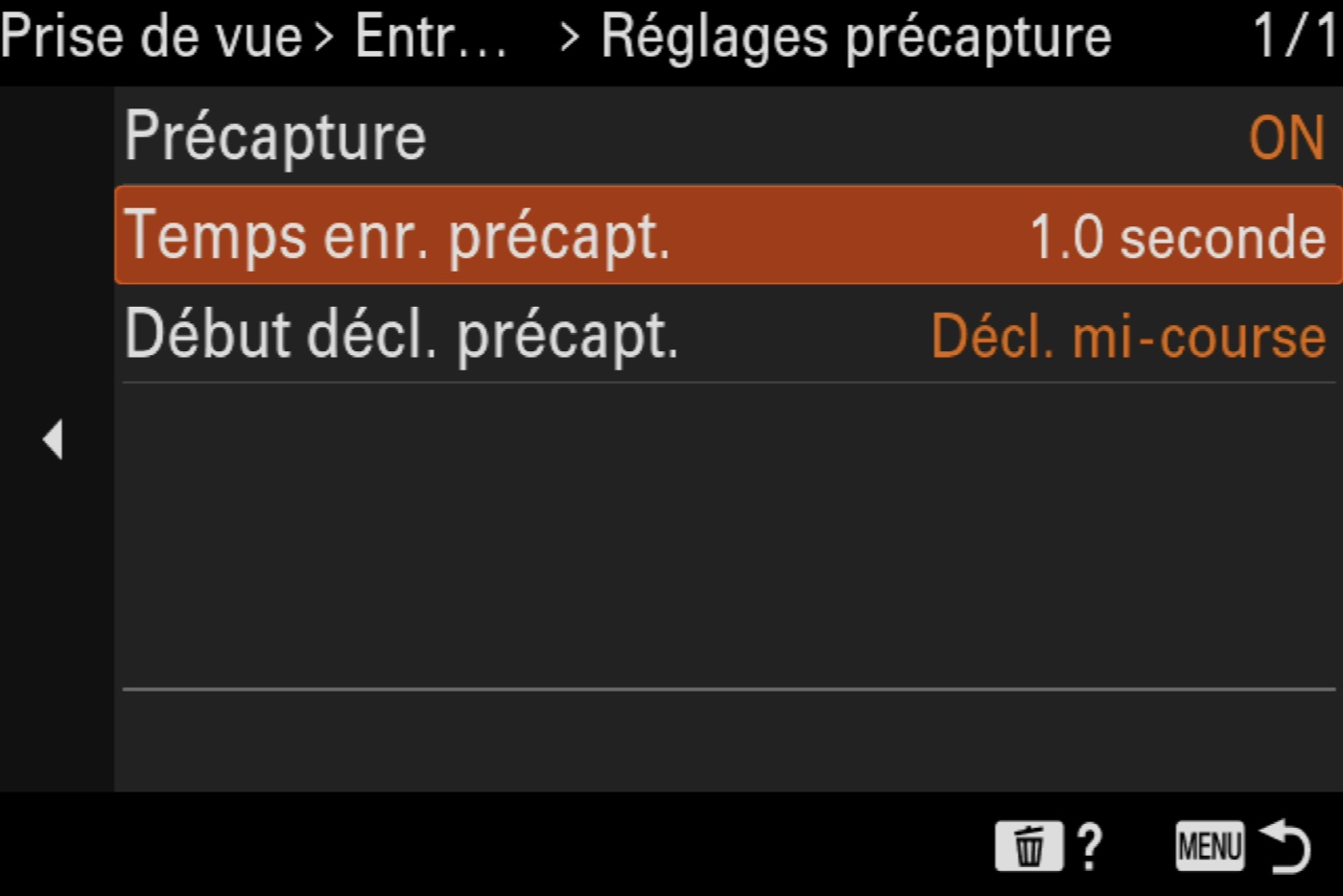
As usual, the 20 and 30 fps rates are reserved for certain Sony lenses. For “third-party” manufacturers, the rate tops out at 15 fps. An always frustrating constraint, especially for Sigma, Tamron and other users.

Like the A7 V, to make sorting bursts easier, Sony has integrated a function that lets you insert a separator image before each burst, clearly indicating the start and end of a series at 30 fps.

Rolling shutter
According to Sony’s explanations, while the sensor is indeed stacked, it is not equipped with DRAM memory. This additional layer, which usually boosts sensor speed (as on the Sony A1 II or A9 III), is absent here.
As a result, the A7R VI’s sensor speed will be closer to that of a “semi-stacked” sensor like the A7 V’s than to that of a genuine fully operational stacked sensor. Several reasons explain this choice: developing a “fully stacked” 67 Mpx sensor (with integrated memory) would incur substantial extra costs and would have sent the price through the roof. And, above all, by improving its high-resolution body’s sensor too much, Sony would have risked cannibalizing the sales of the A1 II…
On paper, the move to a stacked sensor was meant to definitively settle the rolling shutter issue. In practice, the observation is more nuanced. The absence of DRAM memory brings the A7R VI’s sensor closer to a semi-stacked sensor like the A7 V’s, more than to a fully stacked sensor like the A1 II’s.
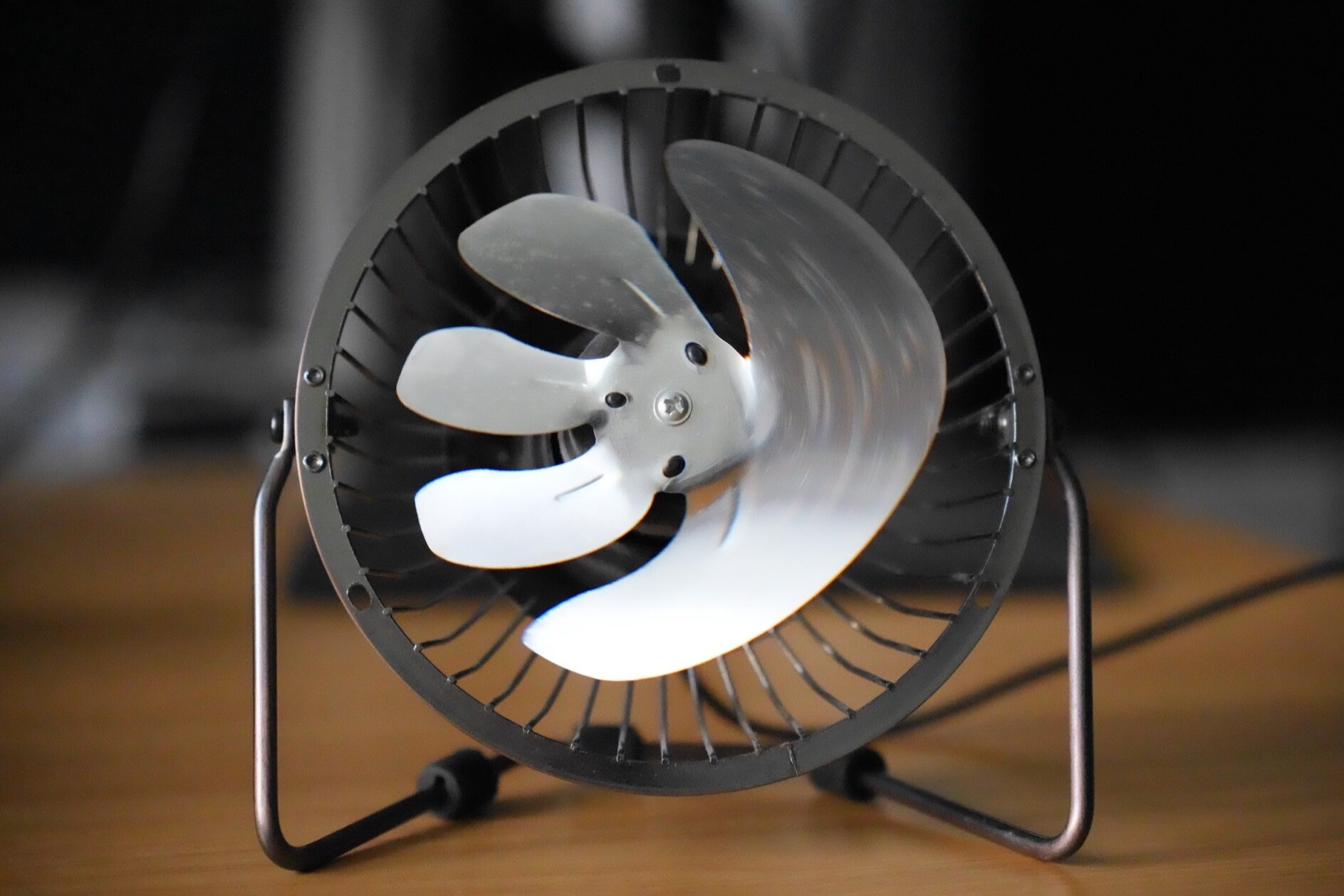
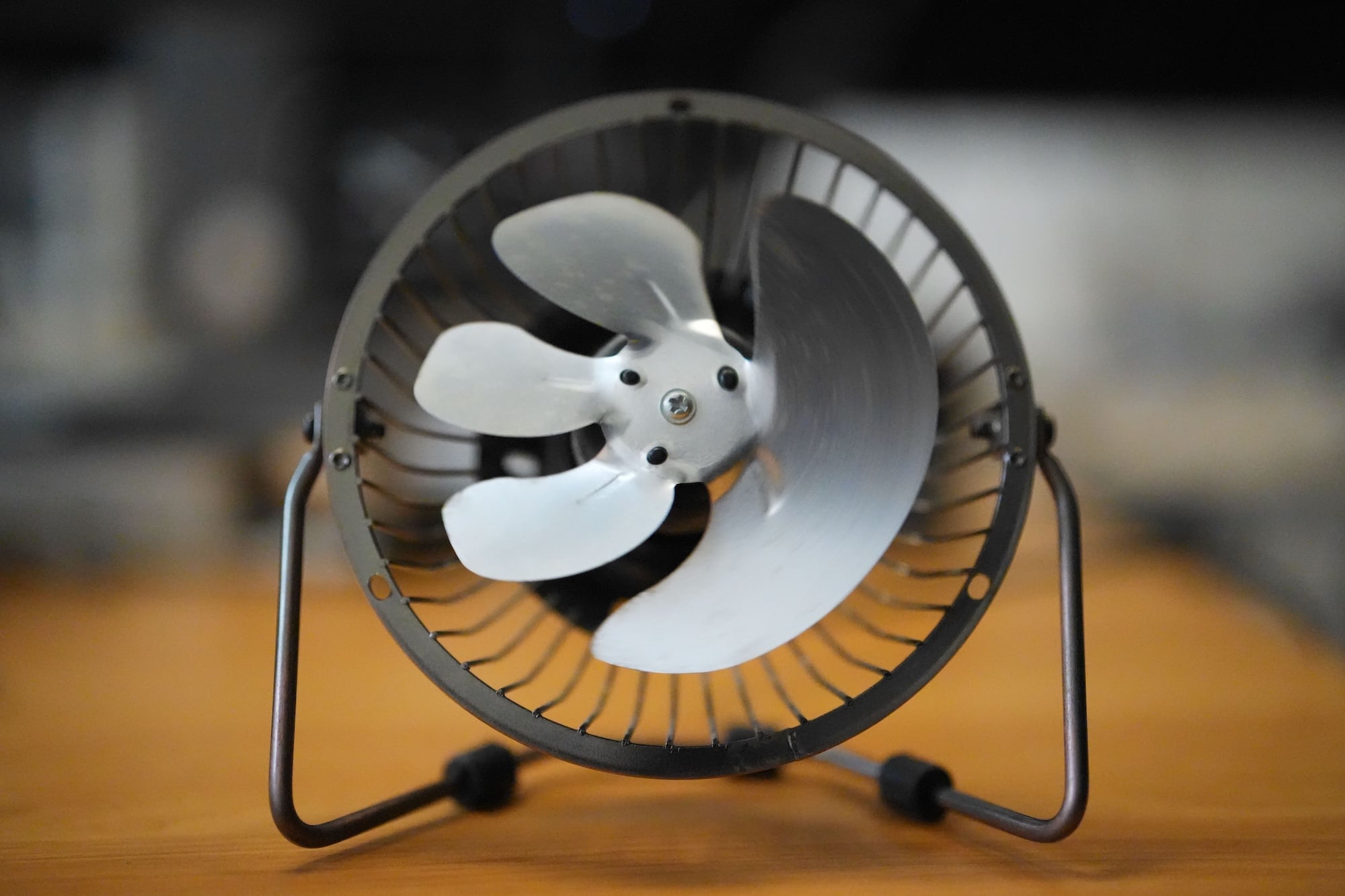
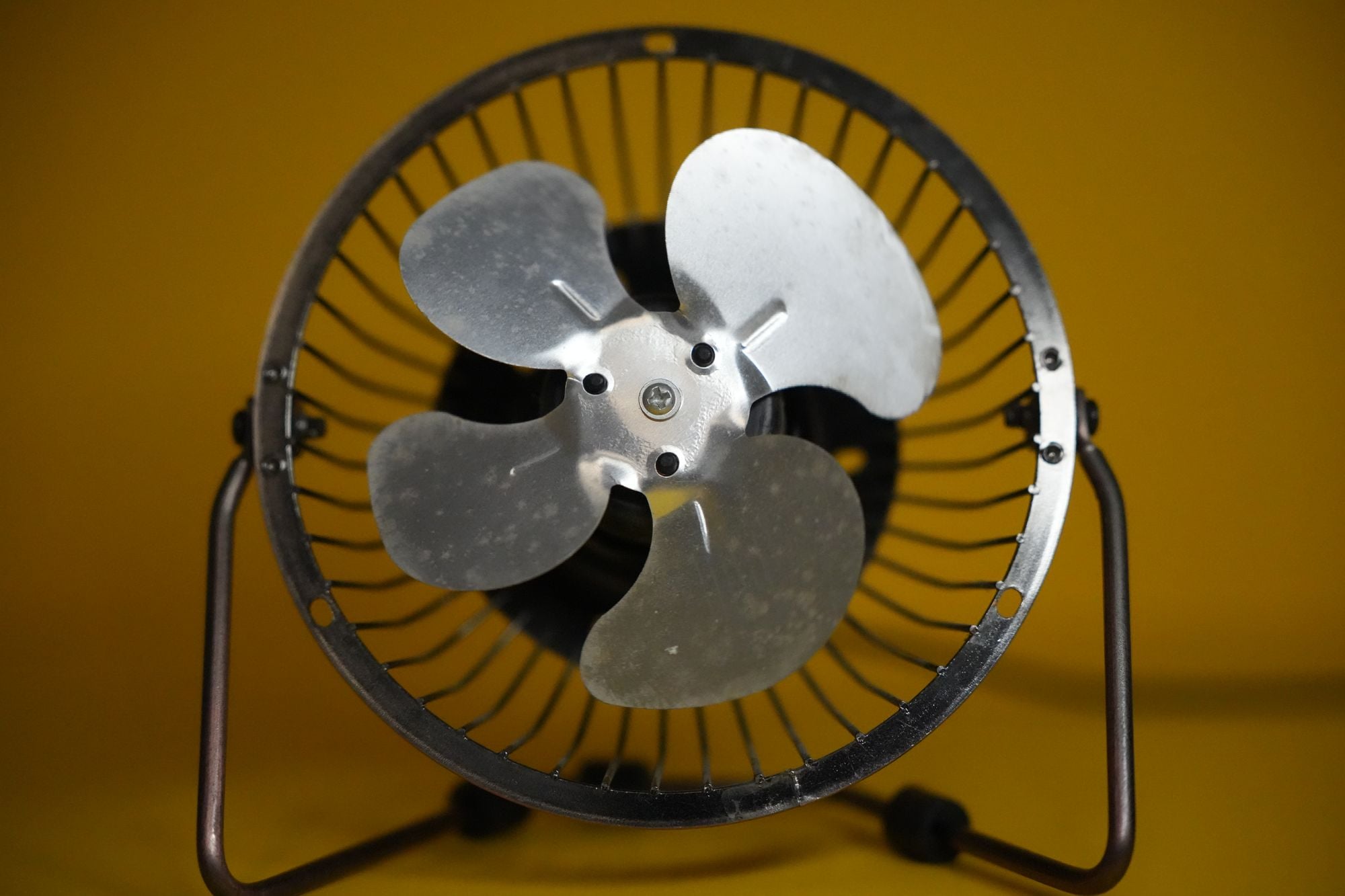
Consequence: with the electronic shutter, the level of distortion remains more marked than with the mechanical shutter, but the deformations are nothing like those of the A7R IV, V or A7C R. We’re talking about a spectacular gain compared to the previous generation.
In the field, the distortions are very moderate. You have to aim at very fast subjects while panning, like cars, or very vertical structures, to observe visible deformation. In typical use, landscape, portrait, moderate wildlife or even sports, you’ll (almost) never notice any deformation.
This is a real step forward that, combined with the 30 fps burst, makes the A7R VI a body noticeably more credible for action or wildlife photography than its predecessors. Not to mention that the mechanical shutter always remains available.

Stabilization
The A7R VI’s 5-axis unit has been reworked. Sony now announces a gain of up to 8.5 stops at the center and 7 stops at the edges, versus 8 stops at the center on the A7R V. These values were measured with the Sony FE 50 mm f/1.2 GM.
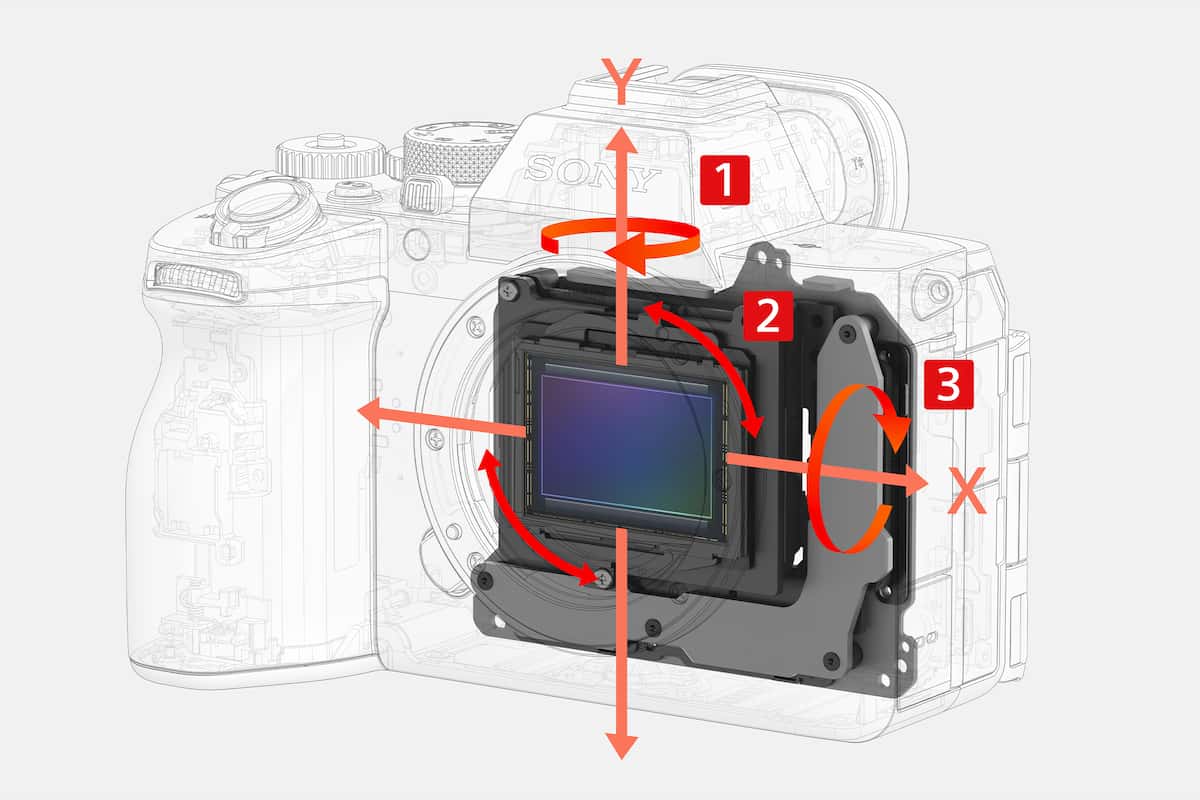
In the field, as often, the CIPA figures remain hard to reproduce. With the A7R VI and a 50 mm, we were able to recover up to 6.5 to 7 stops handheld, i.e. about 2 seconds of usable exposure. Beyond 2 seconds, despite all our efforts, it becomes more complicated to obtain a perfectly sharp shot.
This is, however, a clear step forward compared to the A7R V. And it is above all a real necessity on a camera with 67 Mpx, where the slightest blur is immediately visible. On the other hand, we can regret the absence of dual stabilization when mounting a stabilized lens.
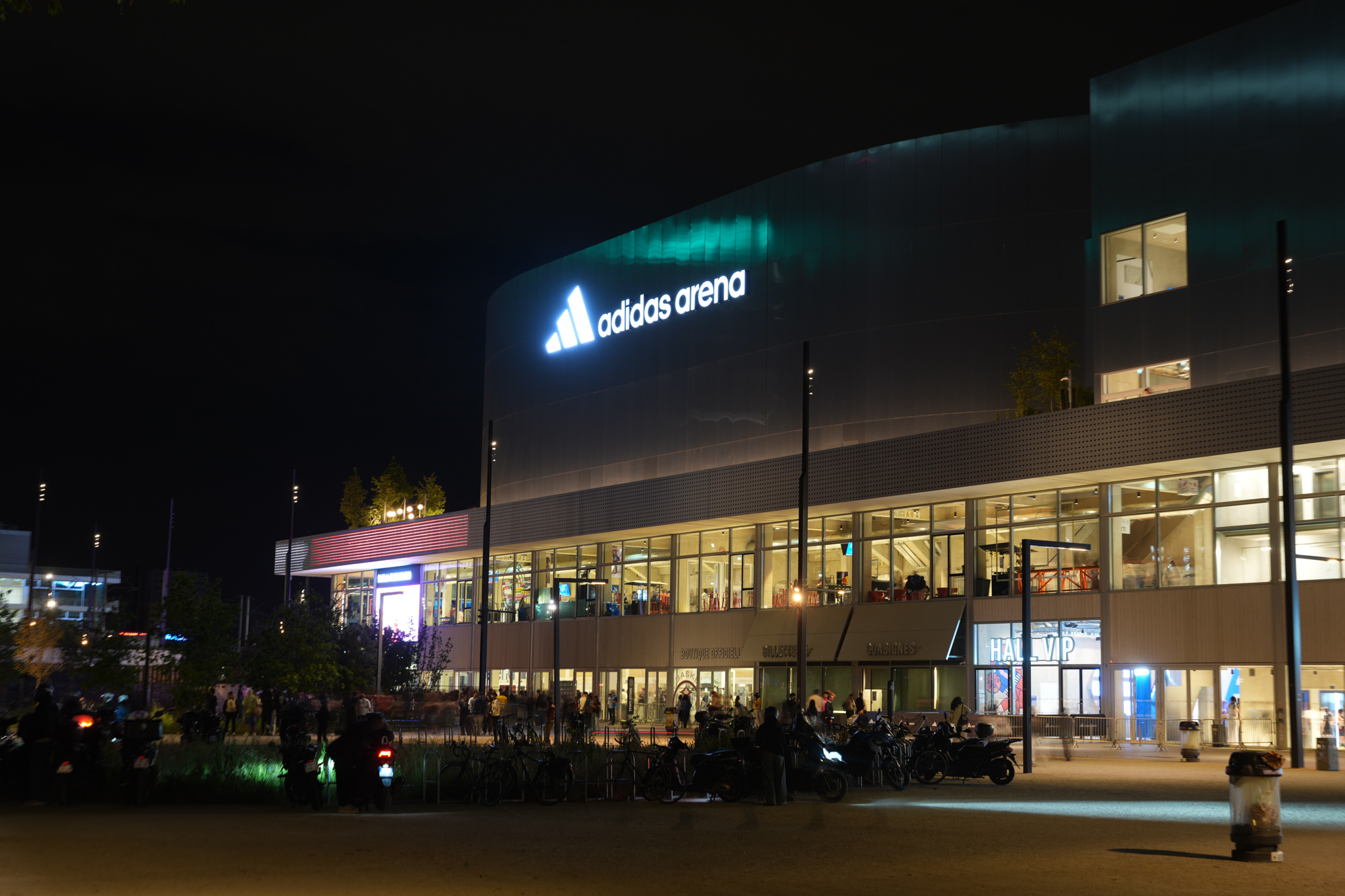
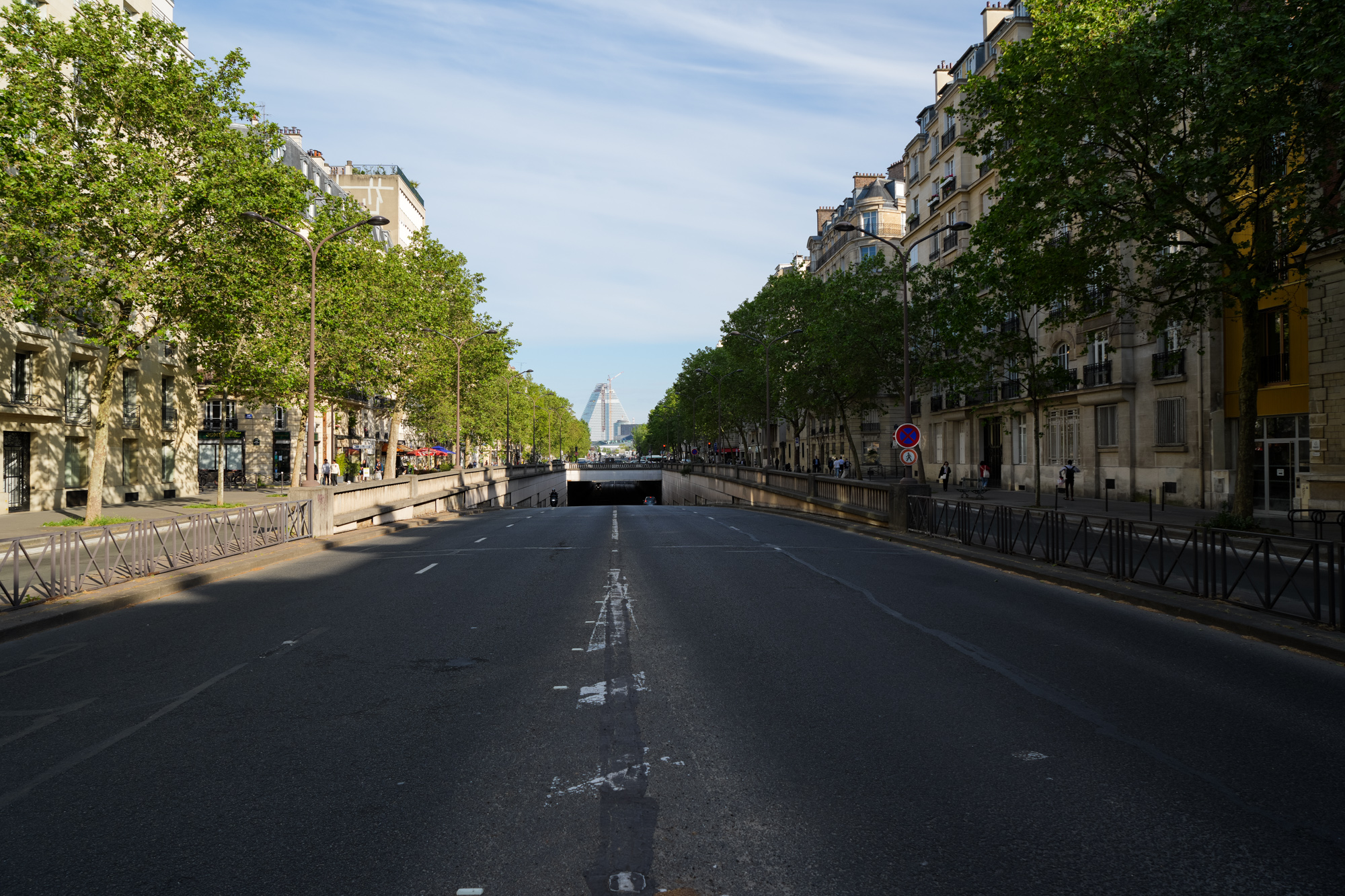
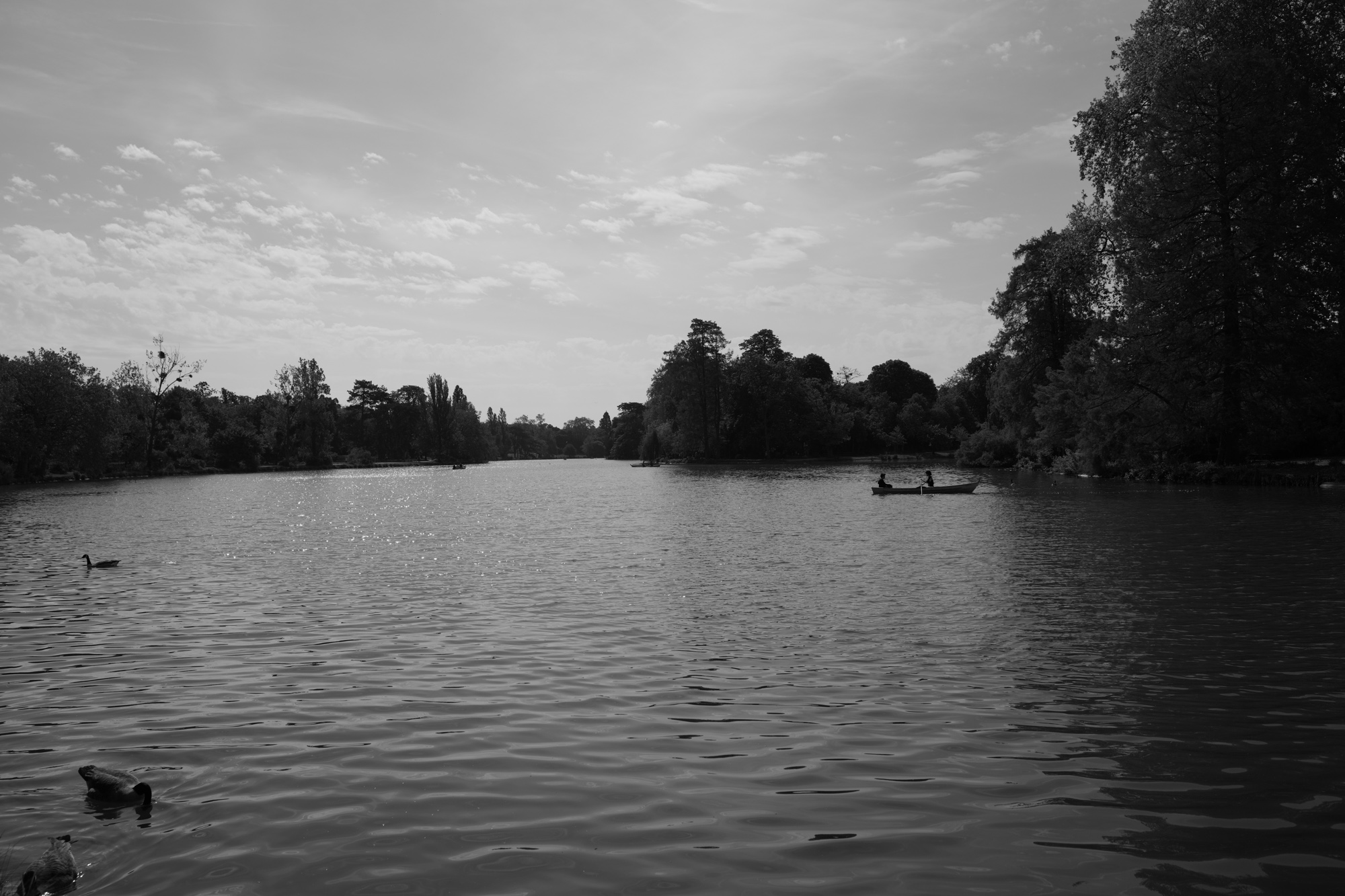
Here is a selection of photos taken with the Sony A7R VI:



















8K 30p and 4K 120p video without crop, or almost
Video is not the strongest point of the R series, where the high resolution often limits things to studio work and very static scenes. With the stacked sensor, you can now consider the A7R VI more seriously, even if Sony doesn’t offer the most ambitious camera on the market on this front.
The body keeps 8K UHD at maximum, oversampled for the occasion from 8.2K, but still in MP4 (no ProRes or internal RAW). For its part, the frame rate climbs to 30 fps, versus 24 fps previously. In all cases, capture takes place with a 1.2x crop.
For recording without cropping, you have to switch to 4K, oversampled from 5K, with, as a bonus, a 120 fps slow-motion mode absent from the previous model.
| Mode | Resolution | Frame rate | Oversampling | Crop |
|---|---|---|---|---|
| Full frame | 8K | 30p / 24p | 8.2K | 1.2x |
| Full frame | 4K | 120p / 60p / 30p | 5K | — |
| Super35 mm | 4K | 60p / 30p | 6.3K | 1x |
| Super35 mm | 4K | 120p | 4.6K | 1.4x |
It is also possible to obtain a higher-quality 4K signal, because oversampled from 6.3K, but you then have to switch to Super35 mm mode (1.5x crop). A 4K 120 fps mode in Super35 is also available, with an additional 1.4x crop.
Via the HDMI Type A port, it is also possible to obtain a ProRes RAW 3.8K 16-bit signal with a compatible recorder (such as an Atomos Ninja). Good news for pro videographers, but we would have preferred to have ProRes internally, as at Canon, Panasonic or Nikon.

On the video image quality side, the A7R VI delivers very detailed footage, with convincing sharpness and contrast. The rolling shutter, long problematic on the R series, is well controlled, except in extreme cases, which demonstrates the effectiveness of the stacked sensor (even without DRAM). You can thus imagine filming handheld in 8K with the body, something that was the stuff of fantasy with previous generations. Better still, the phenomenon shows itself to be even more limited by lowering the resolution.
Sony introduces a new Dual Gain function here. By combining two gain levels within the sensor, you extend the dynamic range in low light and noise is visibly reduced. Gradients are smoother, the shadows better preserved. A precious asset in low light, provided you accept its limits:
- 4K only;
- 30 fps maximum;
- ISO capped at 400 (200-3200 in S-Log3);
- reduced battery life;
- slowed sensor readout speed.
Sony therefore recommends reserving Dual Gain for slow-moving subjects: landscapes or posed portraits. A niche function, but one that can hit the mark in certain contexts. A similar option is found in Canon’s cameras with the DGO function, but with fewer constraints.

The A7R VI also inherits the Dynamic Active stabilization mode, more effective than the classic “Active” for moving shots. This manifests itself in a fairly pronounced crop and you’ll need to equip yourself properly with wide-angle lenses. We are quite far from the crop-less stabilization of the Panasonic Lumix.
Sony finally adds two functions new to the A7R series:
- the import and display of LUTs to preview the color rendering directly during shooting;
- a tally lamp signaling recording in progress.
The AF subject recognition in video is just as capable as in photo, which is now the norm at Sony.
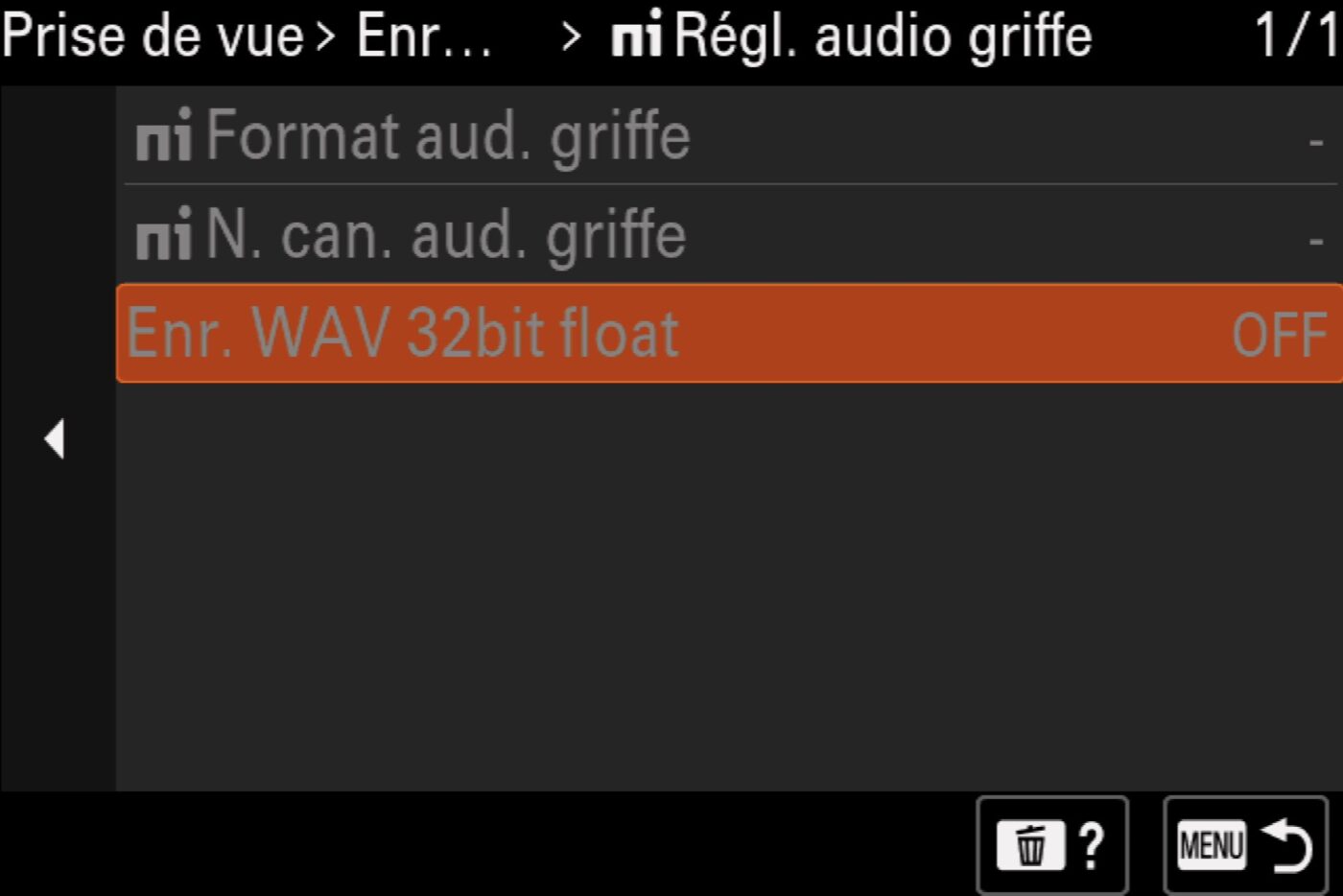
A surprise on the audio front: internal capture has been optimized and the camera can record in 32-bit float. A first for a Sony model, which gets closer here to the standards offered by the best external recorders (or the Panasonic bodies). However, this can’t be done directly internally. You’ll have to use the new XLR-A4 handle, 32-bit float compatible, connected digitally via the accessory shoe.
Despite all these developments, the A7R VI remains a notch below the competing mirrorless cameras in video. Its performance is very convincing for a photo-oriented body, but die-hard videographers will look for 6K or 7K Open Gate, ProRes or internal RAW elsewhere.
Connectivity, storage and battery life
The Sony A7R VI sees its wireless connectivity improved and crosses the threshold of Wi-Fi 6. This should ensure faster pairing and transfer (with compatible tablets and smartphones) via the Creator’s App application. In the field, connection stability improves markedly, particularly in saturated environments.
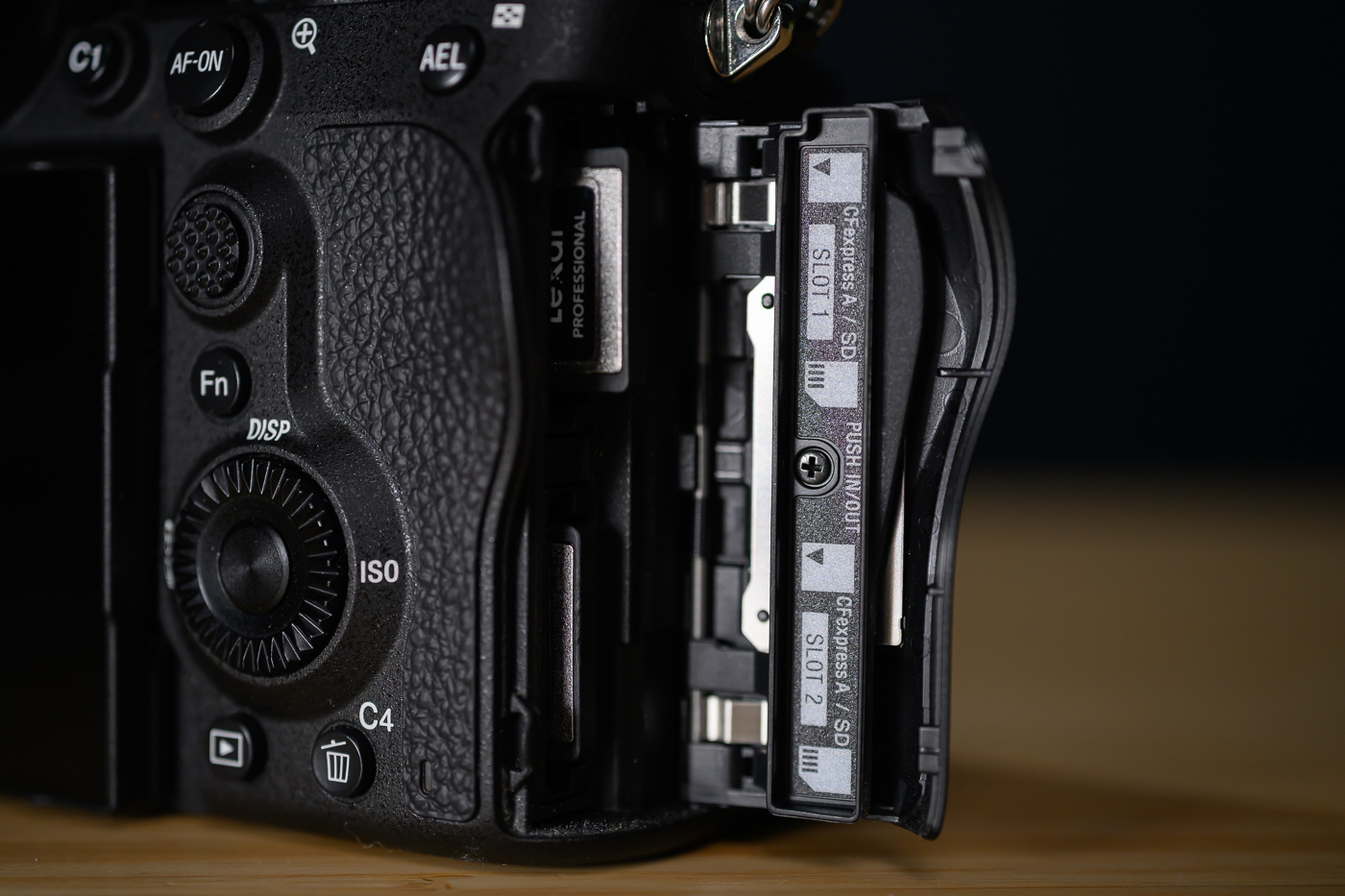
Recording images and videos is done on two slots accepting CFexpress type A and SD UHS-II cards. We can regret that Sony didn’t adopt the CFexpress 4.0 standard, which would have allowed a faster recording speed and probably a less limited buffer.
On the wired connectivity side, the A7R VI carries two USB-C ports (one USB 3.2 Gen2 and one USB 2.0), like the Sony A7 V or the Nikon Z8. Both ports are Power Delivery compatible, essential to use the body and charge it simultaneously. Small downside: you still can’t record directly to an external SSD, a recurring grievance leveled at the three “big ones” (Canon, Sony, Nikon).
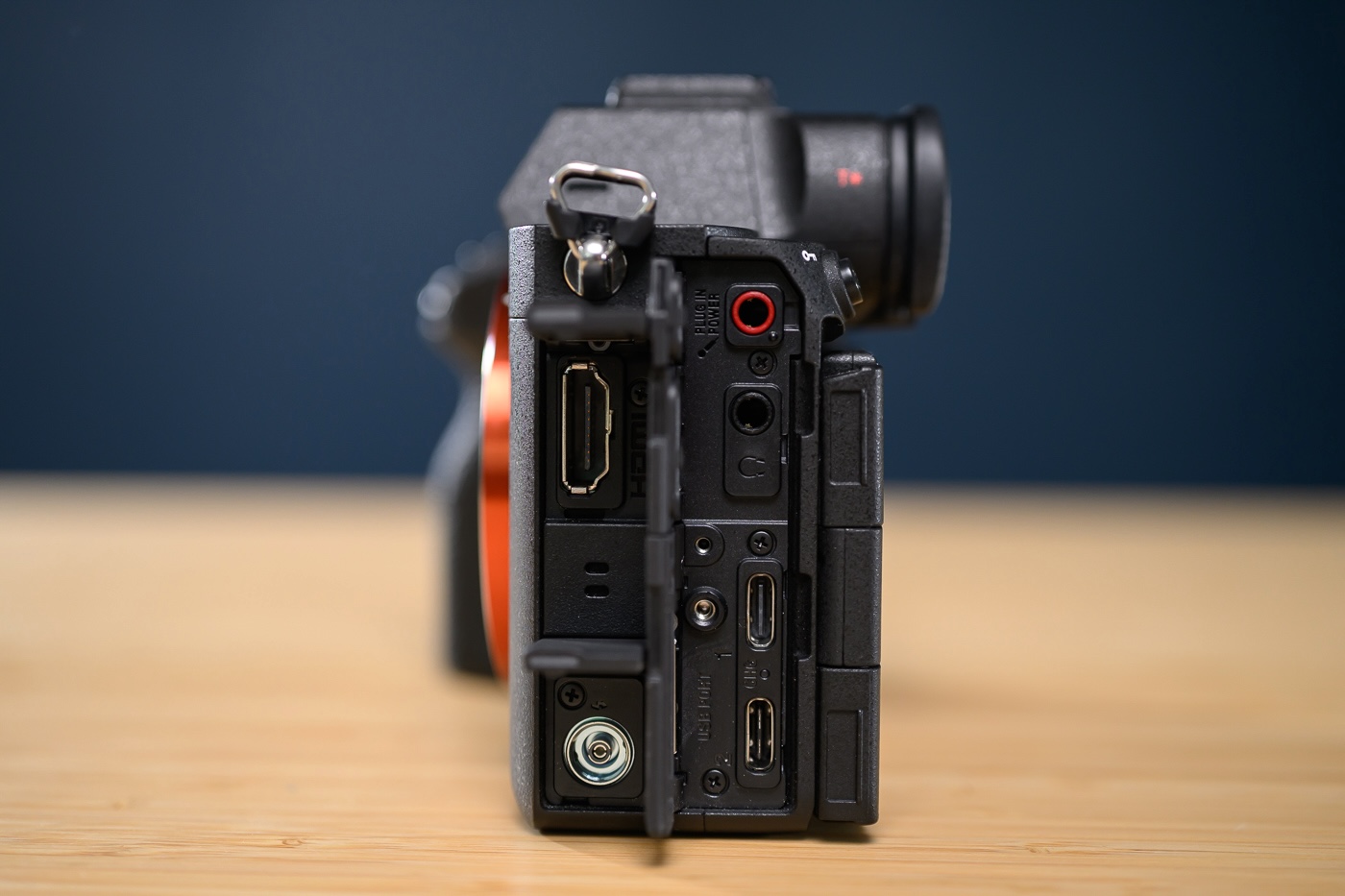
The rest of the connectivity is more classic with an HDMI Type A port, two 3.5 mm jack ports (mic and headphone), a flash sync and an accessory shoe accepting digital microphones.
Finally, the last evolution, the battery has been profoundly modified. While the Bionz XR2 processor allowed the A7 V to be among the most enduring bodies on the market, Sony is said to have reached the limits of the NP-FZ100 launched in spring 2017 with the first A9. The new NP-SA100 battery ($118) sees its capacity increase by 17% to 2670 mAh, versus 2280 mAh previously. It supports fast charging, and the camera includes a menu for checking its state of health.
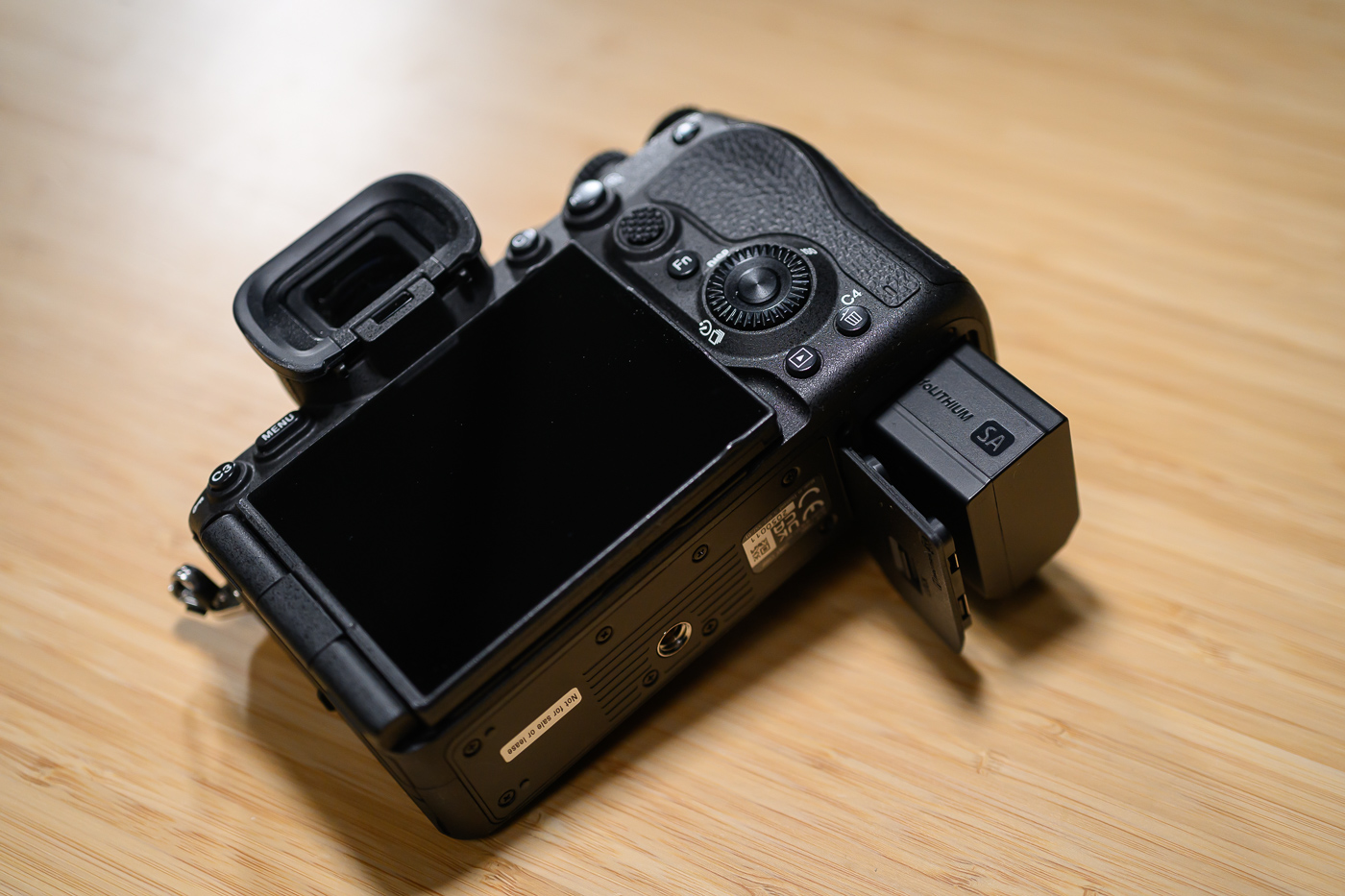
Battery life is announced at 600 shots via the viewfinder, versus 440 with the A7R V. In the field, the improvement is very real: we routinely exceeded 1000 frames on a full battery while alternating between screen and viewfinder. Excellent. In 8K 30p video, the camera managed to fill our 320 GB CFexpress type A card, i.e. about 1 h and 15 minutes, and there was still 35% of battery left at the end. And at no point did an overheating indicator light up.
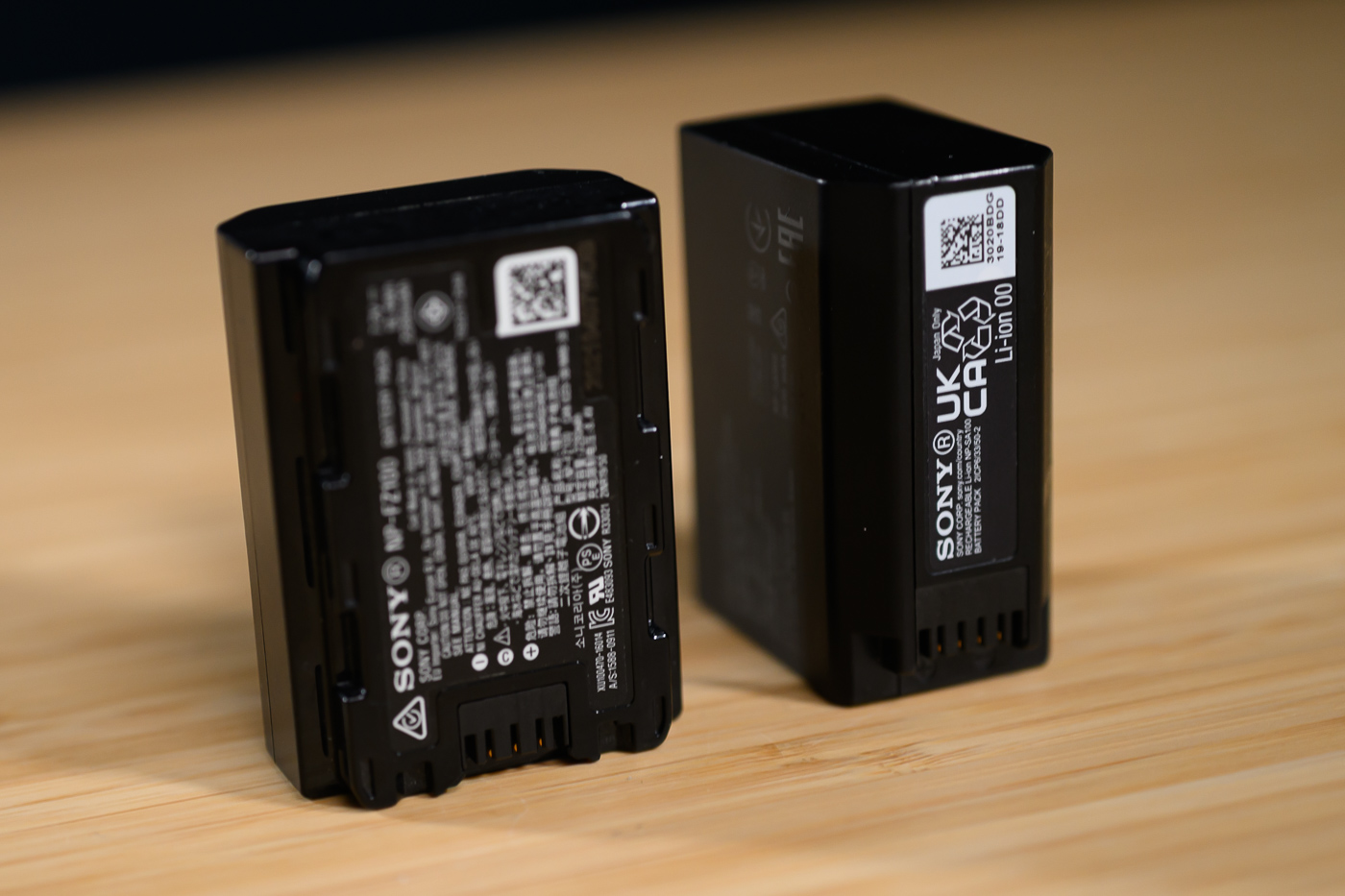
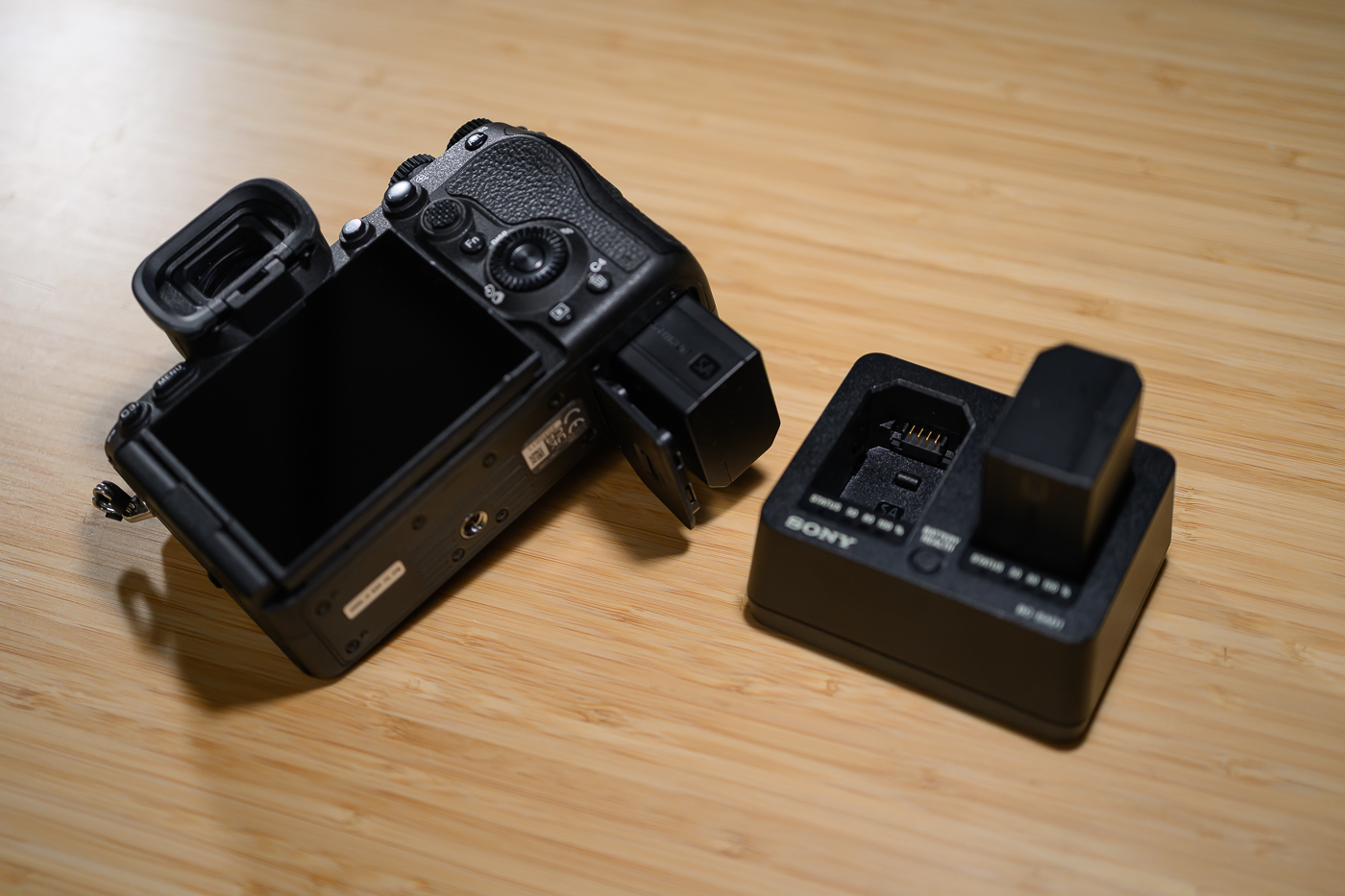
However, this new battery comes with one big downside: it changes format, thus ruining any possibility of backward compatibility with existing batteries, chargers or grips. Enough to make Sony users equipped with several bodies grit their teeth.
Accordingly, Sony markets new chargers and grips to accompany this battery. A break we would have preferred to avoid, but one that was no doubt unavoidable given the body’s new ambitions.
Sony A7R VI: the most versatile high resolution ever released by Sony
With this A7R VI, Sony renews its high-resolution range with brio, long stuck on the 61 Mpx sensor. The body is no longer content to be the expert of landscape and studio: thanks to its new stacked 67 Mpx sensor, its burst boosted to 30 fps and a less timid video mode, it now ventures into the territory of wildlife, reportage and hybrid creation: this is a genuine higher-resolution A7 V, quite simply.
The autofocus, heir to Sony’s latest advances, impresses with its formidable precision. Few cameras can rival it in the field. The viewfinder three times brighter is a success, and the backlit buttons answer a need the brand had ignored for too long. On the image side, the 67 Mpx, the claimed 16-stop dynamic range and the 134 Mpx upscale make this A7R VI an exceptional tool for fans of very high resolution.
Not everything is perfect, however. The rolling shutter is much better controlled than on the A7R V, but it isn’t completely absent. The buffer limited to 60 images in RAW is frustrating in view of an otherwise promising 30 fps burst. The change of battery format, which sacrifices backward compatibility, will also get tongues wagging.
And the video, despite 8K and 32-bit float sound, retains a few compromises (crop tied to stabilization, no Open Gate, no internal RAW or ProRes). These few points show that Sony did not want (or could not) push all the sliders to the maximum.
That leaves the question of price: at $4,498, the A7R VI sits $500 above its predecessor released in 2022. An increase that is expected given the new features, and that establishes a more marked separation from the competition. Waiting in the wings, the Nikon Z8, Panasonic Lumix S1R II and other Canon EOS R5 Mark II also have fine cards to play, even if the undeniable appeal of this stacked 67 Mpx sensor should not be underestimated.
The Sony A7R VI is available at the price of $4,498.