

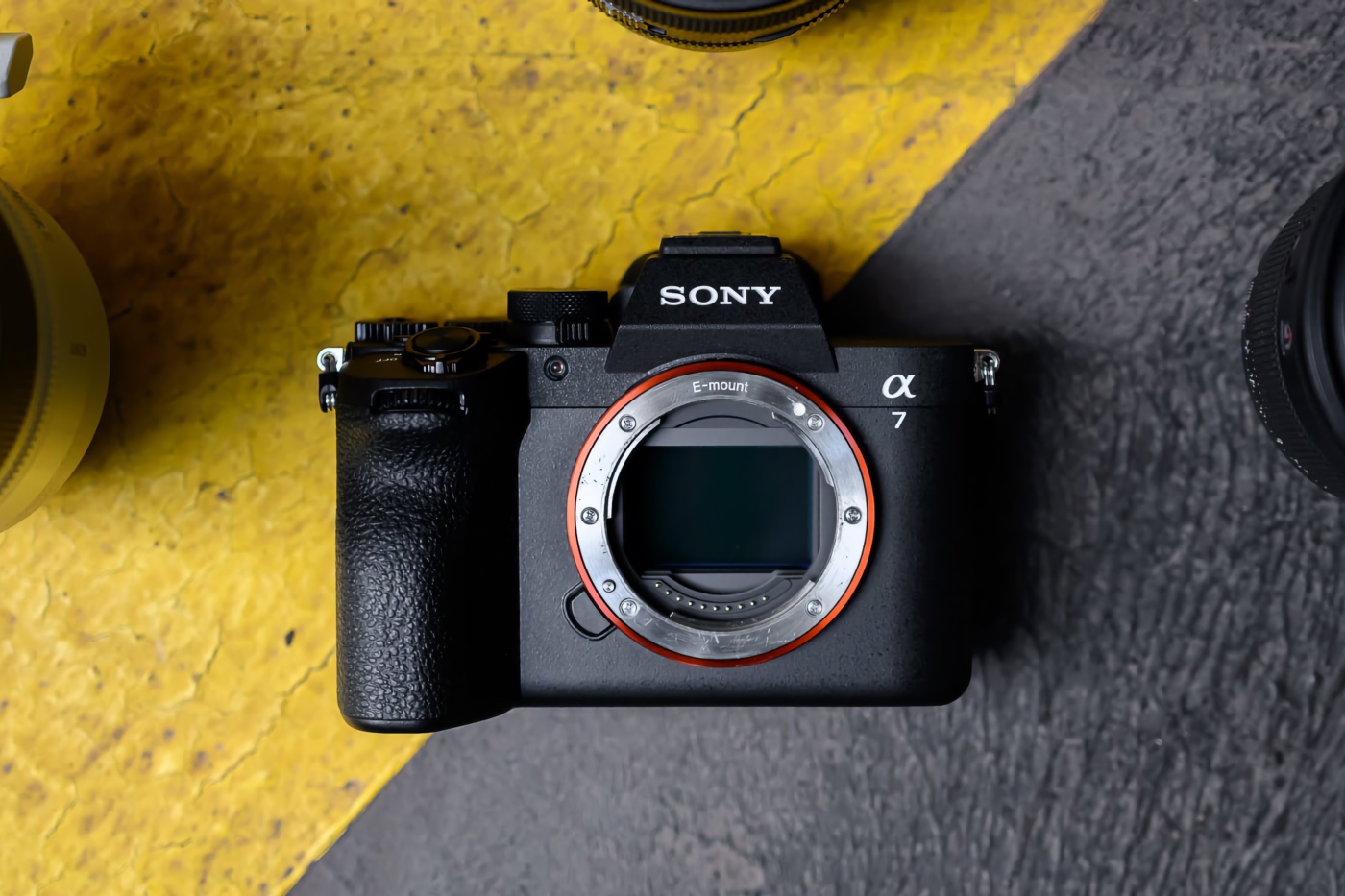

Unveiled in December 2025, the Sony A7 Vmarks a major update to the brand’s most versatile full-frame mirrorless camera.
While its design remains very close to that of the A7 IV, the improvements are very real: a new partially stacked 33 MP full-frame sensor, 30 fps burst rate, a brand-new processor with AI capabilities, a boosted autofocus, and an advanced articulating screen.
On the video side, the A7 V now offers 4K at 60 fps without crop, a welcome asset for videographers – even if competitors are already pushing for higher resolutions or Open Gate recording.
This is a body that targets photographers and video creators alike, without fundamentally changing its philosophy. Will Sony make this A7 V its new best-seller? The answer in our full review of the Sony A7 V.

Sommaire
- Sony A7 V, the anticipated bestseller?
- Ergonomics and handling
- Performance and image quality
- Autofocus, tracking, and responsiveness
- Burst and buffer
- Rolling shutter
- Stabilization
- Video: 4K 60 fps without crop, or almost
- Connectivity, storage, and battery life
- Sony A7 V: nearly unbeatable for stills, more cautious for video
Sony A7 V, the anticipated bestseller?
At Sony, the “standard” A7 line has always been synonymous with versatile bodies, bringing together the essentials of Sony’s technology while reserving the most advanced features for the A7R, A7S, A1, or A9 lines.

That said, this hasn’t stopped the series from being both successful and acclaimed. The A7 III was, for many, the mirrorless camera that buried DSLRs. As for the Sony A7 IV, it has regularly topped global camera sales since its 2021 launch.
To say that the Sony A7 V was eagerly awaited would be an understatement. Moreover, since the A7 IV’s release, the full-frame mirrorless market has evolved significantly, and competitors have reached maturity.
Indeed, facing the Nikon Z6 III, Panasonic Lumix S1 II, and Canon EOS R6 Mark III, the Sony A7 IV was starting to show its age – especially in video, a key area in 2025.
Sony had to respond. Some were concerned, particularly about the sensor, as the brand has a habit of only renewing it every other generation. While the A7 IV’s 33 MP sensor delivered solid performance for general photography, its relatively slow readout speed made it poorly suited for action photography, and even less so for video.
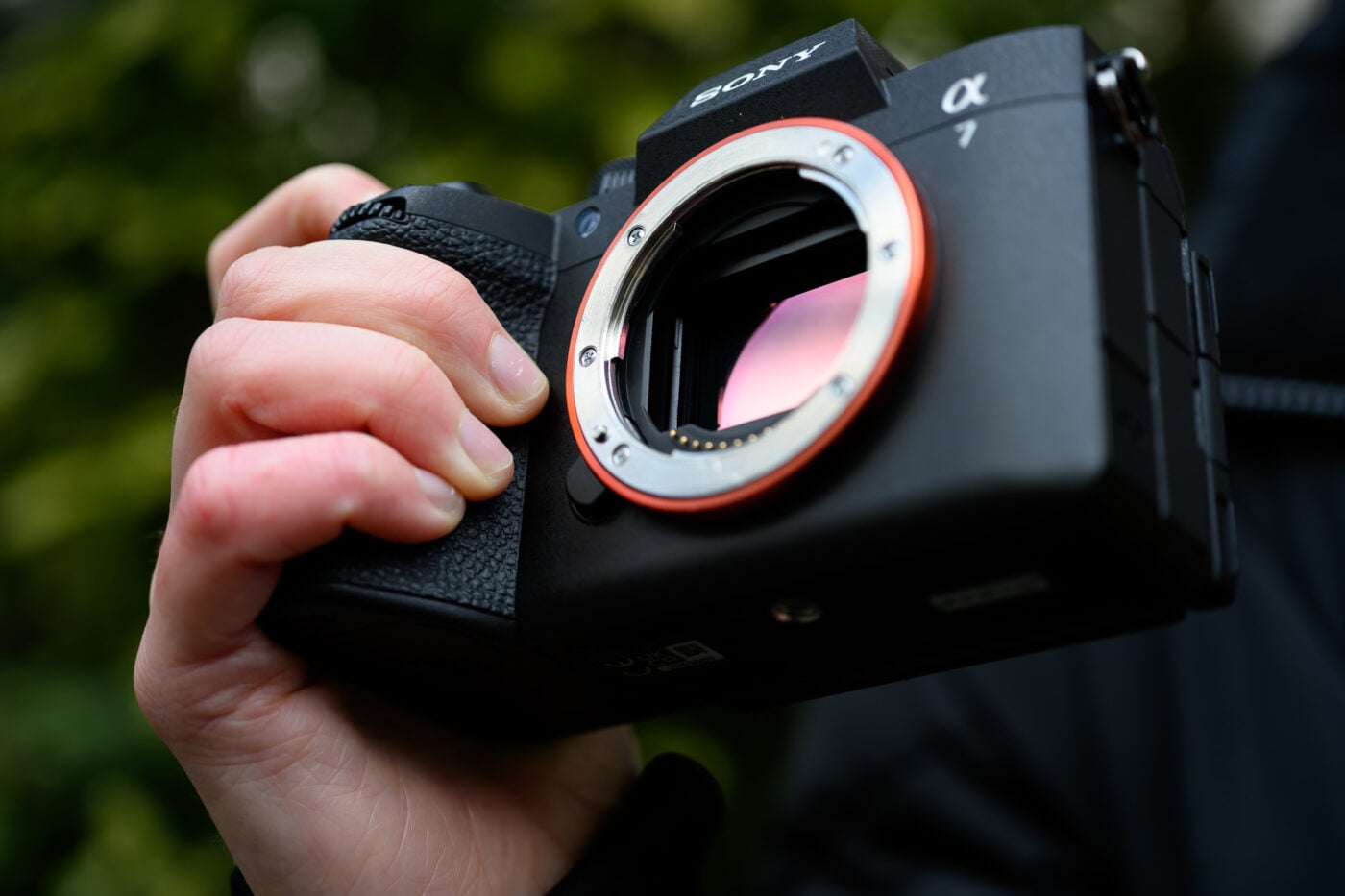
Clearly aware of these limitations, Sony opted for a 33-megapixel back-illuminated full-frame sensor using a partially stacked architecture. This design significantly improves readout speedwhile maintaining high image quality and an even wider dynamic range, according to the manufacturer.
Similar sensors are found in the Nikon Z6 III (and by extension the ZR) and the Lumix S1 II – 24 MP chips already manufactured in Sony’s own factories. On the processing side, image handling is performed by the new Bionz XR2 processor, which integrates artificial intelligence capabilities.
With the electronic shutter, the body now achieves a burst rate of 30 frames per second with AF tracking and 14-bit RAW recording. A pre-capture mode is also available, recording a few frames before the shutter button is fully pressed. Here, the Sony A7 V catches up with the competition, and the body becomes the first Sony camera to exceed 10 fps in burst mode outside the A1 and A9 lines – a true “revolution.”
The sensor-shift stabilization (IBIS) is rated for 7.5 stops of compensation, helping to ensure sharp handheld shots in low-light conditions.

For video, the Sony A7 V records in “standard” 4K up to 60 fps without crop. In the absence of higher-resolution formats, it’s also possible to select oversampled 4K 60 fps from 7K, but with a slight crop. While less pronounced than on the A7 IV (around 1.5x), this is less impressive than rivals that go as far as offering Open Gate recording and internal RAW. Some may find solace in the 4K 120 fps capture, but here too with a significant crop.
Ergonomics-wise, the only real novelty is the 3.2-inch screen, now featuring a 4-axis articulation: it can be tilted vertically and laterally while retaining a full side-opening rotation. A very practical mechanism already found on Sony mirrorless cameras since the A7R V.
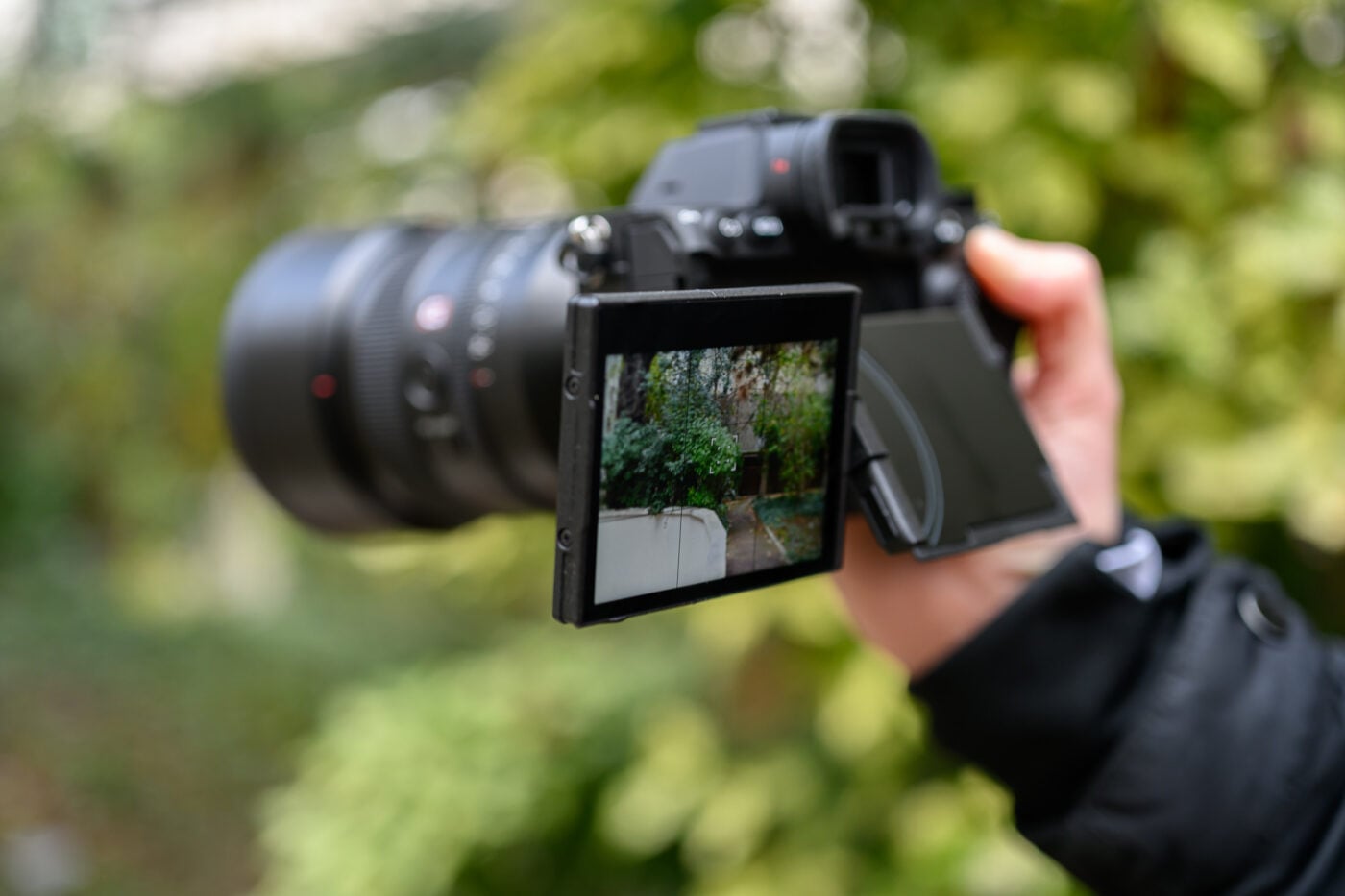
With these specs, the Sony A7 V seems ready to reclaim its title as the ultimate versatile camera. On paper, it’s equally at home with everyday photography as it is for sports or wildlife, while its video features make it a credible partner for today’s videographers. But since the A7 IV in 2021, the market has become more crowded and the competition much fiercer.
Here is a comparison table of the features of the Sony A7 V and Sony A7 IV:
| Sony A7 V | Sony A7 IV | |
|---|---|---|
| Capteur | 24x36 Exmor RS BSI 33 Mpx semi-empilé | 24x36 Exmor R BSI 33 Mpx |
| Filtre passe-bas | non | non |
| Processeur | 1x Bionz XR2 | 2x Bionz XR |
| Viseur électronique | OLED de 3,68 Mpts, 0,78x | OLED de 3,68 Mpts, 0,78x |
| Ecran LCD | 3 pouces, 2,095 Mpts, orientable et inclinable | 3 pouces, 1,04 Mpts, orientable |
| Autofocus | AF hybride à détection de phase + contraste | AF hybride à détection de phase et contraste |
| Nombre de points AF | 759 points AF | 759 points AF |
| Couverture AF | 94 % | 94 % |
| Plage AF | -4 à 20 EV | -4 à 20 EV |
| Sensibilité | 100-51 200 ISO (extensible de 50 à 204 800 ISO) | 100-204 800 ISO (extensible à 50 ISO) |
| Obturateur | mécanique et électronique | mécanique et électronique |
| Rafale (obturateur mécanique) | 10 i/s | 10 i/s |
| Rafale (obturateur électronique) | 30 i/s | 10 i/s |
| Pré-capture | oui, 1 s | non |
| Mode haute résolution | oui, upscale en externe 130 Mpx | non |
| Obturation mécanique | 30 s – 1/8000 s | 30 s - 1/8 000 s |
| Obturation électronique | 30 s – 1/16 000 s | 30 s – 1/8000 s |
| Stabilisation, gain | oui, 7,5 stops | oui, 5,5 stops |
| Vidéo | 4K UHD 60 fps (crop 1,2x) + 4K UHD 120 fps (crop 1,5x) | 4K UHD 60 fps (crop 1,5x) |
| Profils colorimétriques vidéo | 12 Film looks, S-Log 3, S-Cinetone | 10 Film looks, S-Log 3, S-Cinetone |
| Stockage | 1x slot SD UHS-II + 1x slot CFexpress type A/SD | 1x slot SD UHS-II + 1x slot CFexpress type A/SD |
| Connectivité sans-fil | Wifi 2,4, 5 et 6 Ghz, Bluetooth 5.0 Low Energy | Wifi 2,4 et 5 Ghz, Bluetooth 5.0 Low Energy |
| Connectivité filaire | USB-C 3.2 Gen2, USB-C 2.0, HDMI Type A, prises micro + casque 3,5 mm | USB-C, microUSB, HDMI Type A, prises micro + casque 3,5 mm |
| Batterie | NP-FZ100 (750 / 630 vues) | NP-FZ100 (610 / 520 vues) |
| Rechargement par port USB | Recharge et alimentation directe USB-C | Recharge et alimentation directe USB-C |
| Tropicalisation | Oui, 0-40 °C | Oui, 0-40 °C |
| Dimensions (L x H x P) | 130 x 96,4 x 82,4 mm | 131,3 x 96,4 x 79,8 mm |
| Poids (batterie + SD inclus) | 695 g | 658 g |
| Prix au lancement | 2999 € (décembre 2025) | 2799 € (décembre 2021) |
Ergonomics and handling
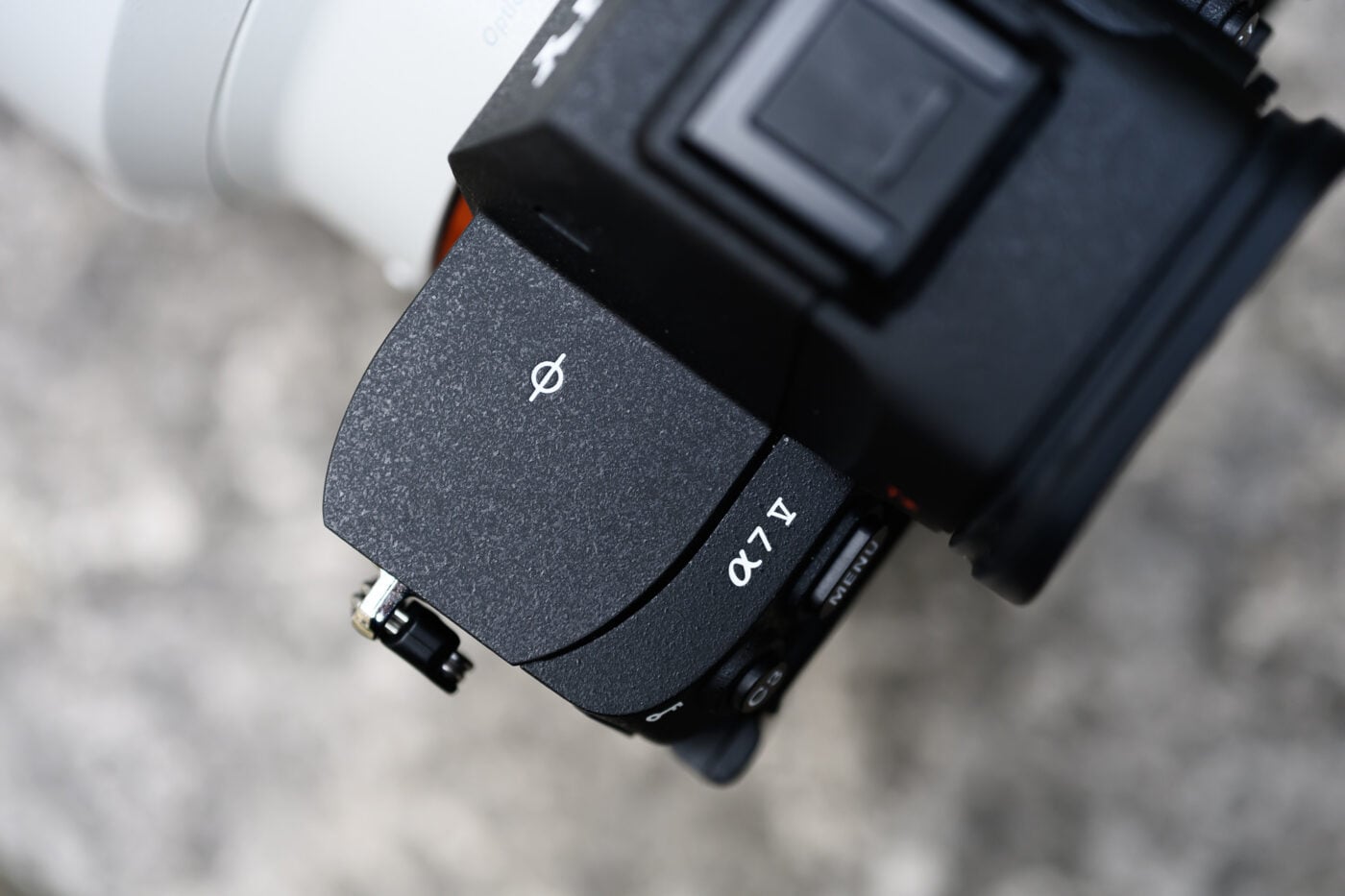
At first glance, it’s nearly impossible to tell the Sony A7 V apart from its predecessor. If not for the small “V” logo on the left shoulder, you’d think you were holding an A7 IV. Yet the devil is in the details – namely, the screen.

Indeed, the A7 V adopts the tilt-and-swivel monitor introduced with the A7R V (3.2 inches and 2.095 Mdots). A very practical screen for expanding your compositional options that has won over both photographers and videographers. It’s a welcome addition to the A7 V.
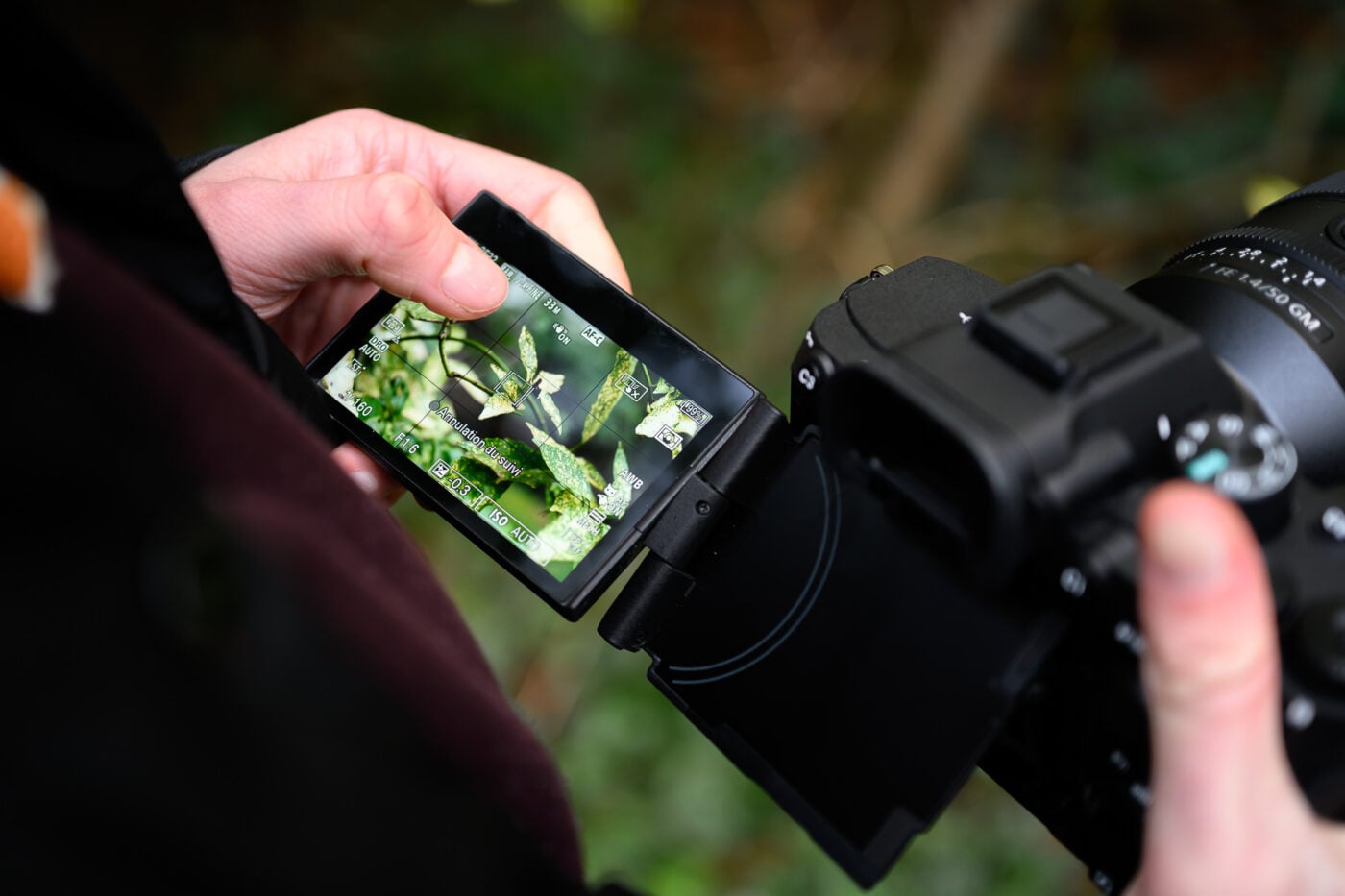
Otherwise, at 13 cm wide, 9.6 cm tall, and 8.2 cm deep, the form factor remains close to both the A7 IV and A7R V, with a deep, comfortable grip that provides a secure hold. Sony says it has reworked the grip curvature compared to the A7 IV to optimize handling, but we must admit the difference is imperceptible.
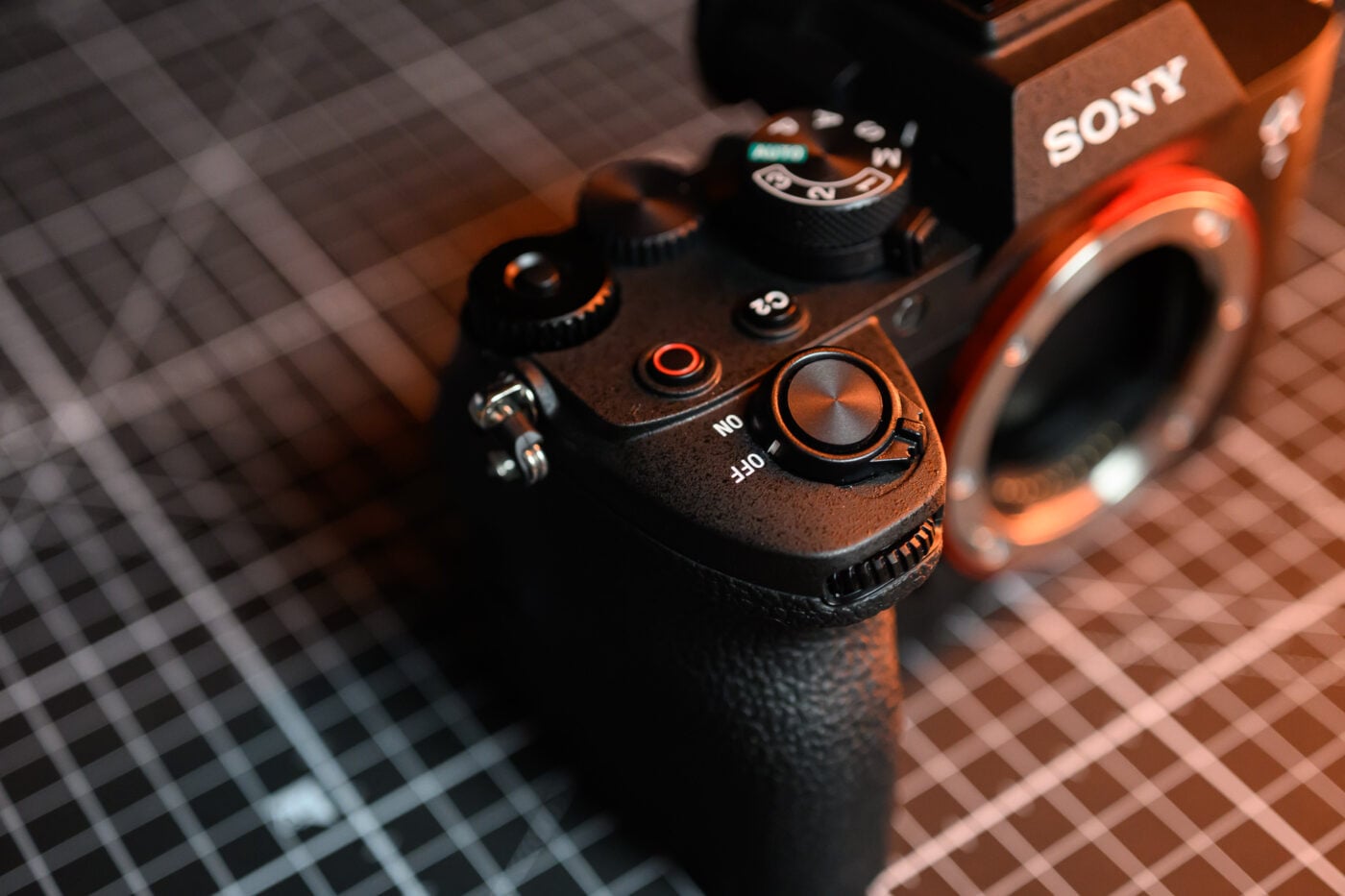
Some would also have liked Sony to opt for a more modern design, inspired by that of the A9 III or A1 II. At 795 g, the A7 V is 40 g heavier than the A7 IV, perhaps due to the dual hinge on the screen, but this only marginally affects the camera’s size.
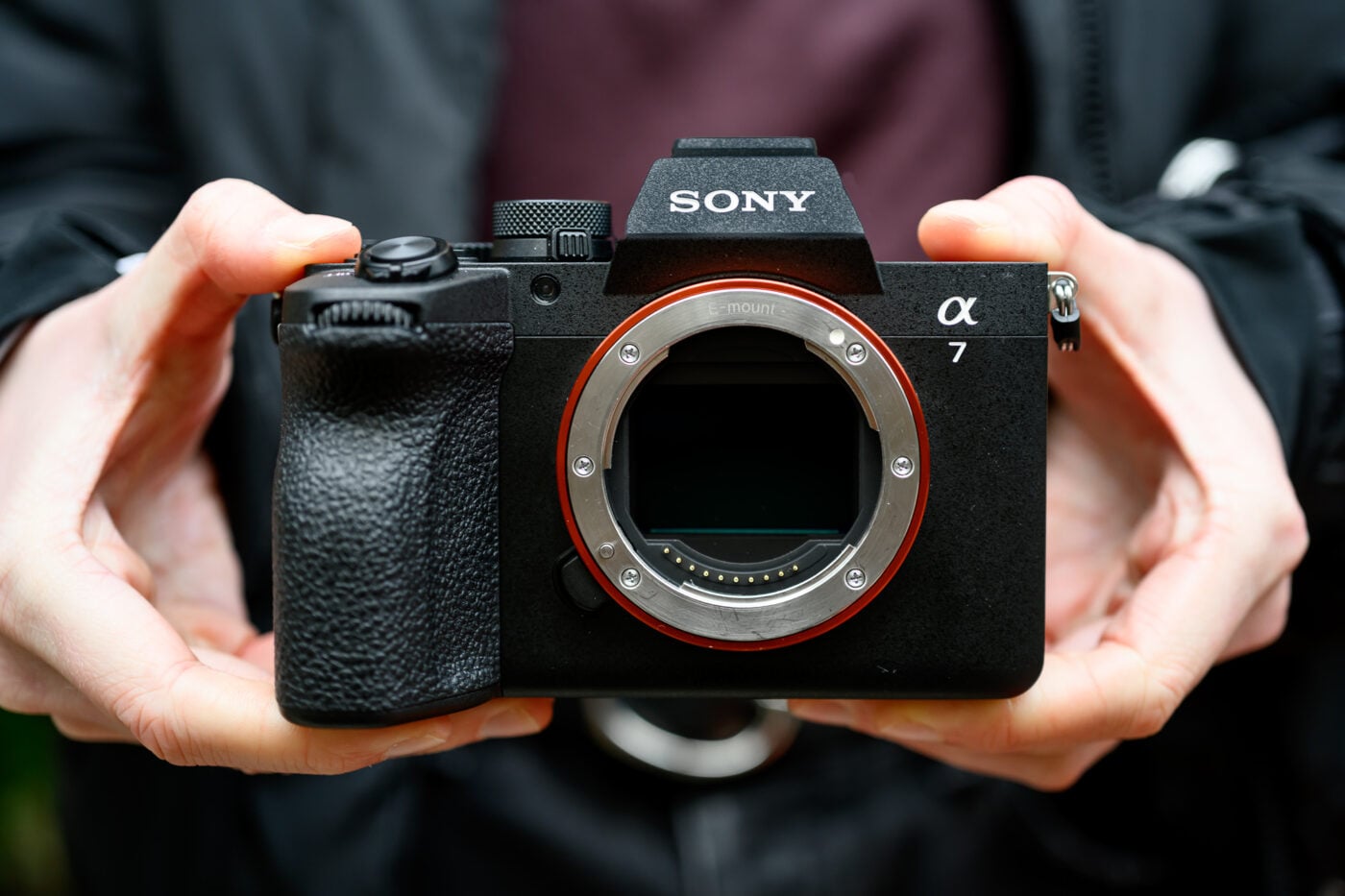
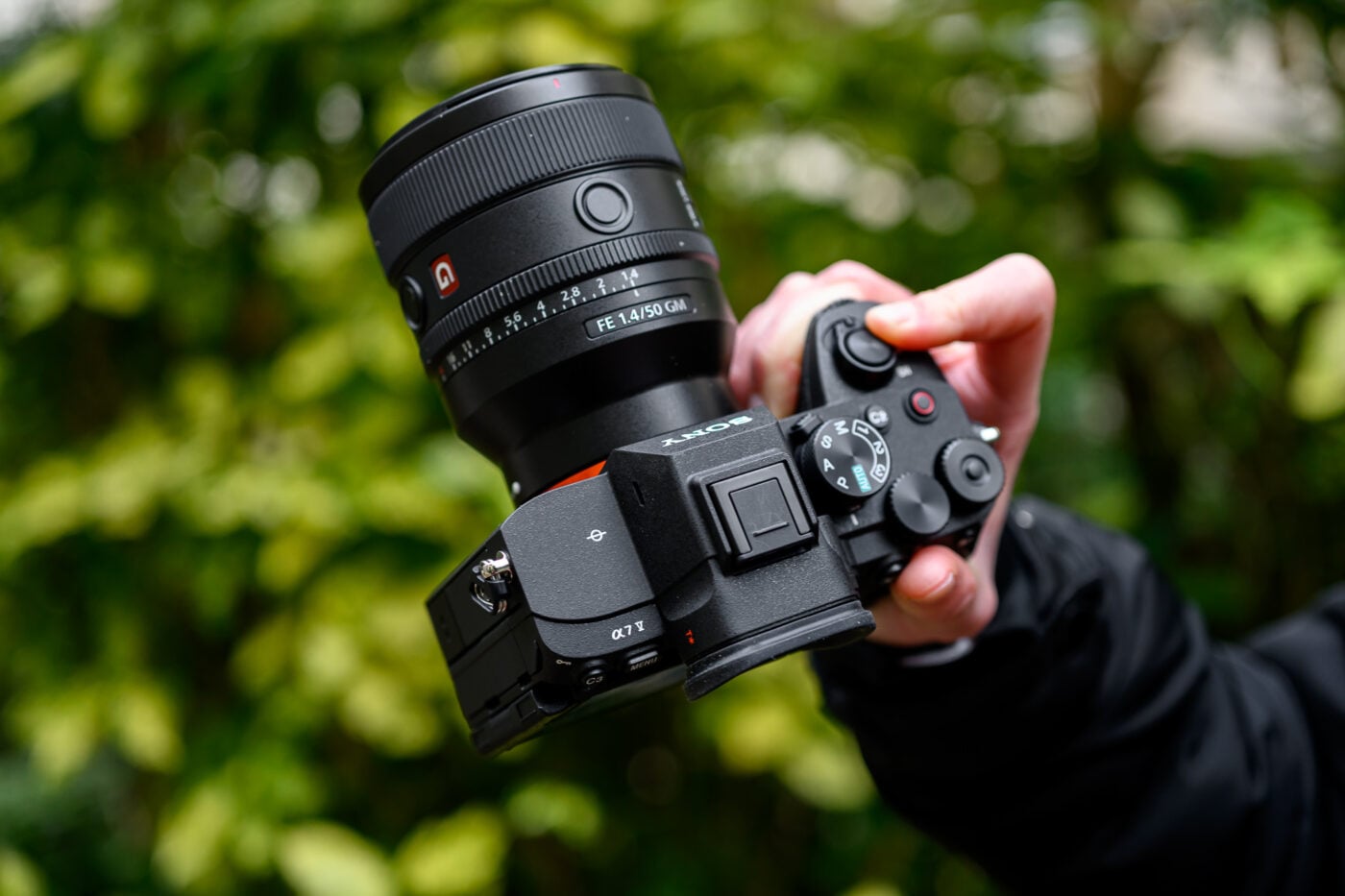
The controls remains familiar for Sony users:
- dual command dials (front and rear);
- customizable exposure compensation dial;
- photo / video / slow-motion switch;
- selection joystick;
- Fn quick-access button;
- dedicated REC button;
- 4 Custom buttons;
- clickable control wheel.
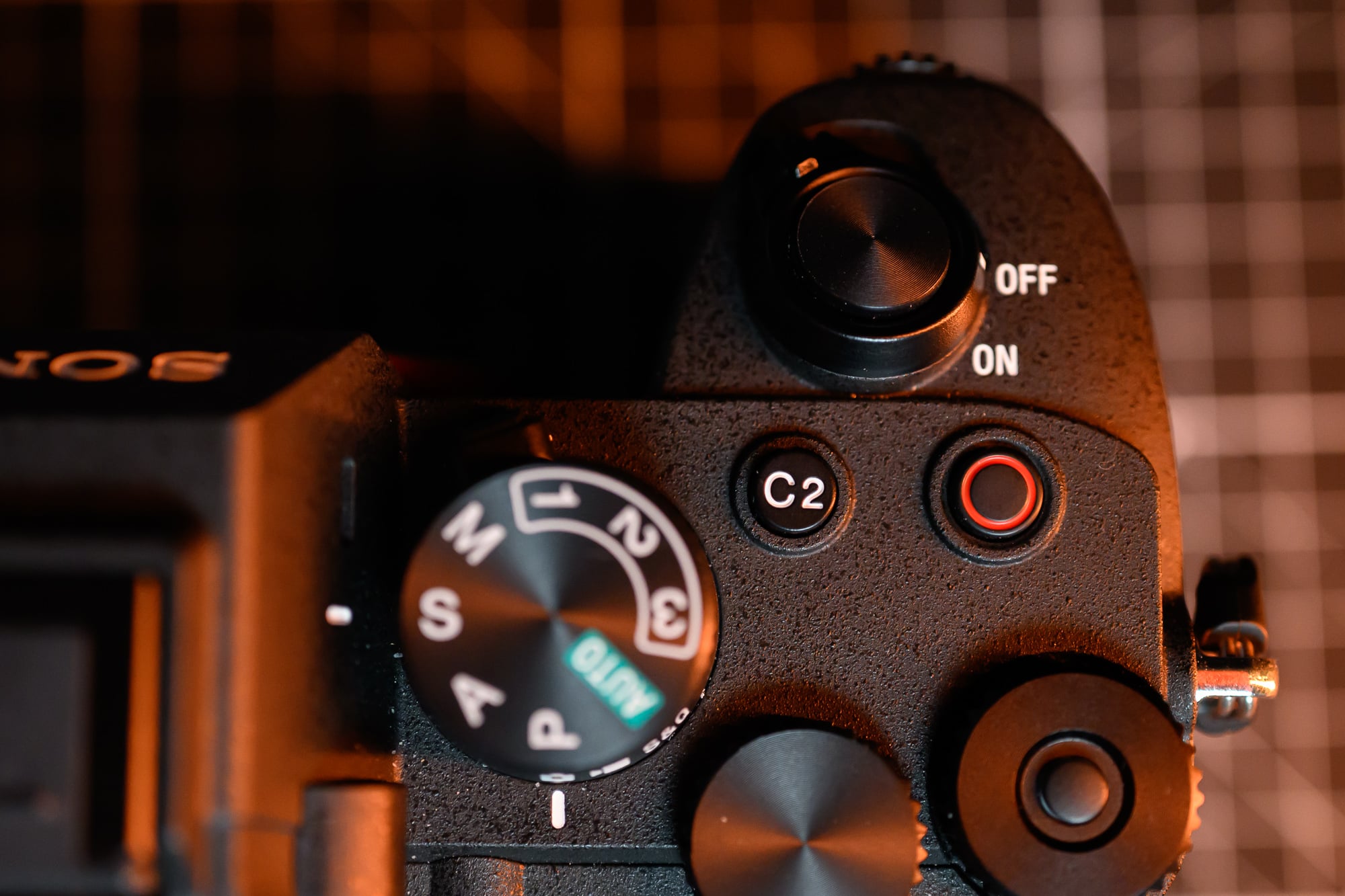

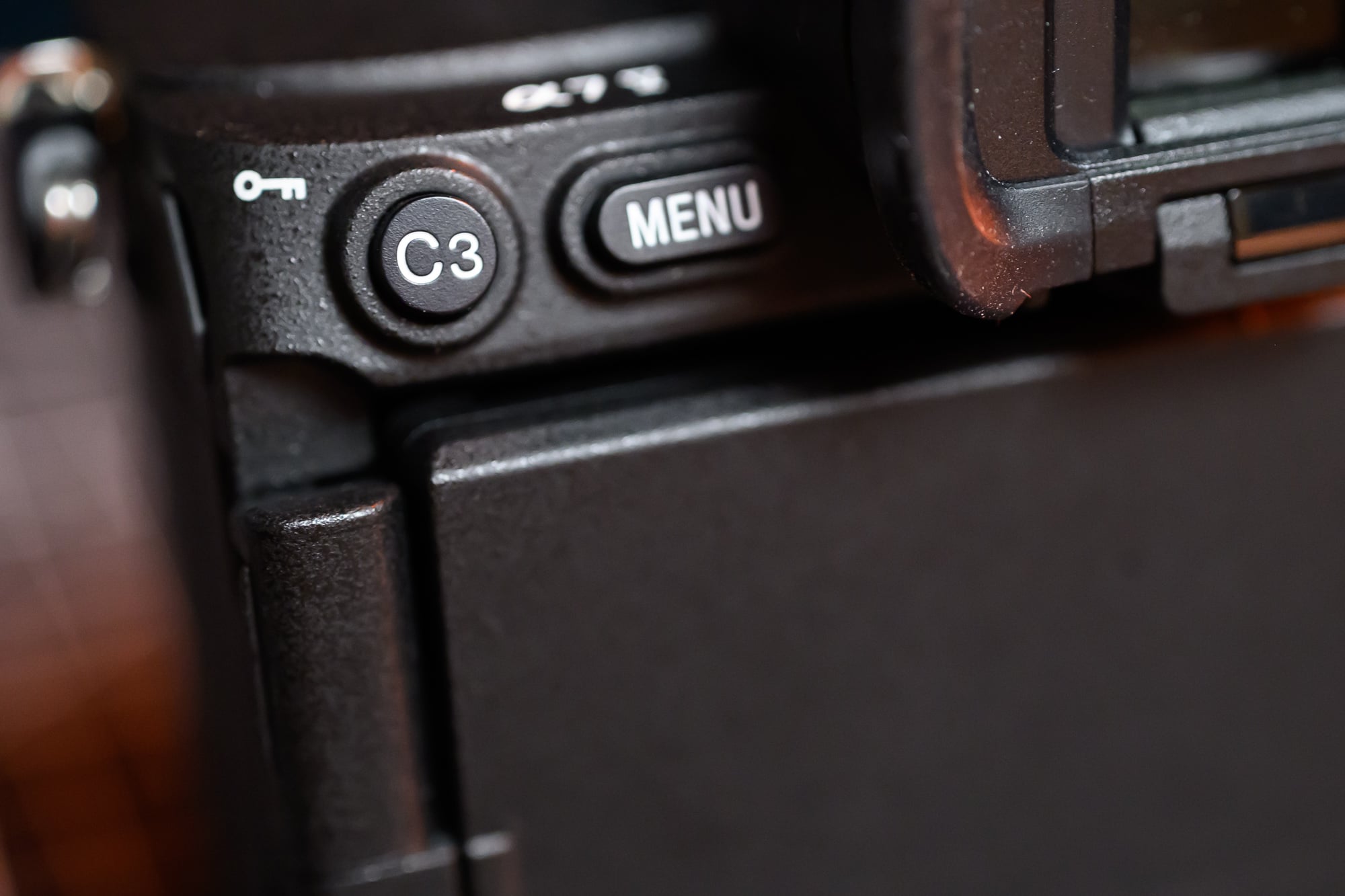

The ergonomics prioritize consistency over adding new physical controls. For instance, while a burst boost mode is available, Sony chose not to add an extra button on the front, leaving the other programmable buttons to fill that role.
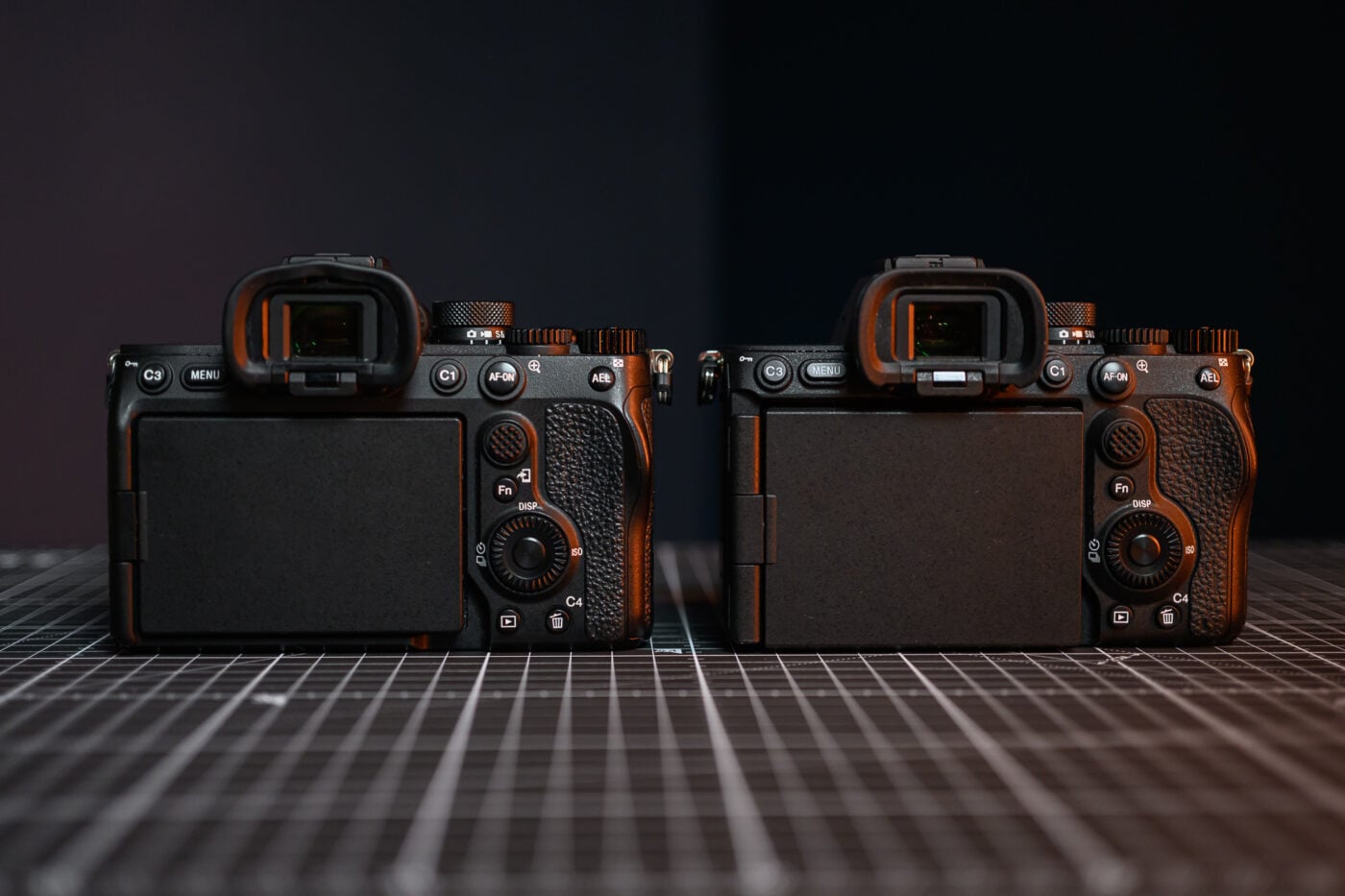
Along the same lines, the electronic viewfinder hasn’t changed one bit, retaining a resolution of 3.68 Mdots (0.78x magnification) – fairly standard for a body under $3,000.

It delivers a fairly sharp and detailed image. Its high 120 Hz refresh rate improves fluidity when tracking fast-moving subjects. It could have been a touch brighter, like what Nikon offers with its Z6 III.
The body’s weight is well distributed and it remains compact for a full-frame camera. Paired with a lightweight lens like the FE 50mm f/2.5 G, it stays discreet. Even fitted with a more imposing lens such as the FE 70-200mm f/2.8 GM II OSS, the handling remains comfortable.
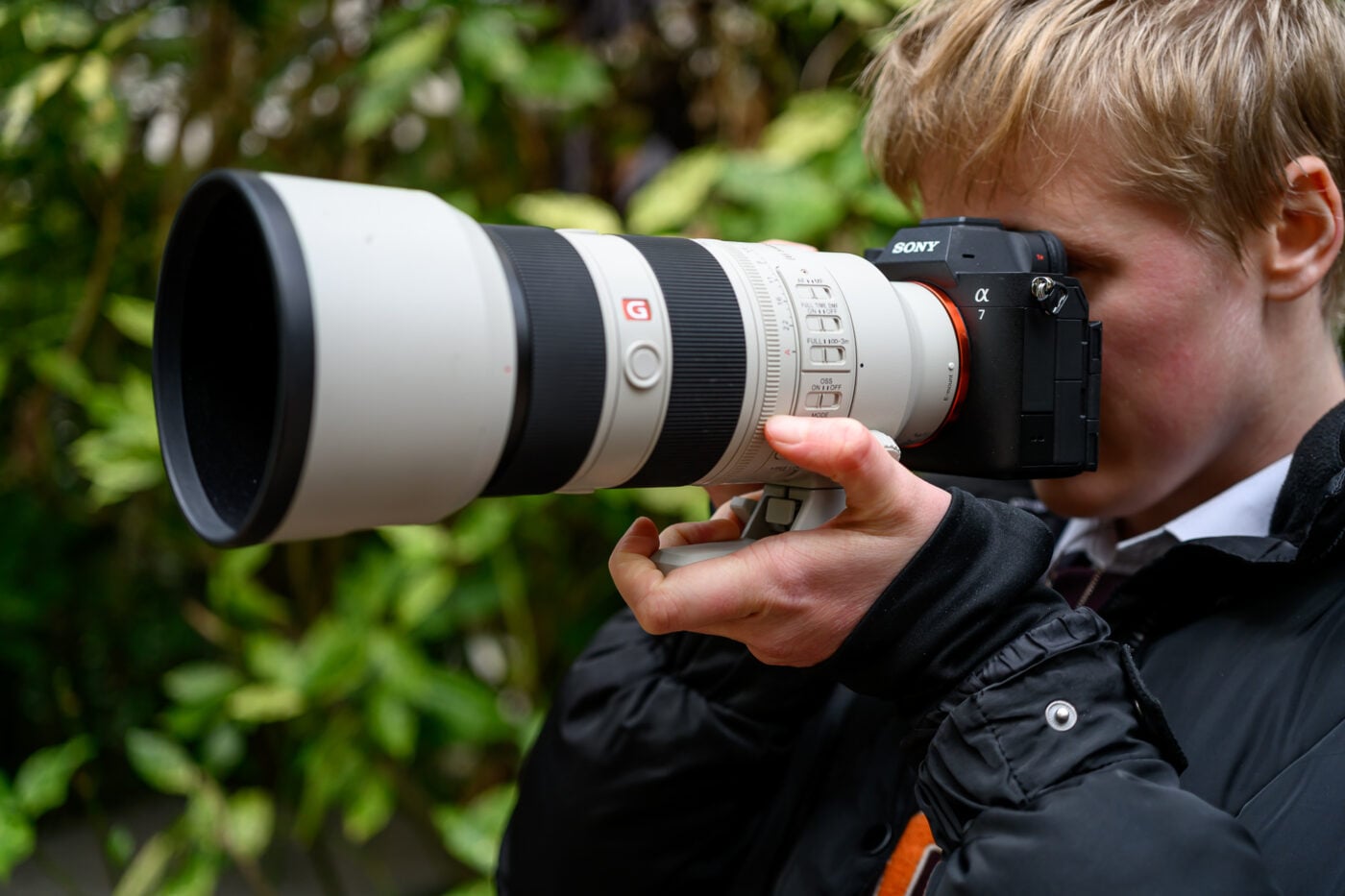
Of course, with a less discreet optic such as the Sony FE 300mm f/2.8 GM OSS, or worse, the Sigma 300-600mm f/4 DG OS Sports, a battery grip is the bare minimum. Good news: it’s the same grip as for the A7 IV and A1.
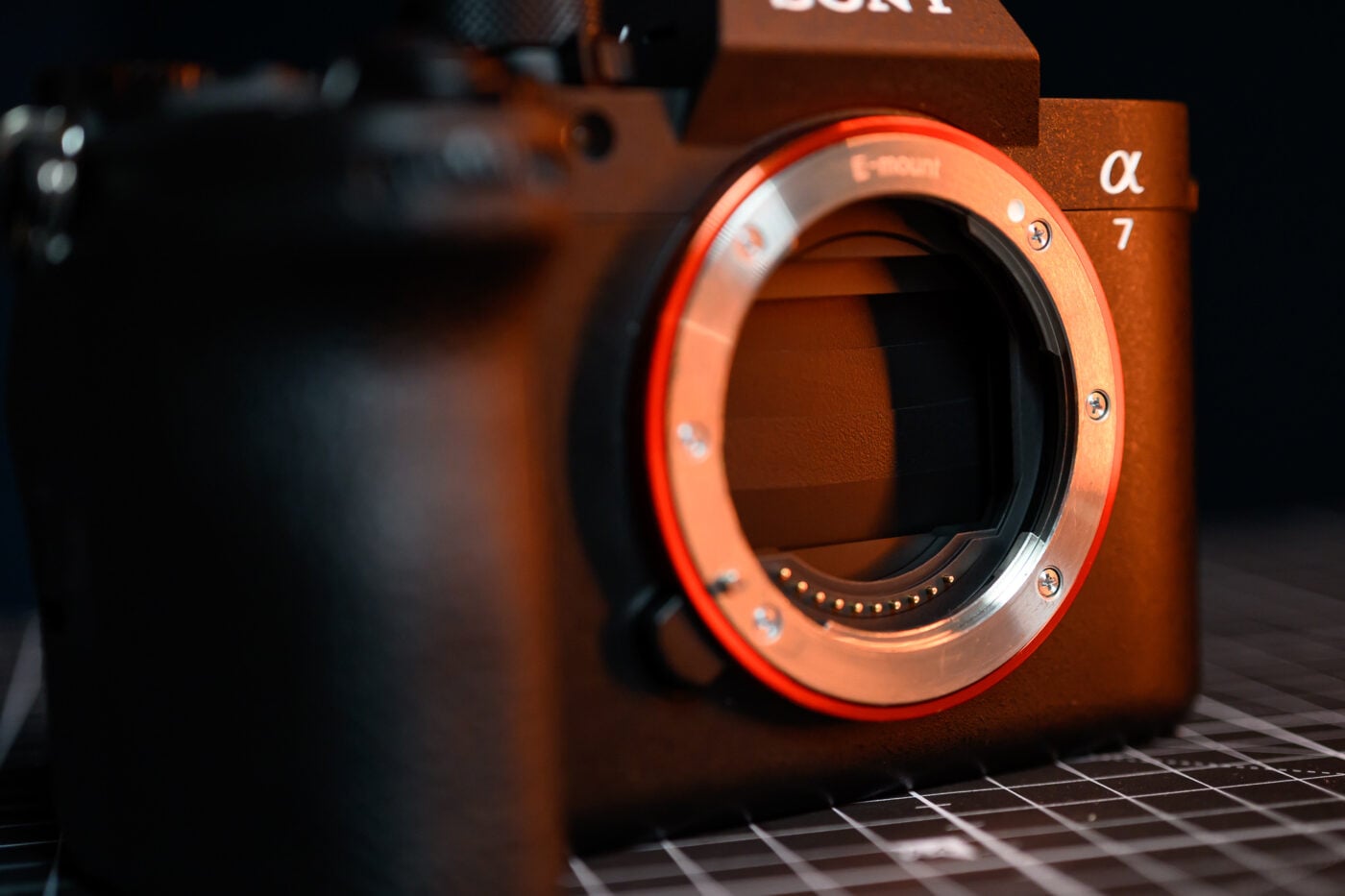
The materials used inspire confidence. The magnesium alloy chassis and weather sealingprovide solid resistance to dust and moisture for outdoor use in reasonable conditions. To protect the sensor, you can enable shutter curtain closure at power-off. Speaking of the shutter, its sound is much softer than on the A7 IV, which had a very sharp and loud shutter click.
Performance and image quality
The main upgrade on the A7 V is its new partially stacked 33 MP Exmor RS sensor. While the resolution stays at 33 MP, the sensor features a “partially stacked” structure, with the electronic circuitry, including the analog-to-digital converter, positioned both above and below the pixel layer.
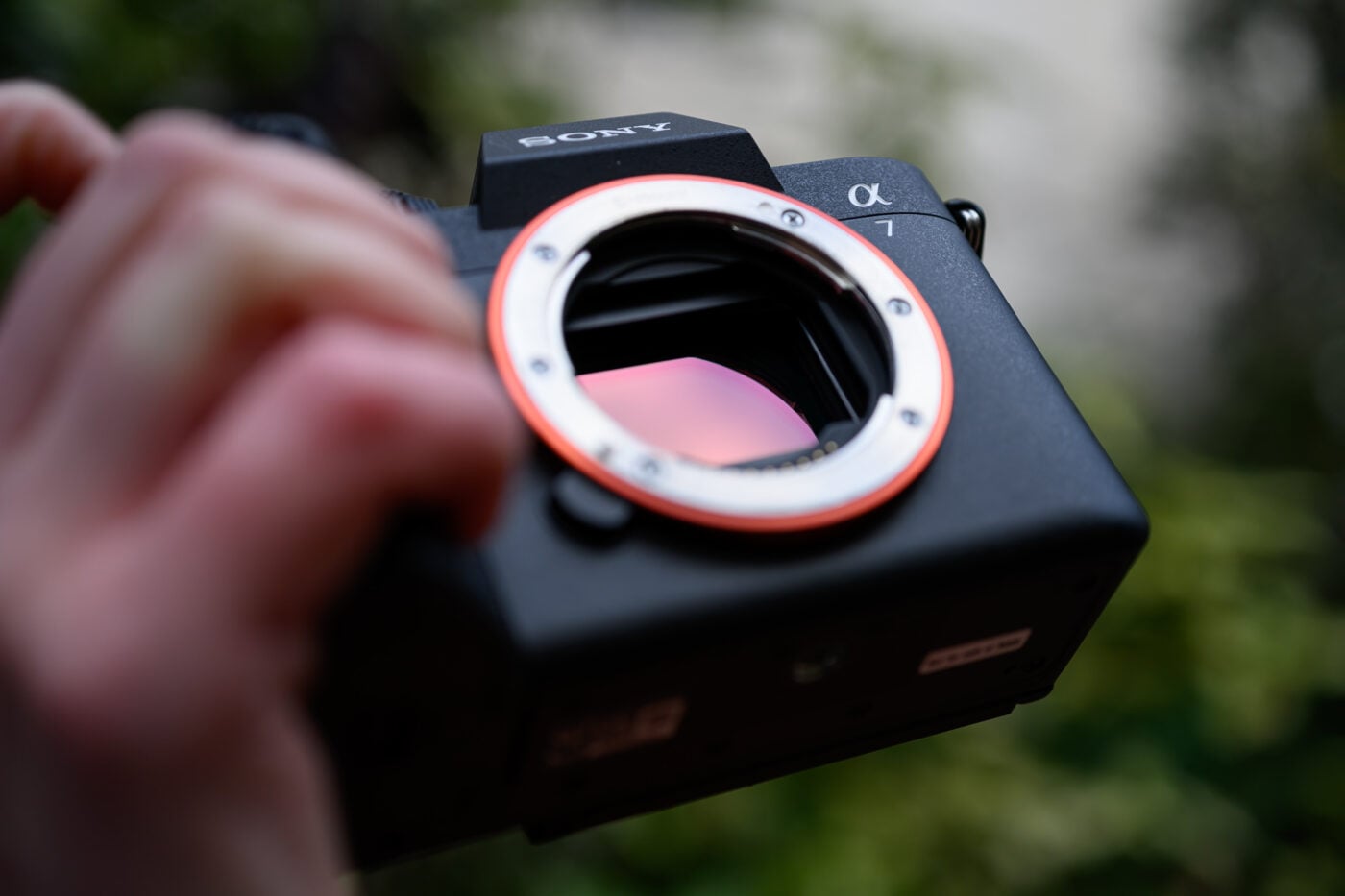
This type of sensor, still fairly new and uncommon, is currently only found in the Nikon Z6 III and Panasonic Lumix S1 II. It offers a good compromise: faster readout than a conventional sensor, at a lower cost than a fully stacked design. This notably helps to significantly reduce rolling-shutter distortion – a point we’ll detail further below.

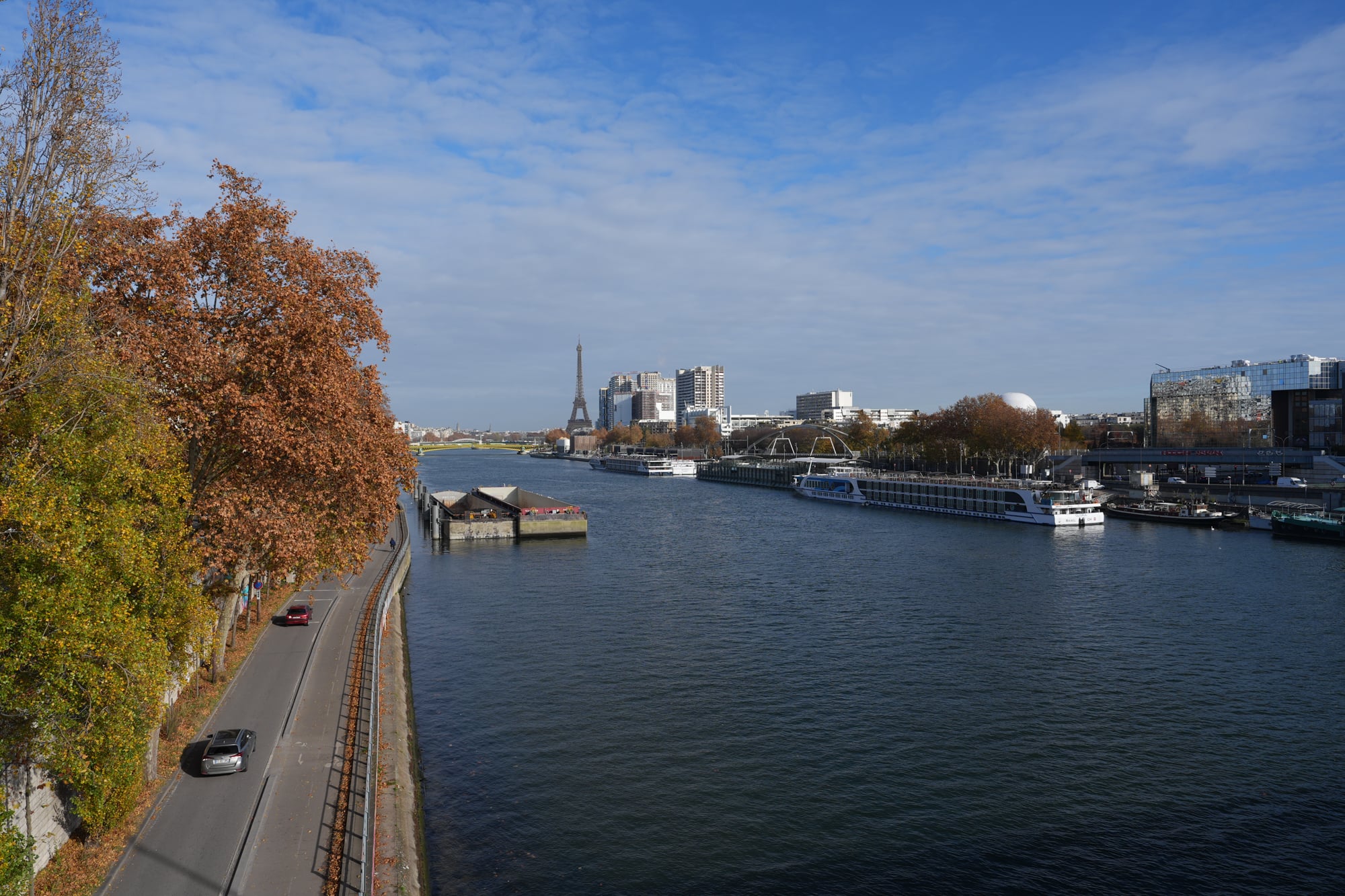
During our review, we captured images with a wide variety of E-mount lenses: the FE 24-70mm f/2.8 GM II, FE 50mm f/1.4 GM, FE 70-200mm f/2.8 GM OSS II, FE 50mm f/2.5 G, FE 300mm f/2.8 GM OSS, Sigma 300-600mm f/4 DG OS Sports, Sigma 85mm f/1.4 DG DN Art, and finally the more modest FE 28mm f/2.
Feel free to click on the photos in this review to display them in higher quality.



Partially stacked 33 MP Exmor RS sensor
In detail, JPEG files weigh approximately 20 MB, while the heaviest “lossless compressed” RAWs come in at roughly 40 to 45 MB. By opting for compressed or HQ compressed RAWs, you get files around 35 MB.
You’ll notice that, for the first time, Sony has dropped uncompressed RAWs. Following Nikon’s approach since 2021 with the Z9, Sony now offers lossless compressed RAWs along with two compressed RAW formats instead.

Sony assures that this choice affects neither image quality nor dynamic range. In fact, dynamic range management is one of the A7 V’s excellent strengths, showing itself clearly superior to the competition here – but we’ll come back to that.

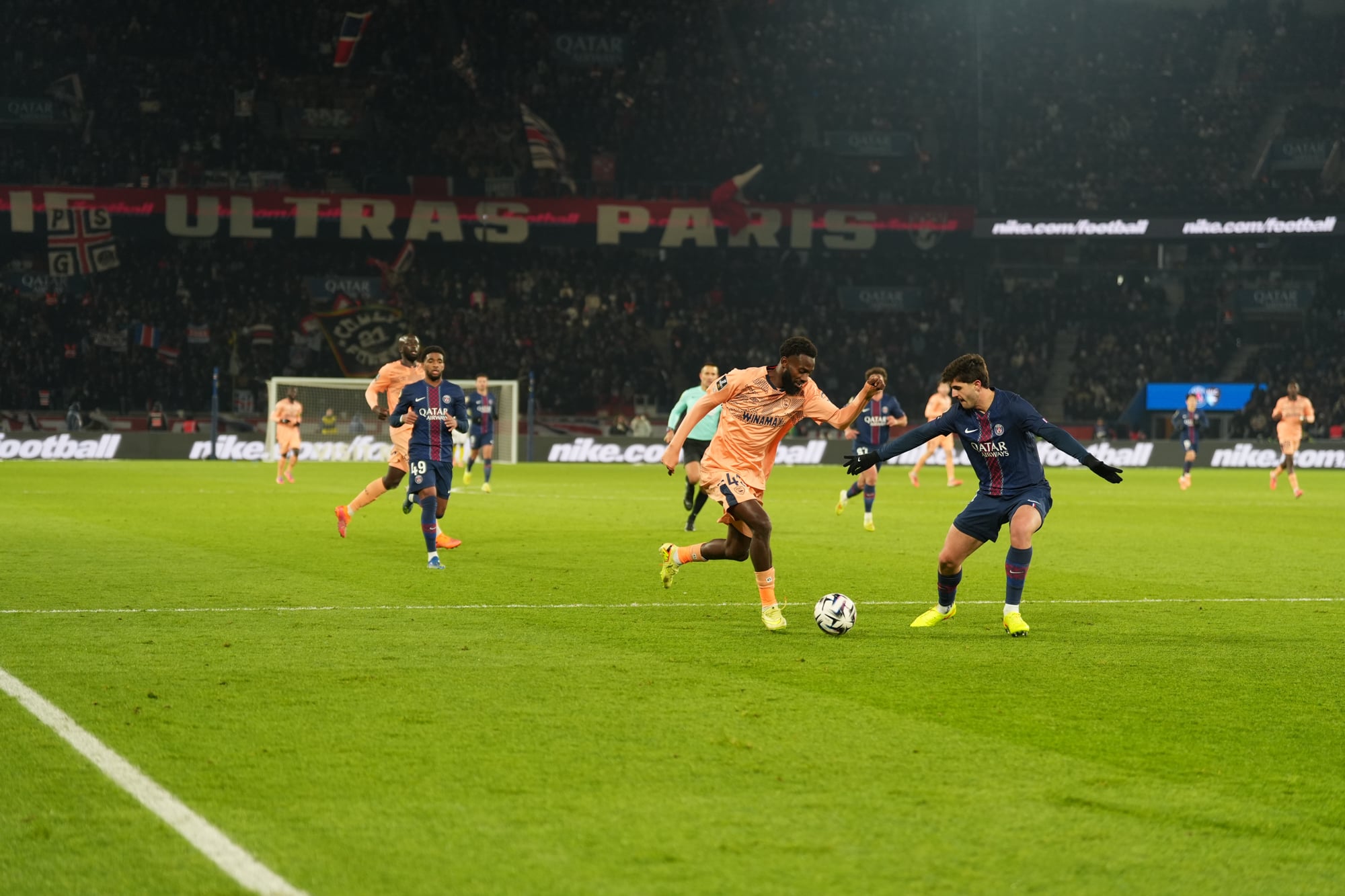
As for the JPEGs, we can observe excellent image quality. Colours are vivid without being over-saturated.
The level of detail is impressive and, while it doesn’t match the cropping potential of 50 or 60 MP sensors, the crop flexibility is significantly better than with a 24 MP sensor.


With the right glass, the perceived sharpness truly delivers, bolstered by very precise focusing. The Sony A7 V can also establish itself as an excellent choice for portrait photography.


Inherited from the Sony RX1R III, the Sony A7 V now integrates the FL2 and FL3 profiles (Film Look), bringing the total number of “Creative Looks” to 12.
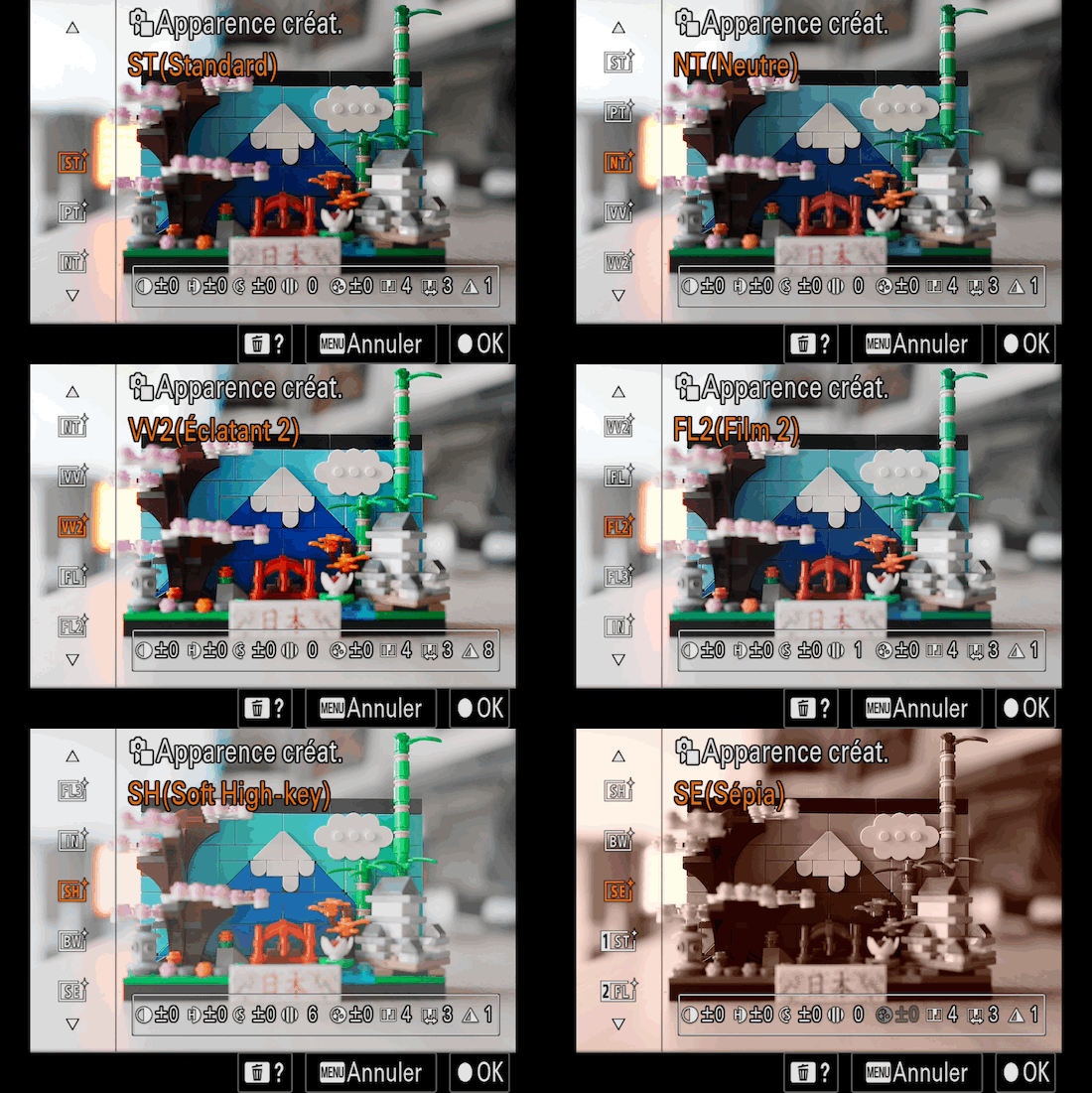
While these profiles are less well known than Fujifilm’s film simulations, they’ve long provided an appealing character to images from Sony bodies. They allow you to add more personality to your shots without resorting to editing software.
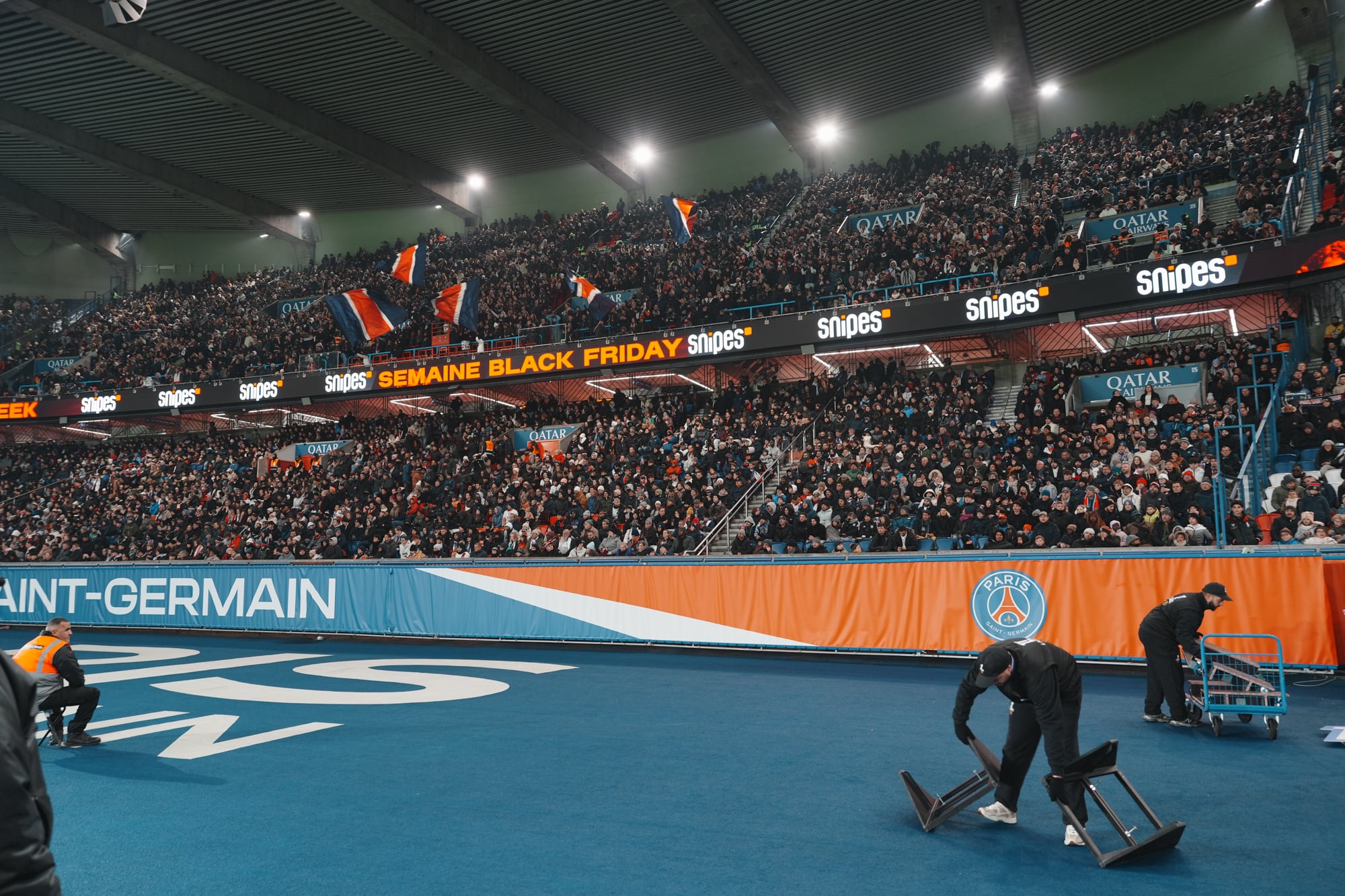
ISO performance and dynamic range
The A7 V’s sensor has a sensitivity range of ISO 100–51,200, expandable from ISO 50 to 204,800.
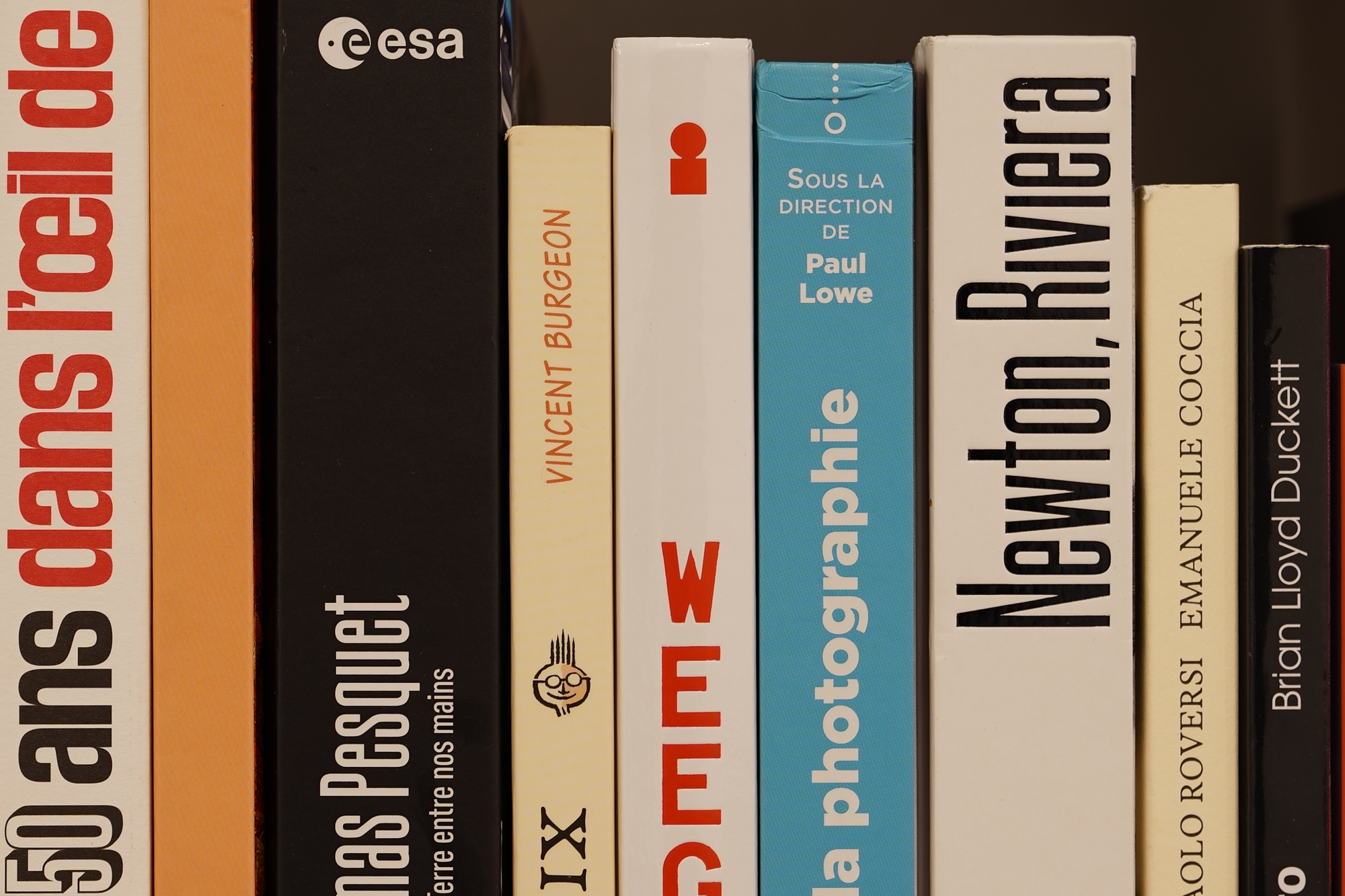
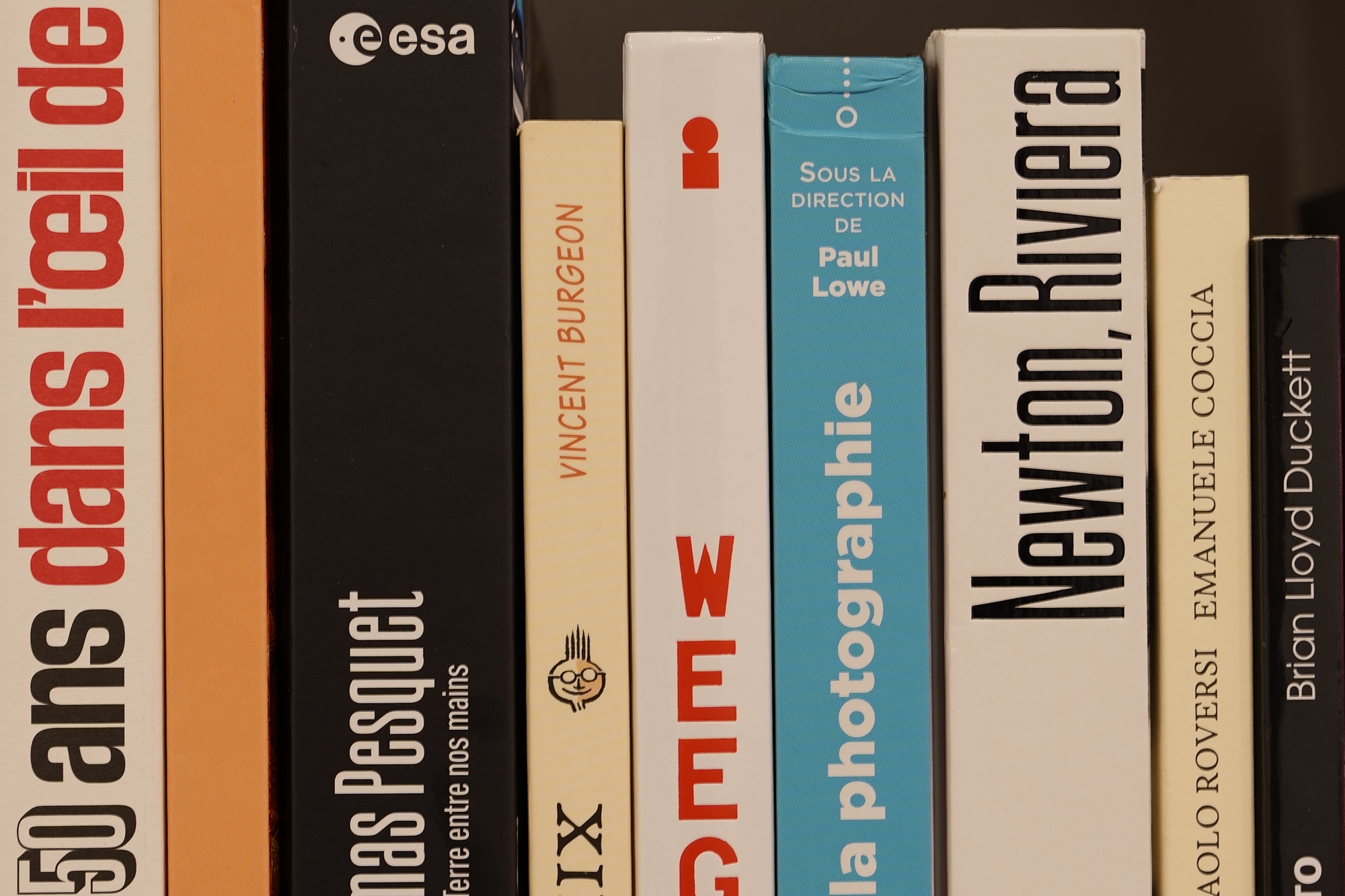
Images are flawless up to ISO 1600, where we notice the body starts pushing detail a bit harder to limit noise appearance.
From there, degradation remains fairly contained up to ISO 12,800, where the first colour shifts and slightly more pronounced loss of detail become noticeable.
From ISO 12,800 onwards, detail levels decrease and shadow noise becomes more intense. Nothing is truly deal-breaking up to ISO 51,200, where you might still consider using the files if necessary.
Note that these are – as always – 100% crops. On a wider scene, flaws are less easily spotted.


Once extended values are enabled, it becomes clear why they’re classified as such. The results are hardly flattering. At ISO 102,400, for extreme use, we wouldn’t rule out using the images, but at ISO 204,800, there’s really nothing to salvage.
The loss of detail is striking – the smoothing combined with noise and colour shifts leads us, as usual, to avoid pushing the body to its absolute limits – unless absolutely necessary.
Regarding dynamic range, Sony claims it can recover up to 16 stops – a performance that would put the body on par with medium-format cameras recording in 16-bit RAW, such as the Fujifilm GFX 100 II or the Hasselblad X2D II 100C!
A bold claim, but this A7 V does an excellent job. In the shadows, while the first hints of noise can be detected at -3 EV, you need to reach -4 EV to really notice it, without the image being truly degraded. Better yet, even at -5 EV, the result remains very convincing.
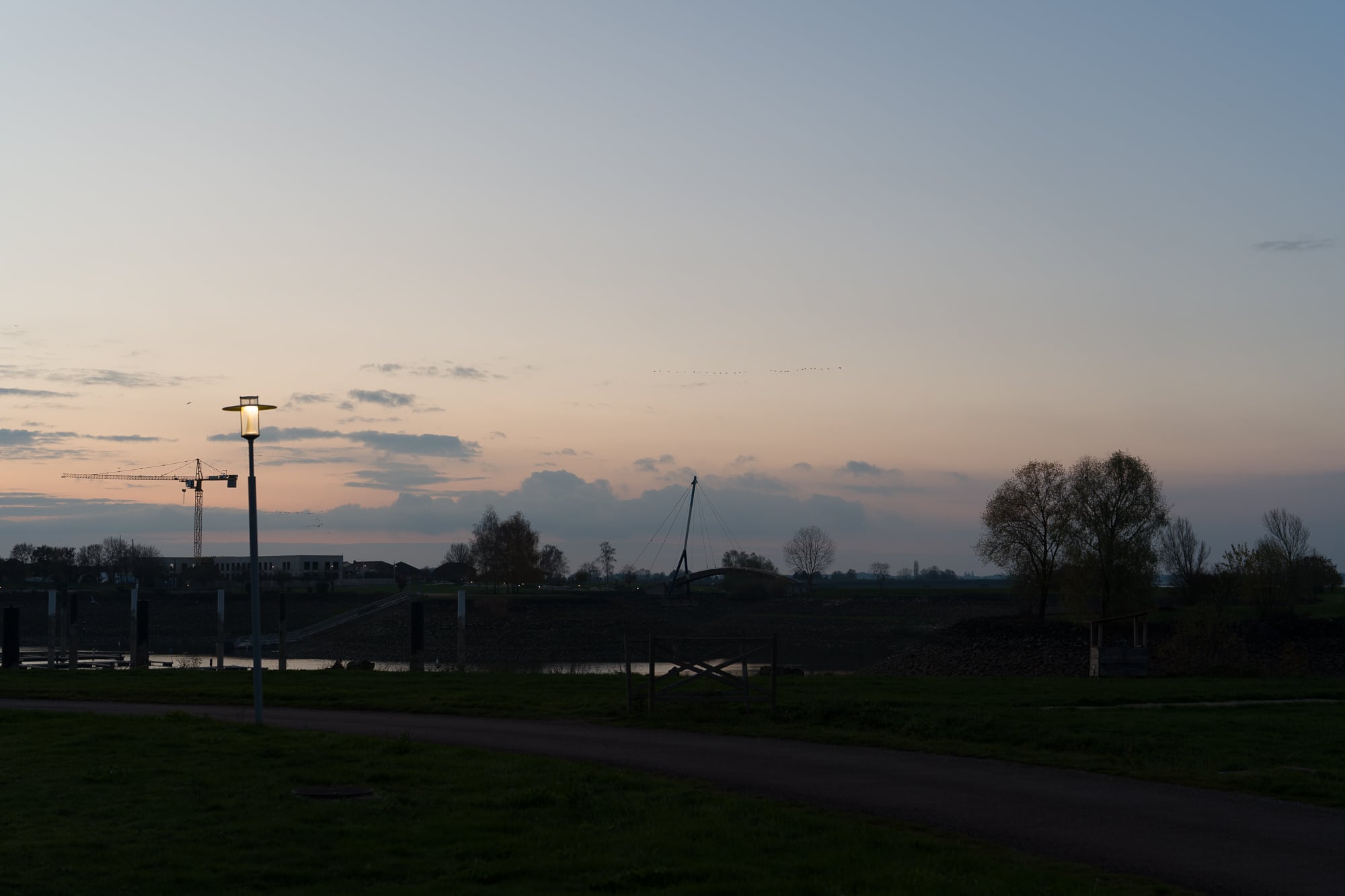
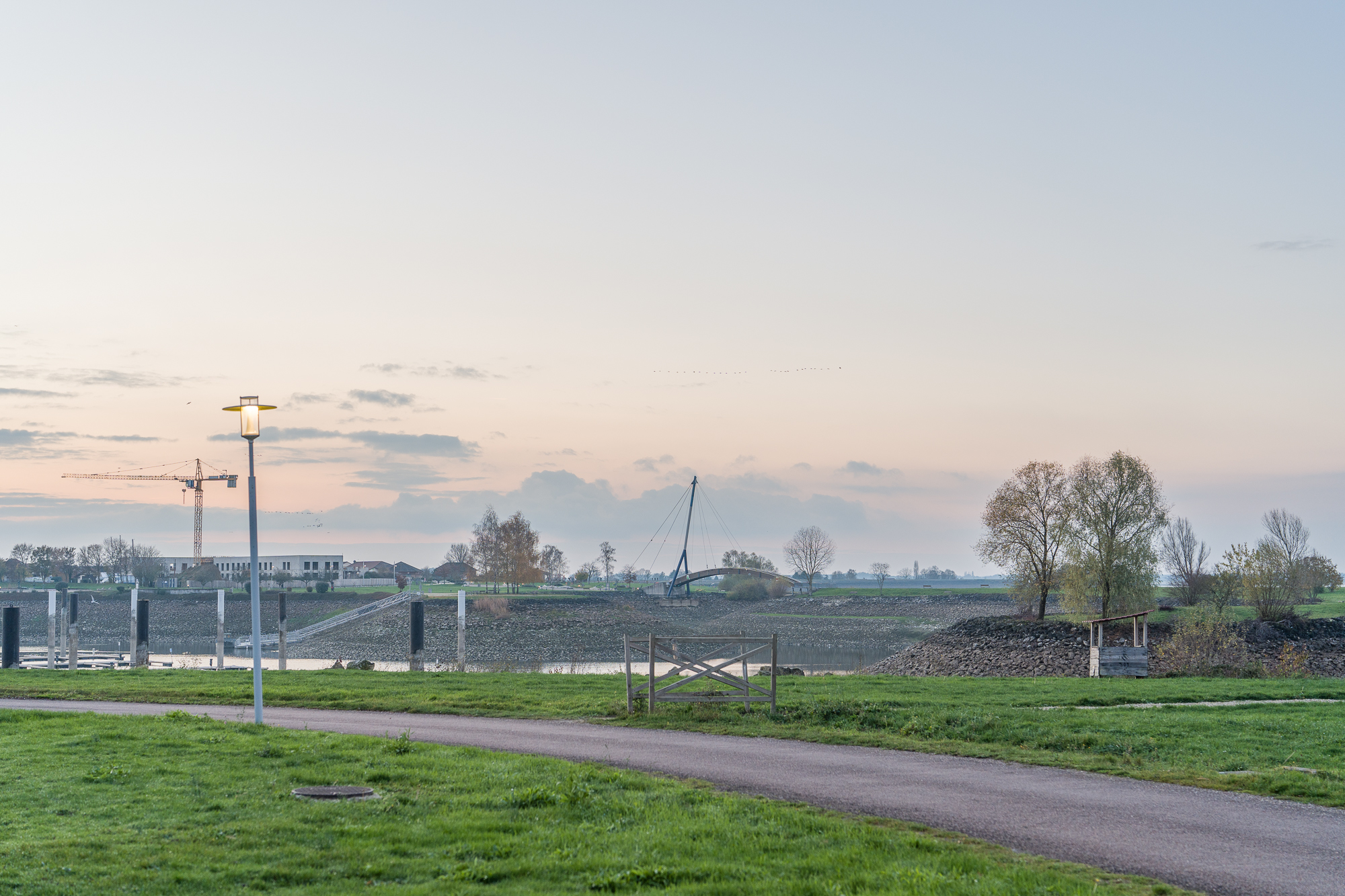
Admittedly, once compensated, the darkest areas of the image do show some digital noise, but it remains very well controlled and the rest of the shot is perfectly usable.


For overexposure, performance is always trickier, but the A7 V doesn’t flinch. Simply put, up to +2.33 EV, there is (almost) no noticeable difference between a properly exposed image and its overexposed counterpart! To our recollection, this has never happened before.
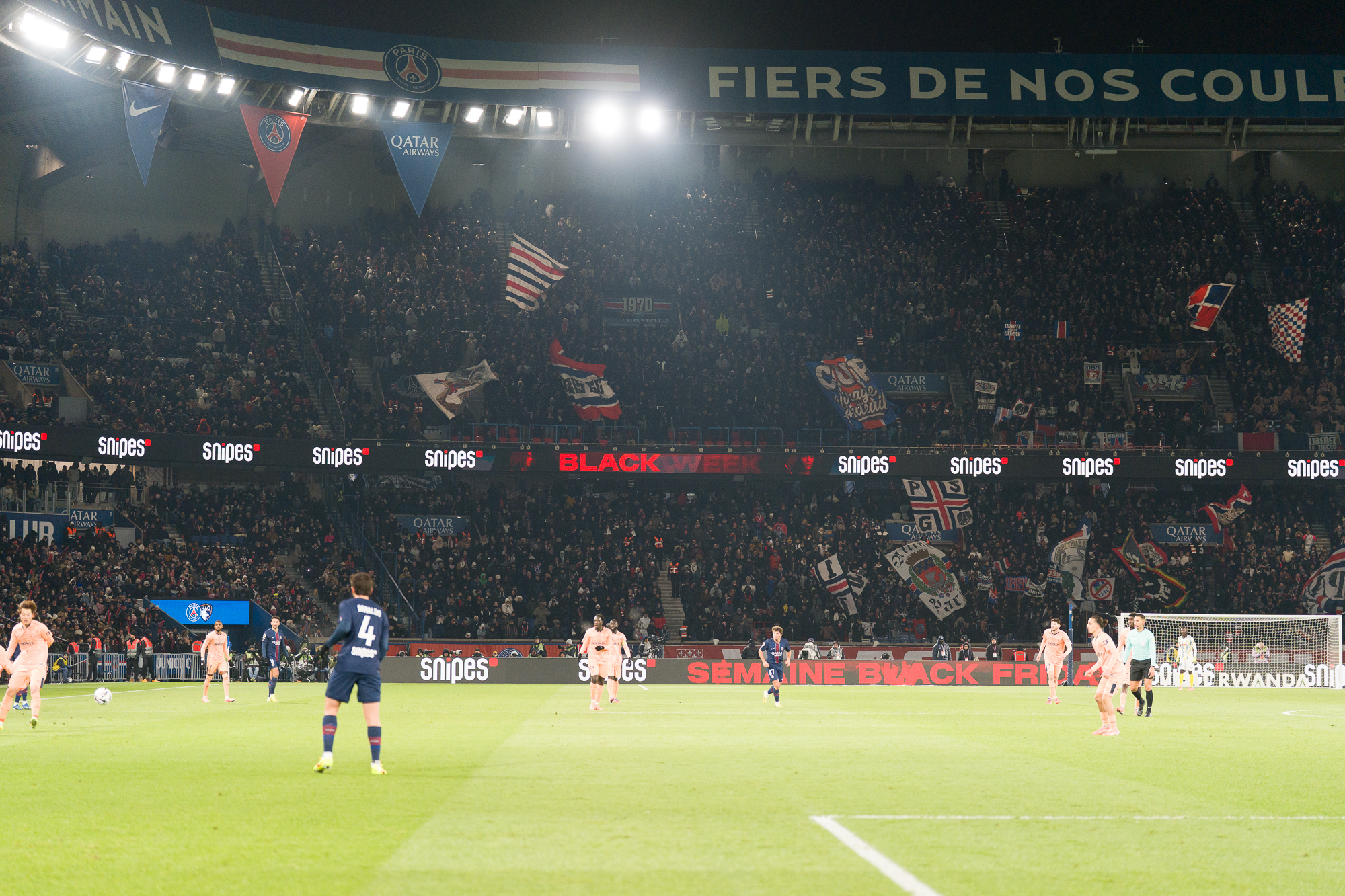
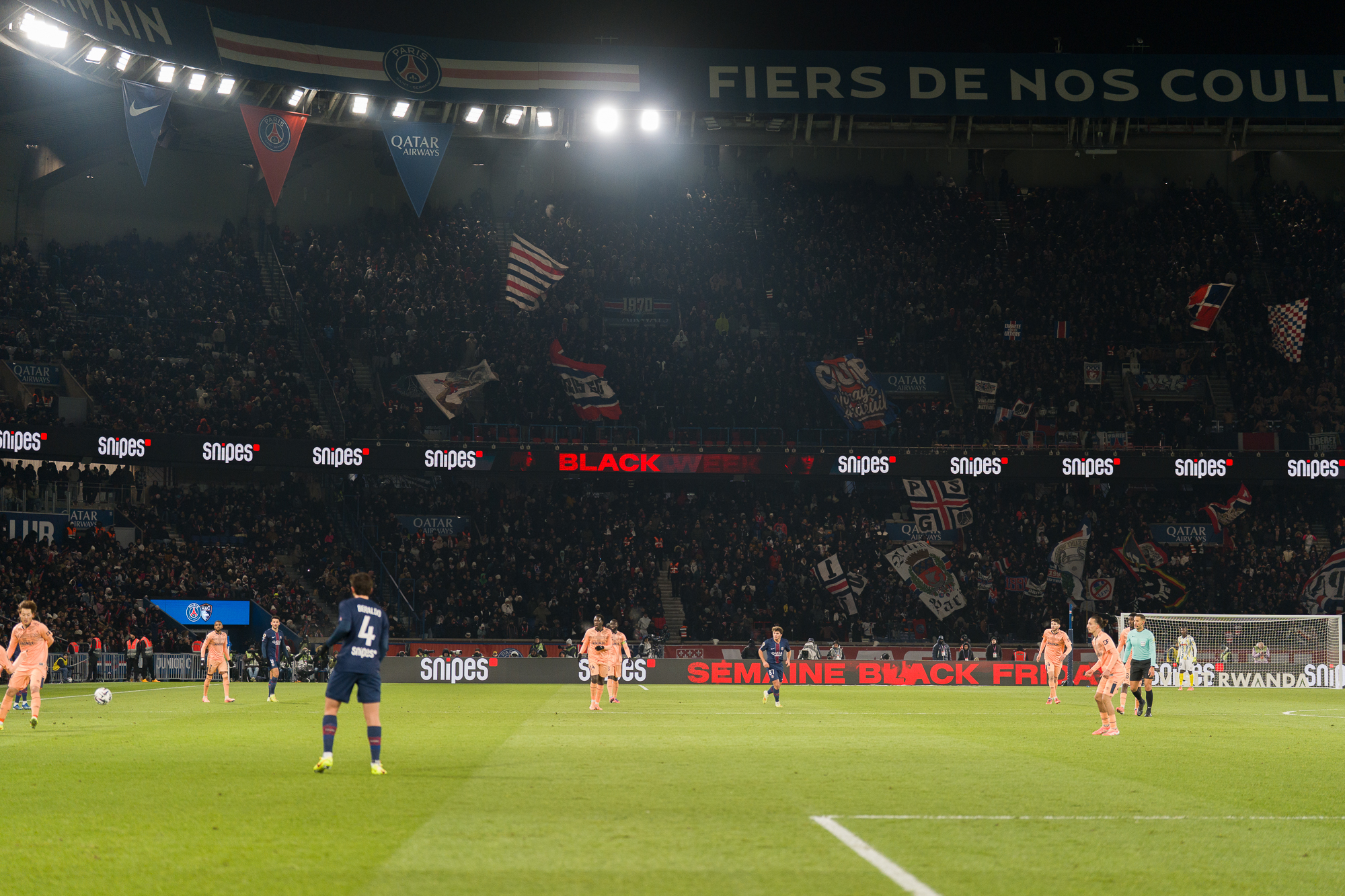
From +2.66 EV, the first colour shifts appear, but the photo remains fully usable, and it’s only at +3 EV that you’d need to be an editing wizard to recover the original exposure and colour through conventional means.
High resolution 130 Mpx via external upscale
The Sony A7 V also introduces a new feature through the Imaging Edge desktop software: AI-powered upscaling. In practice, you can take any RAW from the body and, using AI, dynamically enlarge it up to 130 MP (14016 x 9344 px) via the software – on macOS and Windows. The result is an editable RAW file, ready for further post-processing.
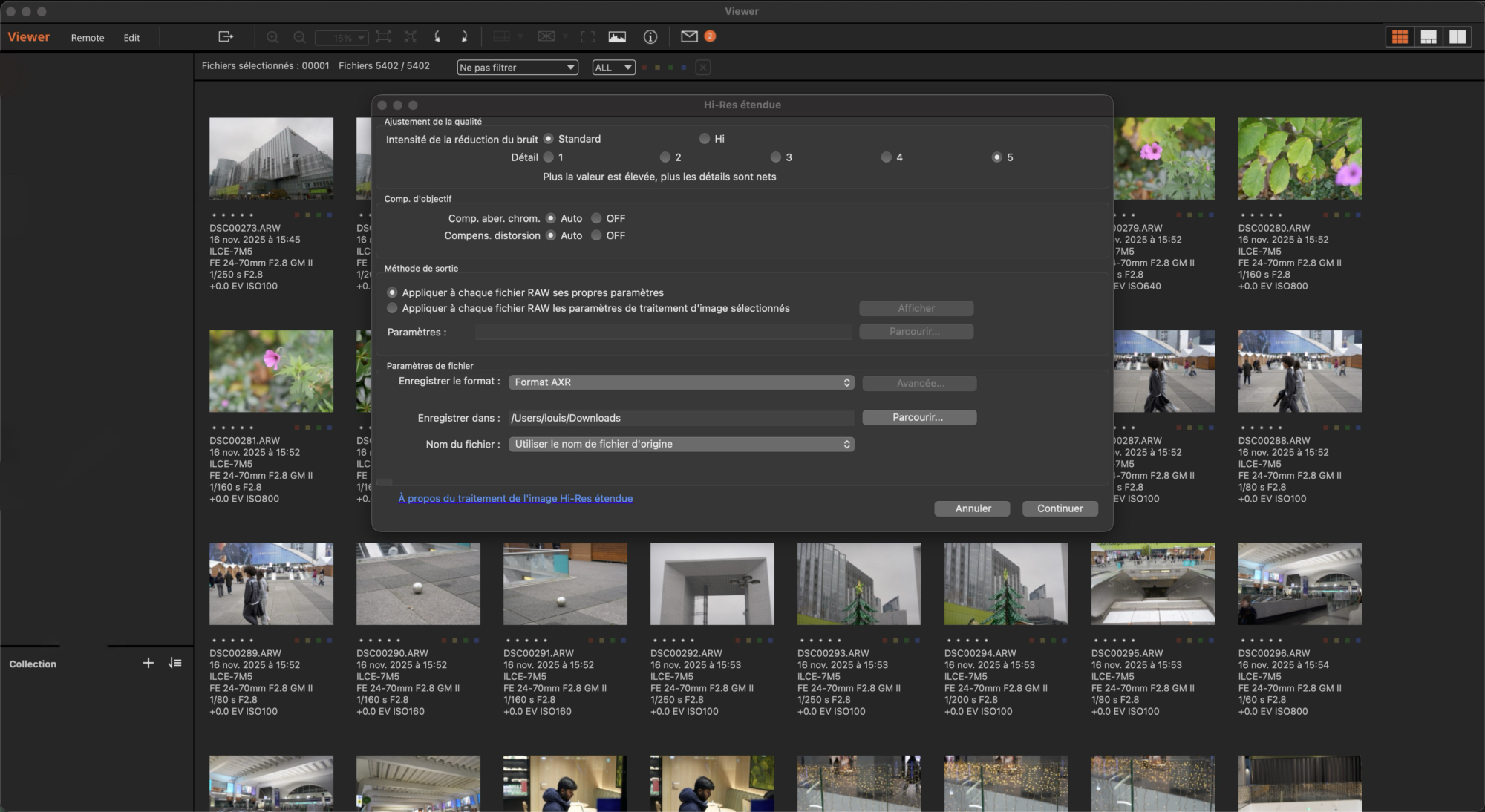
We had already encountered a similar feature with the Canon EOS R5 Mark II, which can upscale its photos to 179 MP directly in-camera, though only in JPEG.


As with the R5 Mark II, we far prefer this approach to a Pixel-Shift mode, which is often more restrictive and sometimes yields imperfect results. The process takes about 15–20 seconds per photo at the highest quality setting, producing a very convincing result free of artefacts.


Autofocus, tracking, and responsiveness
Unlike recent Sony models, the A7 V doesn’t have a dedicated AI chip. Instead, it relies on the new Bionz XR2 processor, significantly more powerful than its predecessors, making a separate AI module unnecessary.
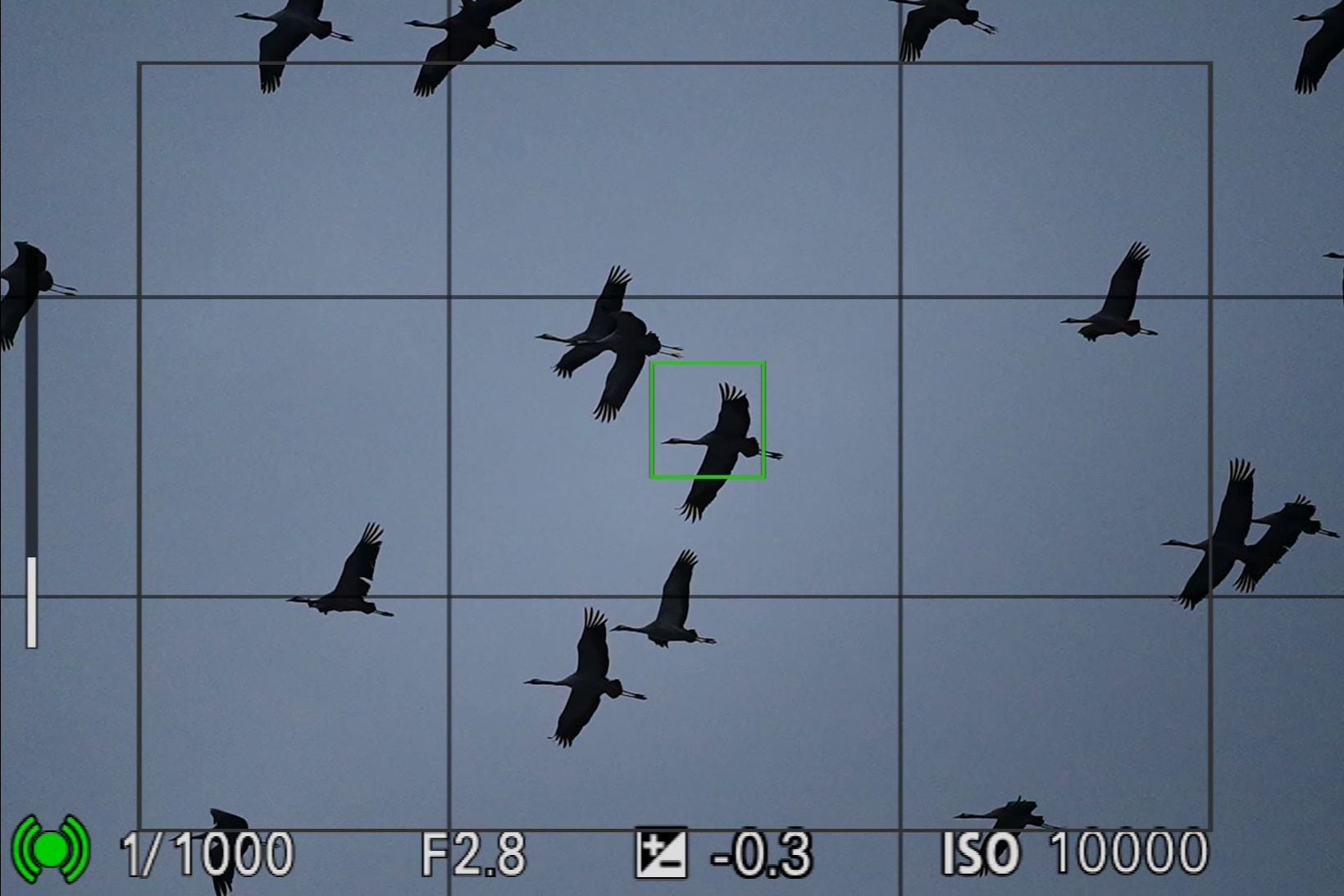
With human subjects, the AF detects and tracks faces and eyes. It also analyses different body parts to “predict” the subject’s position. The camera can also detect and track various animals, birds (eye, face, and body in both cases), as well as insects.

It also supports vehicle recognition (trains, planes, cars, and helicopters). Additionally, it adopts the “auto” mode introduced with the A1 II. While prioritizing humans, you no longer need to switch between recognized subjects.
Unless you want to prioritize one subject over another, this mode is truly very practical and allows you to rely more easily on the camera.

Despite the absence of a dedicated AI chip, the new CPU works wonders. The autofocus impresses with its speed and accuracy. This body clearly ranks among the best performers on the market, if not the very best.

The number of missed shots is virtually zero. Whenever conditions allow, the eye is detected instantly, even when the subject is in profile or with part of the face obscured (or even from behind). And once focus is locked, it doesn’t let go: even if the subject turns or moves, the AF stays impeccably locked on.
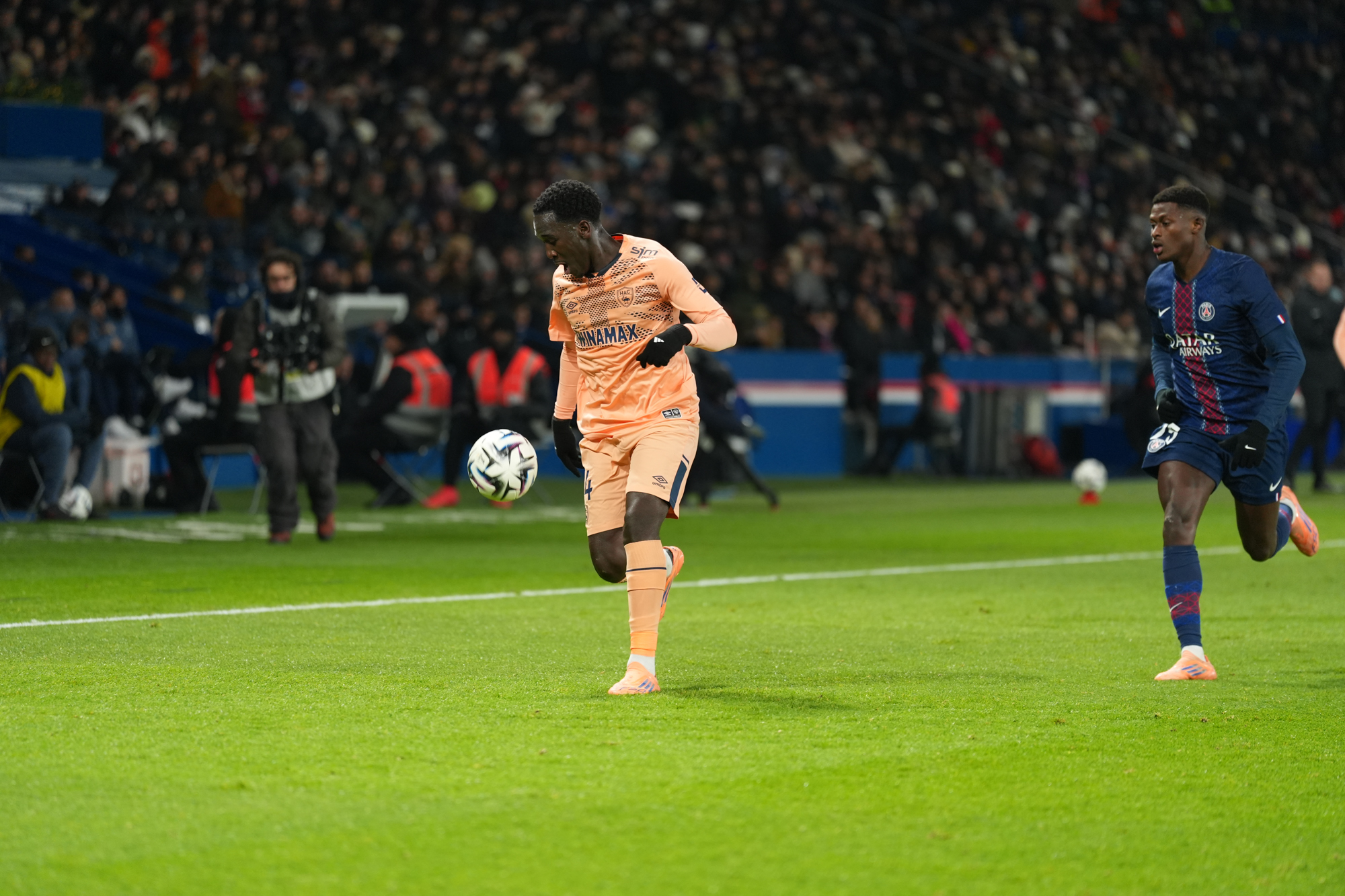
Misses were rare. The few focusing failures were more often due to misjudging the lens’s minimum focusing distance than to a faulty AF. Even in heavily overcast or low-light conditions, results were on point.


Burst and buffer
One of the major changes – a true revolution, even – concerns the burst rate, which climbs to 30 fps with AF tracking and 14-bit RAW, using the electronic shutter! While this may seem modest compared to the 40 fps of the Canon EOS R6 Mark III or even the 70 fps of the Lumix S1 II, it’s a major turning point for Sony.
Indeed, with this burst rate rivalling that of the Sony A1 II, this is the first time a Sony mirrorless camera outside the A1 or A9 lines has exceeded 10 fps. The electronics giant had previously insisted on segmenting its product lines as much as possible, to the point where the A7 IV was clearly losing versatility against modern rivals. Moreover, the 14-bit recording at 30 fps is noteworthy. Previously, with the A1 II, you had to settle for 12-bit RAW – the same goes for the Canon EOS R6 Mark III.
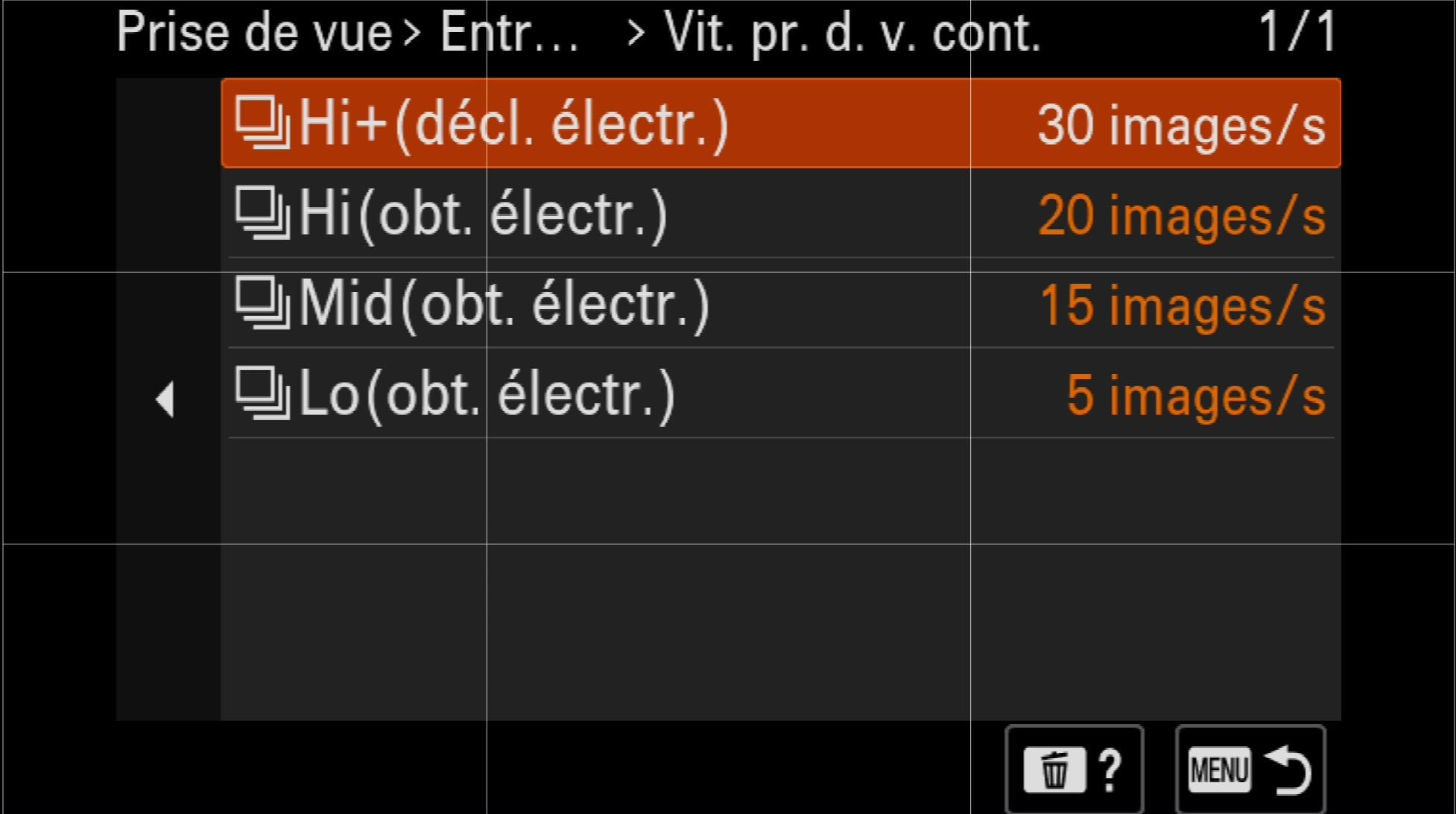
The A7 V is now far more compelling for action photography (sports, wildlife, etc.). You can achieve highly decomposed motion, especially since you can count on blazing-fast AF tracking that’s almost never caught off guard.

In this area, the new processor proves extremely capable, and apart from perhaps the EOS R6 III, no rival can match its effectiveness.
Like the A1 II and A9 III, the Sony A7 V features a burst boost mode, or “continuous shooting speed increase”. Via a designated button, you can temporarily switch from a 15 to 30 fps burst, or from 10 to 20 fps, with a range between 5 and 30 fps.

However, this high burst rate is quickly limited by a buffer that is, frankly, meagre. At 30 fps, the body can only handle 35 to 40 consecutive images with the heaviest RAWs – barely over one second… With compressed RAWs, you can painfully reach 85 shots at maximum speed, or just under 3 seconds in a row.
And unlike the Nikon Z6 III, for example, this doesn’t vary depending on whether you use a CFexpress card or a simple SD UHS-II card. Here, it’s 3 times worse than the Canon EOS R6 Mark III, which already wasn’t known for its phenomenal buffer.
| Mechanical shutter (10 fps) | Electronic shutter (30 fps) |
|---|---|
| Compressed RAW: 999+ images | Lossless compressed RAW + JPEG: 35 images |
| Compressed RAW + JPEG: 999+ images | Compressed RAW + JPEG: 85 images |
| JPEG only: 999+ | JPEG only: 185 |
Some consolation: unlike Canon, the burst doesn’t immediately lock up when the buffer fills, but instead drops to around 10 fps, allowing you to keep shooting for a considerably longer time. That’s quite practical, but at 10 fps, we’re a long way from the initial promises. In JPEG only, you can reach 185 shots. Buffer clearing is fortunately fairly quick, allowing you to resume shooting rapidly.
To compensate, Sony integrates a pre-capture mode (up to 1 s). This helps avoid filling up the buffer (and memory cards) too quickly and ensures you don’t miss the decisive moment. Also, by lowering the frame rate to 20 fps for instance, you can record 50 or even 150 compressed RAWs. And, defying all linearity, at 10 fps you can exceed 1,000 consecutive images (regardless of format).

Even though situations requiring 30 fps are rare, it remains hard to understand why some manufacturers equip their bodies with such fast burst rates… without providing an adequate buffer.
Sony seems to have deliberately limited the A7 V here, probably to leave room for its high-end models like the A9 III or A1 II. A strategic but frustrating choice, much like Panasonic and the Lumix S1 II’s 70 fps burst, also hampered by a very limited buffer. Adding advanced features only to restrict them so obviously can sometimes seem incoherent.
As usual, the 20 and 30 fps frame rates are reserved for specific Sony lenses only. For others, particularly third-party optics, the maximum burst rate is capped at 15 fps – a constraint that’s always somewhat frustrating.
Rolling shutter
The partially stacked sensor offers a faster readout speed than conventional sensors, which reduces the risk of rolling-shutter distortion. However, this performance remains below that of a fully stacked sensor, like the one in the Sony A1 II.
In practice, with the electronic shutter, distortion levels remain more pronounced than with the mechanical shutter, but deformations are far better controlled than on the A7 IV, which was one of the worst offenders in this regard.
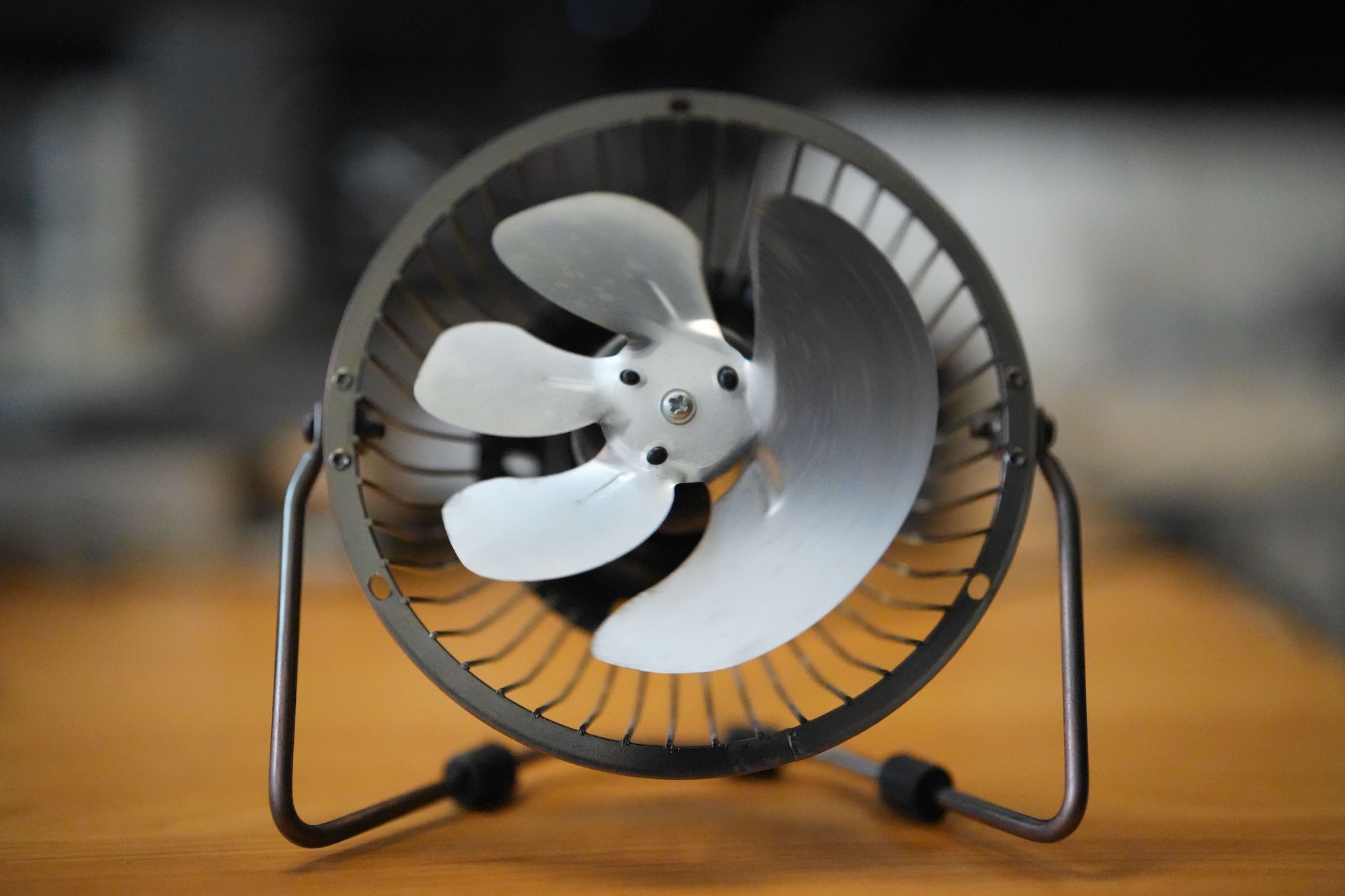

Here, the A7 V’s sensor performs very similarly to those in the Nikon Z6 III and Lumix S1 II. More surprisingly, performance is also close to what the Canon EOS R6 Mark III achieves, which, on paper, doesn’t feature a partially stacked sensor.
In any case, Sony is on equal footing with the latest competition here. And while our small fan’s blades are clearly distorted, this is an extreme scenario. In the field, distortions are far rarer.
Unless you only shoot helicopters or fast panning shots, you’ll (almost) never notice any distortion.

Between this well-controlled rolling shutter and its high 30 fps burst rate, the Sony A7 V positions itself as a more credible body for sports or wildlife photography. Only its ultimately rather limited buffer will prevent it from being the number-one choice, but as a second body – or when the action doesn’t require 30 fps – its relevance is clearly demonstrated.

Stabilization
Where the Sony A7 IV could compensate up to 5.5 stops, the A7 V’s 5-axis IBIS unit delivers up to 7.5 stops of compensation (with the FE 50mm f/1.2 GM).
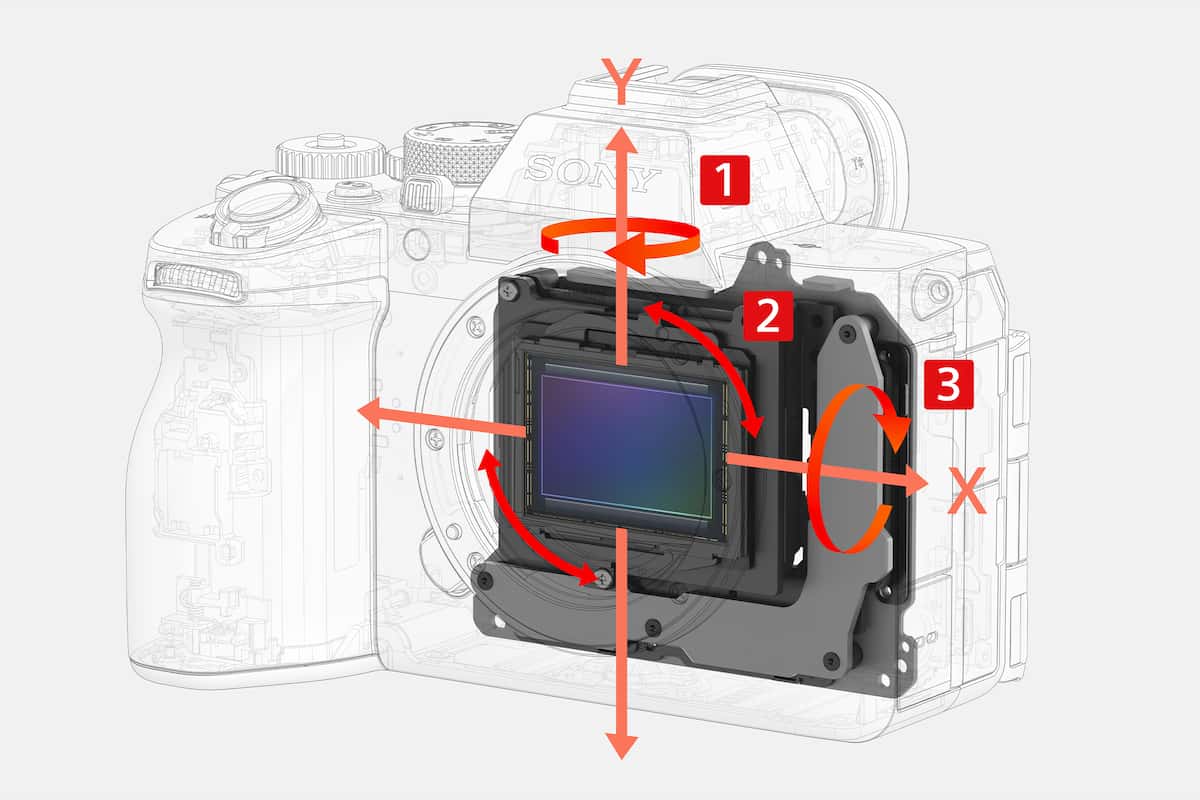
In theory, this means the body could compensate for nearly 3 seconds handheld with a 50mm. At the edges, the percentage of acceptable images would be limited to 6.5 stops.
But as always, these figures are difficult to replicate in the field. With a few exceptions – such as the Hasselblad X2D II 100C – we’re rarely blown away.



With the A7 V and a 50mm, we were nevertheless able to recover around 5.5 to 6 stops handheld– roughly 1 to 1.3 seconds. It’s not the best stabilization on the market, but these are very respectable values that ensure sharp images even with relatively long shutter speeds.



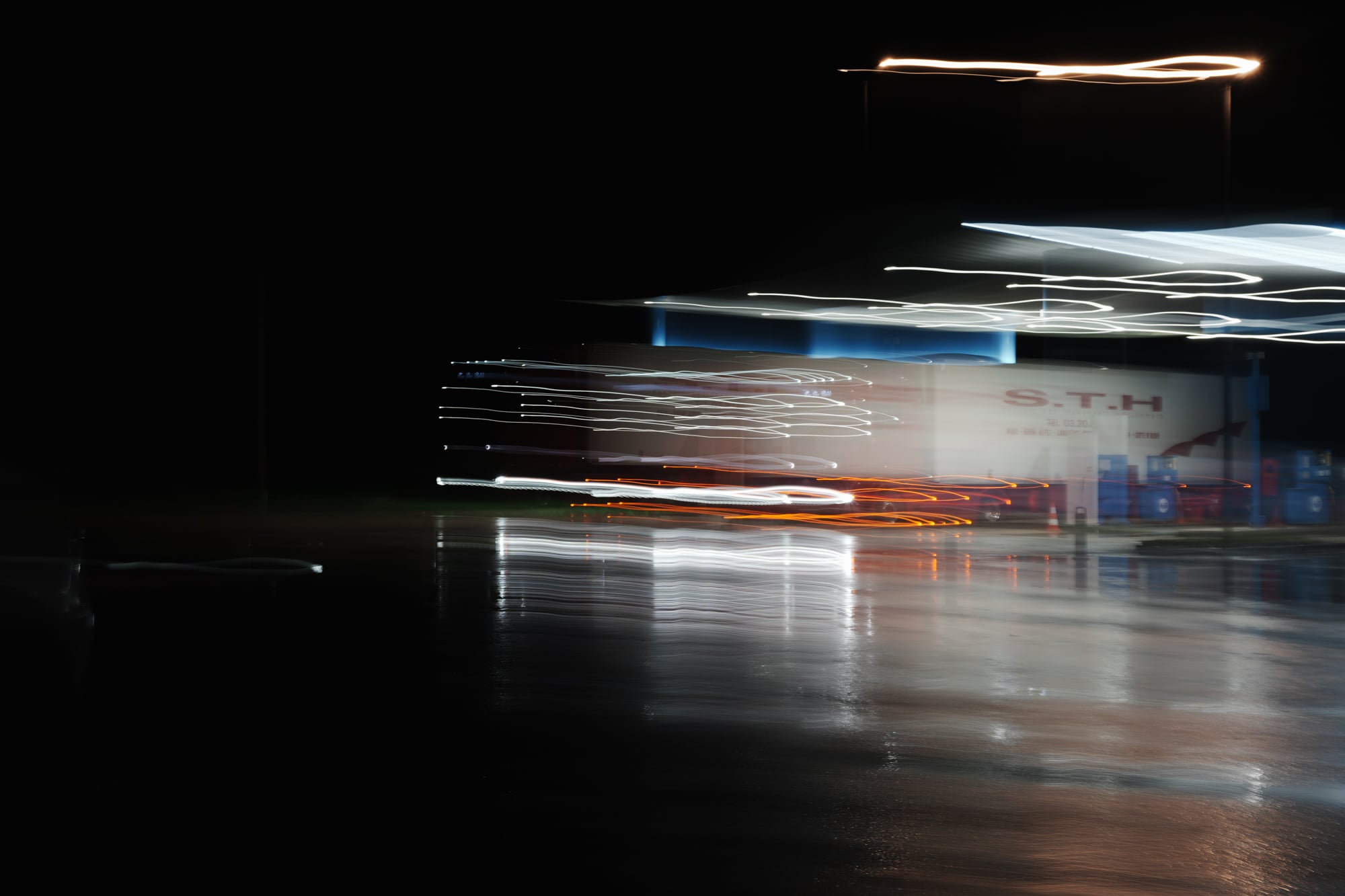
You can also attempt (slightly) long exposures handheld, for creative effects. However, once you approach two seconds, despite numerous attempts and a very light, compact lens, it’s nearly impossible to get a fully usable photo.
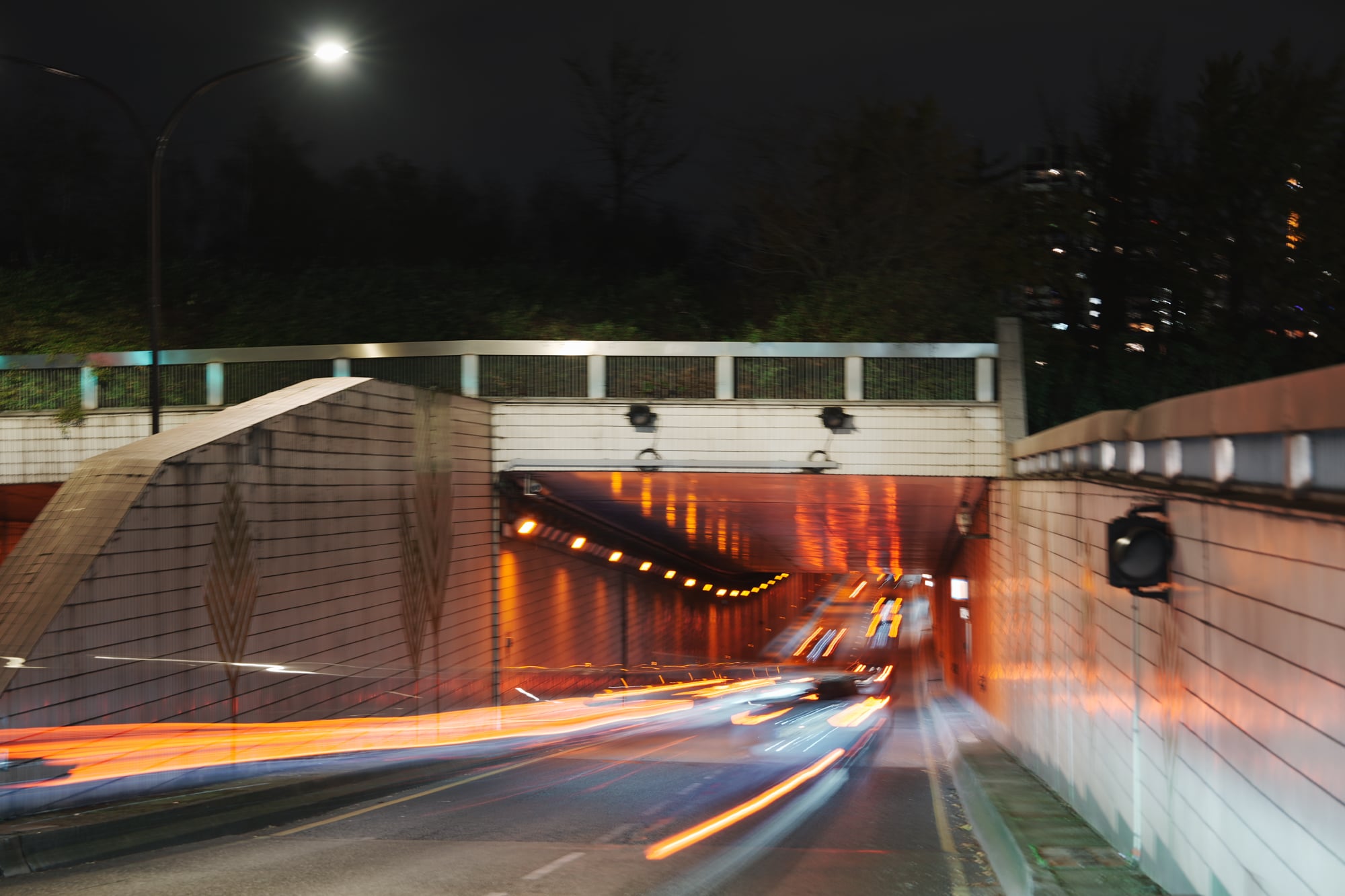
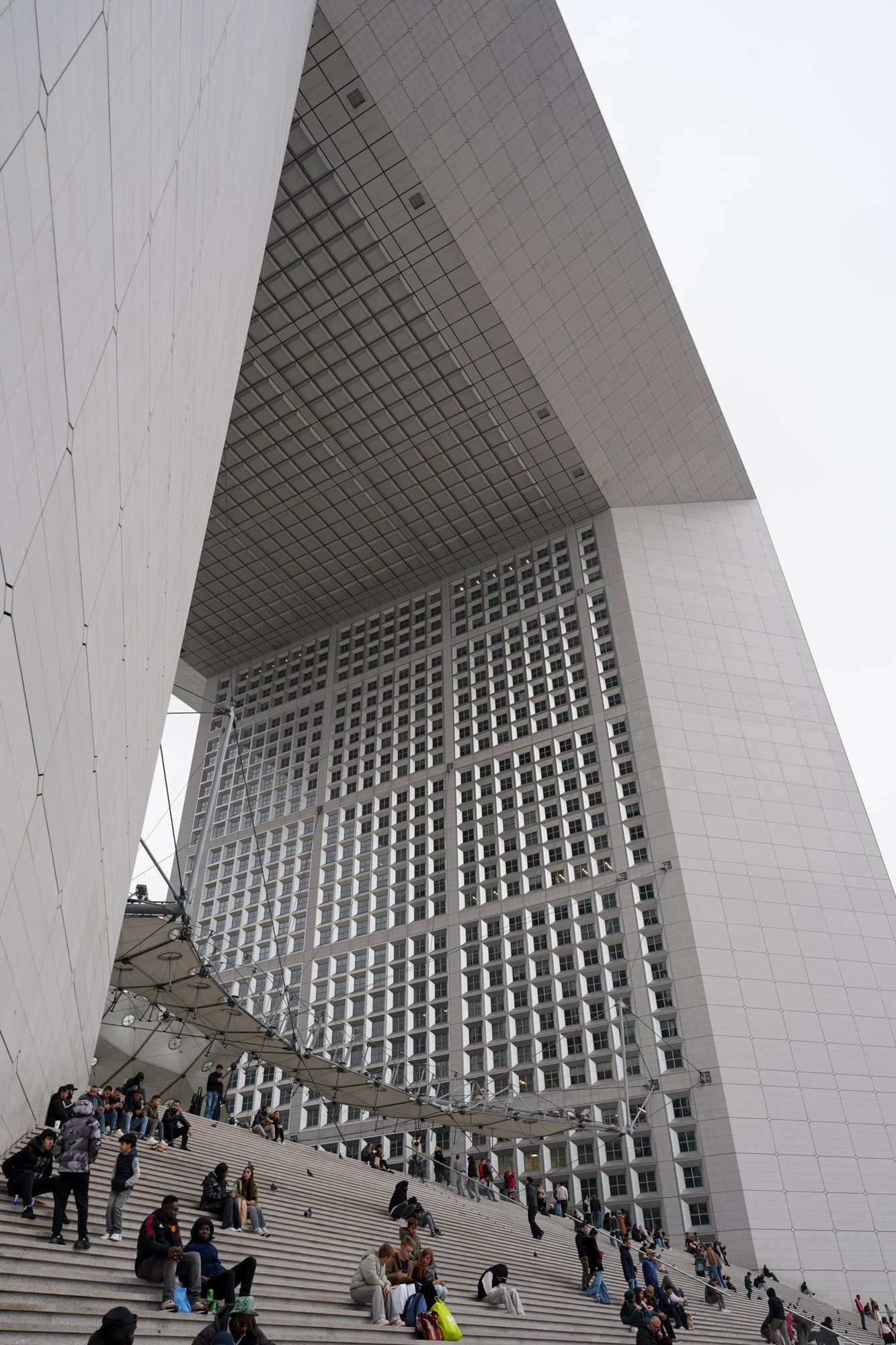
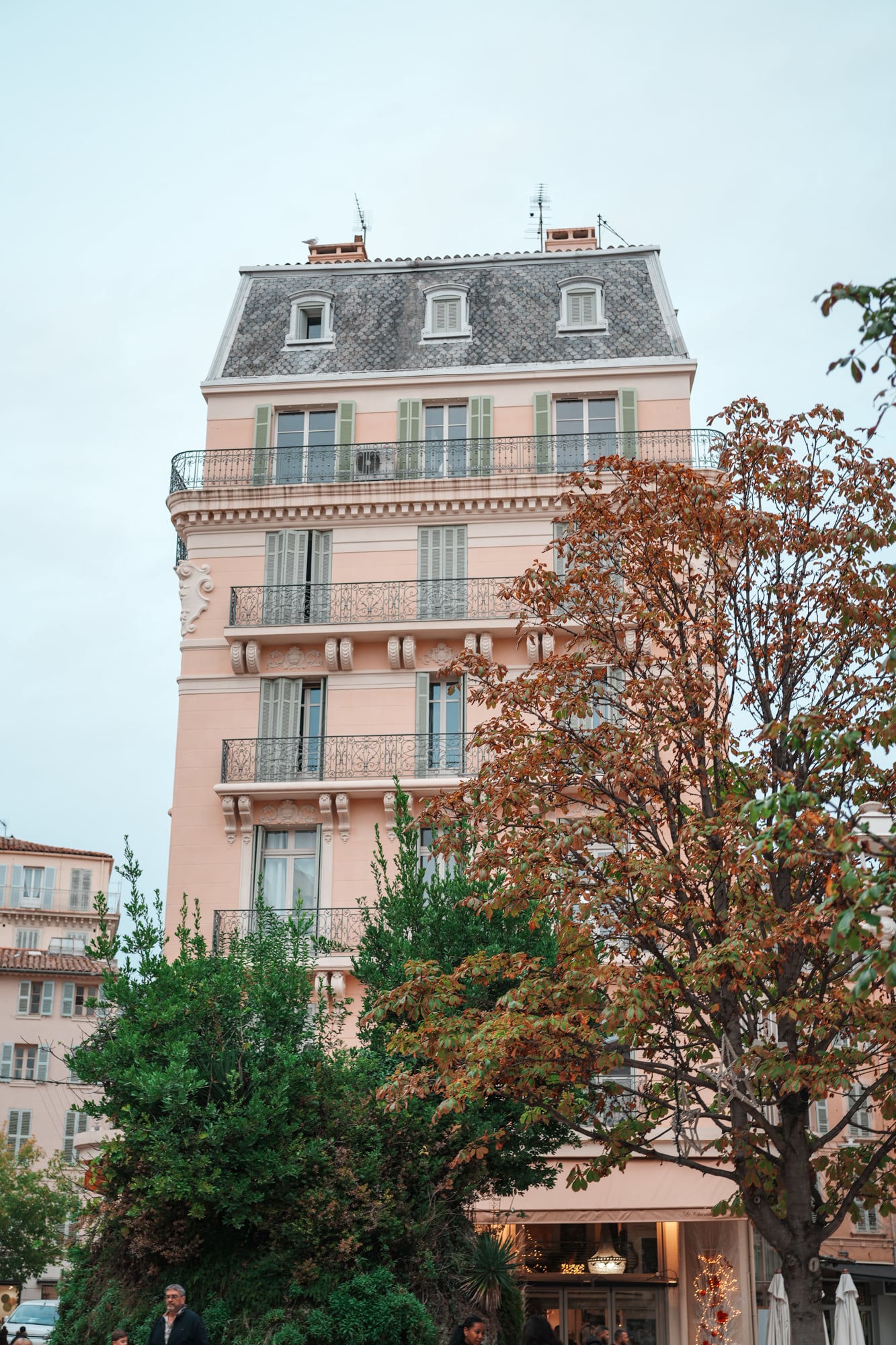
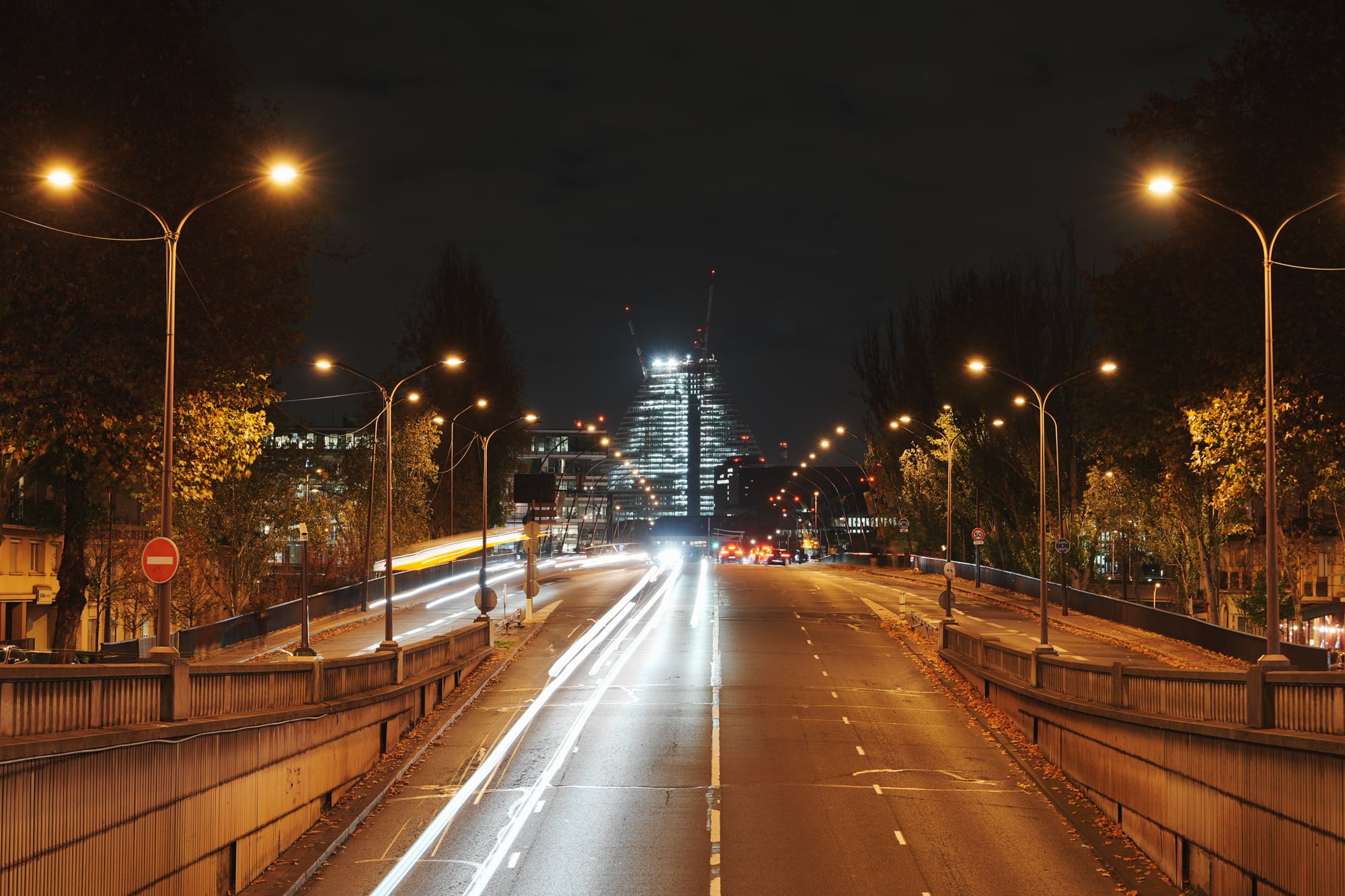
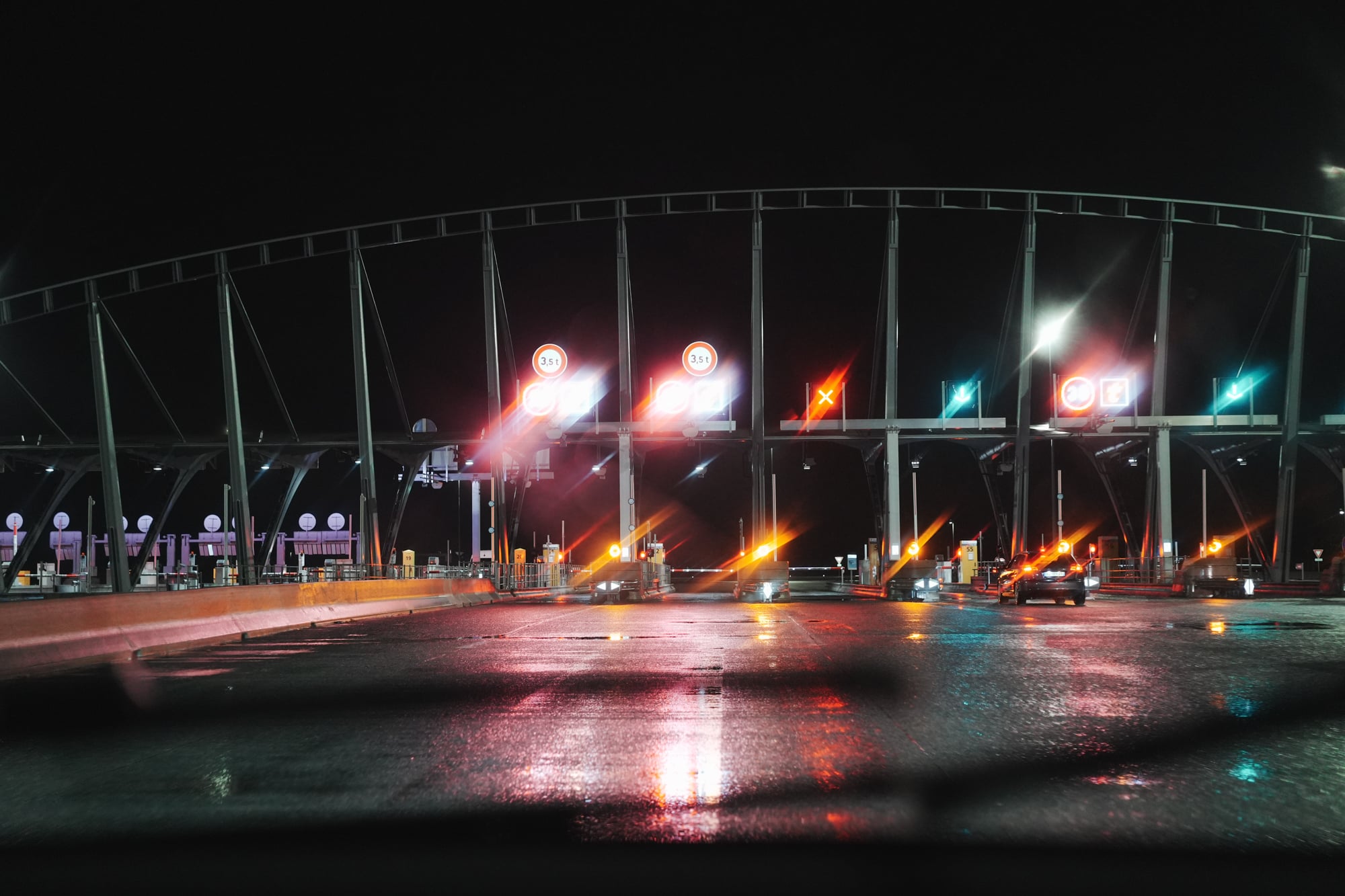
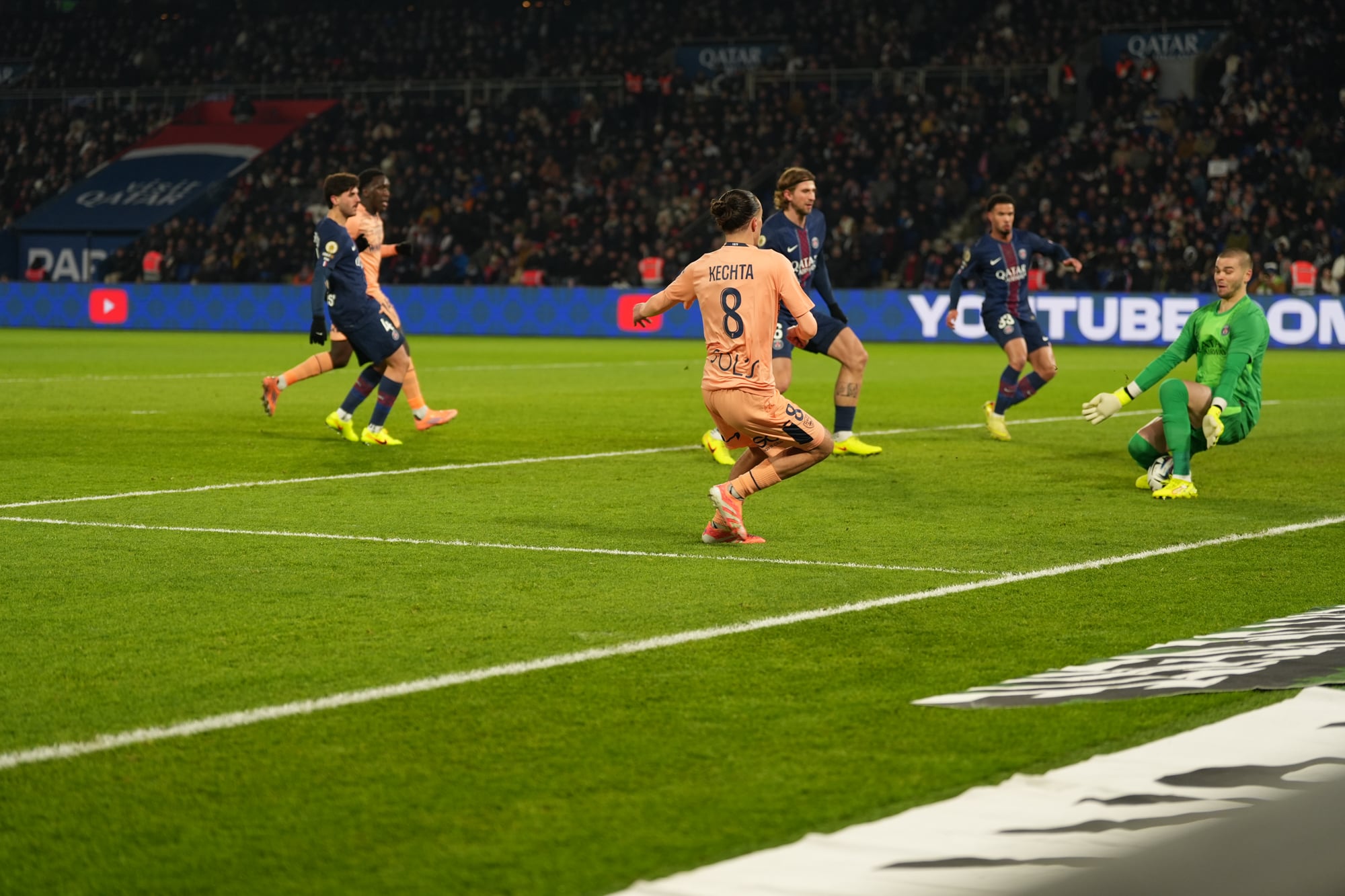
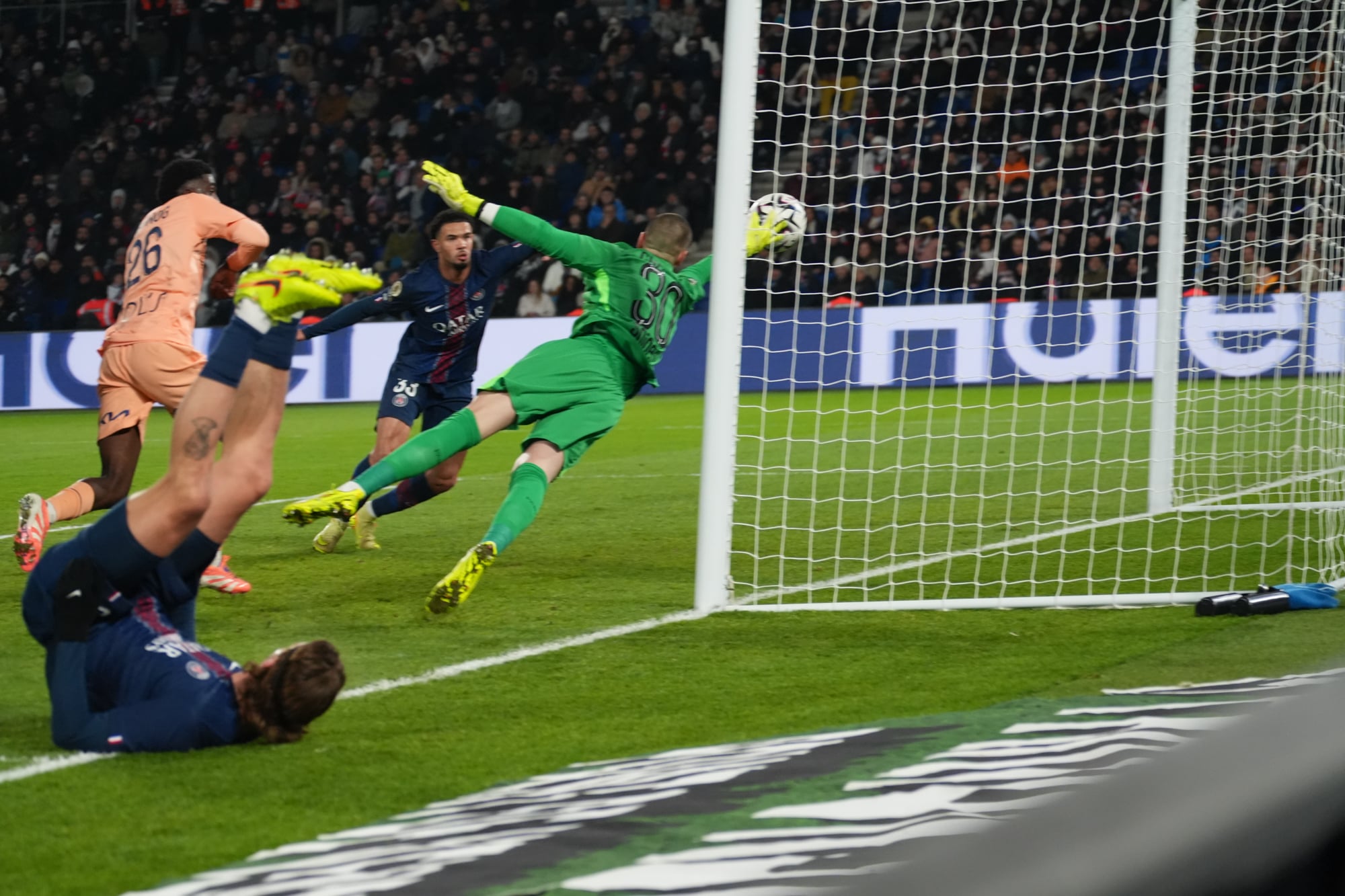
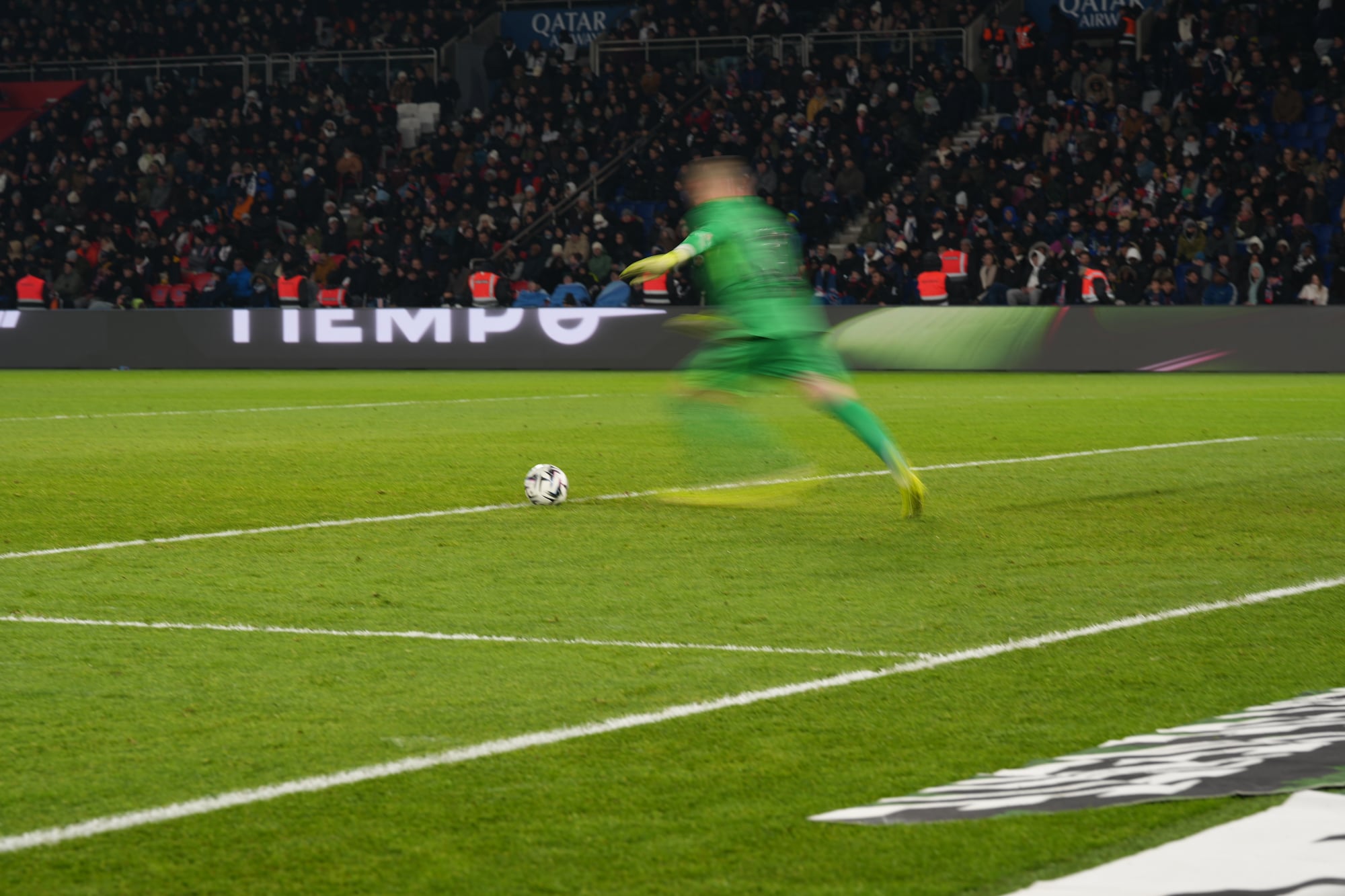
Here is a selection of photos taken with the Sony A7 V:


















Video: 4K 60 fps without crop, or almost
In 2025, virtually all mirrorless cameras also present themselves as high-performance video cameras. Facing models like the Nikon Z6 III / ZR, Canon EOS R6 Mark III / EOS C50, or the Panasonic Lumix S1 II / S5 IIx, the A7 IV – while not outdated – was clearly showing its limits. And we’re only mentioning “versatile” full-frame bodies here.

And the A7 IV and its derivatives – A7C II and FX2 – despite firmware updates, offered rather timid features, notably 4K 60 fps with a very pronounced 1.5x crop.
With the A7 V, Sony had to step up its game. Yet the response remains cautious. At a time when competitors offer 6K, 8K, or Open Gate recording, the A7 V limits itself to standard 4K UHD, admittedly derived from 7K oversampling, but without a real jump in resolution or Open Gate recording. It does finally deliver full-frame 4K 60 fps, which is genuine progress… but it arrives a bit late.
However, there’s a small asterisk. By default, the “field of view priority” option is enabled, offering full-frame 4K. But if you disable the option, the camera applies a slight crop of about 1.2x – halfway between full frame and Super 35 – while optimizing noise management!
If you want crop-free 4K 60 fps, you’ll need to remember to disable this feature. However, handheld or even on a gimbal, to ensure stable footage, you won’t be able to avoid the crop.
Indeed, even with mechanical stabilization and the crop from the aforementioned option, it’s impossible to get a steady shot. For successful filming, the “Dynamic Active” electronic stabilization is essential – and it applies a significant crop to the image. You’ll therefore want to favour a very wide-angle lens. We’re a long way from Lumix’s “cropless” stabilization…

In terms of video image quality, the Sony A7 V delivers highly detailed footage with good sharpness and contrast. Rolling shutter, often problematic during movement, remains well controlled here – except in extreme cases like aggressive panning – which demonstrates the effectiveness of the partially stacked sensor. Likewise, the autofocus proves just as effective in video as in stills, and the manufacturer cements its superiority over many competitors here.

The camera also allows 4K 120 fps capture, but the crop here is slightly larger than Super 35, especially with stabilization enabled.

The Sony A7 V also inherits several welcome video features. These include Focus Map, which facilitates very precise manual focus adjustments. The camera also benefits from Auto Framing: available on certain models since the ZV-E1, this mode performs automatic cropping within the sensor to keep the tracked subject properly framed.

On top of this, Sony also adds “Framing Stabilization”. Its operation is similar to Auto Framing: the camera aggressively crops the image to keep the subject centred without user intervention. The frame can then slightly shift to compensate for small subject movements.

Videographers also benefit from the S-Log 3 profile. There’s also S-Cinetone, designed to produce more pleasing skin tones. The body supports LUTs as well, which can be imported directly from a smartphone. In S-Log 3, you get dual native ISO: 800–8000.
Saying the Sony A7 V is a bad video camera would be sheer bad faith. It delivers a solid performance with excellent image quality and a formidable autofocus.
That said, it’s impossible not to notice how much the Japanese manufacturer insists on artificially limiting its camera. For a company like Sony – let’s not forget, a cinema industry heavyweight – developing a mirrorless body packed with advanced formats (7K, Open Gate, ProRes, RAW, etc.) would be almost too easy. Yet the company persists in offering mirrorless cameras that – while perfectly capable for video – give the impression of being a step behind the competition.
We’re not naive. Having established dominance in this field, many videographers, documentarians, and filmmakers are equipped with Sony bodies. And we fully understand that Sony, by limiting the potential of its cameras, is effectively pushing those who want more toward its dedicated cinema cameras: FX, Burano, Venice, etc. – a forced upgrade path. Nevertheless, viewed through the lens of the mirrorless market, the A7 V appears almost timid on the video front.
Connectivity, storage, and battery life
The Sony A7 V becomes the first body from the manufacturer to adopt Wi-Fi 6. This allows for faster pairing via the Creator’s App (with compatible smartphones). The connection is thus more stable than before, with noticeably less latency when triggering remotely.

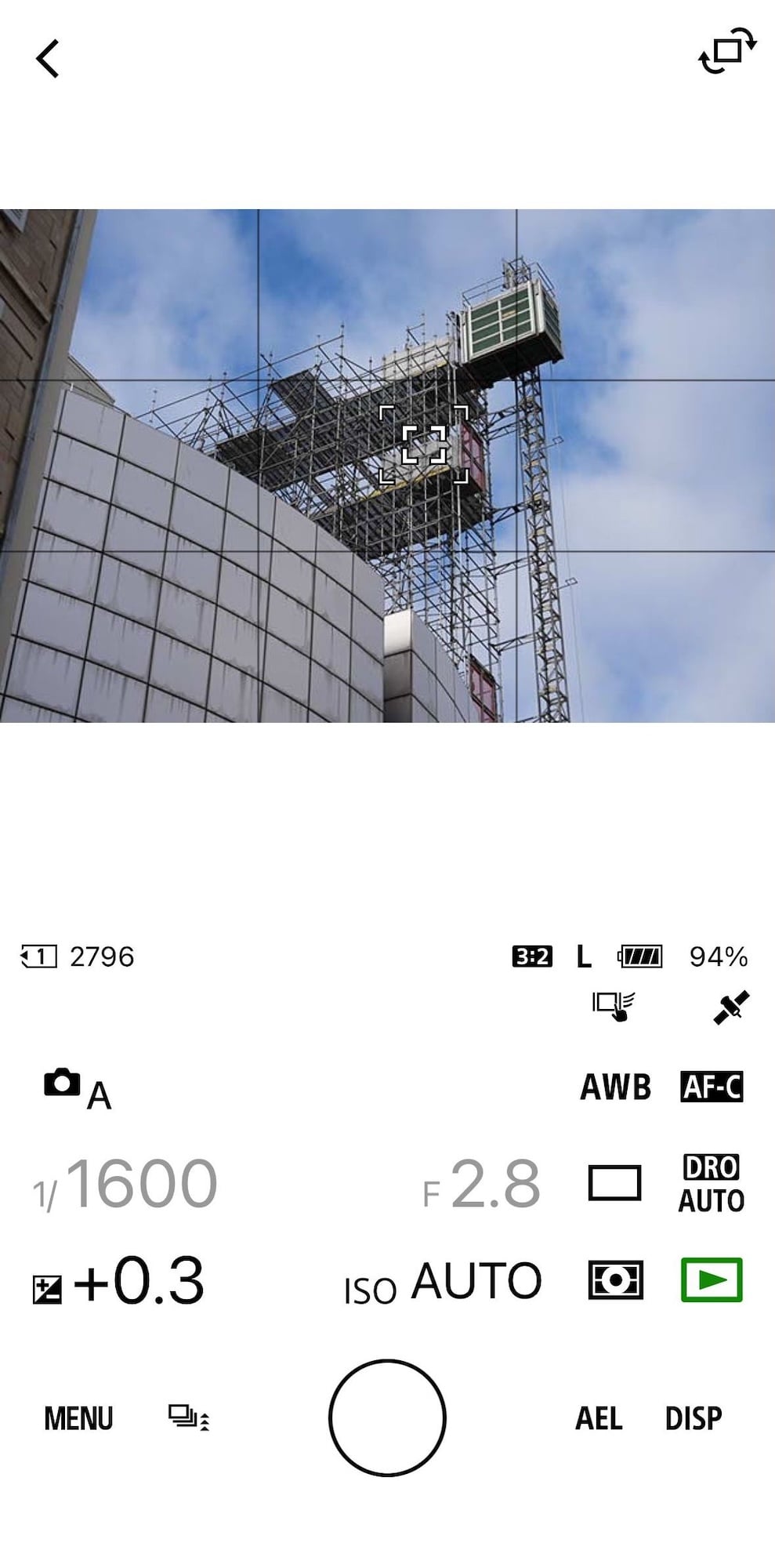


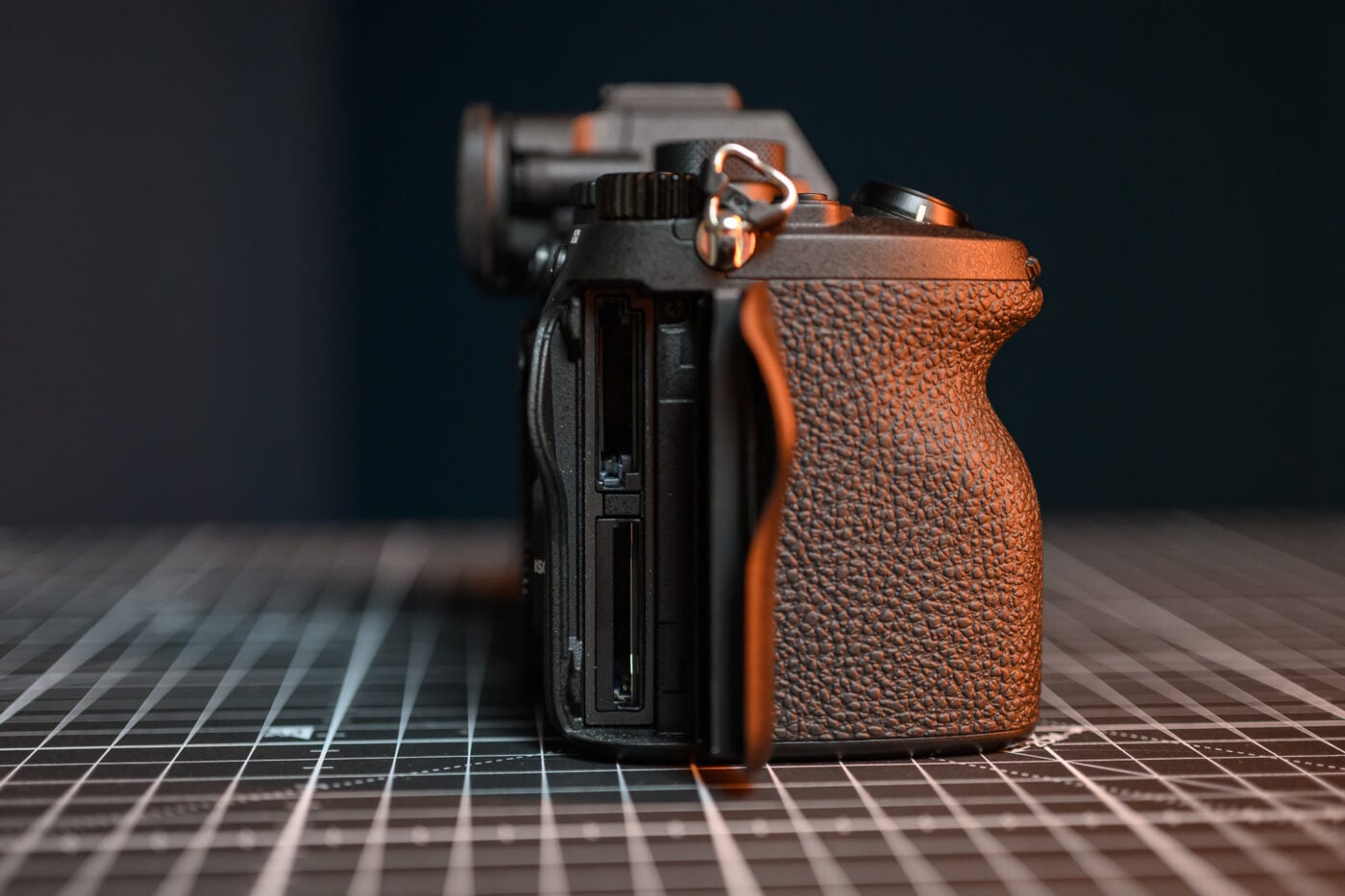
Similarly, image transfer from the camera is also faster. Files are recorded to two slots: the first accepts CFexpress Type A or SD UHS-II cards, while the second only supports SD cards. As is customary with Sony, only higher-end bodies feature two slots compatible with two different card types.
For connectivity, we find the standard full-size HDMI (Type A) port, two 3.5mm jacks(microphone and headphone), as well as… two USB-C ports, like the Z8.
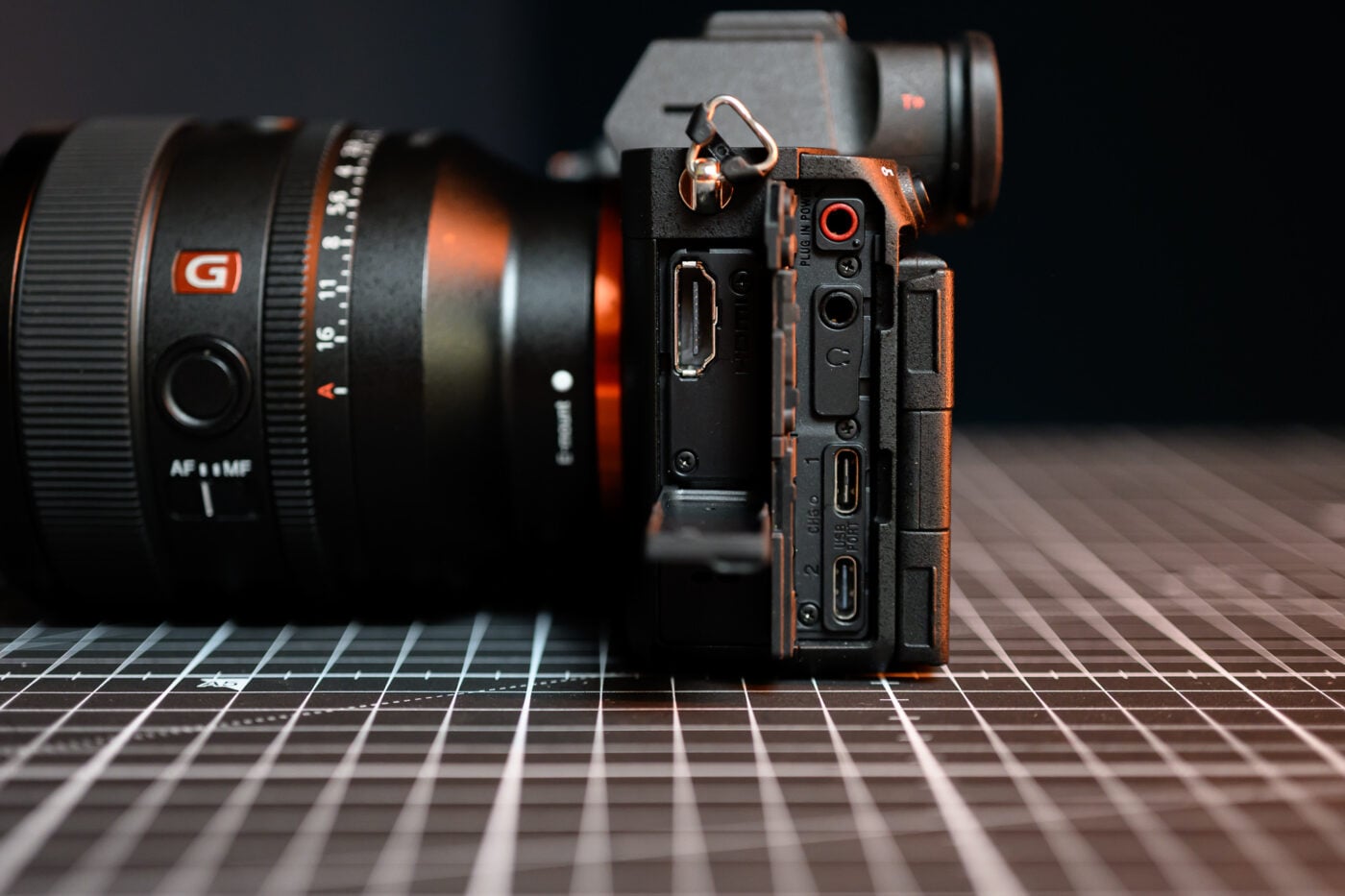
In practice, the first USB-C port remains unchanged, still using the USB 3.2 Gen2 standard (10 Gbit/s), while the second replaces the old microUSB remote port. It retains the USB 2.0 standard, so it’s not really recommended for file transfer, but rather for connecting accessories.
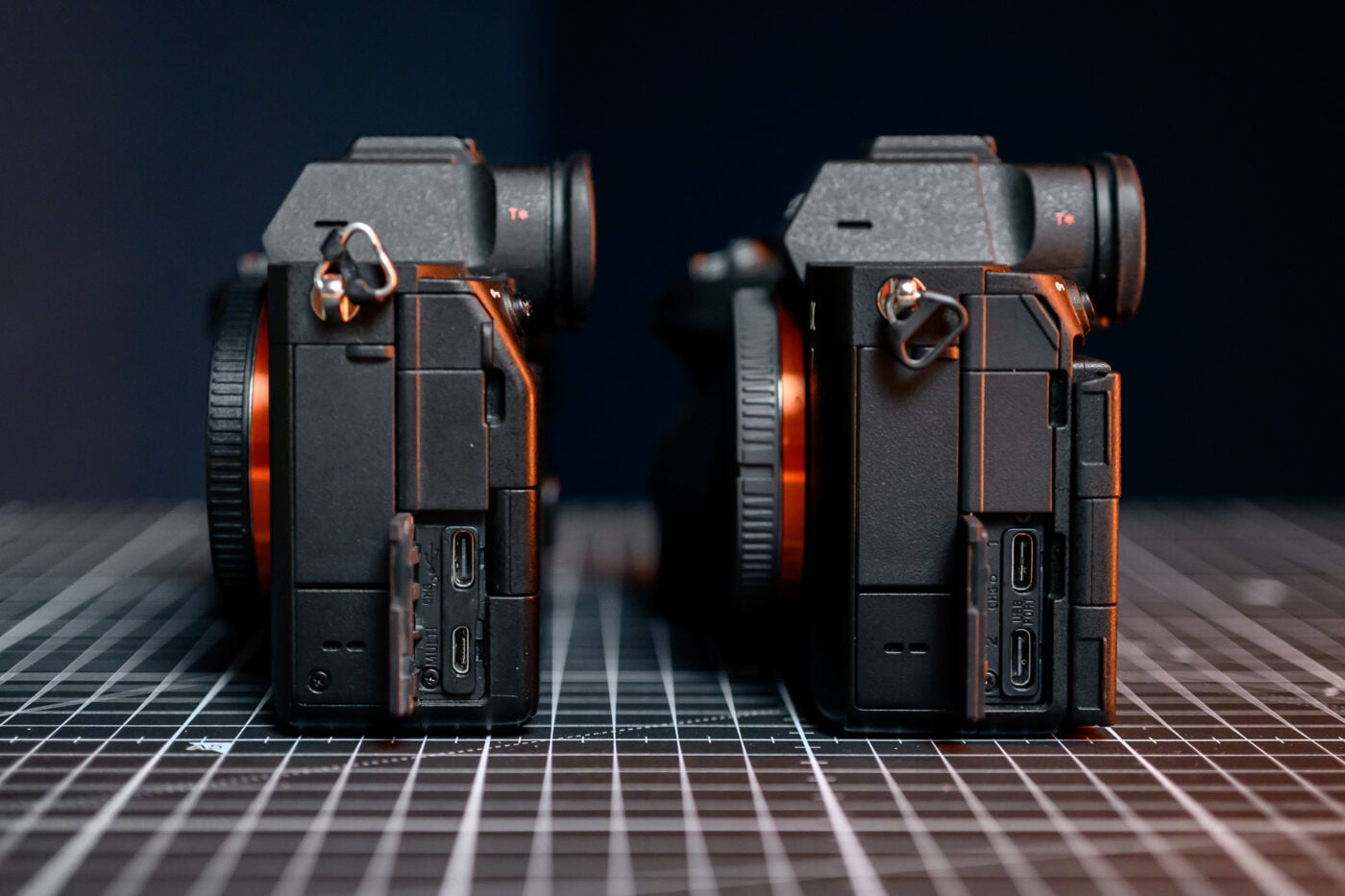
Note that you can power the camera via either of these ports, and both are PD compatible – a prerequisite for using and charging the body simultaneously.
The A7 V retains the NP-FZ100 battery from its predecessors, with a 2280 mAh capacity, but thanks to the new Bionz XR2 processor, battery life improves.
Indeed, according to Sony’s CIPA figures, the camera achieves 750 shots (using the LCD screen) or 630 shots (via the electronic viewfinder), compared to 580 and 520 for the A7 IV.
In the field, we noticed a clear improvement in battery life compared to the A7 IV or A7R V, thanks to a more energy-efficient processor.
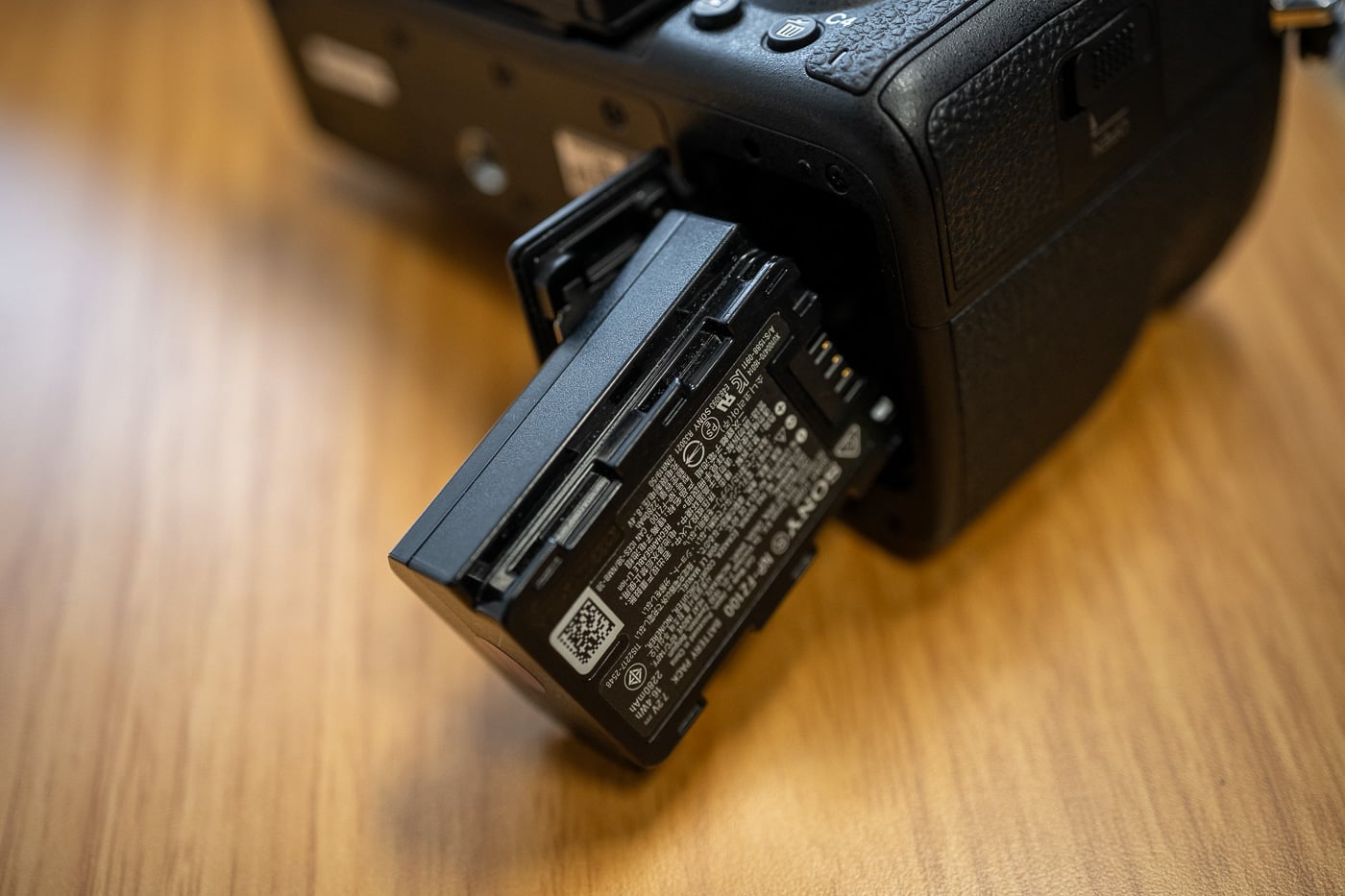
Adding features while simultaneously improving battery life is rare enough to be worth highlighting.
Sony A7 V: nearly unbeatable for stills, more cautious for video
Under heavy scrutiny, the Sony A7 V unquestionably delivers. Borrowing the well-proven and refined ergonomics of the A7R V – notably the tilt-and-swivel screen, arguably the best solution on the market – the camera doesn’t take any wild ergonomic risks, but that’s not something we object to.
The big news is obviously the partially stacked 33 MP sensor. While it retains the same resolution as its predecessor, this choice seems very well judged: it offers a good balance between cropping flexibility and high-ISO management, while maintaining excellent image quality.
Moreover, the partially stacked architecture is a genuine step forward, allowing you to approach video capture and high-speed bursts with greater confidence.

The autofocus, heir to Sony’s latest advances, impresses with its deadly accuracy. Few bodies can rival it in the field. Stills, video, high-speed bursts, animals, or vehicles – nothing seems to escape it.
Finally, the leap from 10 to 30 fps marks a true turning point for Sony. This performance boost allows the A7 V to better stand its ground against the 2025 competition. But this is also where its limits appear: while the frame rate is impressive, it’s quickly hampered by a shallow buffer – a trade-off that clashes with the expectations you’d have of a body with professional aspirations.
Similarly, while the video mode finally allows 4K 60 fps recording, it remains limited: for the best image quality, a slight crop is still necessary. Facing the 6K, Open Gate, and RAW recording options offered by competitors, this approach feels more conservative – a compromise that may discourage some videographers, professional or otherwise, looking for more advanced formats.
The Sony A7 V is therefore not a perfect camera, but does such a thing truly exist? The A7 V relies on proven ergonomics, and the adoption of a new sensor/processor pairing considerably improves the body. Flaws persist, some reflecting the restrictions Sony seems determined to maintain, but they don’t fundamentally undermine the A7 V.
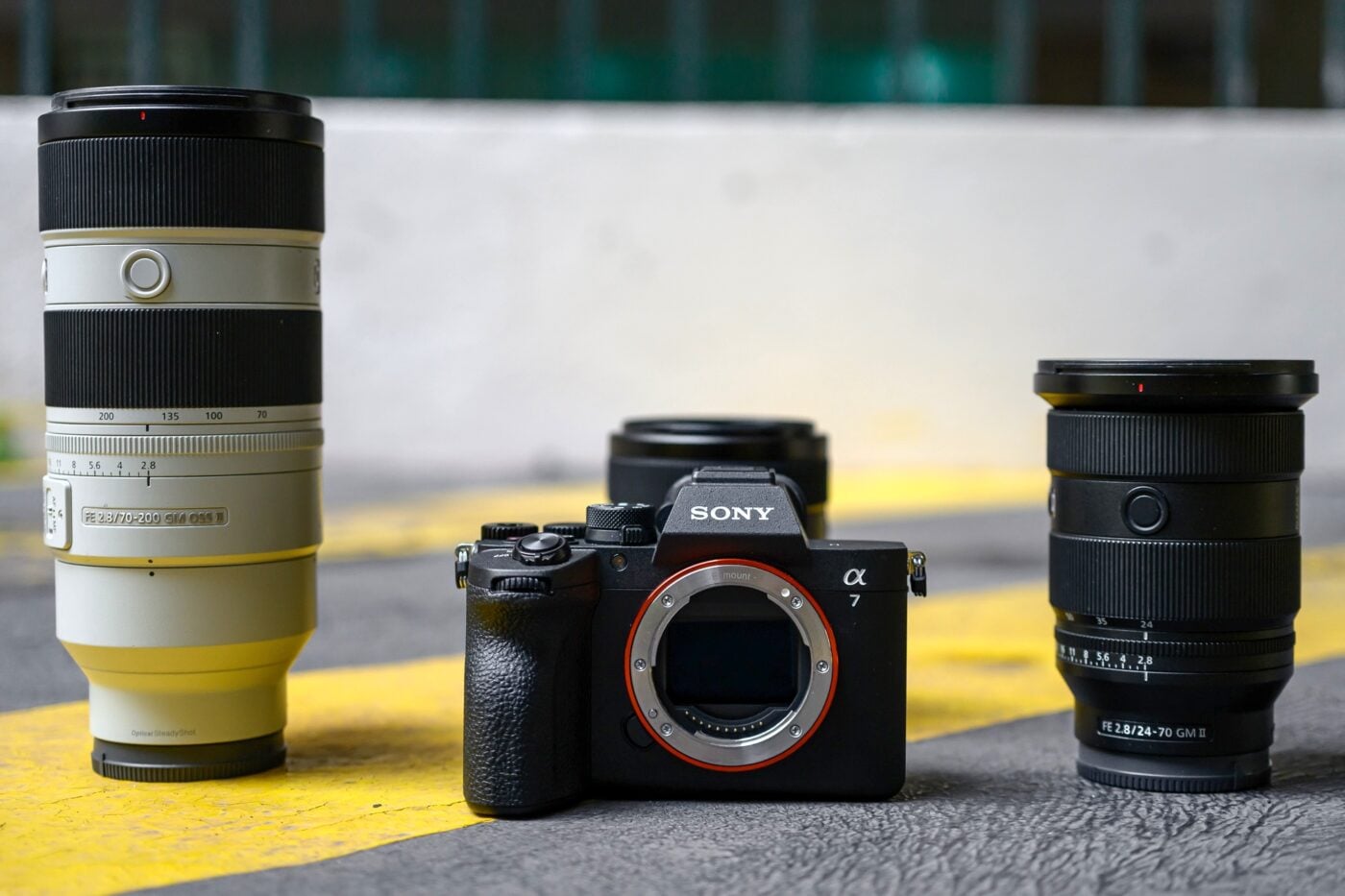
Now that all the pieces are in place, the question remains whether the Sony A7 V can hold off an ever-sharper competition.
Sony has also tried to contain inflation, with a price increase of “only” $200 compared to the previous generation – whereas there was a $500 gap between the A7 III and A7 IV. The A7 V is thus in line with the Canon EOS R6 Mark III and priced the same as the Nikon Z6 III at its mid-2024 launch. Only the Lumix S1 II still feels a bit too expensive for our taste.
The Sony A7 V is available at a price of $2,898.