

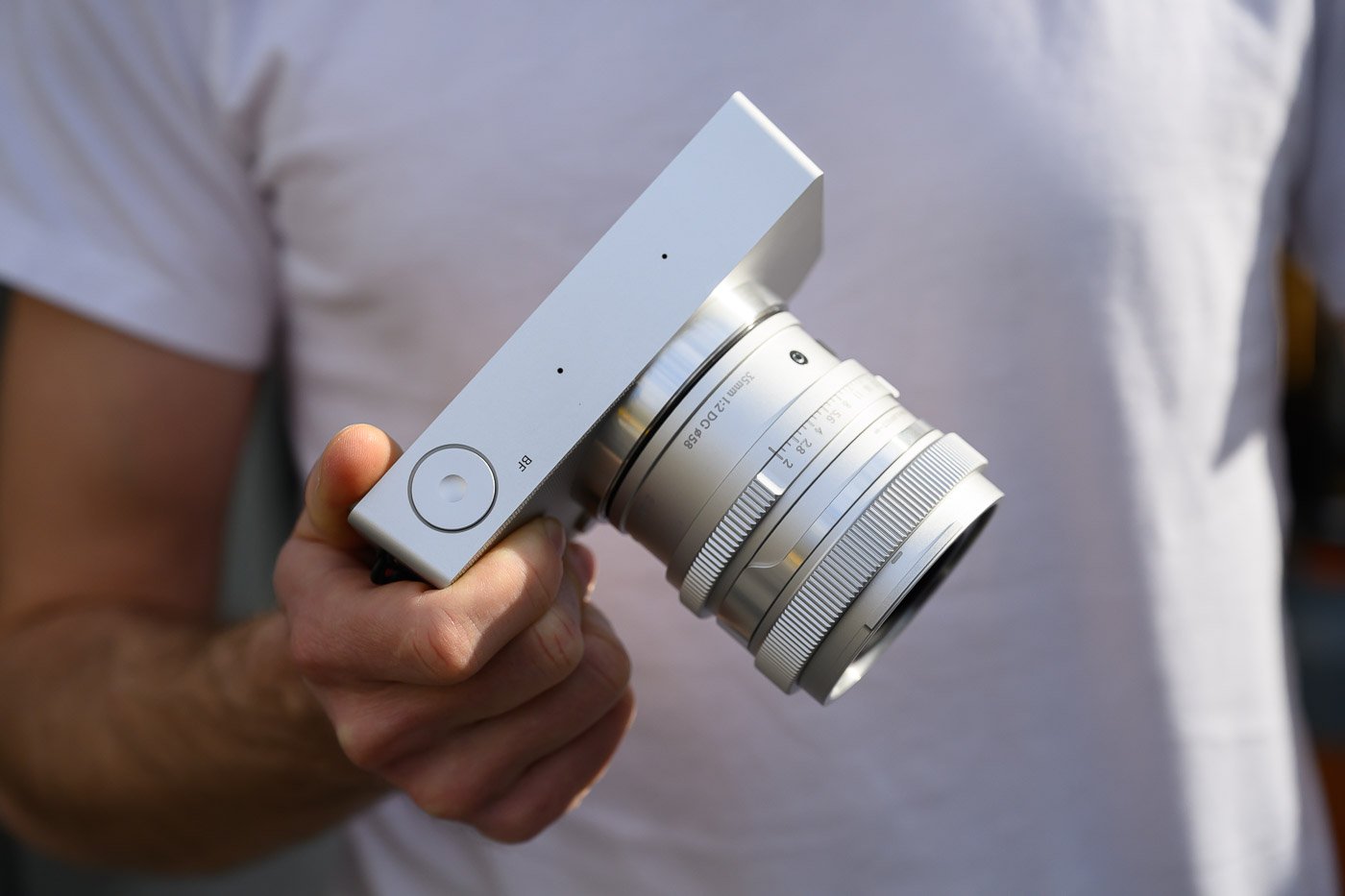

In February 2025, Sigma unveiled a new and truly unique camera. The Sigma BF is a 24-megapixel full-frame mirrorless camera with a minimalist design, carved from a single block of aluminum. It aims to offer a refined photographic experience, reinventing the rules.
The camera seeks to revive the magic of everyday photography by drawing inspiration from smartphone interfaces and relying on its internal storage and single USB-C port. But has Sigma succeeded in its endeavor? Does this niche camera truly combine elegance and performance? We had the opportunity to use it for several weeks during our trip to Japan for CP+ 2025, and here is our full review of the Sigma BF.

Sommaire
- Sigma, the optics manufacturer that ALSO makes camera bodies
- Sigma BF: sleek design and minimalist ergonomics
- A confusing but very pleasant user interface
- Performance and image quality
- Sigma BF autofocus and tracking
- Responsiveness, burst mode, and rolling shutter
- Lack of stabilization
- Video : 6K 30p recording
- Sigma BF battery life
- Connectivity: USB-C and that’s it!
- Sigma BF, a camera body you either love or hate
Sigma, the optics manufacturer that ALSO makes camera bodies
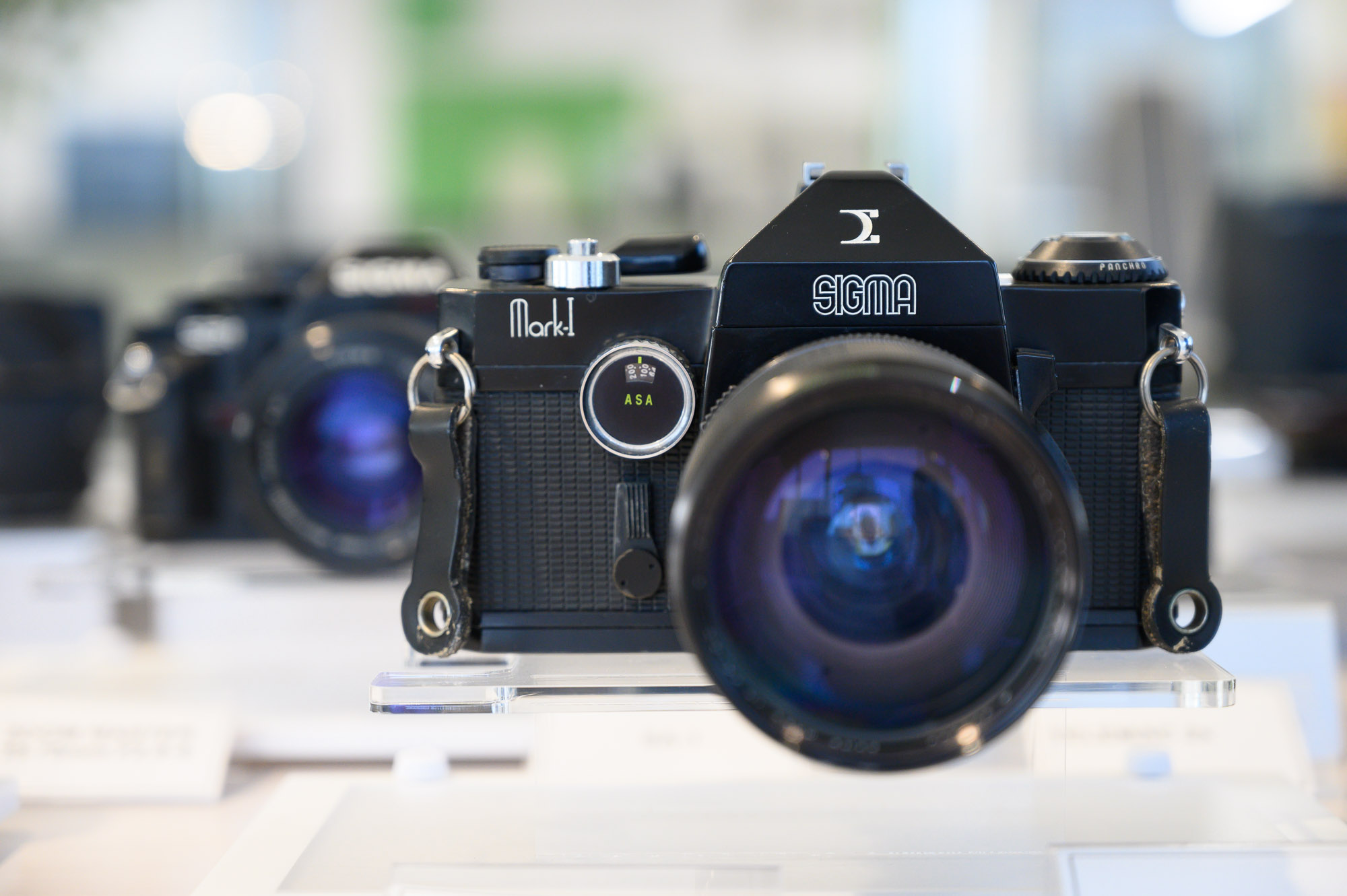
A camera body made by a third-party lens manufacturer – what a strange idea! At first glance, yes, but that’s forgetting Sigma’s long history of designing cameras. The Japanese lens manufacturer produced film cameras in the 1970s and 1990s, then digital cameras, several of which were equipped with a Foveon X3 sensor.
Notable examples include the SD series of APS-C SLR cameras with SA mounts released between 2002 and 2011, the DP series of expert compact cameras combining APS-C sensors and fixed focal lengths, and the dp Quattro series featuring an angular design and improved image processing.
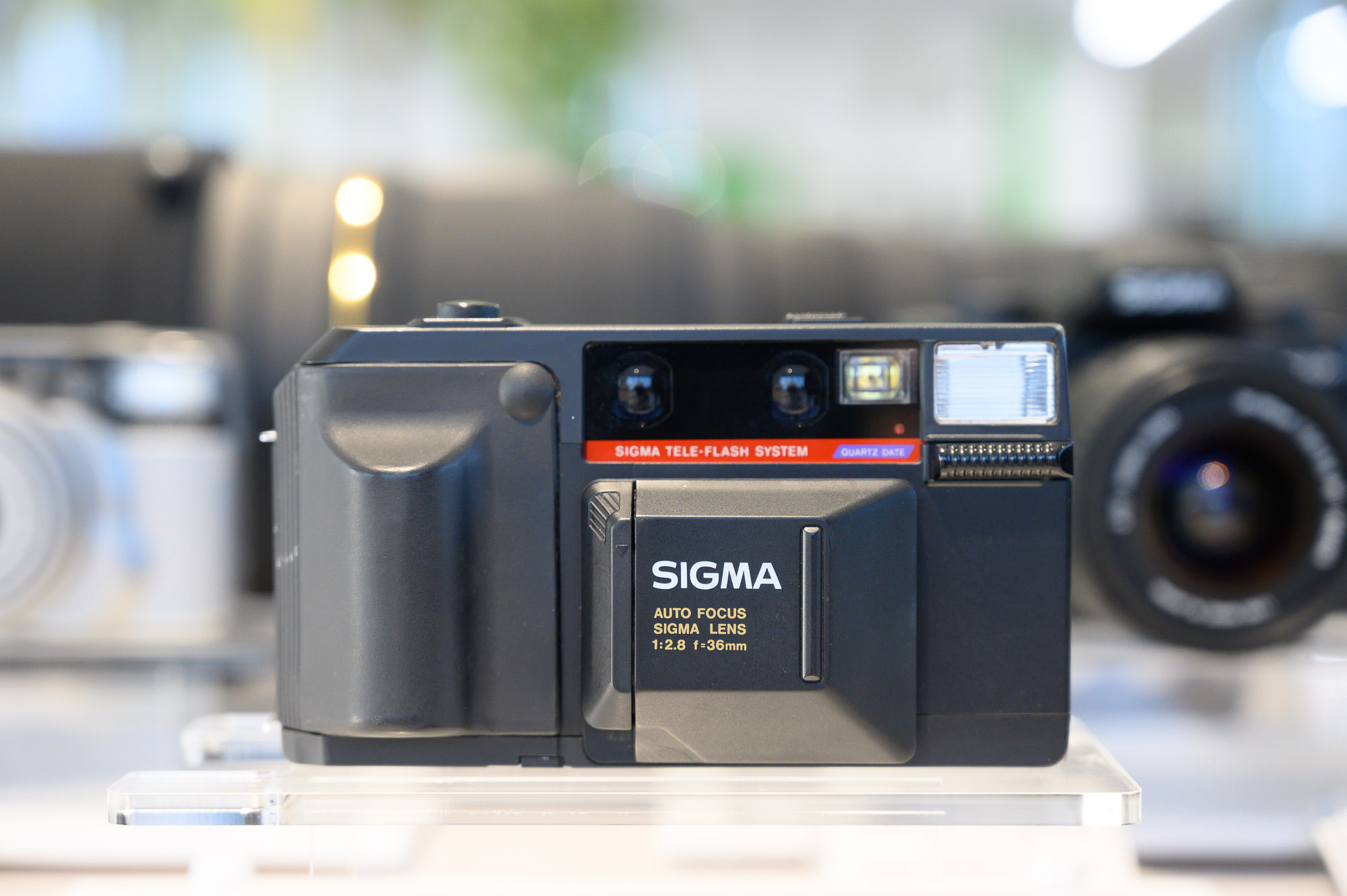
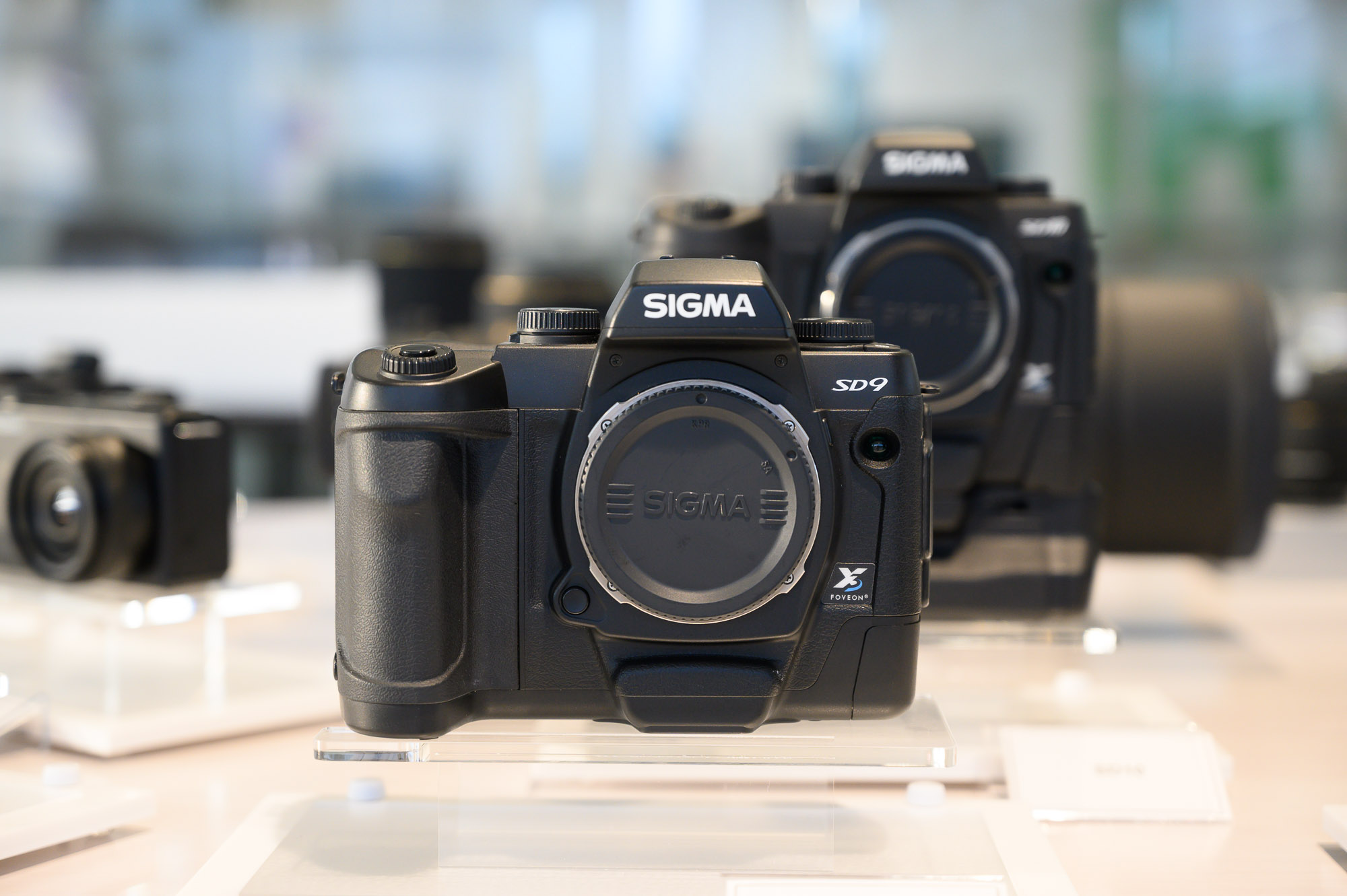
After joining the L-Mount Alliance, Sigma launched the fp and fp L cameras in 2019 and 2021, respectively. These are two very compact and modular full-frame L-mount hybrids, particularly optimized for video—although the fp L has a 61-megapixel sensor and is designed more for photography.
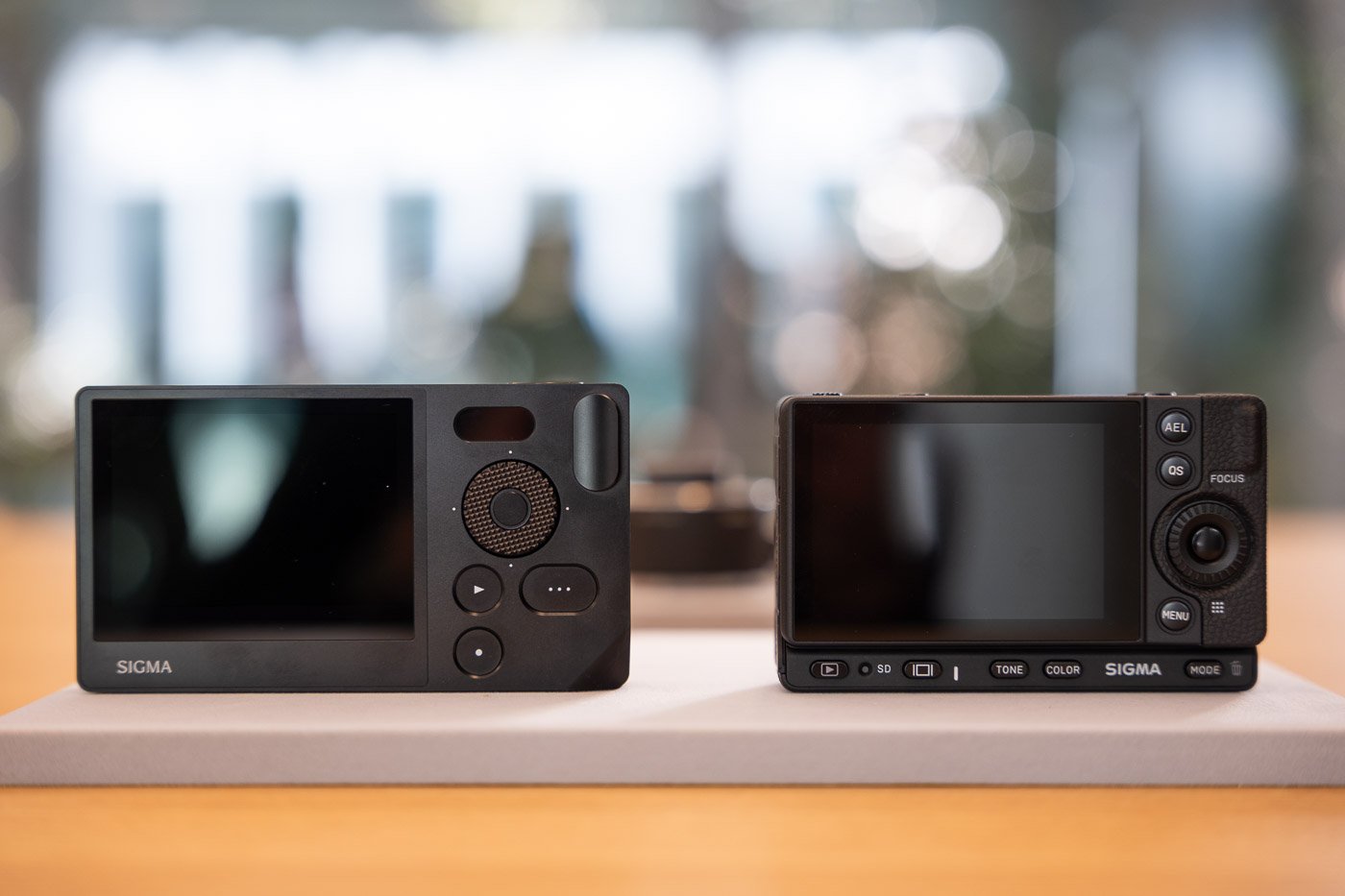
Sigma is therefore no novice in this field, and has even become a specialist in camera bodies with ergonomics that break with the ordinary.
For its part, equipped with a reasonable 24-megapixel full-frame sensor, capable of filming up to 6K L-Log, with internal memory and a simple USB-C port as its interface, the BF stands out and surprises, notably with a completely redesigned user interface.

At the launch of the BF, Sigma CEO Kazuto Yamaki highlighted the rapid development of smartphones in terms of image quality and usability. He believes that everyday cameras need to reinvent themselves, and presents the Sigma BF as “the everyday camera for creative minds,” with a philosophy of simplicity and elegance.
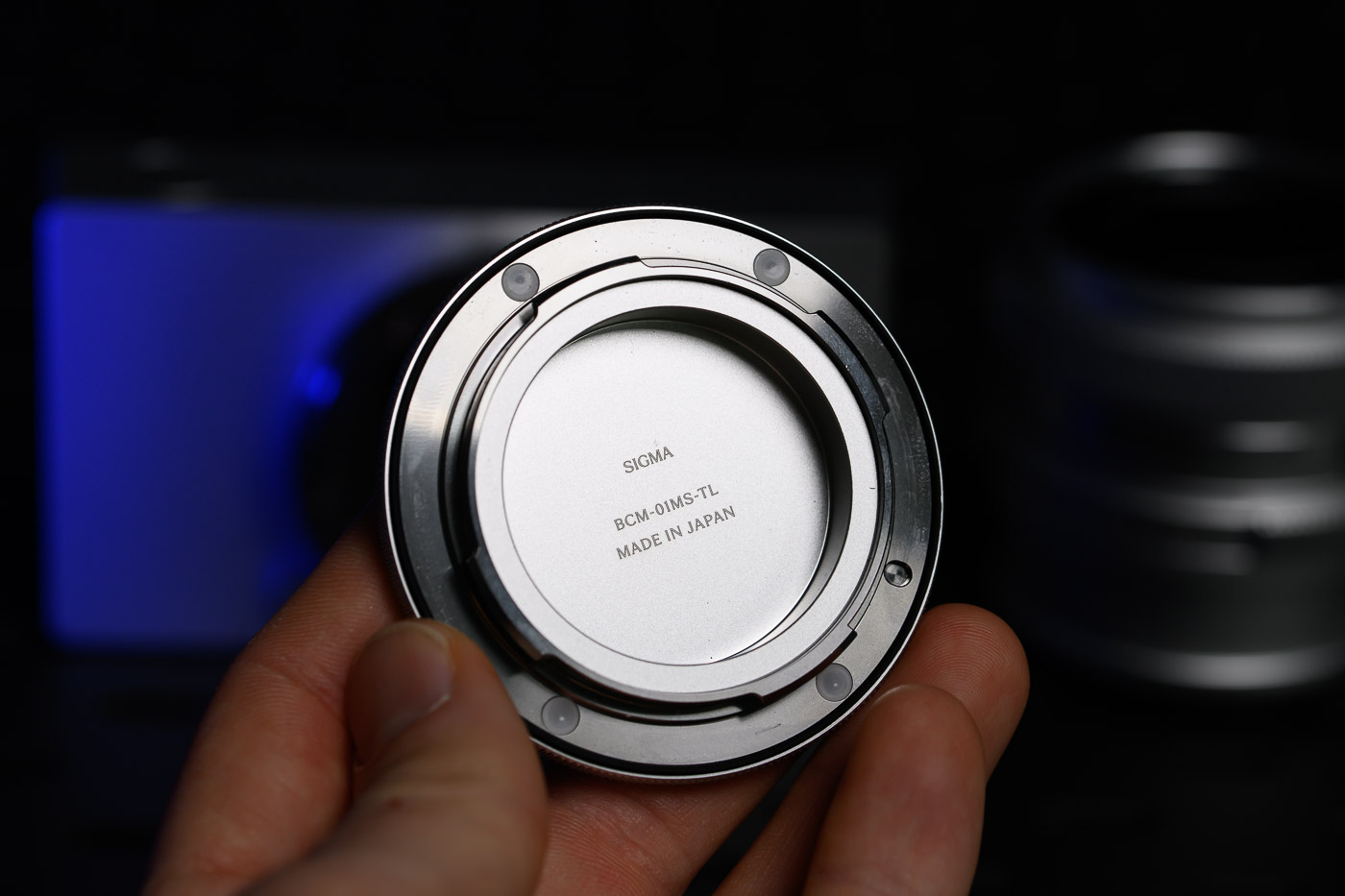
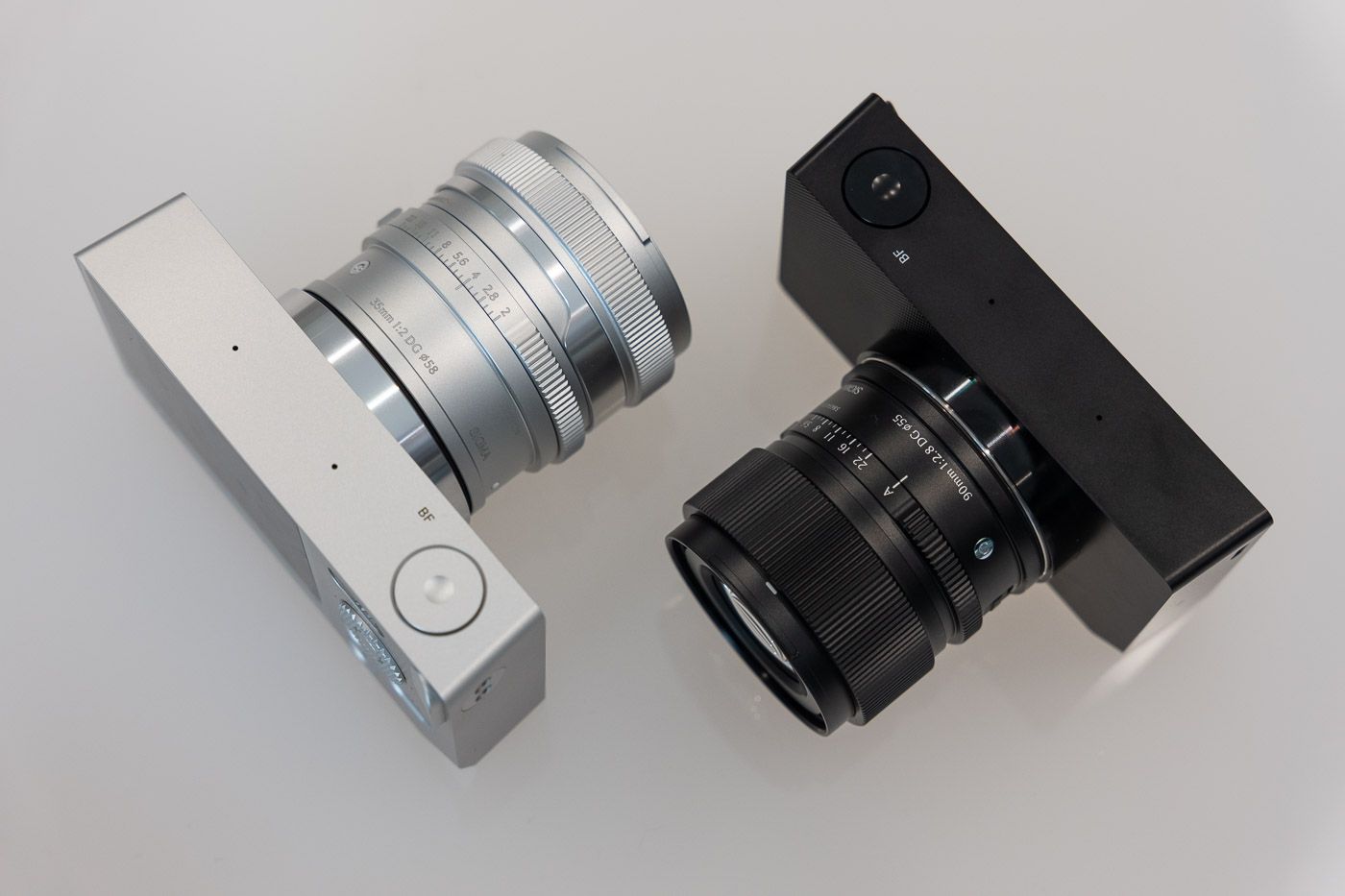
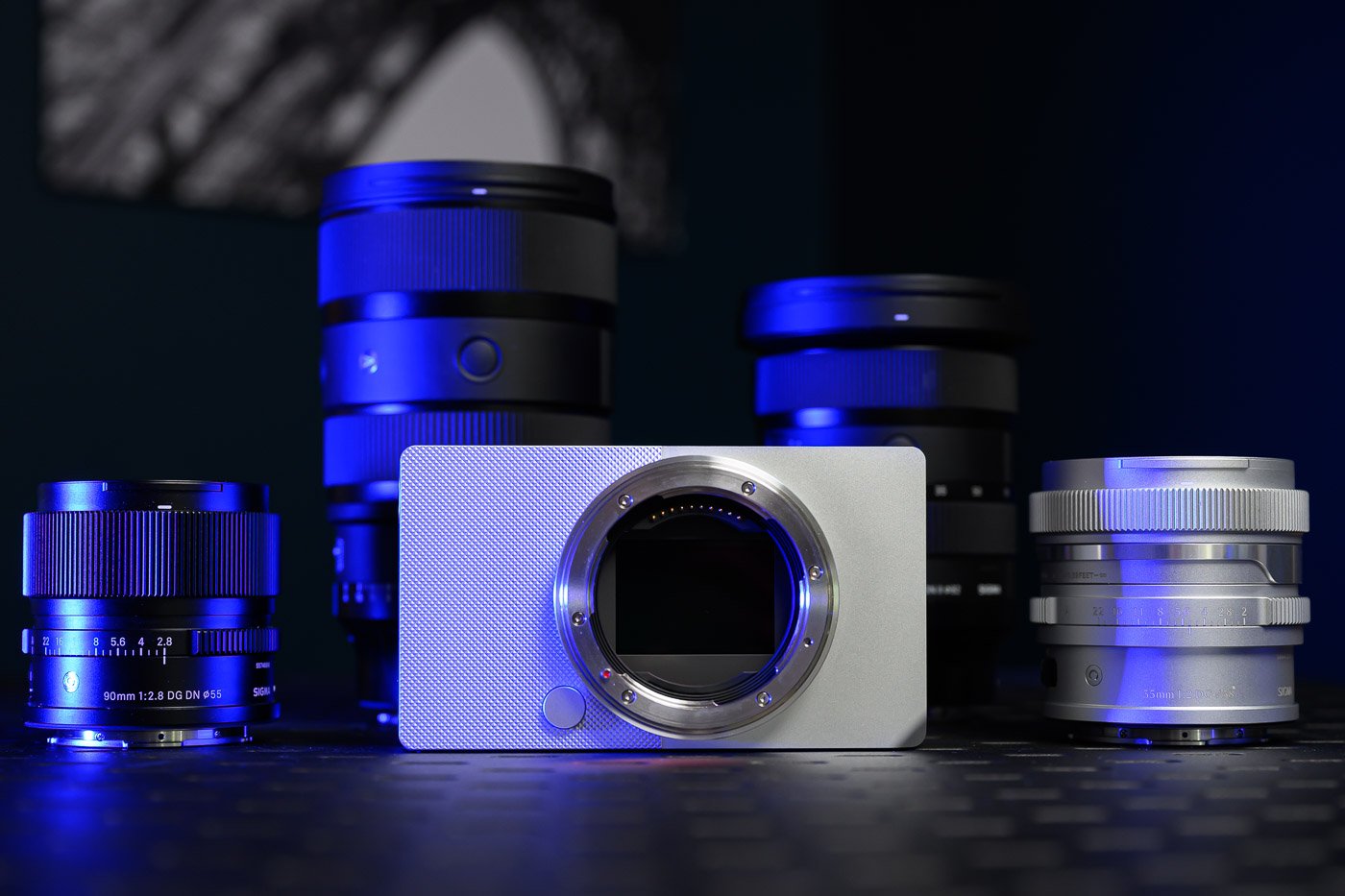
Sigma also took advantage of the release of the BF to offer its Contemporary Series I fixed focal length lenses in silver (in addition to black), to better match this camera body.
Here is the list of technical specifications for the Sigma BF:
- sensor: full-frame 24.6 MP BSI CMOS
- low-pass filter: N.C.
- Processor: N/A
- frame: L
- electronic viewfinder: N/A
- LCD screen: fixed, touchscreen, 3.15 inches, 2.1 million pixels
- autofocus: Hybrid AF
- number of AF points: N/A
- AF coverage: 100%
- automatic detection and tracking: humans, felines, canines
- AF range: N/A
- sensitivity: 100 to 102,400 ISO (expandable to ISO 6)
- burst (mechanical shutter): N/A
- burst mode (electronic shutter): 8 fps with AE/AF tracking
- shutter speed: 30 s – 1/25,600 s (electronic only)
- video: 6K 30p, 4K 30p, Full HD 120p
- colorimetric profiles video: L-Log
- storage: 230 GB internal
- wireless connectivity: N/A
- Battery: BP-81, battery life 260 images (CIPA)
- USB port charging: yes USB-C
- tropicalization: weather and dust resistant
- dimensions: 130 x 72.8 x 36.8 mm
- weight: 446 g (with battery)
- launch price (bare): $2,199
Sigma BF: sleek design and minimalist ergonomics
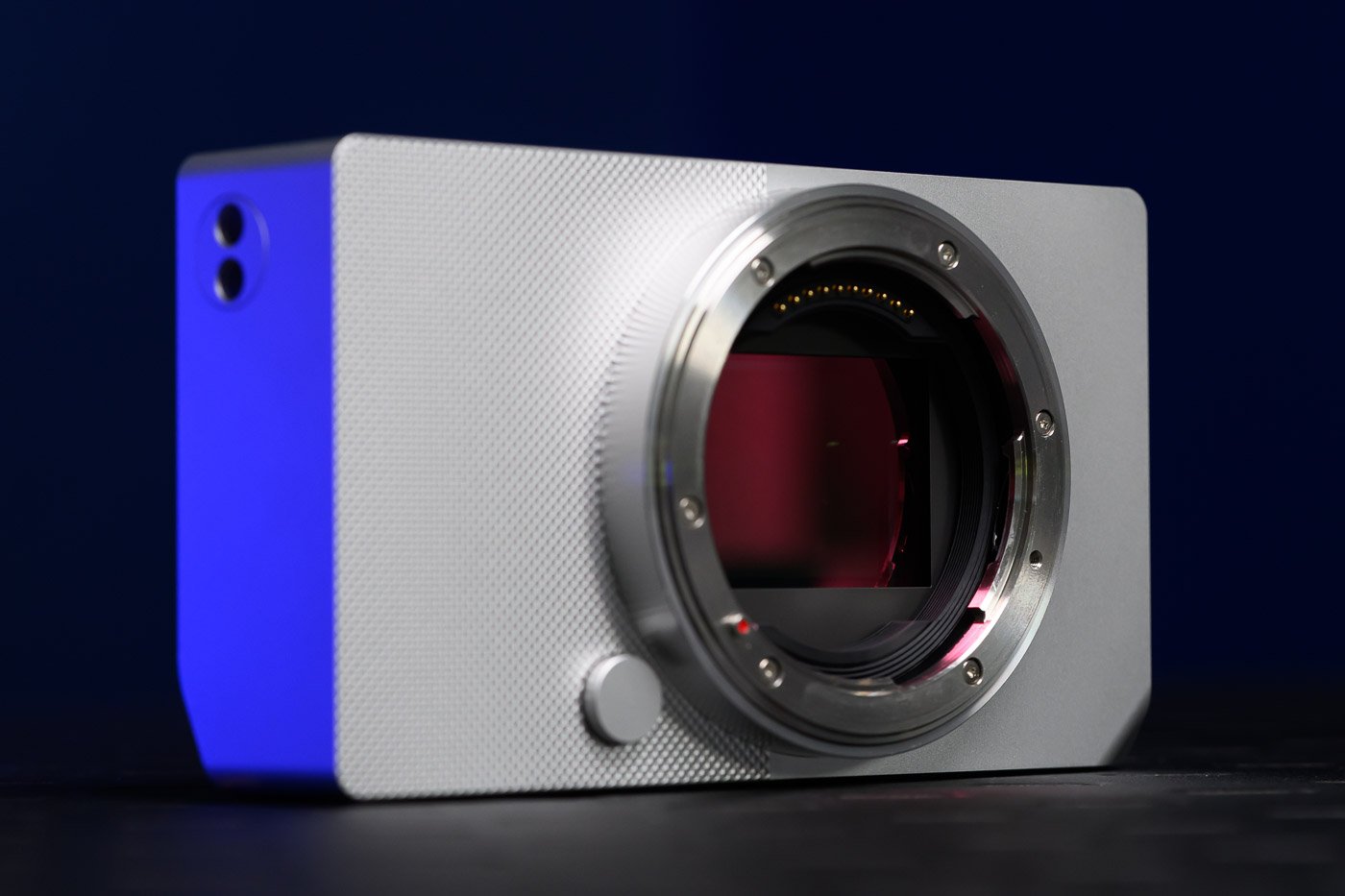
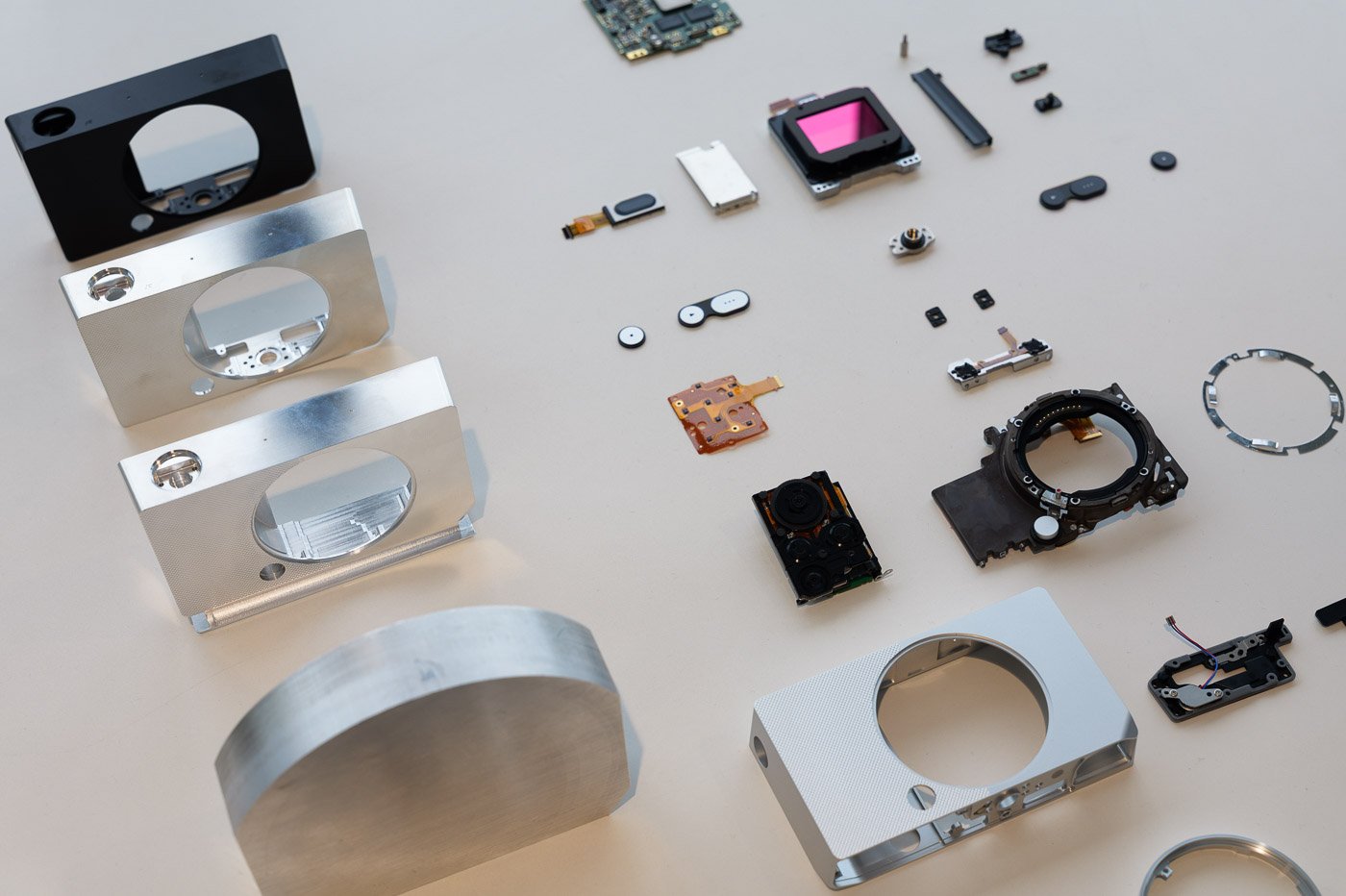
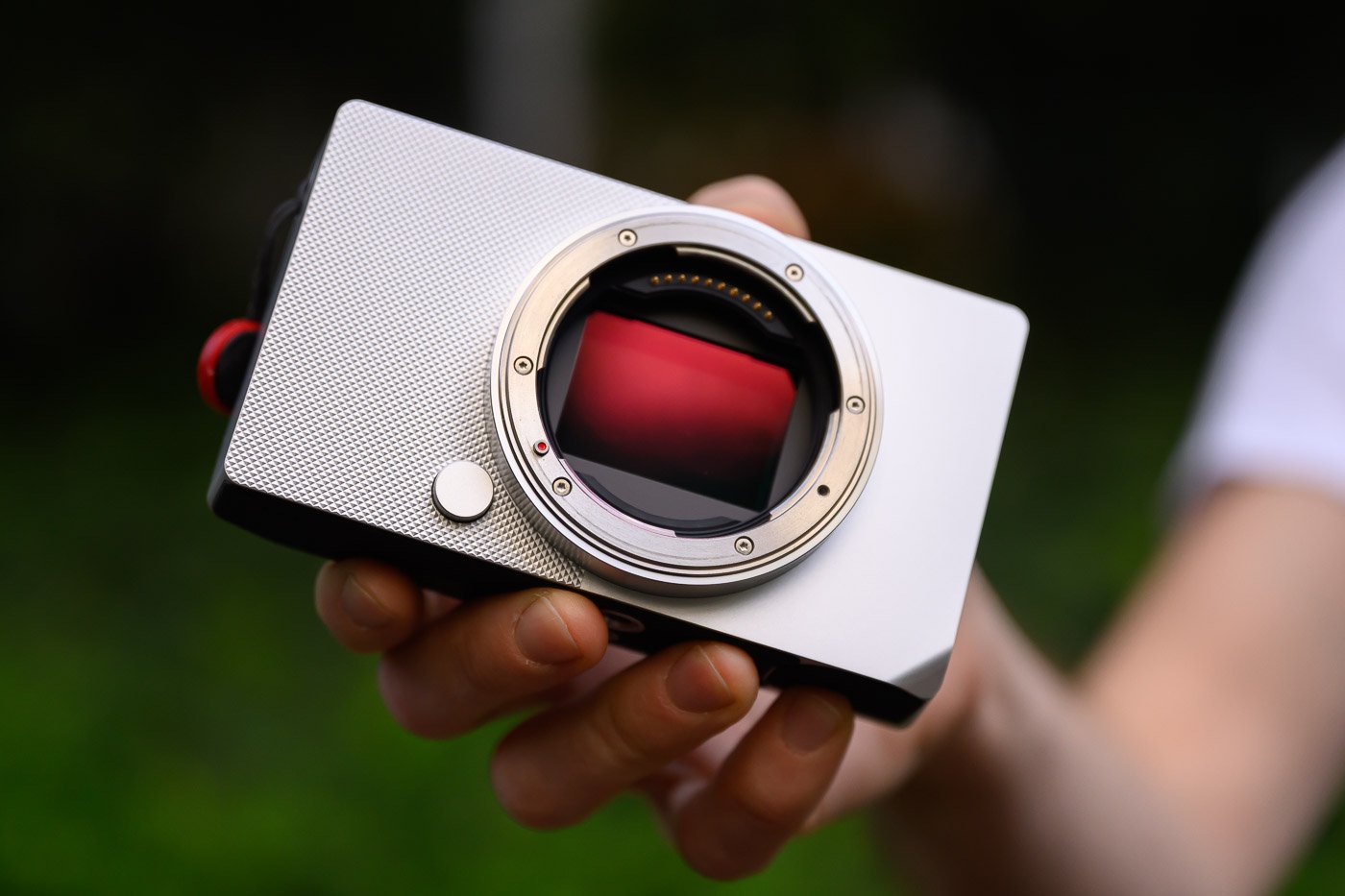
From the very first glance, the Sigma BF produces a bit of a “wow” effect, especially in its silver version. Machined from a single block of aluminum over the course of seven hours, this camera looks like it came straight out of the lab of a highly inspired designer.
Aesthetically, the Sigma BF evokes Braun design and the retro-futuristic creations of Teenage Engineering, embracing a sleek and bold approach. Incidentally, BF stands for Beautiful Foolishness.
Others have also suggested that the Sigma BF could have come out of Apple’s design studios, if the Californian firm were designing a camera, since the tech giant is known and recognized for its unibody aluminum products.
Closer to home, this camera is also reminiscent of Leica’s TL series, which stood out for its minimalist and innovative design, the result of a collaboration with Audi.

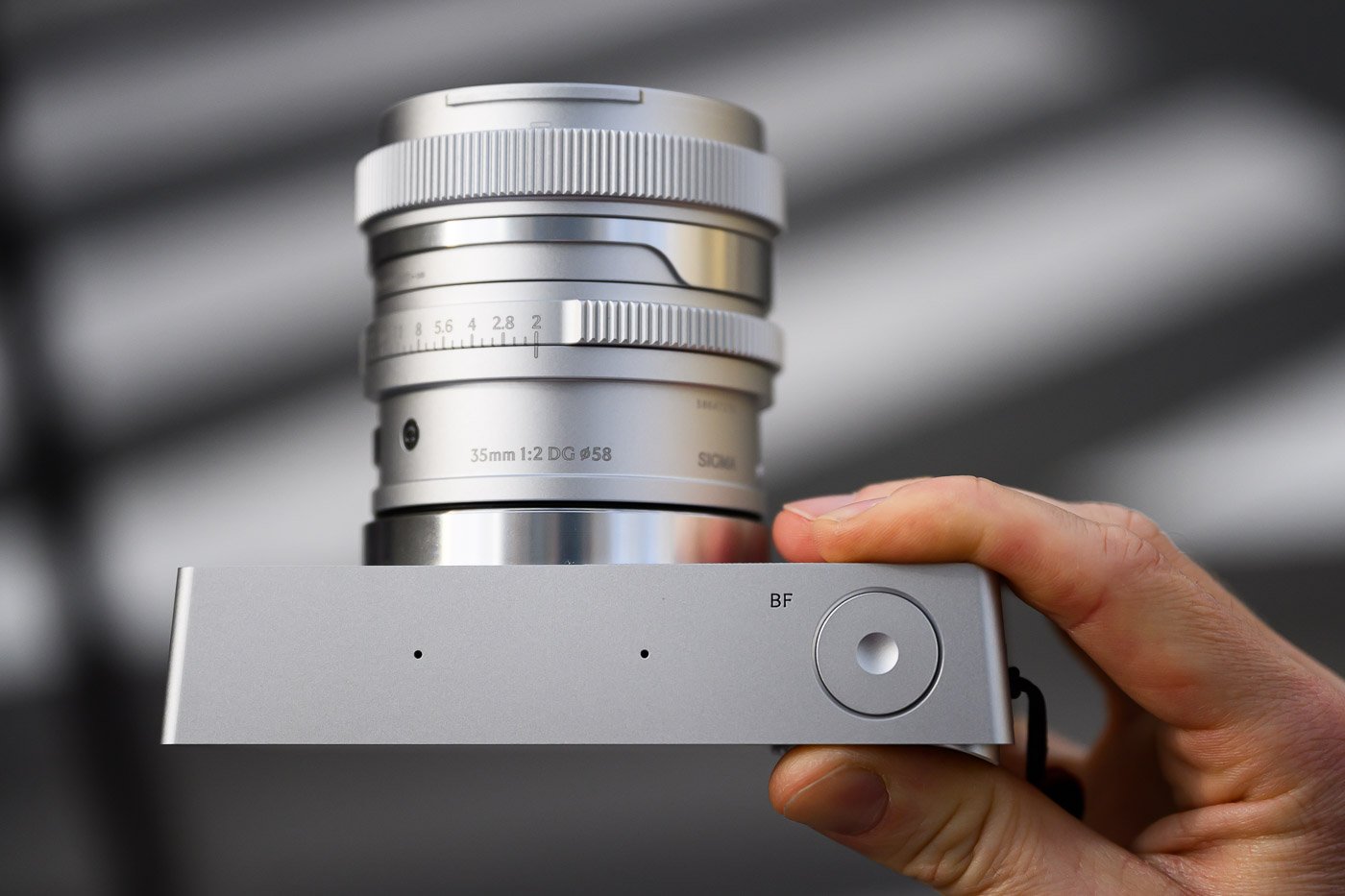
As explained above, the Sigma BF has a very sleek design, with the bare minimum in terms of physical controls– more on that below. The manufacturer may even have gone a little too far by not equipping the body with an accessory shoe for attaching a microphone or flash, or even a grip.
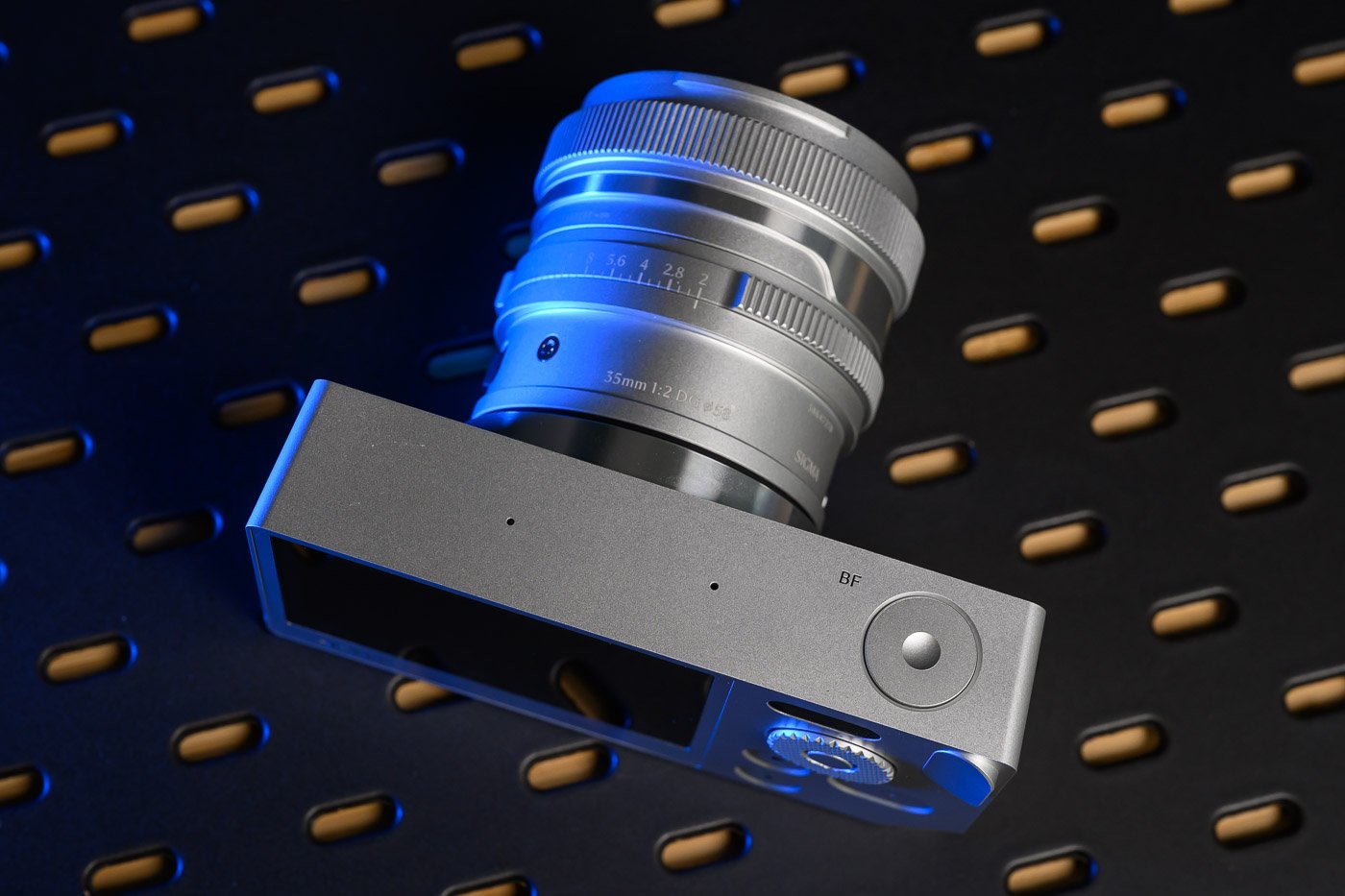
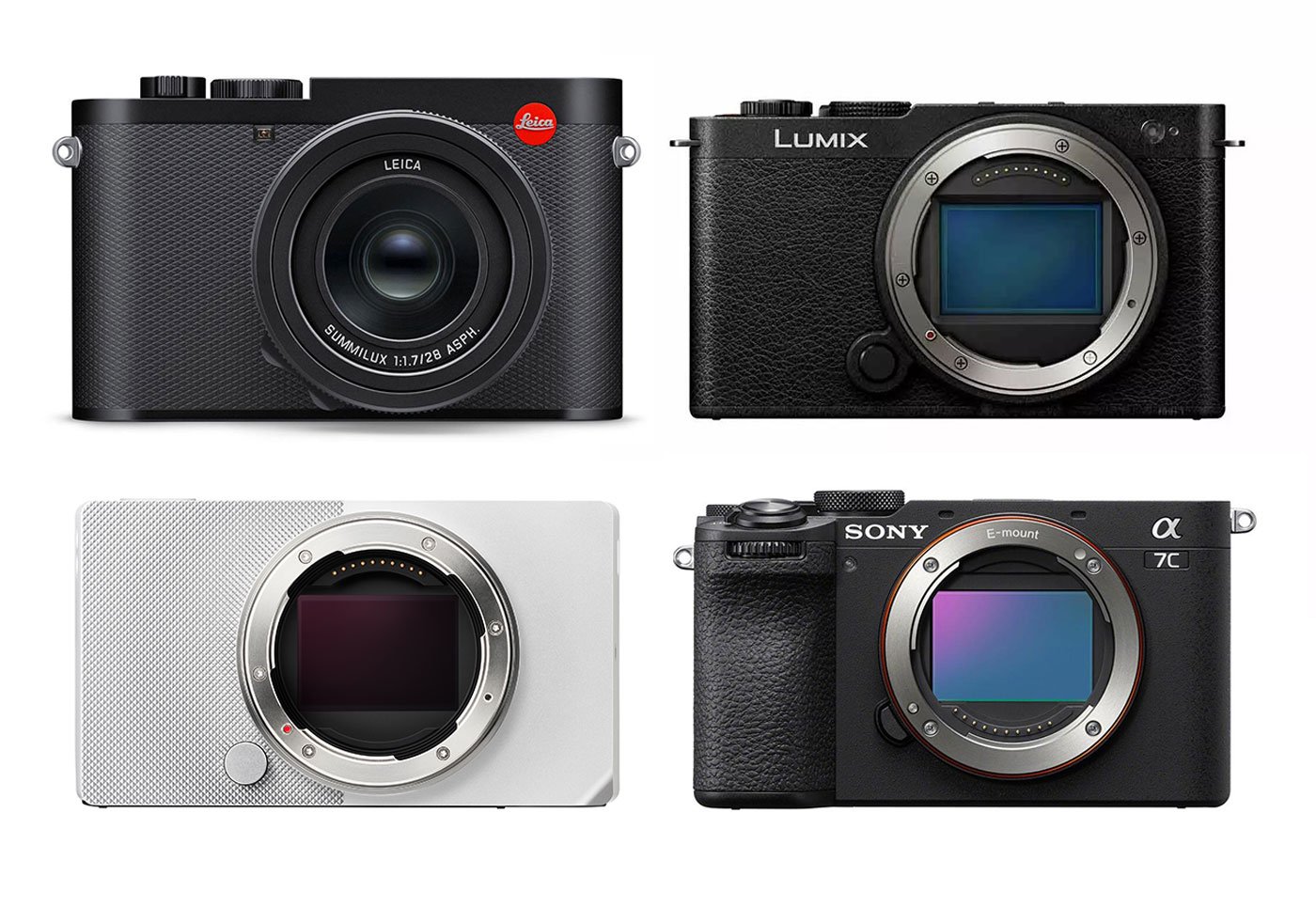
The body measures 13 x 7.28 x 3.68 cm (W x H x D) and weighs 446 g without a lens. Compared to the Sigma fp, it is slightly larger but also a little thinner. The BF is one of the most compact and portable full-frame mirrorless ILC, even more so than the Lumix S9 or the Sony A7C II, even though the latter has a grip and a viewfinder. It should also be noted that the BF does not have a stabilized sensor, unlike the aforementioned cameras. We really hope that Sigma will soon offer an L-mount pancake lens (with autofocus) for this camera.
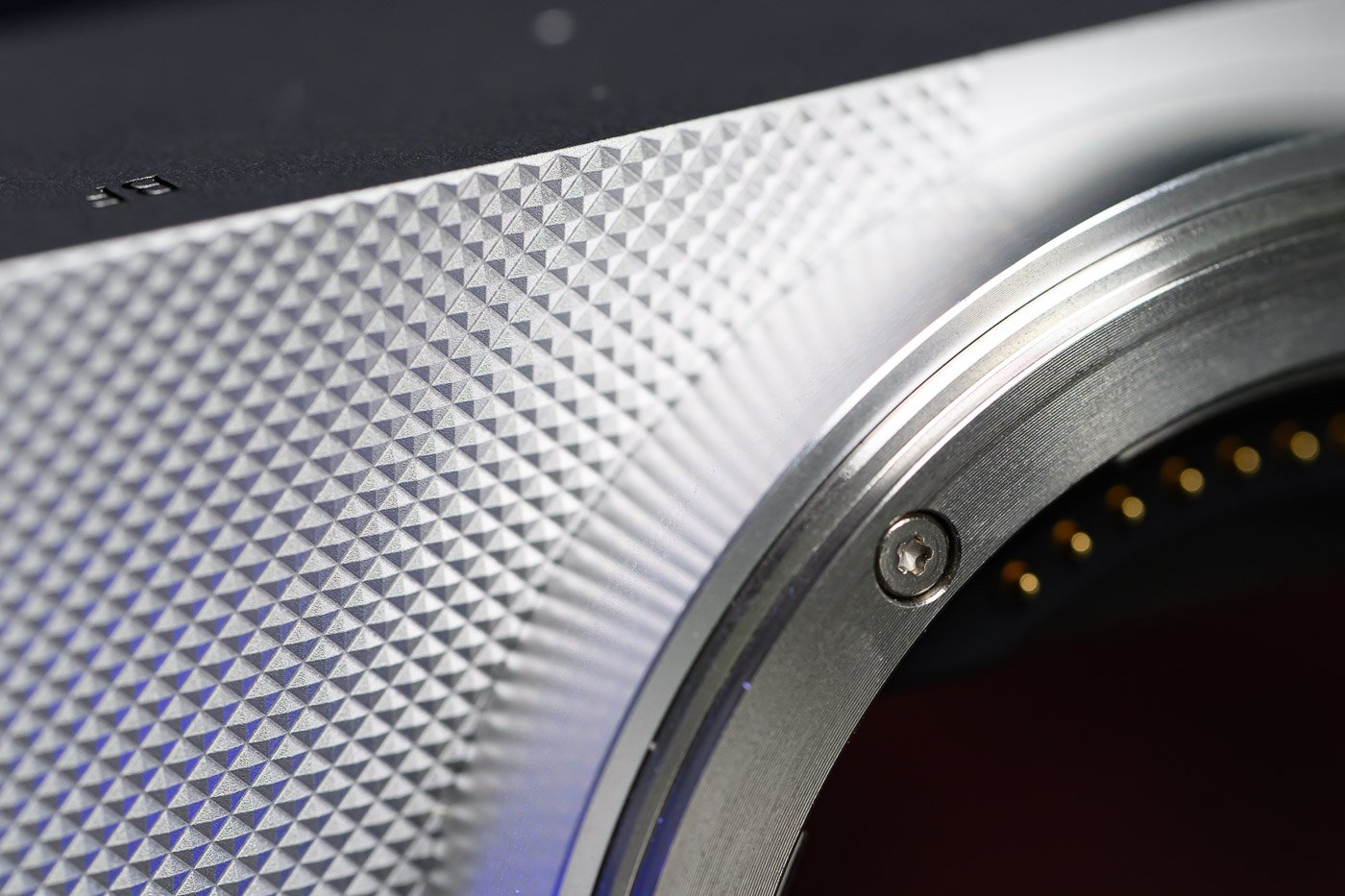
With an all-aluminum frame, it could have been slippery as soap. But that’s not the case, and the BF is quite easy to grip thanks to a Parisian nail pattern on half of the front panel, where your fingers rest. So there’s no grip, although accessory manufacturers are already working on solutions, such as Helium Design Lab.
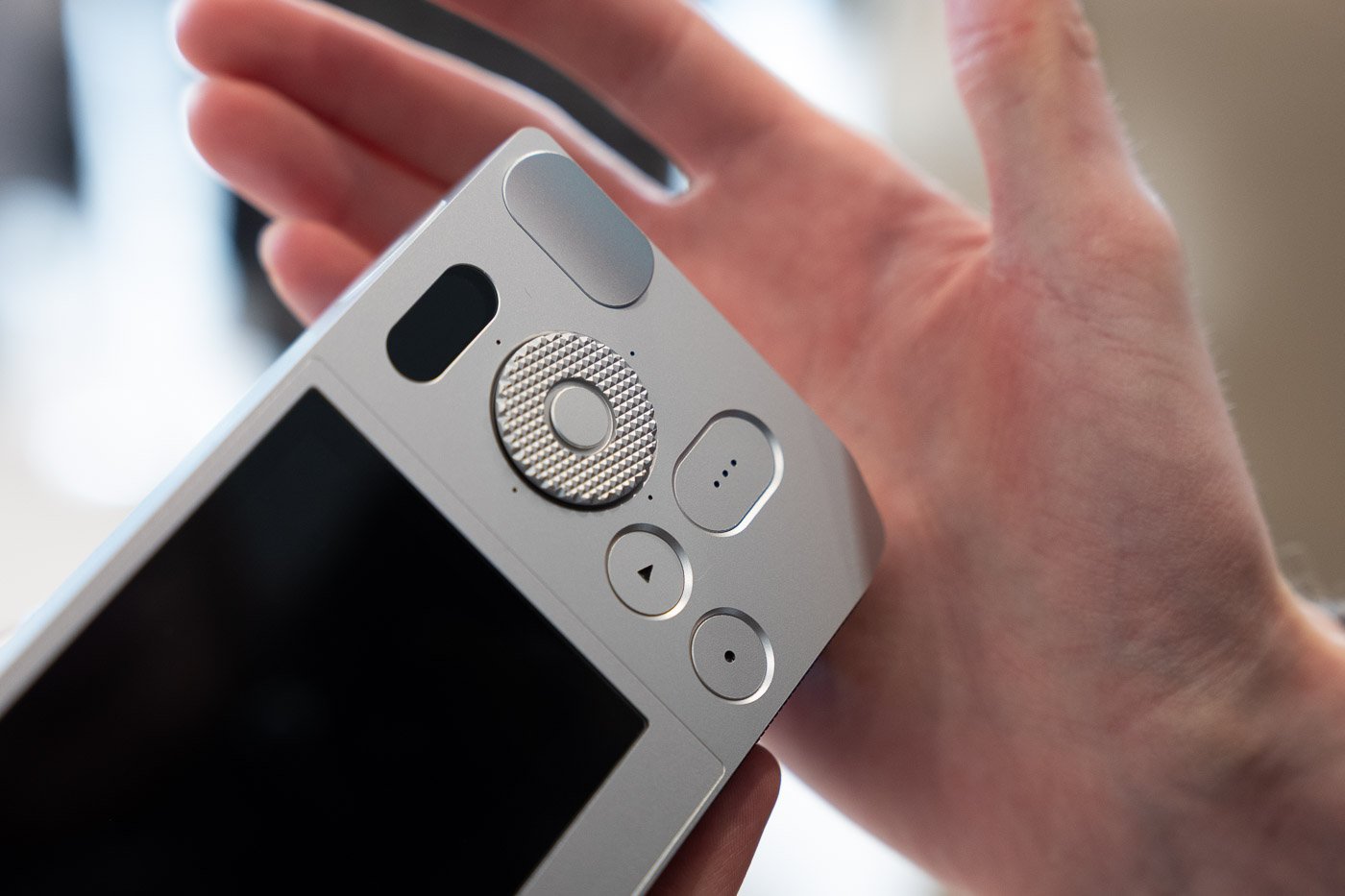
The thumb rest on the back allows you to hold the case correctly with one hand. While the edges of the case are sharp, there are two beveled corners where your palms naturally rest, allowing for a good overall grip.
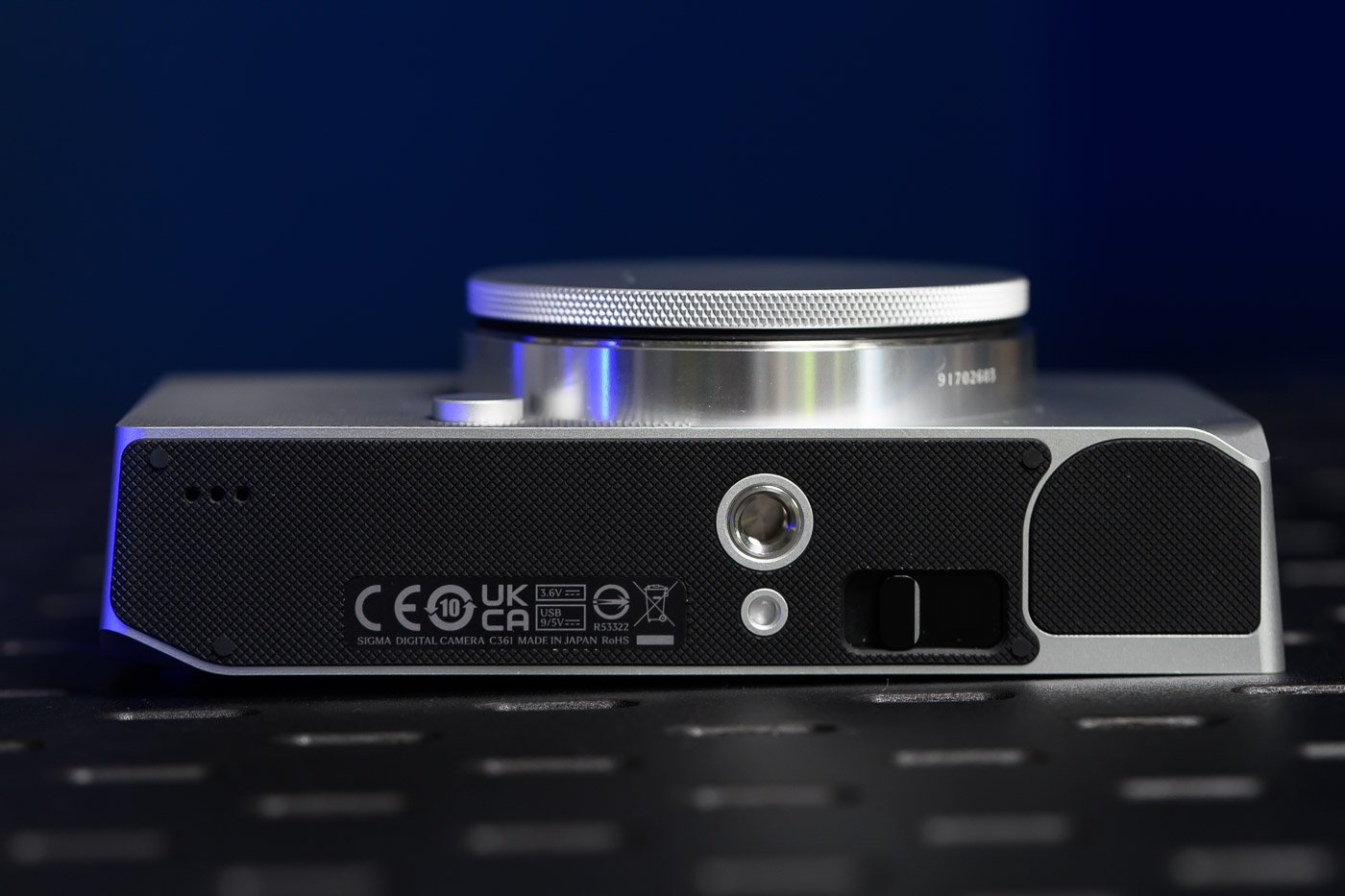
The bottom has a non-slip coating with four small pads to raise the case, preventing scratches when it is placed on a surface.
Of course, the Sigma BF has been designed to offer perfect balance with Sigma L-mount lenses, particularly the fixed focal lengths of the I Series, renowned for their compactness and optical performance. While it is possible to mount larger lenses, such as the 24-70 mm f/2.8 DG DN Art II, without compromising comfort, this is not necessarily its primary purpose.
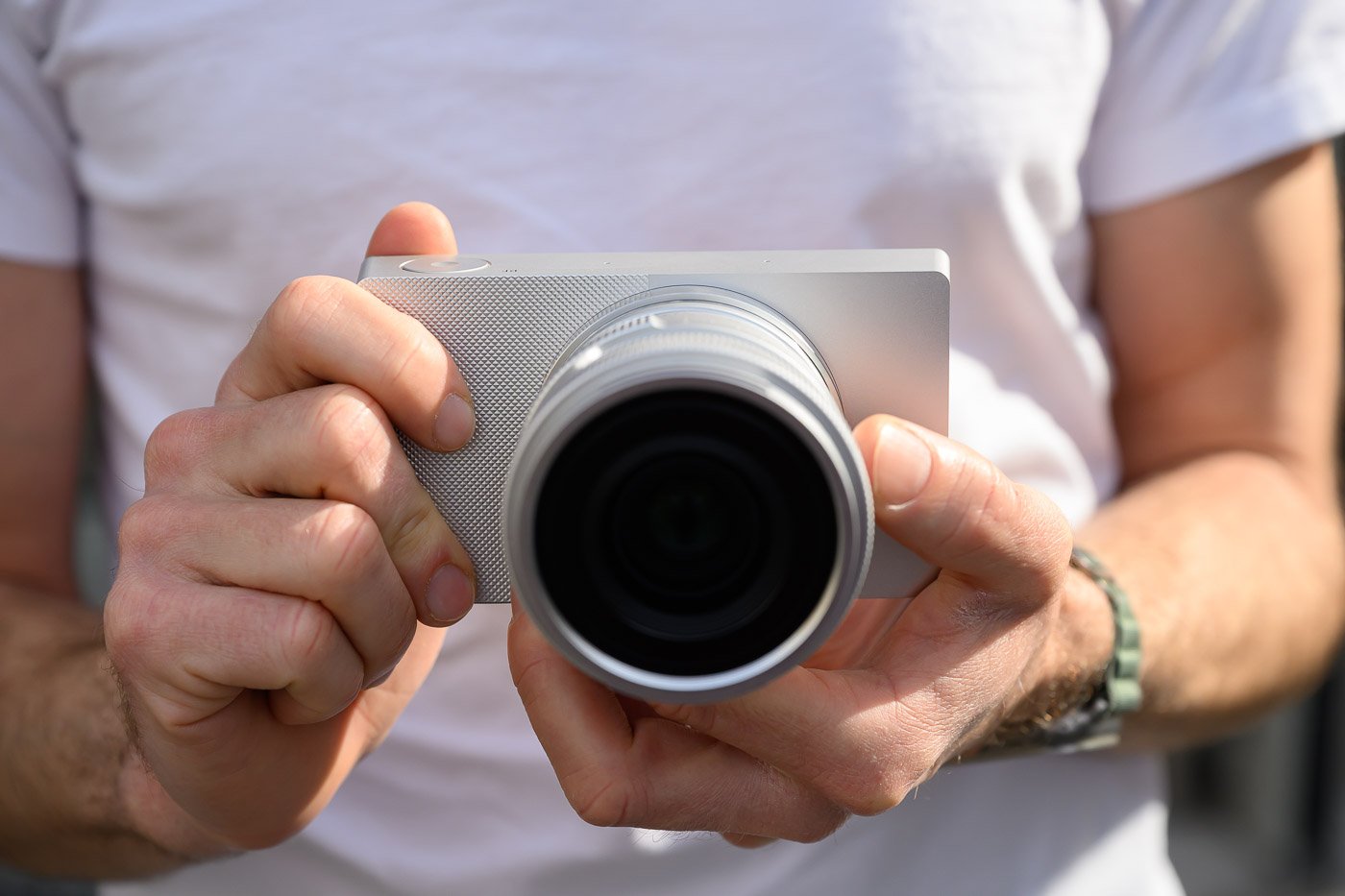
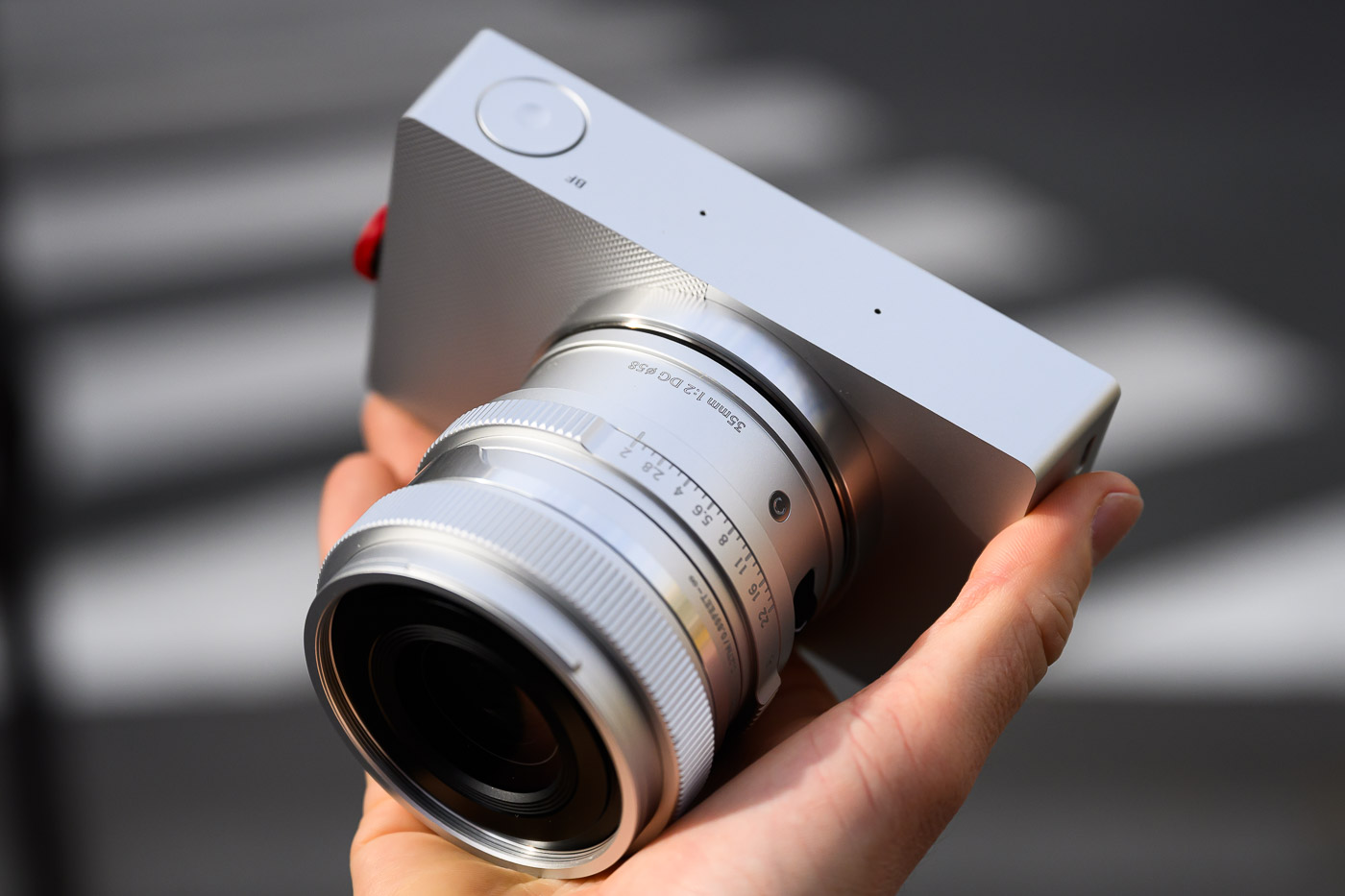

Sigma claims that the aluminum unibody design enhances the camera’s durability, providing effective protection against moisture and dust. We were able to use it in rain and snow without any problems.
However, the edges of the case make it vulnerable to impact, and at the end of our test, we noticed a small scratch on one of the corners, even though we took great care of the case.
A confusing but very pleasant user interface
The Sigma BF has an interface with very few physical controls, unlike current hybrid cameras. Here again, Sigma is playing the simplicity card and seeking to offer a more intuitive way to use the camera.
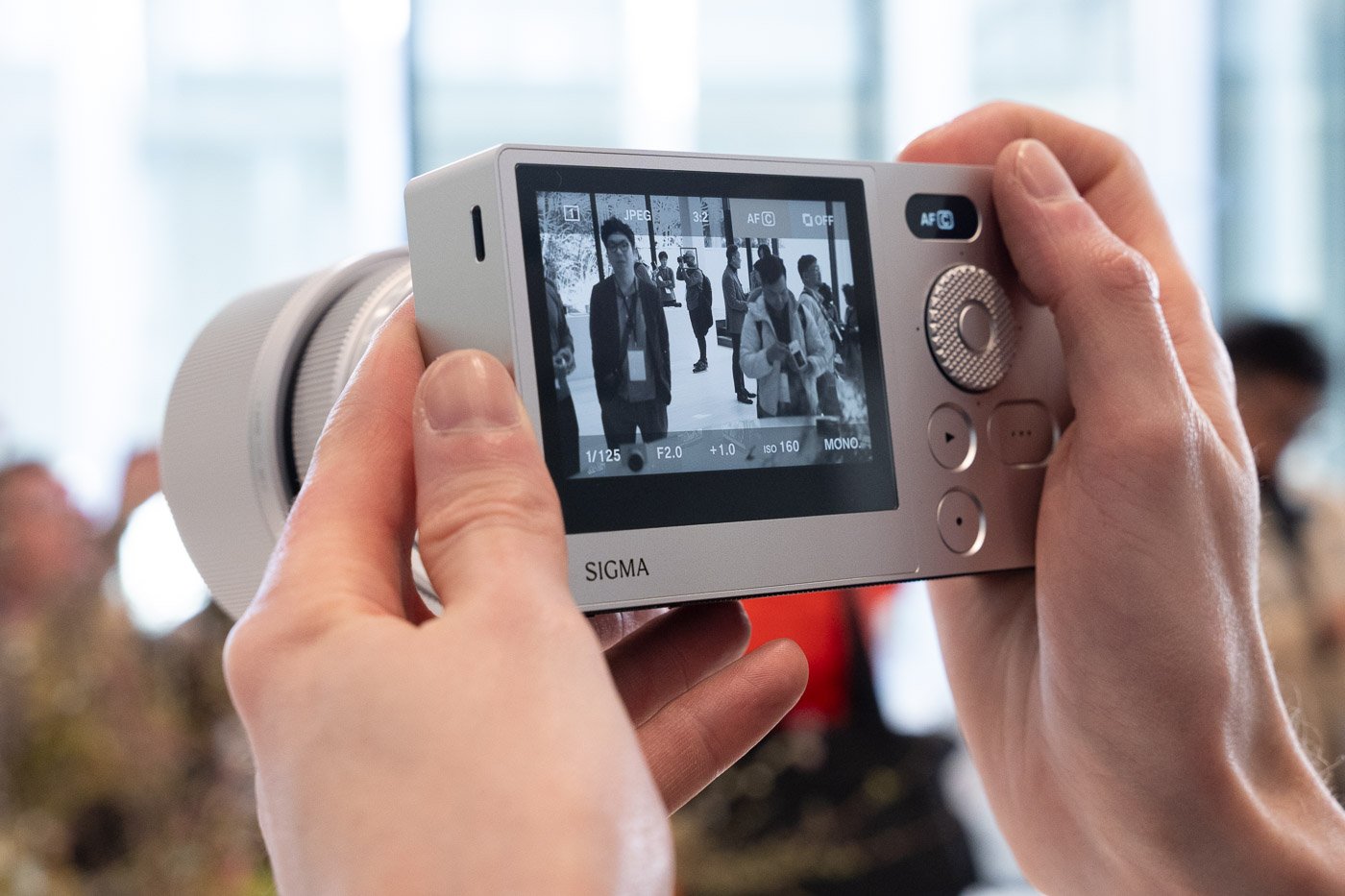
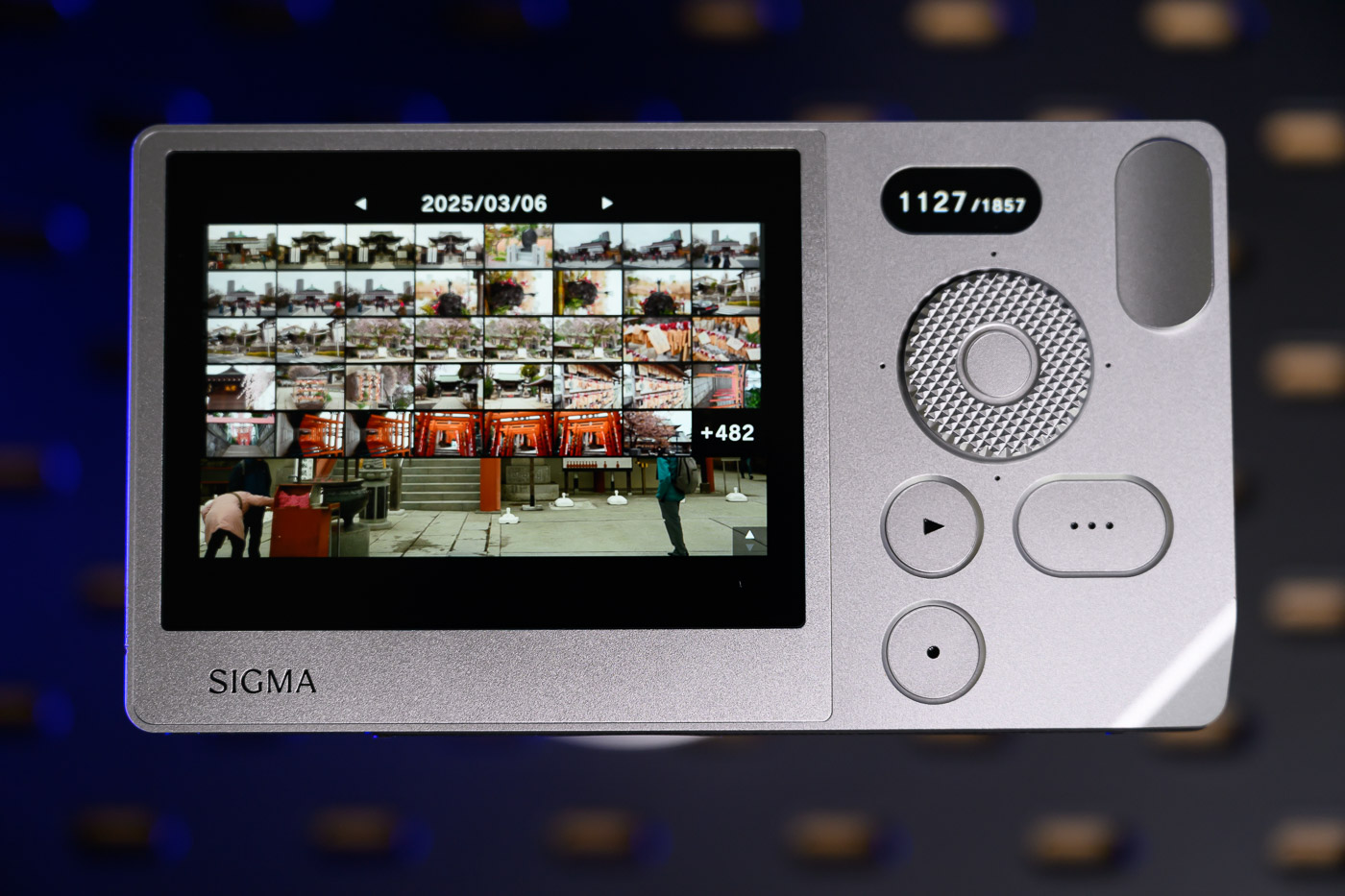
On the back, there is a 3.15-inch LCD screen with 2.1 million pixels. This screen is not adjustable and does not protrude from the camera. It offers very good image reproduction and is relatively bright, which is very important since the BF does not have an electronic viewfinder.

However, this screen is quite sensitive to glare, and in bright sunlight, you end up with a very shiny screen that makes it quite difficult to see the image. Having to use a non-adjustable screen on a 2025 hybrid also quickly becomes a hindrance if you are used to shooting from high and low angles.
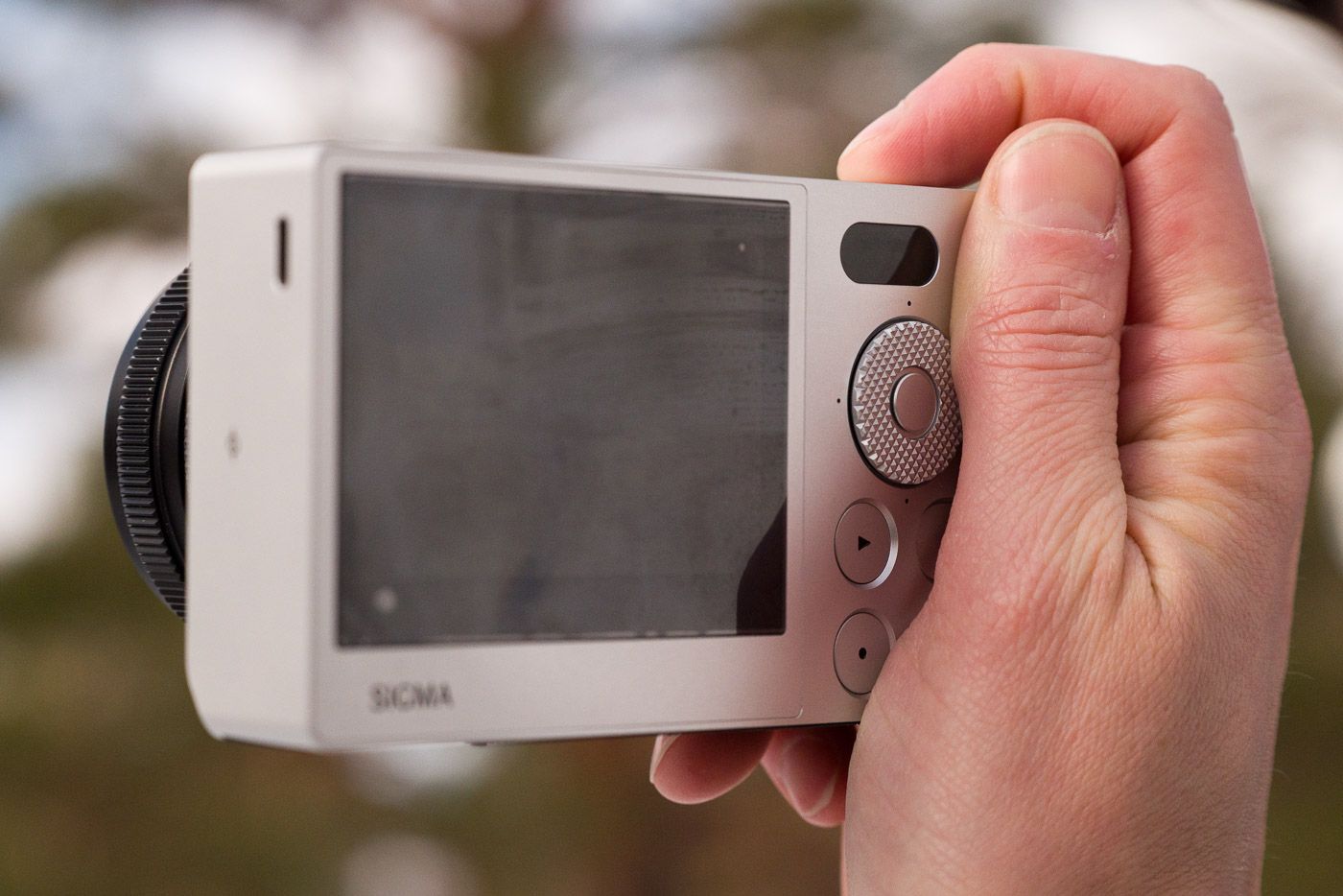
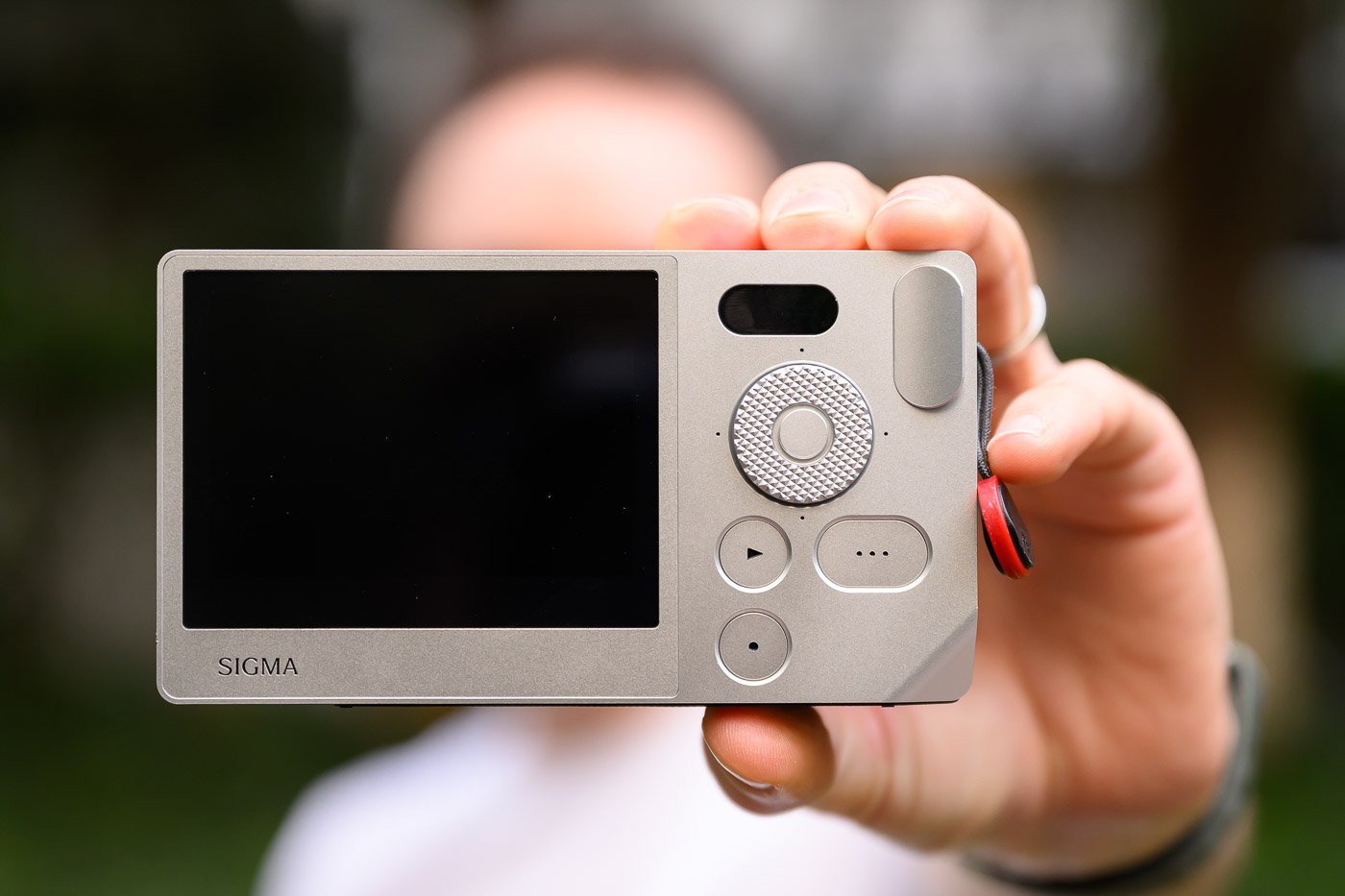
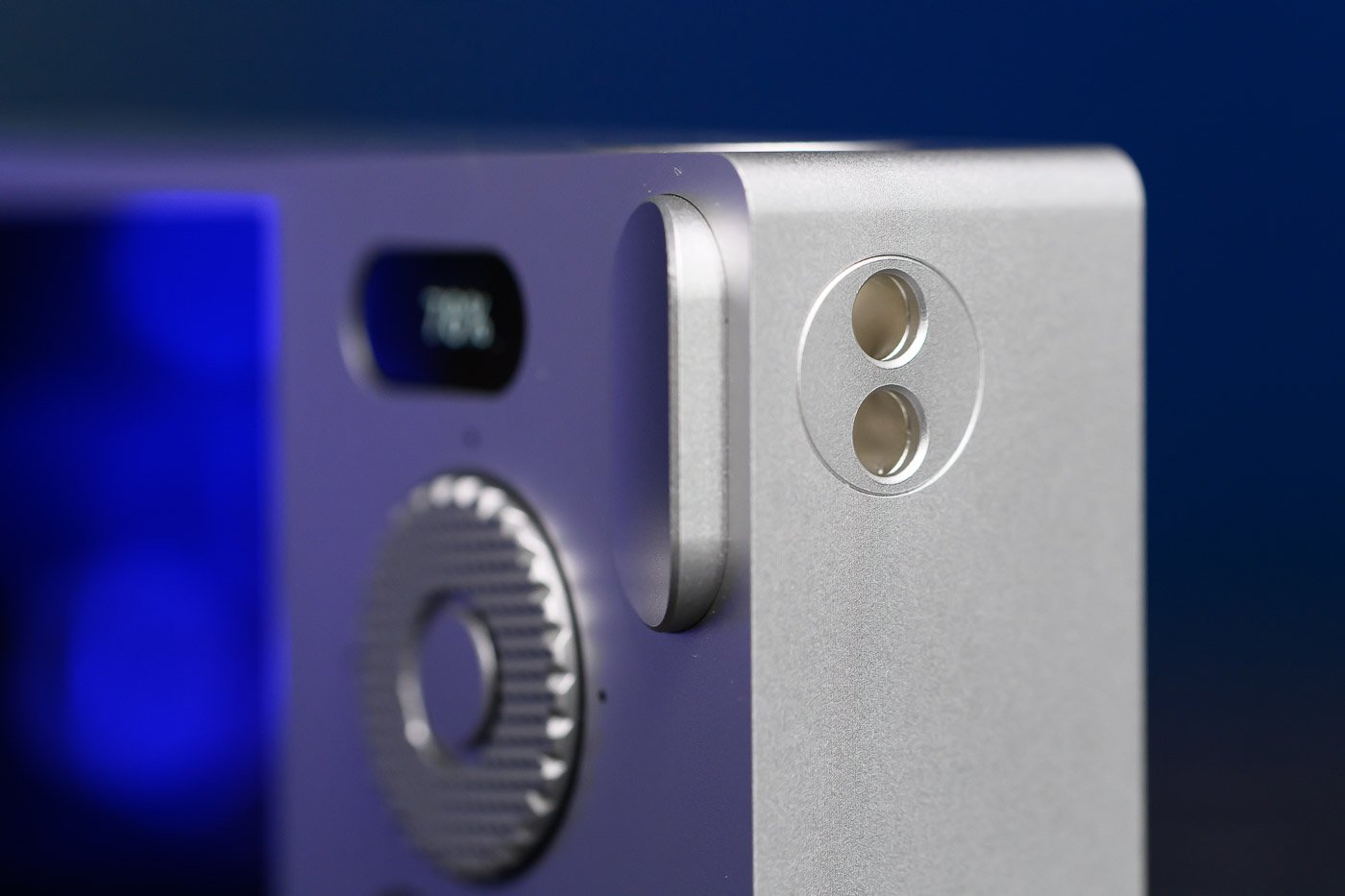
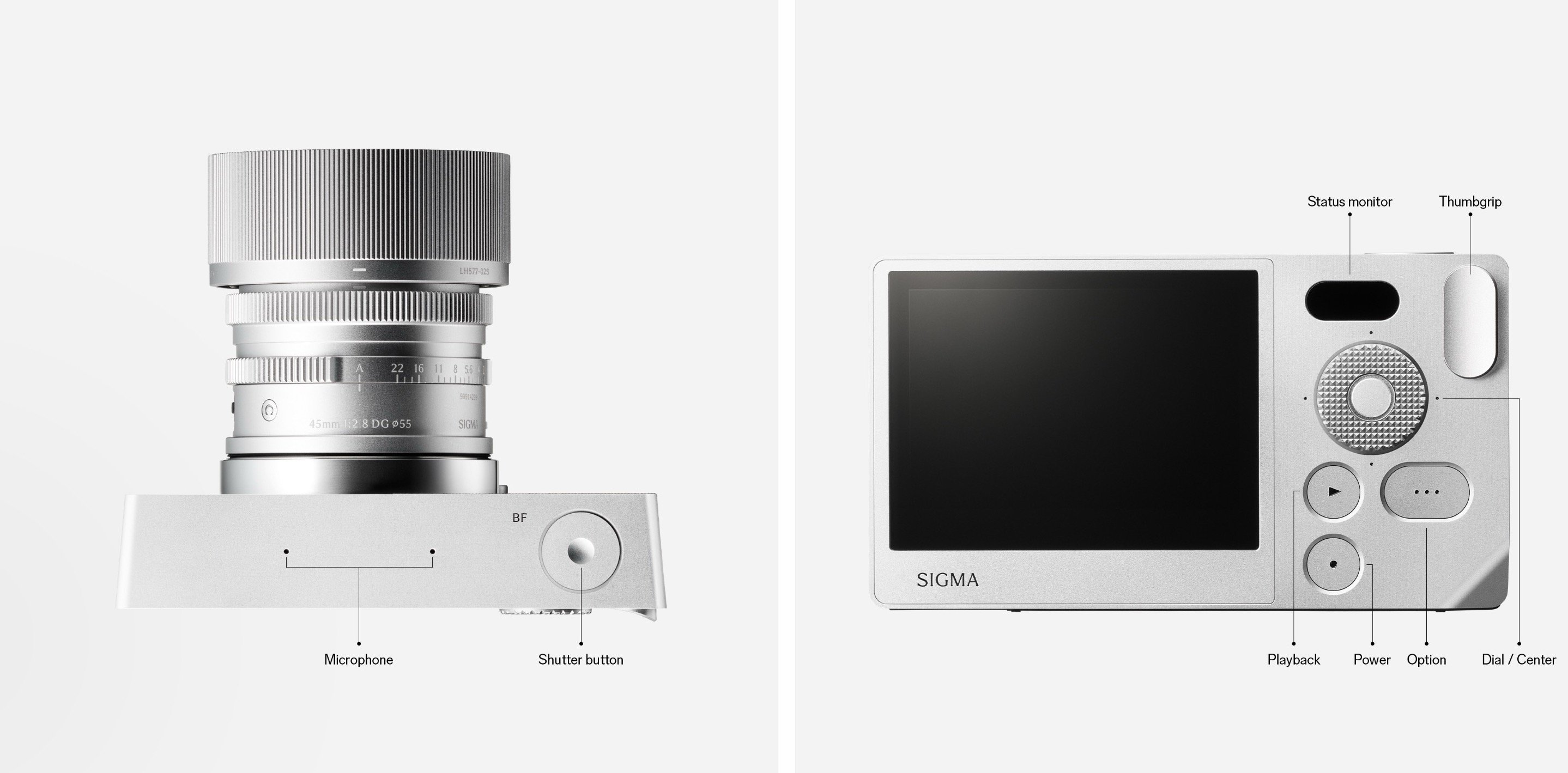
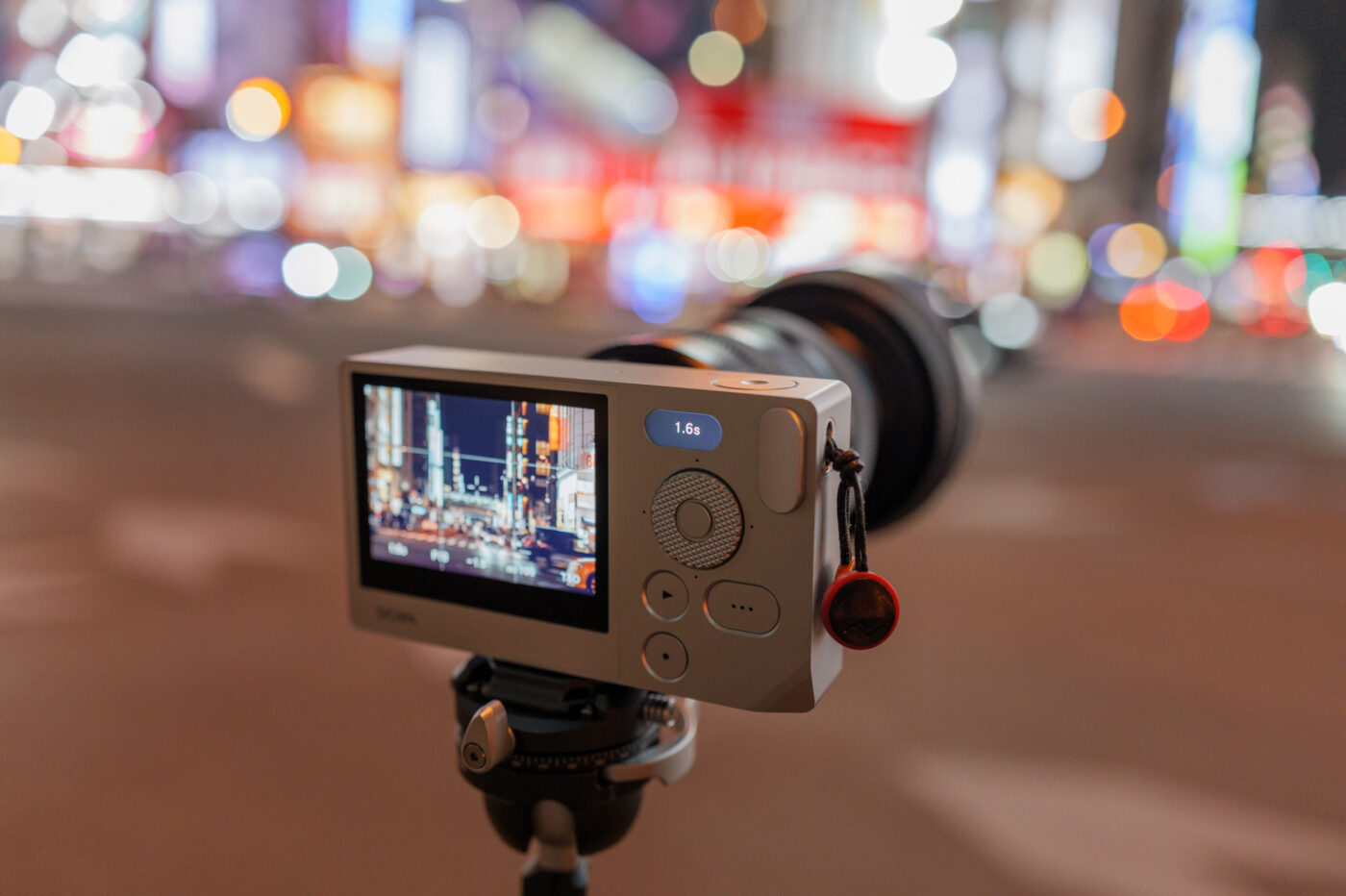
In terms of controls, the manufacturer offers a “One Finger” approach, designed to allow access to all settings using only the thumb. The Sigma has a shutter release button on the side, a power button, a directional control wheel, and three haptic feedback buttons (center of the wheel, playback button, and menu button) on the back of the camera body. And that’s it.
The Sigma BF does not feature a mode selection button (PASM), which the manufacturer considers a relic of a bygone era. The five settings (shutter speed, aperture, ISO sensitivity, exposure compensation, and color style) are directly accessible at the bottom of the screen via the control wheel.
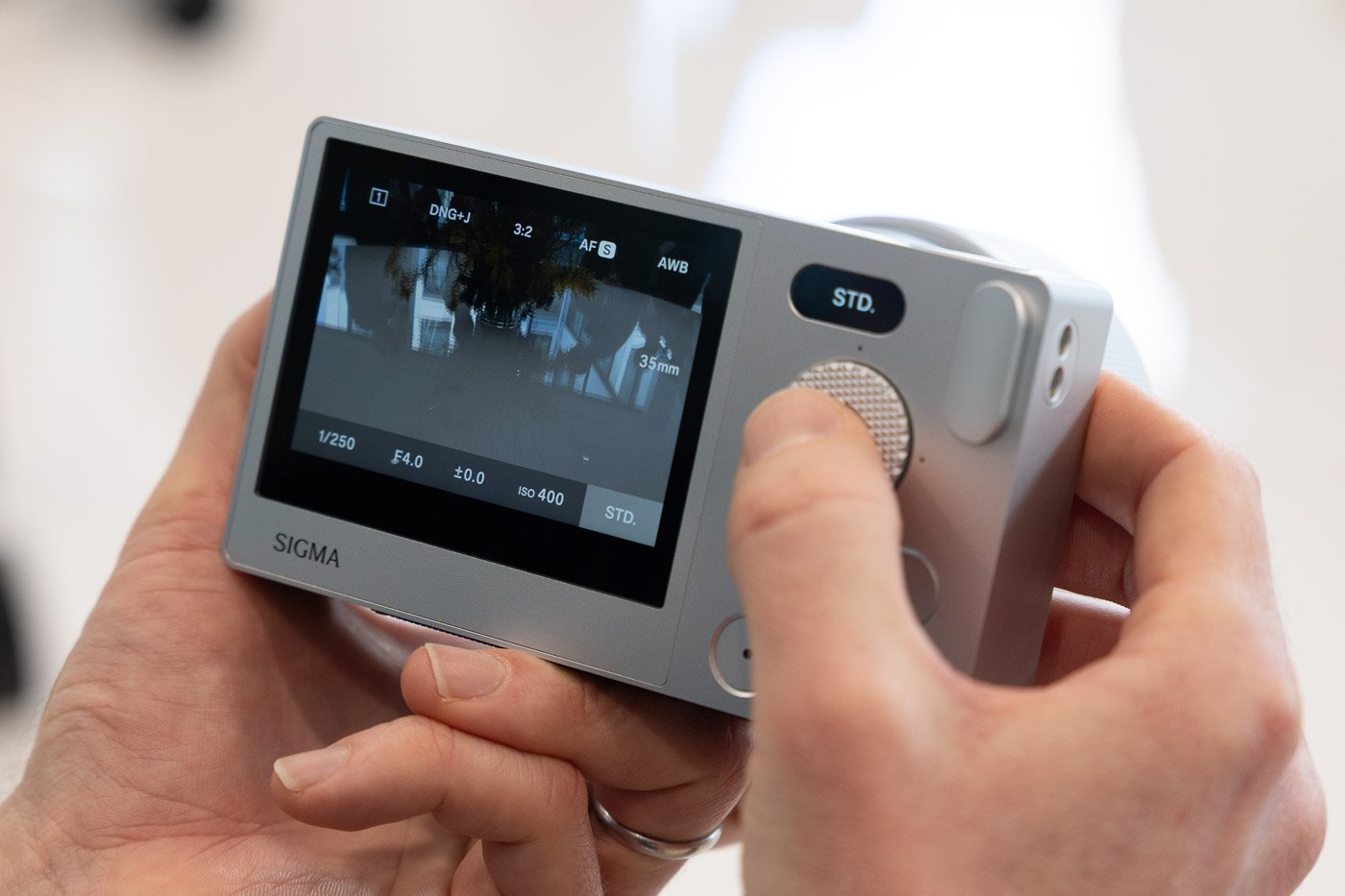
Moreover, although the screen is touch-sensitive, it can only be used to select the active AF point or to choose the subject to track. Settings can only be selected using a physical control, which is a questionable choice, but one that is consistent with the minimalist approach. In some menus, such as when choosing the type of subject to track, you have to use the screen. We would have almost preferred 100% button control, as we sometimes find ourselves unsure whether a particular element on the screen is clickable.
Sigma has redesigned its interface, taking inspiration from mobile photo apps: the main settings are accessible from the top and bottom of the screen, while a two-level menu precedes a more traditional menu for secondary options (firmware, clock, etc.).
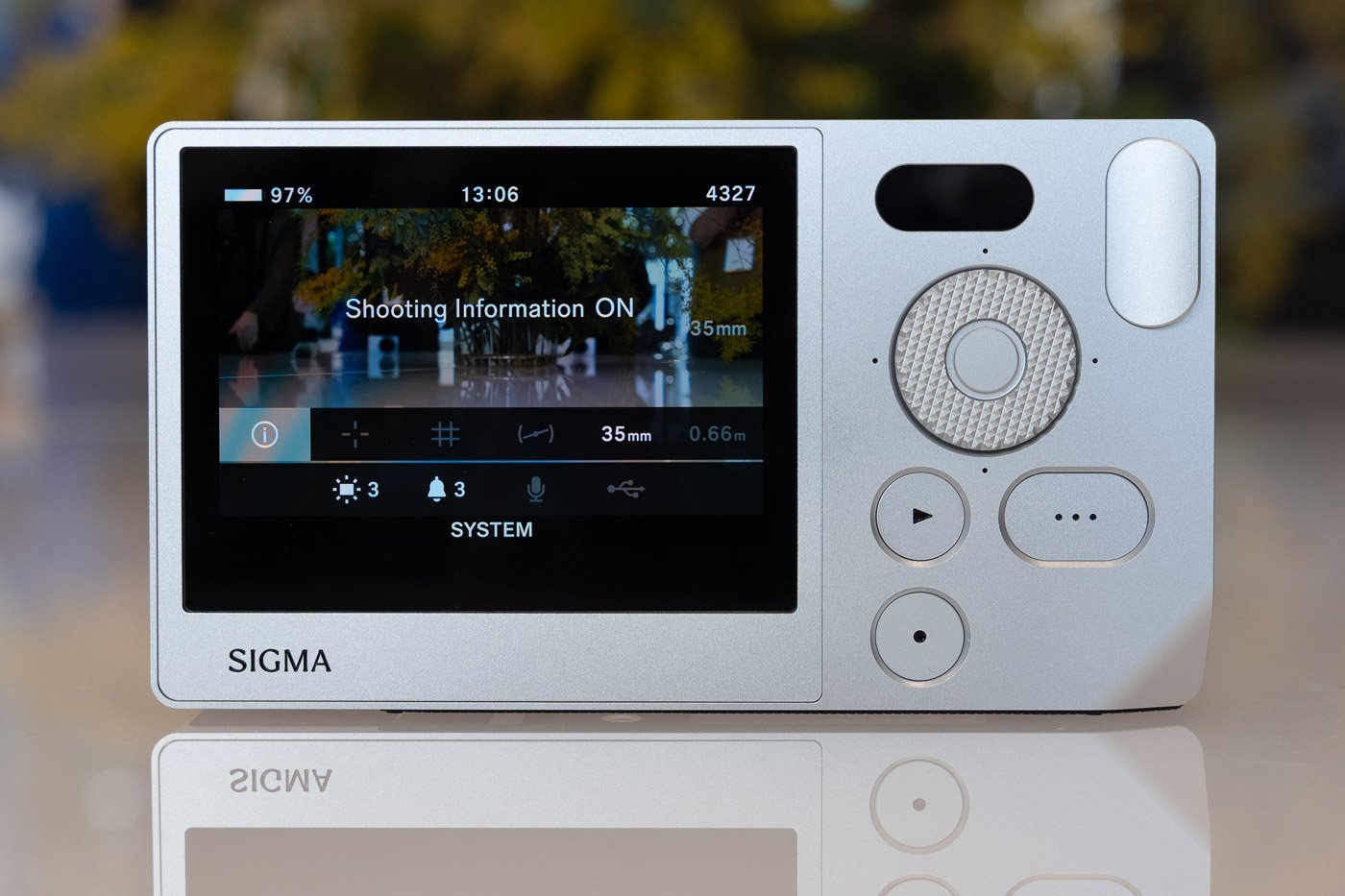
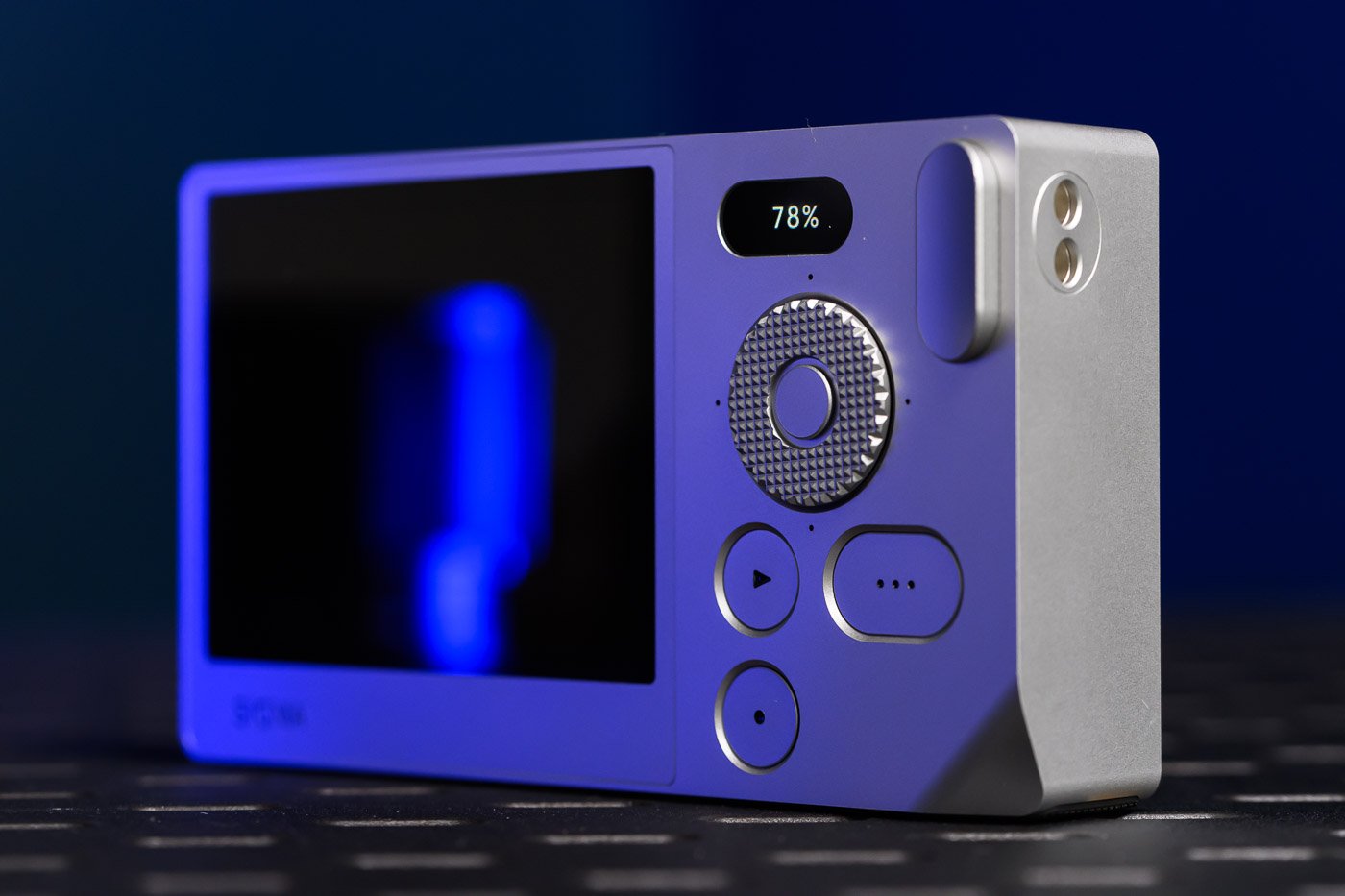
There is also a small status screen in the shape of a 2 cm pill. It displays useful information such as the battery level when the device is in standby mode.
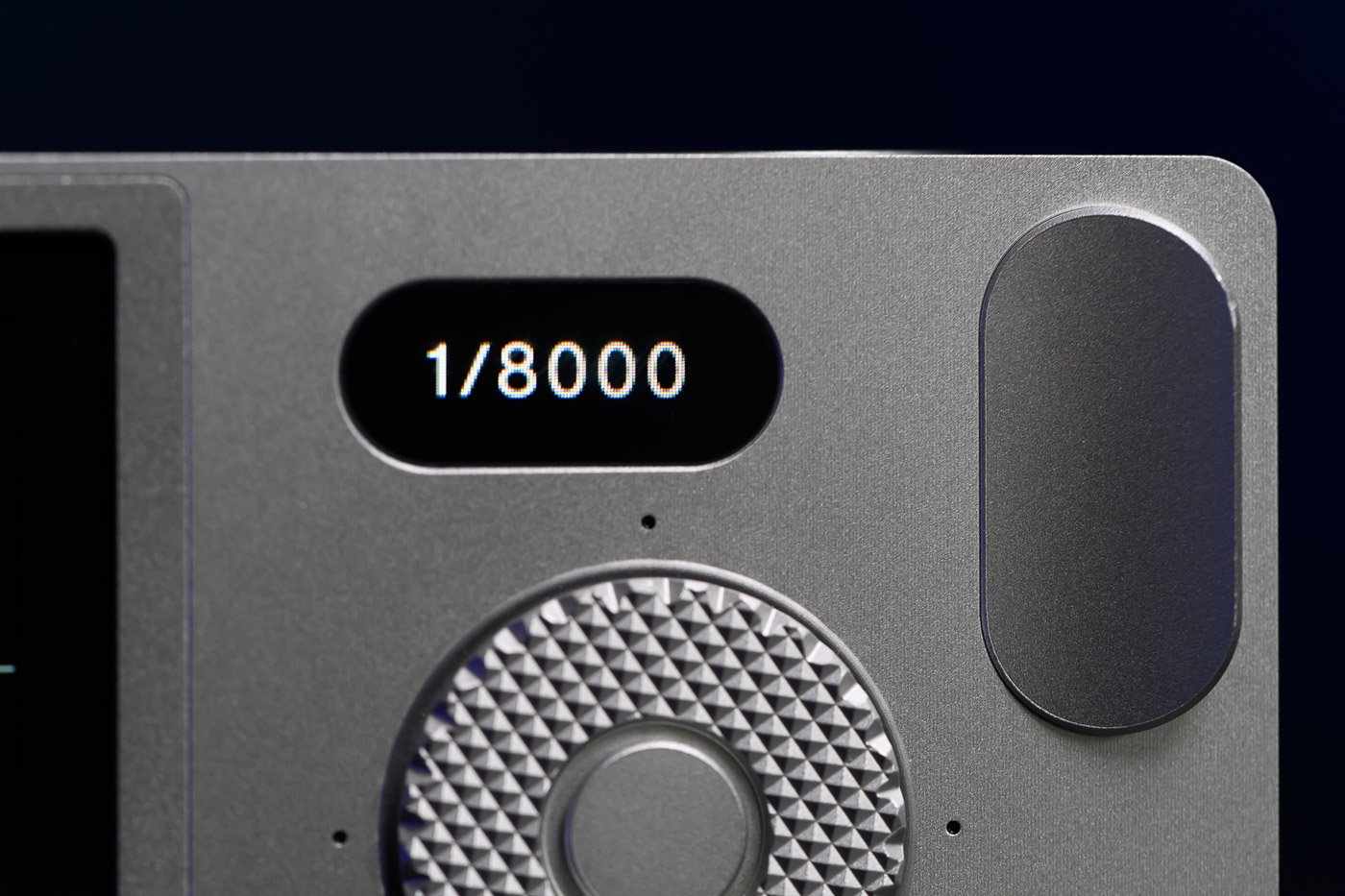
This allows you to check the active setting, keeping only the image on the screen, as the setting options disappear after a few seconds.
Pressing the button in the center of the wheel displays the upper and lower settings again, and pressing up/down or left/right switches between settings.

Frankly, at first, this mode of operation is a little confusing, but after a few sessions with the box, you really get used to it, and a quick glance at the screen allows you to check your settings.
Is the BF reserved for fans of manual settings? It’s tempting to say yes, even though it is possible, much like with Fujifilm cameras, to switch each setting to Auto mode and then switch back to PASM modes (not explained here).
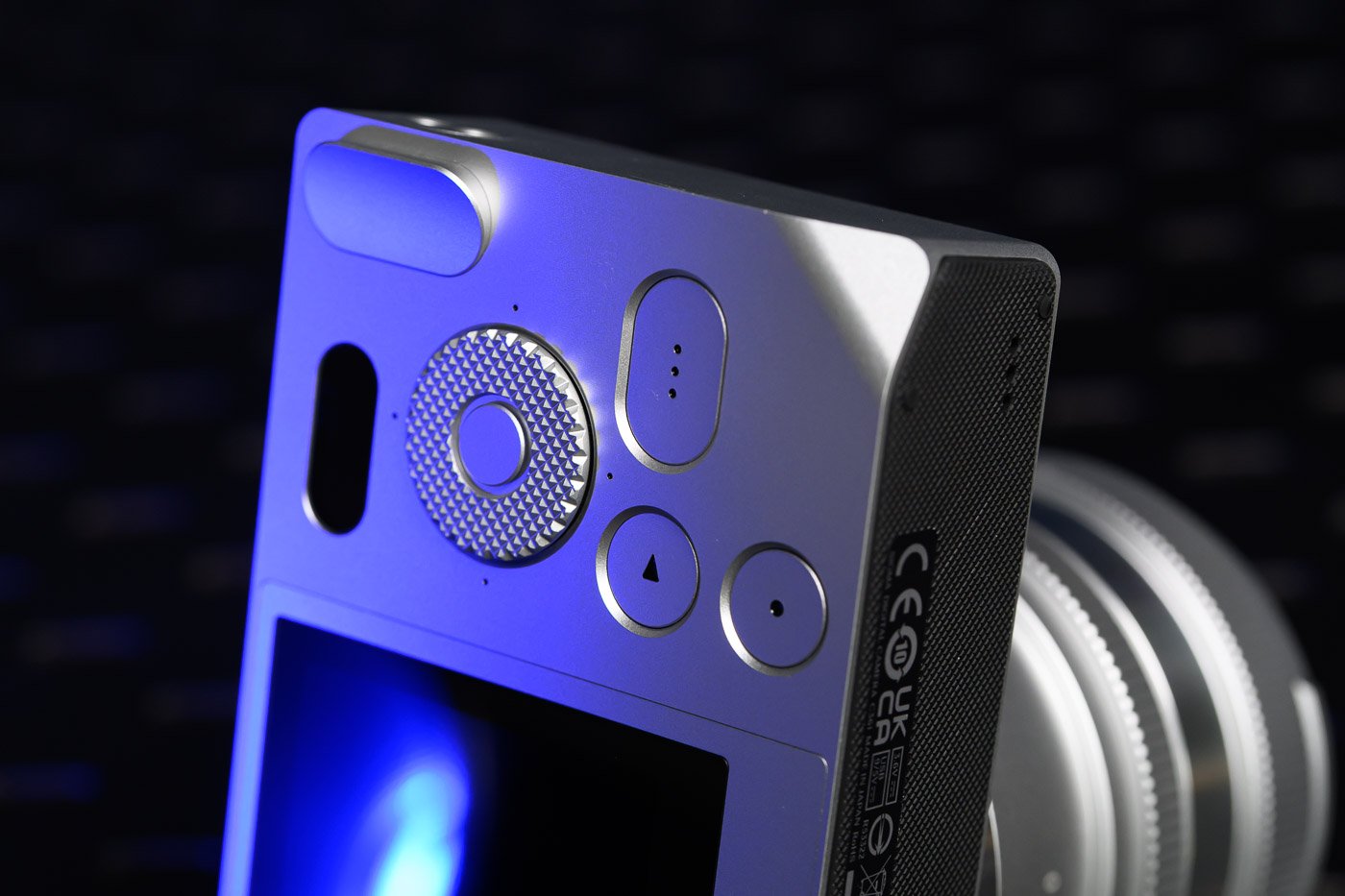
Let’s take a moment to talk about the haptic feedback buttons: this is a first for a camera body, and we’re really enjoying it. When the camera is turned off, these buttons are inactive. Once the camera is turned on, you suddenly hear a small click, similar to the touchpads on Macs.
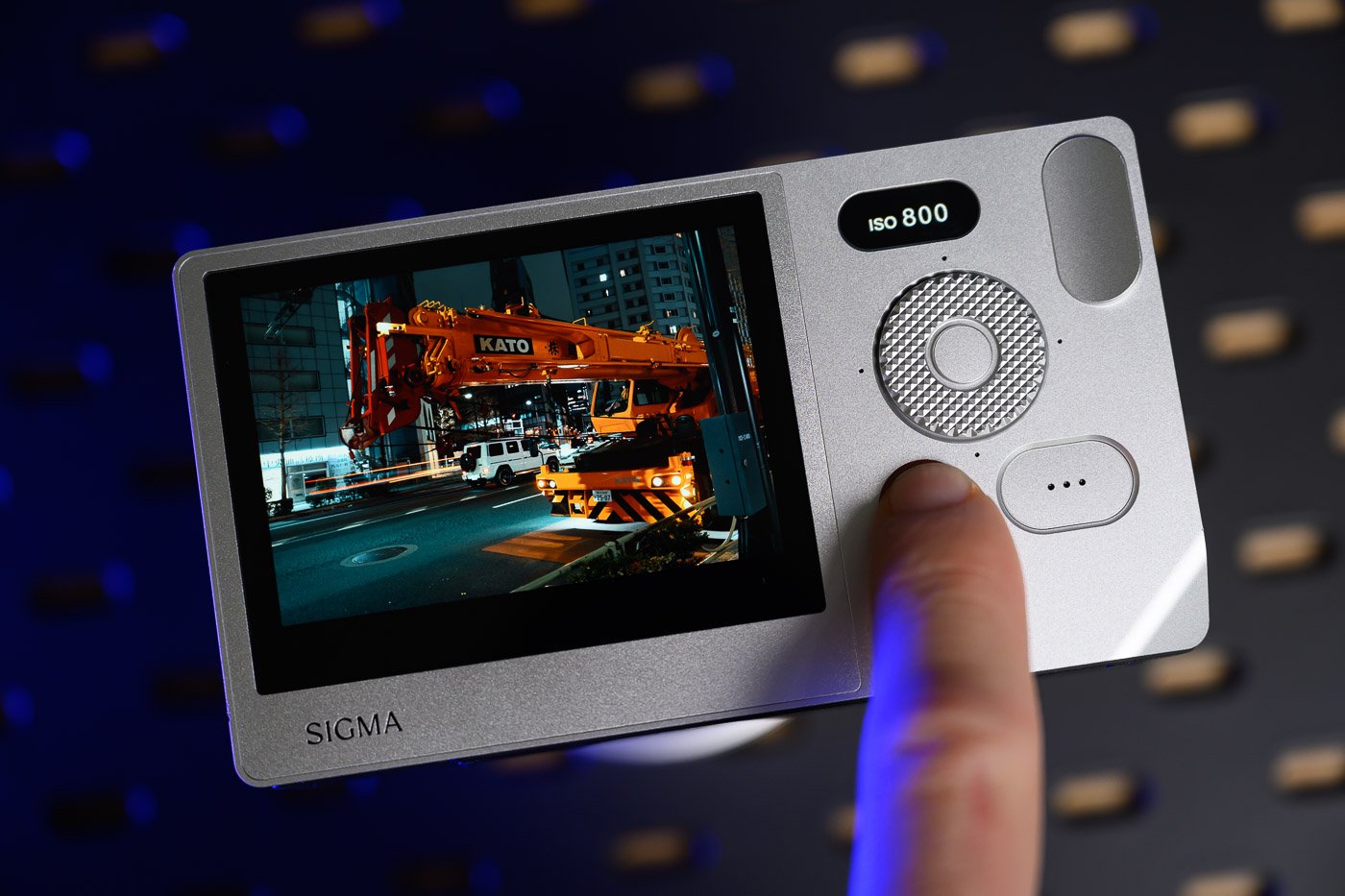
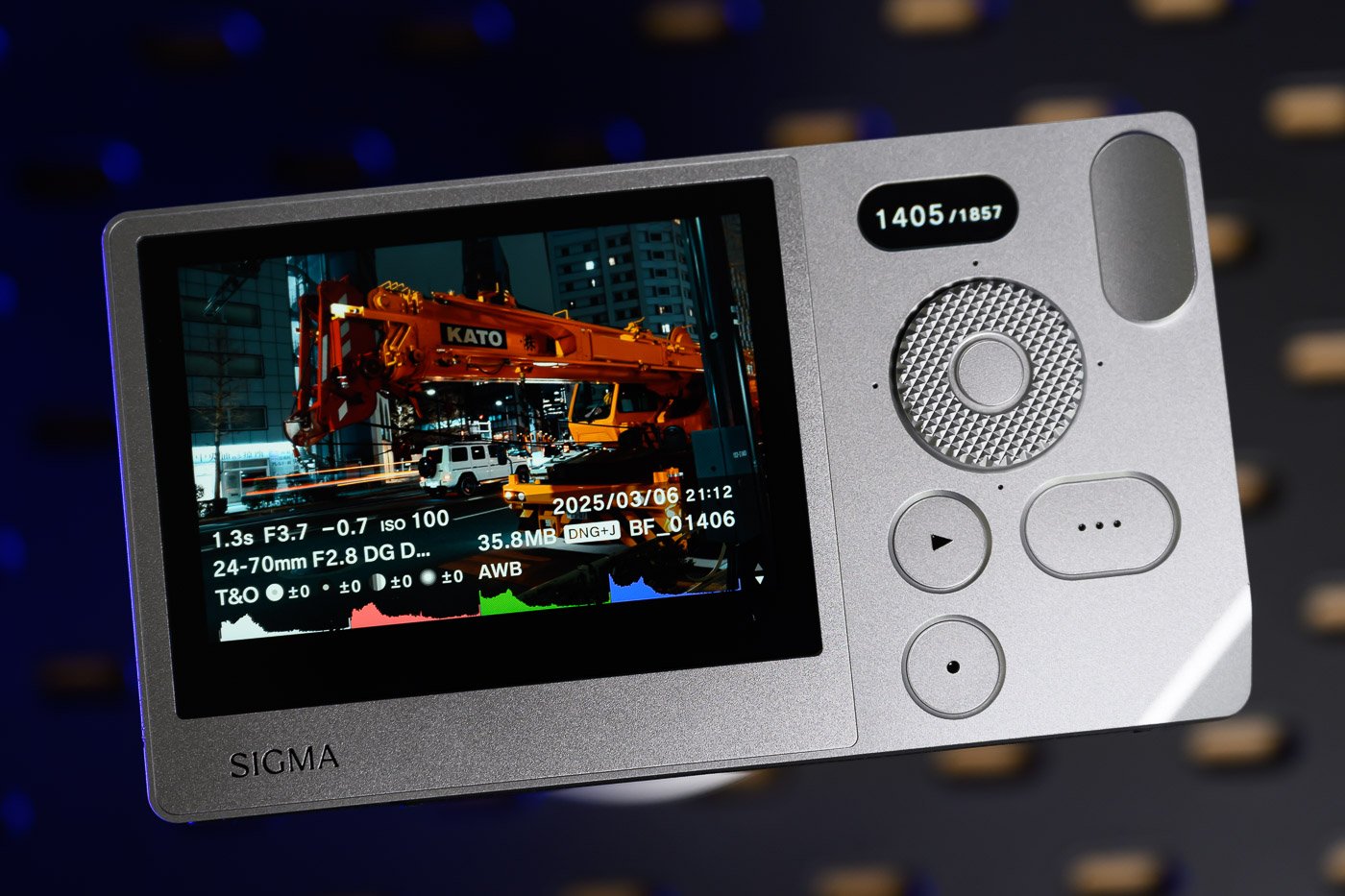
The advantage of this haptic technology is that a simple touch of the button activates a function. For example, by swiping your finger over the Play button, you can display the last photo taken, which disappears as soon as you lift your finger. At first touch, it’s almost magical, and extremely effective for quickly viewing your latest photo. By swiping your finger over the Menu button, represented by three small dots, you can display the battery level, the time, and the number of photos you can take.
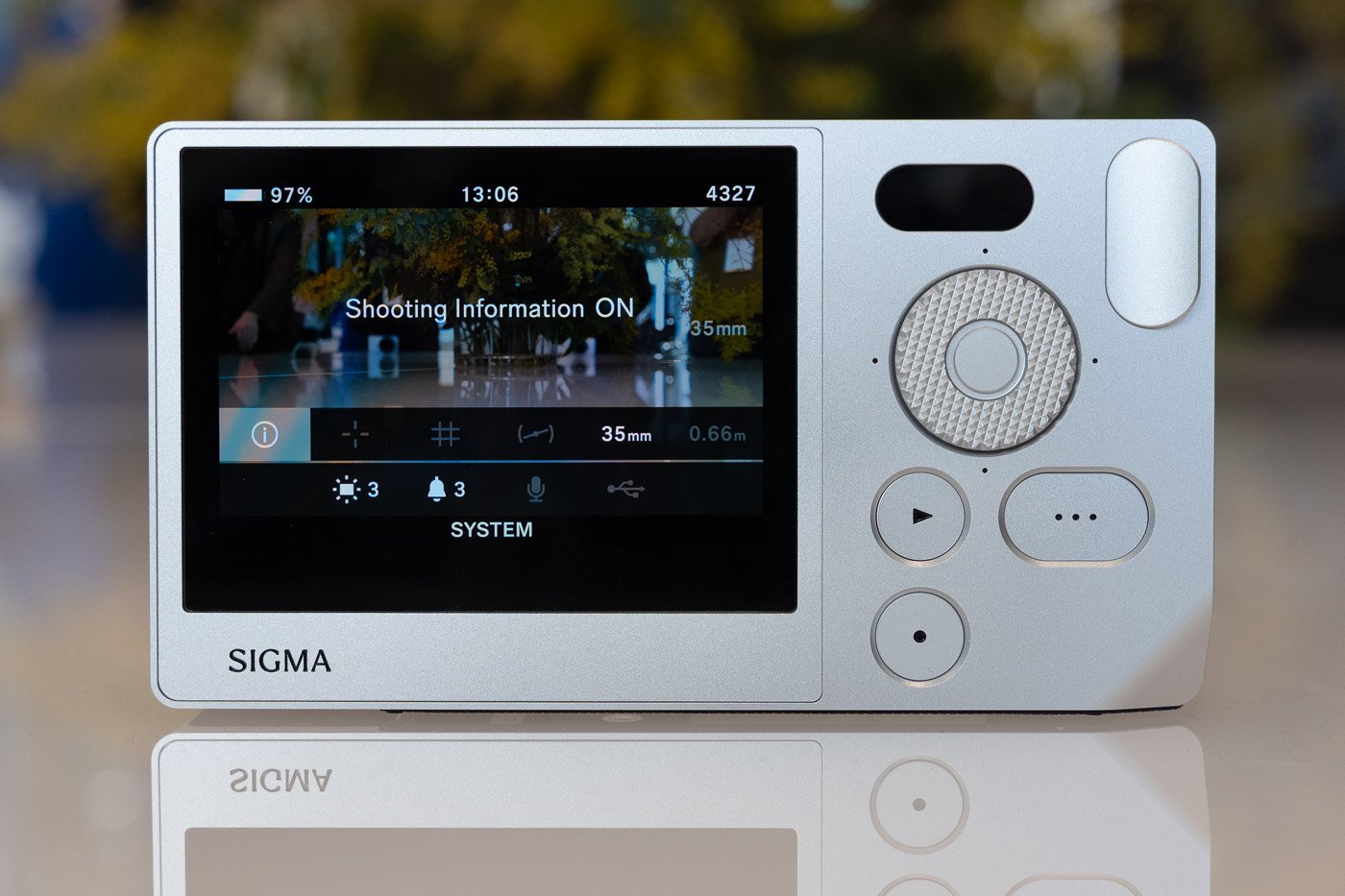
Apart from these quick access settings, the menus are fairly basic: pressing the Menu button gives you access to settings (shooting info, center mark, grid, level, focal length and focus distance display) as well as settings for monitor brightness, sound, microphone, and USB behavior.
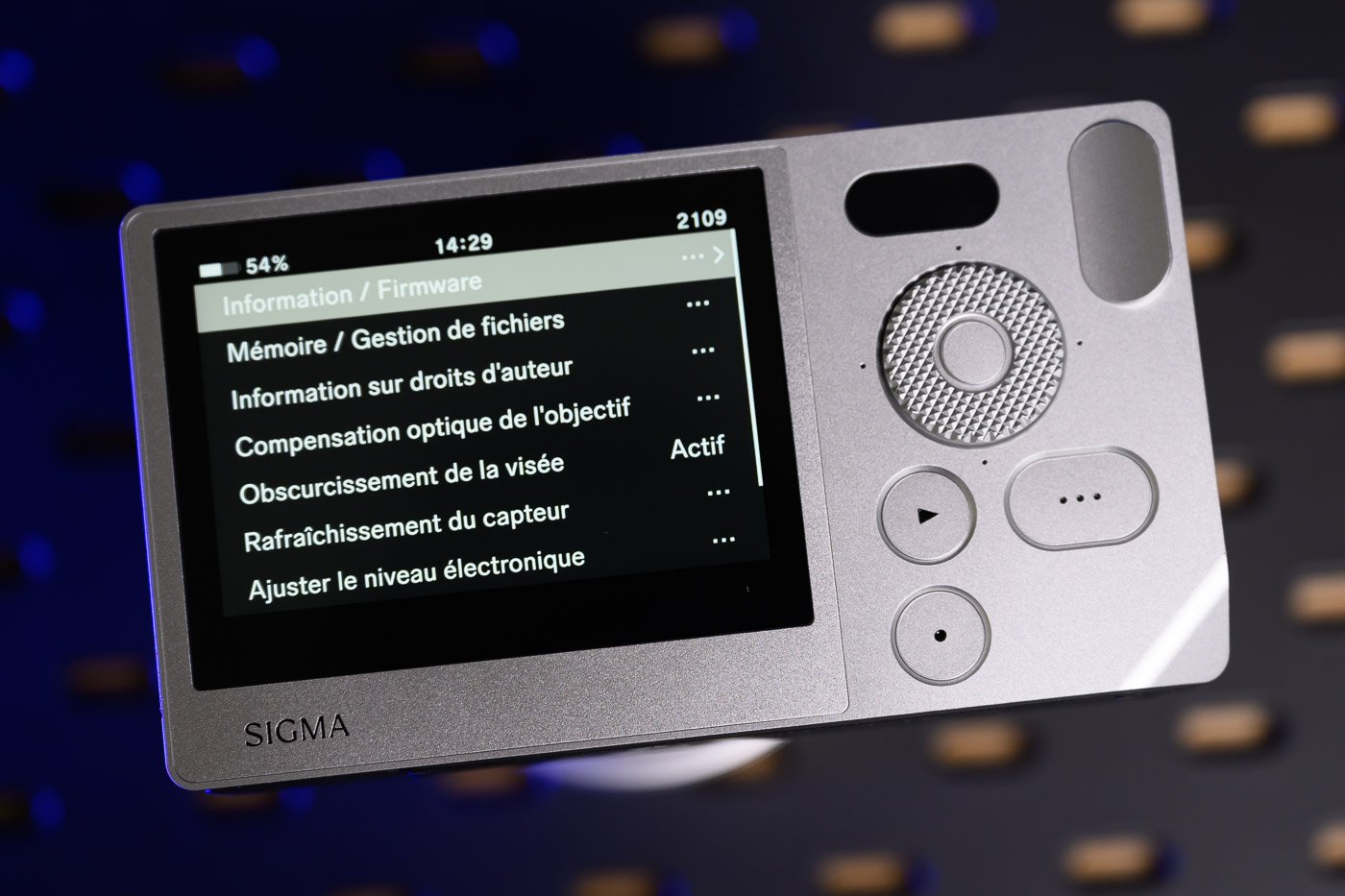
Next, a “system” menu consisting of just 10 lines allows you to access secondary settings such as storage management, firmware updates, time settings, box reset, etc.
In short, Sigma designed the BF’s ergonomics without really relying on the legacy of camera bodies, which is both confusing and refreshing. It won’t necessarily be the favorite interface for those who want to change settings very quickly, use saved presets, etc., but these choices encourage a more thoughtful approach to photography. In fact, as you use the camera—without a manual—you discover new shortcuts and little tricks.
Performance and image quality
The Sigma BF is equipped with a very conventional 24.6 MP back-illuminated full-frame CMOS sensor, identical to that of the fp. The hybrid thus innovates more in its format and ergonomics than in its purely technical characteristics.
The files offer a resolution of 6016 x 4012 pixels. JPEGs are approximately 10-15 MB, while RAW files (14 bits, in DNG format) are approximately 34-40 MB.
During our test, we were able to test the Sigma BF with the Sigma 35mm f/2 DG Contemporary, 24-70mm f/2.8 DG DN II Art, 17mm f/4 DG DN Contemporary, 90mm f/2.8 DG DN Contemporary, 24mm f/3.5 DG DN Contemporary, and the Panasonic Lumix S 35mm f/1.8.
Feel free to click on the photos in this review to view them in higher quality.





During our review in Japan, we were pleasantly surprised by the image quality obtained with this camera. While the 24.6 megapixels don’t allow for much cropping in the image and are now standard definition, the Sigma BF offers very good detail reproduction, especially with the high-quality fixed focal lengths offered by Sigma, such as the 35 mm f/2 DN offered in a kit with the camera. Another very interesting point is that the colorimetry of this camera is often very accurate.


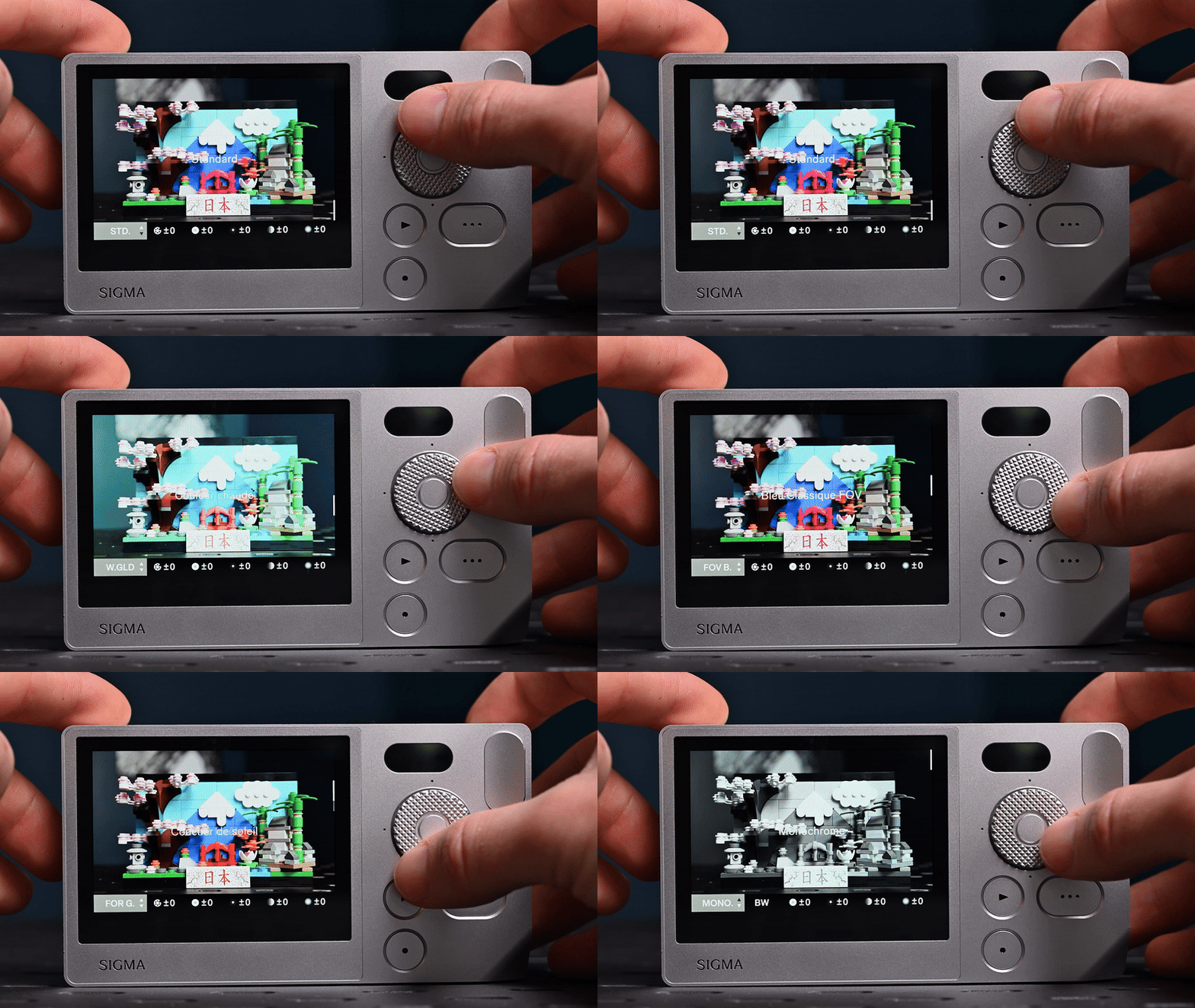
We also appreciate the different color styles offered by the Sigma fp and fp L, including two new styles, Rich and Calm, which offer more contrast or softer rendering, respectively. Foveon fans will also find the FOV Classic Blue and Classic Yellow colors, while Teal and Orange will transform your images, especially for nature landscapes or urban night shots.




In total, there are 13 renderings: Standard, Rich, Calm, Powder Blue, Warm Gold, Teal and Orange, FOV Classic Blue, FOV Classic Yellow, Forest Green, Sunset Red, Cinema, 709 Look, and Monochrome.
ISO performance
The default sensitivity of the Sigma BF ranges from ISO 100 to 102,400, expandable to… ISO 6.
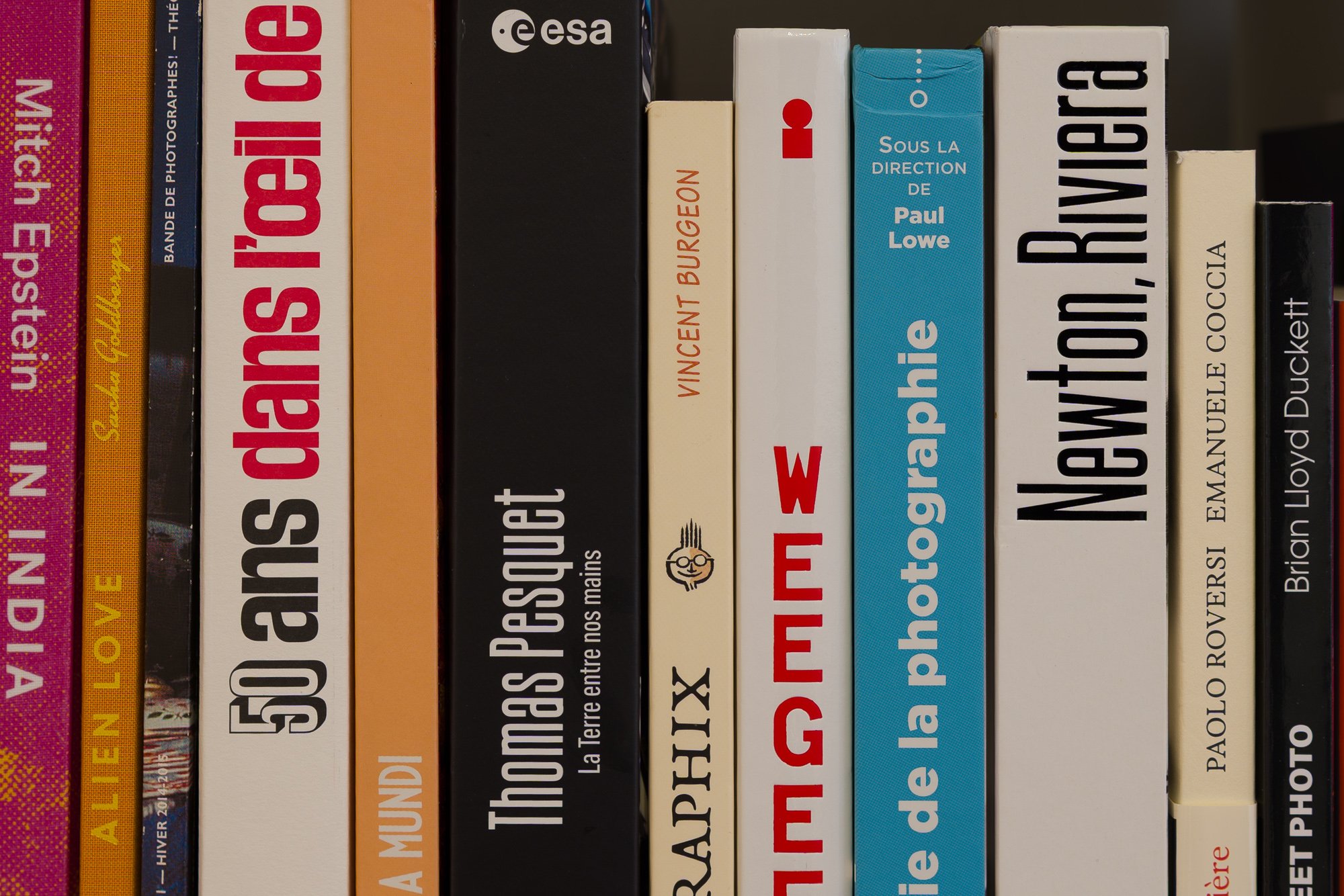
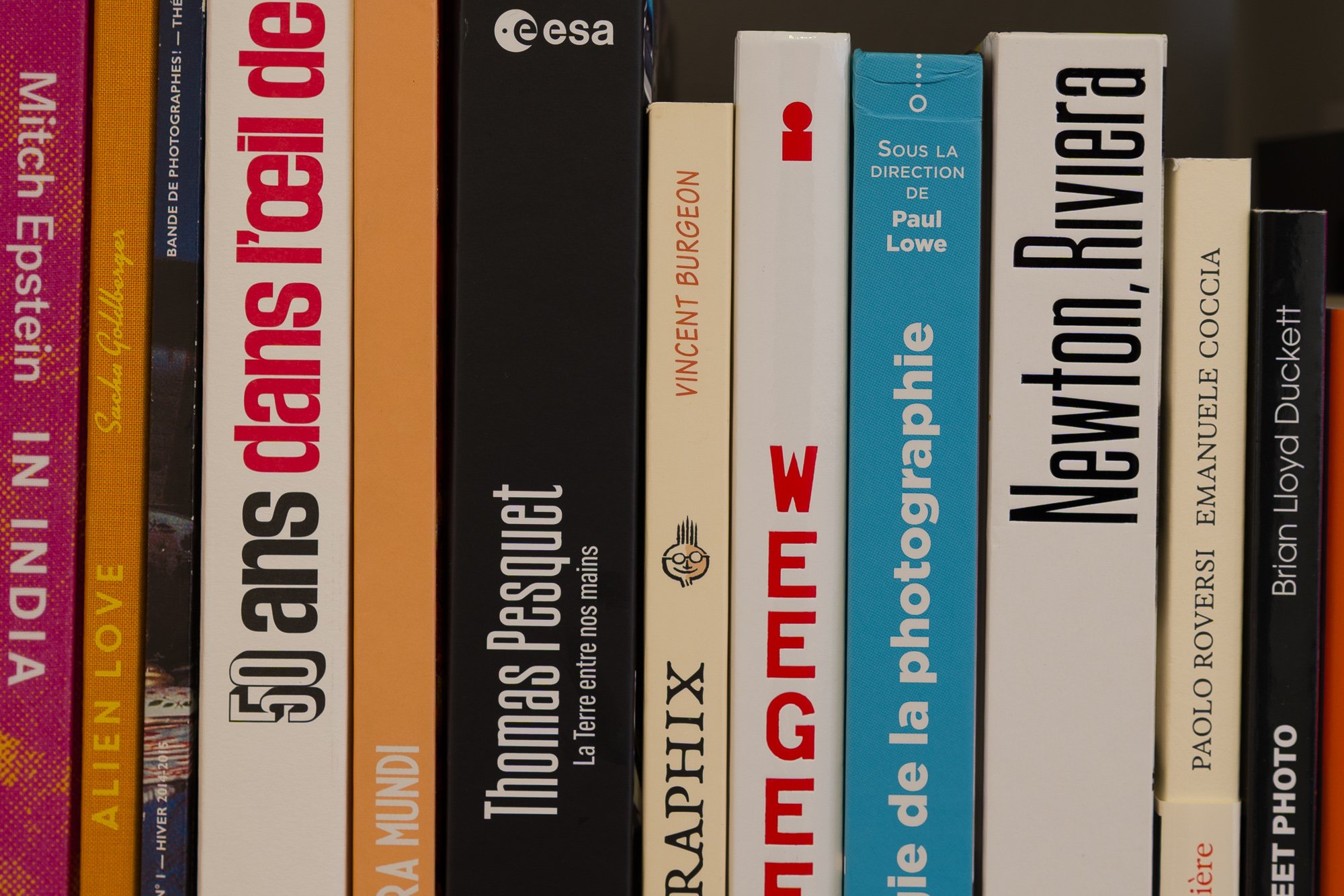
Excellent image quality is observed up to ISO 1600, where noise begins to appear slightly. It increases slightly thereafter, while remaining quite reasonable. A new level is reached at ISO 12,800, where more pronounced grain is observed, but this is still quite recoverable.
The digital noise increases quite logically as the ISO rises, and from 51,200 ISO onwards, the grain becomes very noticeable. However, even at 102,400 ISO, the image quality remains fairly good. Admittedly, noise has invaded the image, but the level of detail remains almost “acceptable,” especially since there is no color drift or chrominance noise.
The choice of a backlit sensor with moderate definition delivers excellent performance. What’s more, Sigma has wisely decided not to add extended values that are often unusable, except at the lowest ISO settings, since it is possible to go down to ISO 6, 12, 25, or 50 in the extended ISO range. However, this choice comes with a limitation, as the maximum shutter speed drops from 1/25,600 s to 1/1,600 s.
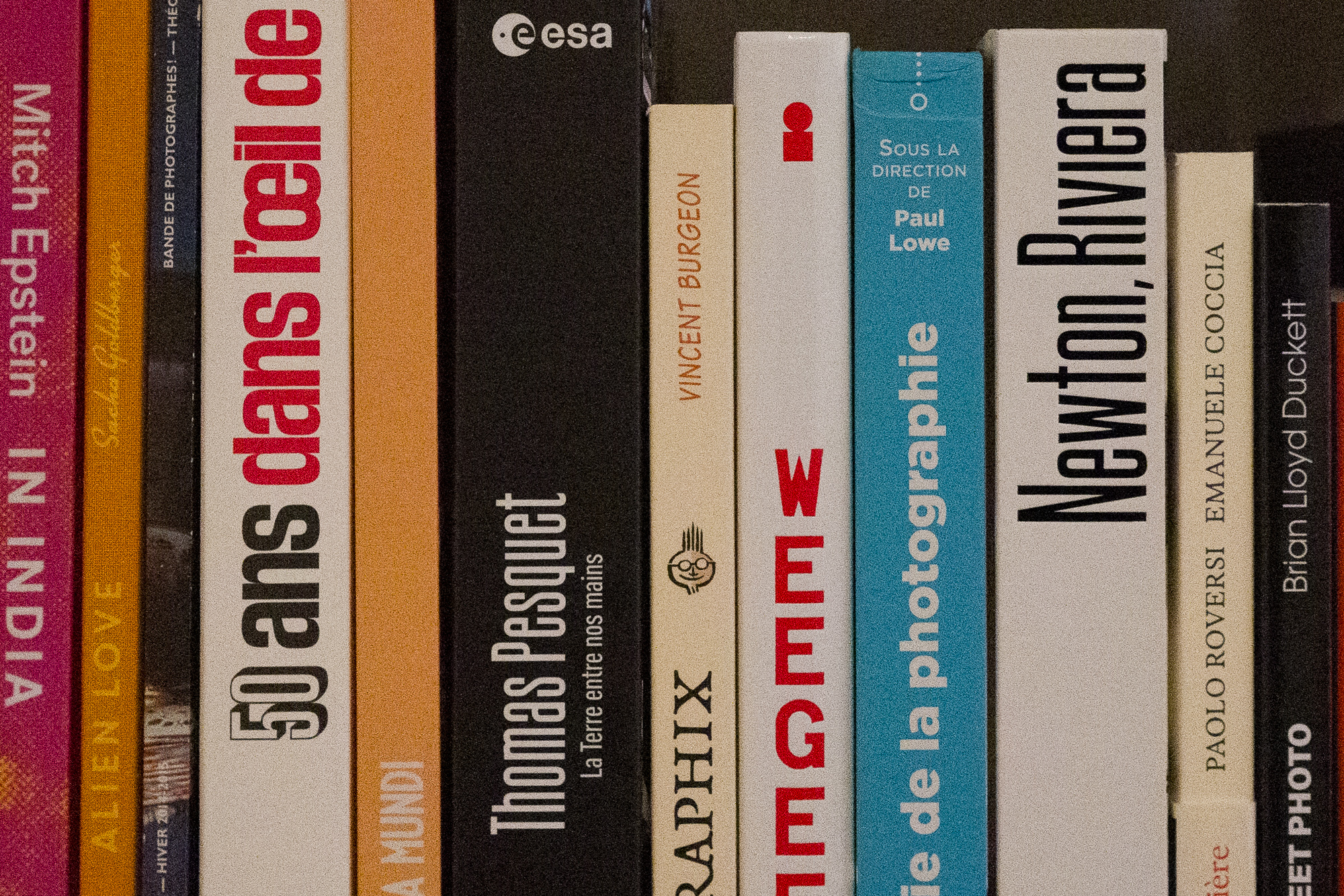
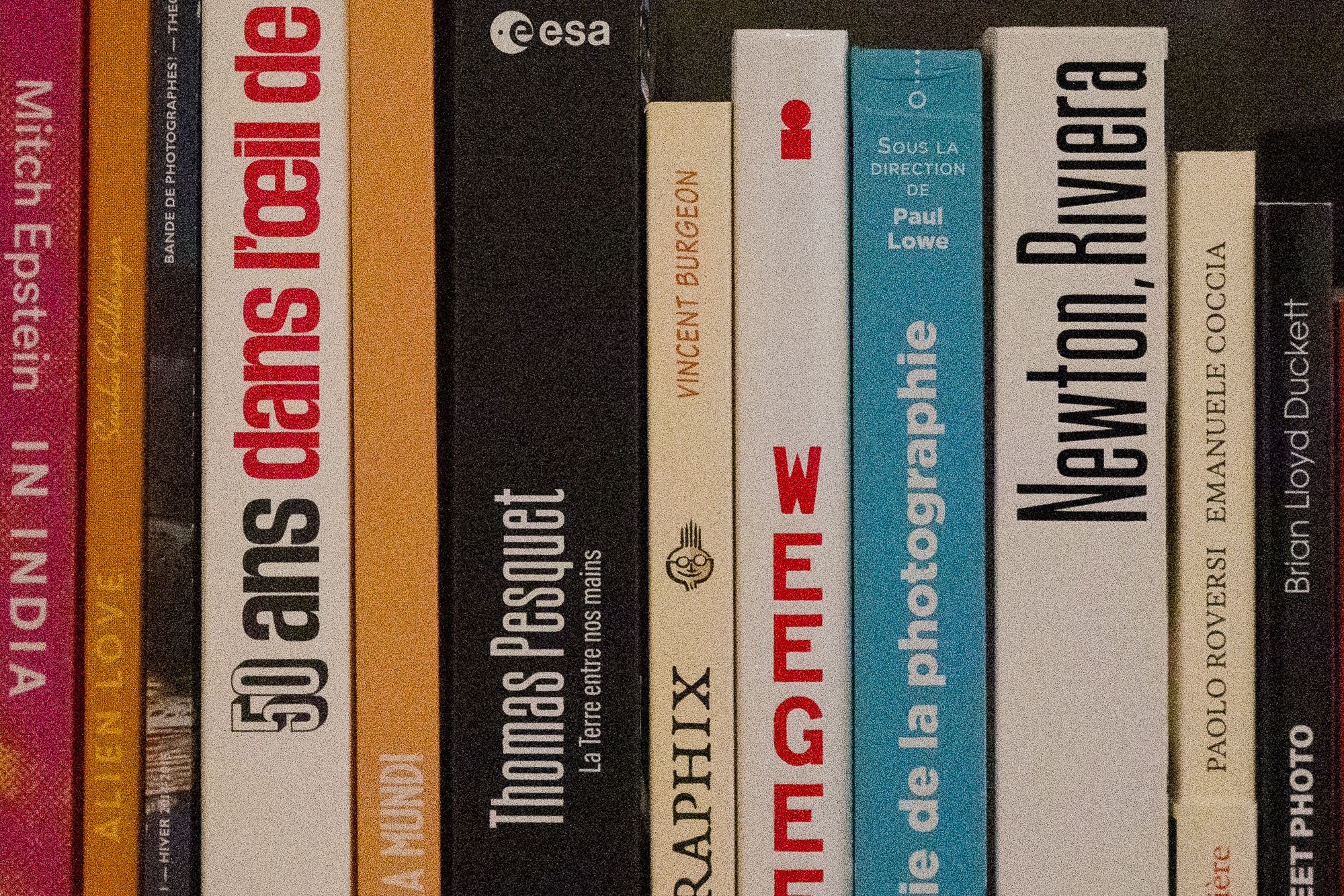
Some examples of low-light photos captured with the Sigma BF:

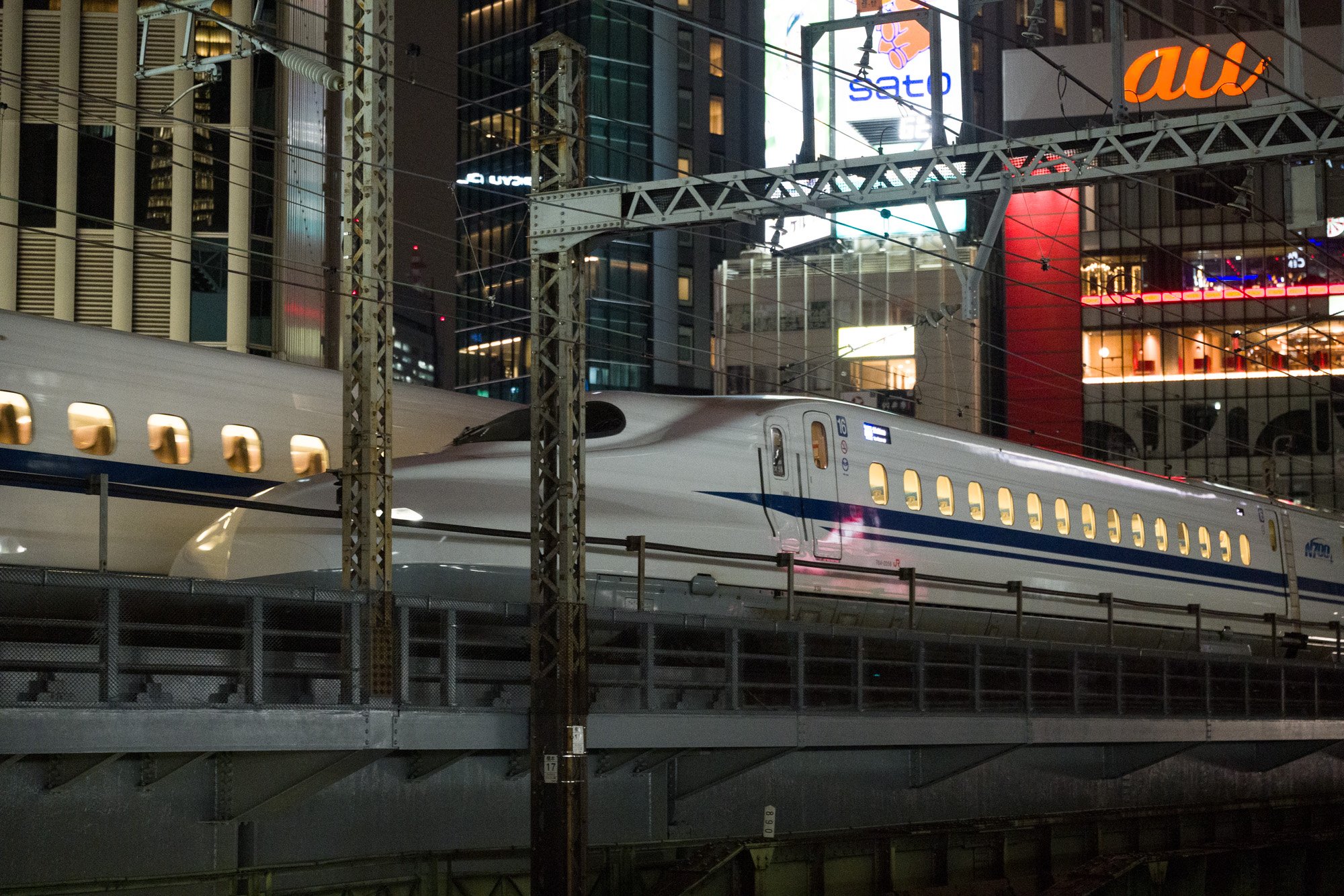
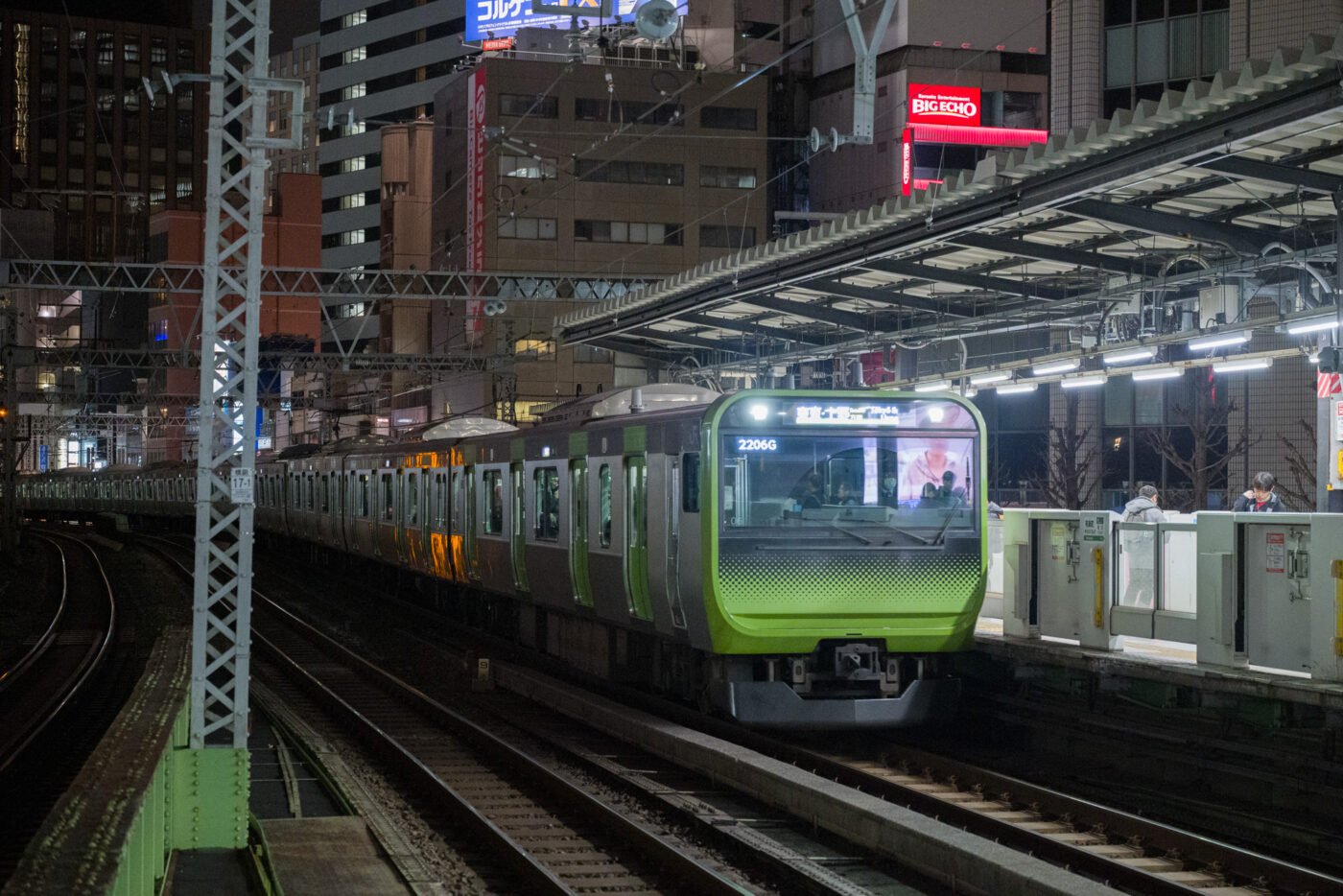

Dynamic range
When it comes to low-light management, the Sigma BF can recover shadows flawlessly down to -2 EV. From -3.33 EV onwards, compensation for dark areas will result in very pronounced noise. Beyond that, a greenish color cast will also begin to appear. Finally, at +5 EV, the grain will be far too pronounced and chrominance noise will alter the image.


More surprisingly, highlight management proves to be more convincing. Details can be recovered without major degradation in shots up to +2 EV, which is excellent performance. Beyond that point, while details are still clearly visible, colorimetry varies. From +3 EV onwards, the deviations are too significant to be compensated for correctly.

Sigma BF autofocus and tracking
The Sigma BF uses a hybrid autofocus system (phase detection and contrast detection) with 1,215 phase-correlation AF points and 345 contrast-detection AF points. The autofocus is also capable of tracking humans (and their faces) and animals such as cats, dogs, and birds.
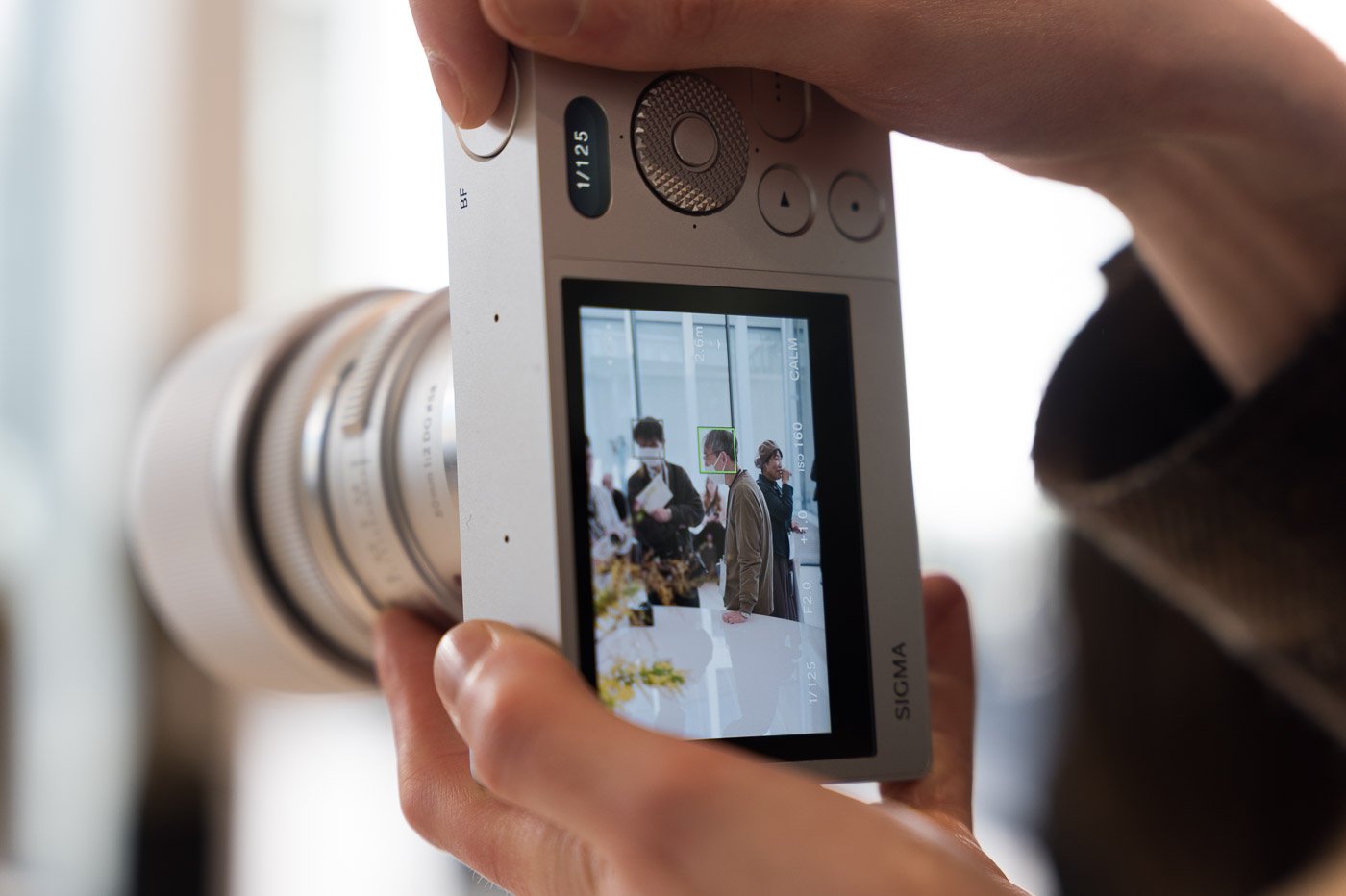
In the field, we were pleasantly surprised by the speed and subject tracking of the Sigma BF’s autofocus. The AF area selection is limited to a specific point or the entire screen area; there isn’t really a middle ground.
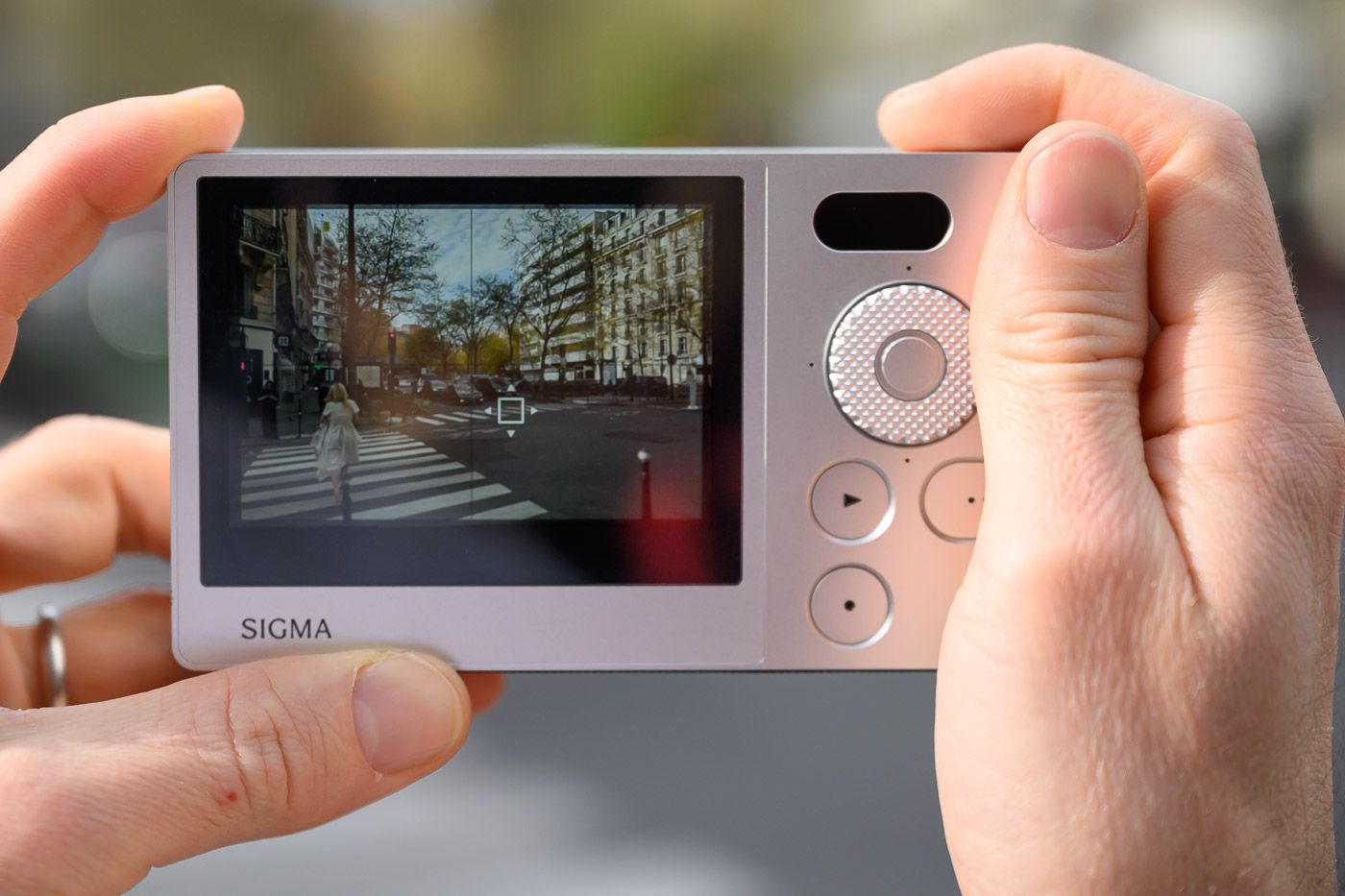
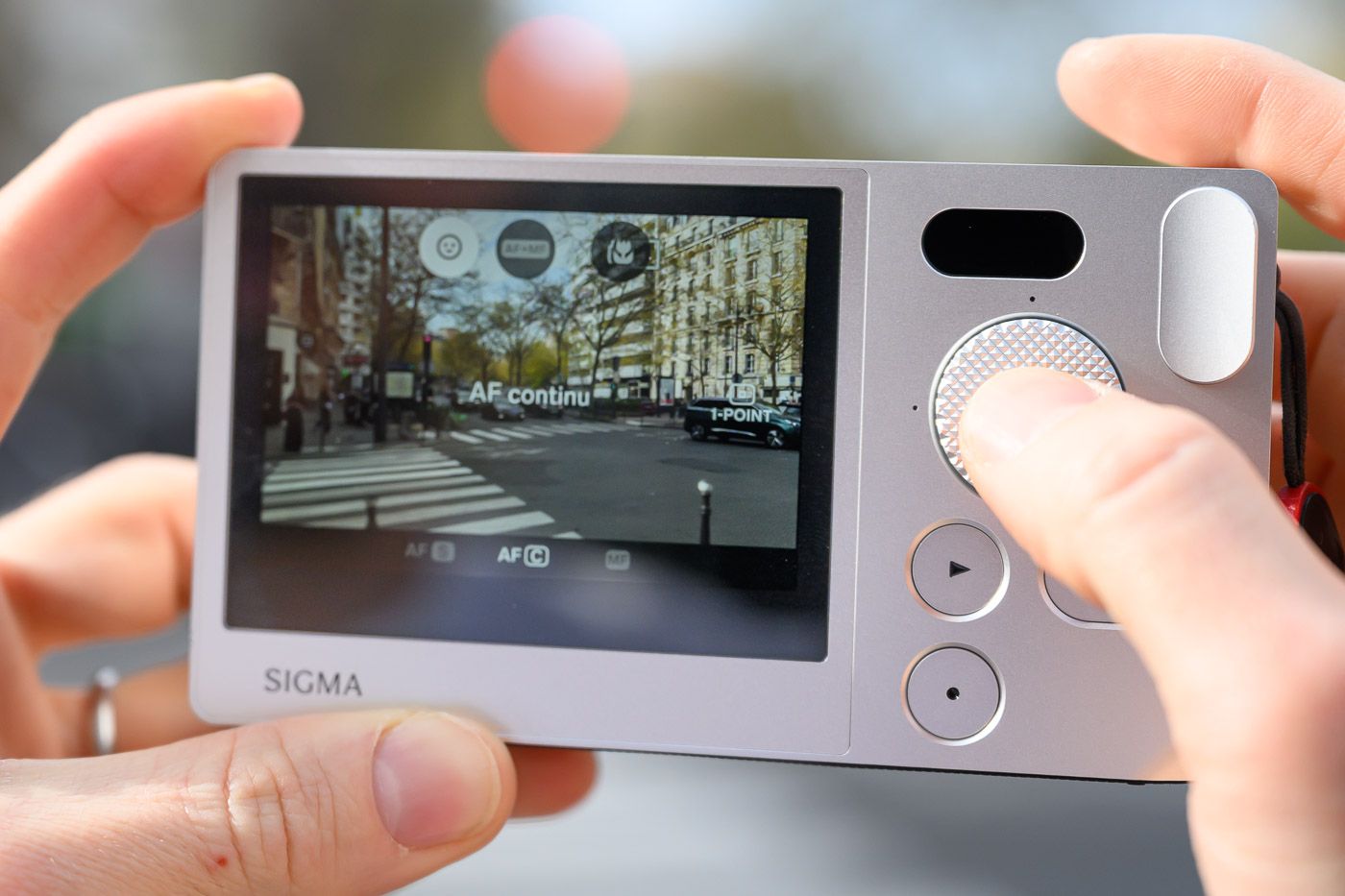
Fortunately, in AF-C mode, you just need to tap on the subject on the screen for the camera to lock onto it. Admittedly, the BF isn’t designed for sports photography, but it does a great job of capturing everyday moments, however fleeting they may be.




Here, Sigma has taken a giant leap forward compared to the Sigma fp and fp L, and the AF performance of the Sigma BF seems to us to be quite close to that of the Lumix S5 II.
Responsiveness, burst mode, and rolling shutter
As explained above, the Sigma BF is not a camera designed for sports or wildlife photography. However, in terms of overall responsiveness, this full-frame mirrorless ILC is as compact as it is snappy, both when turning it on and when navigating, particularly when viewing images.
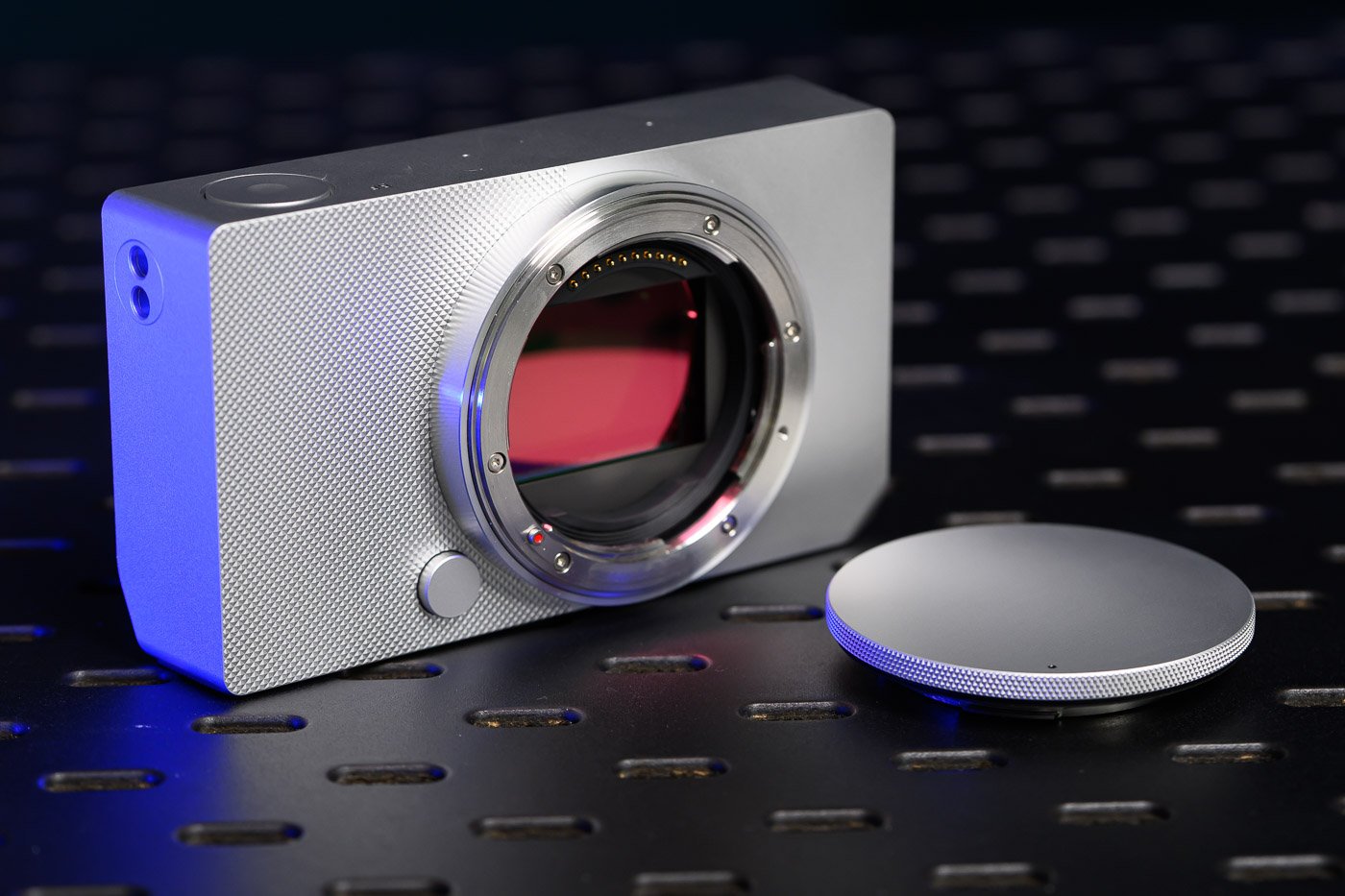
Although the shutter is technically silent, we appreciate the small click generated by the speaker. It’s a good way to know when you’ve pressed the button, as the shutter release is quite sensitive.
For situations requiring a very short exposure time, the Sigma BF is capable of reaching 1/25,600 s, a value high enough to be worth mentioning.
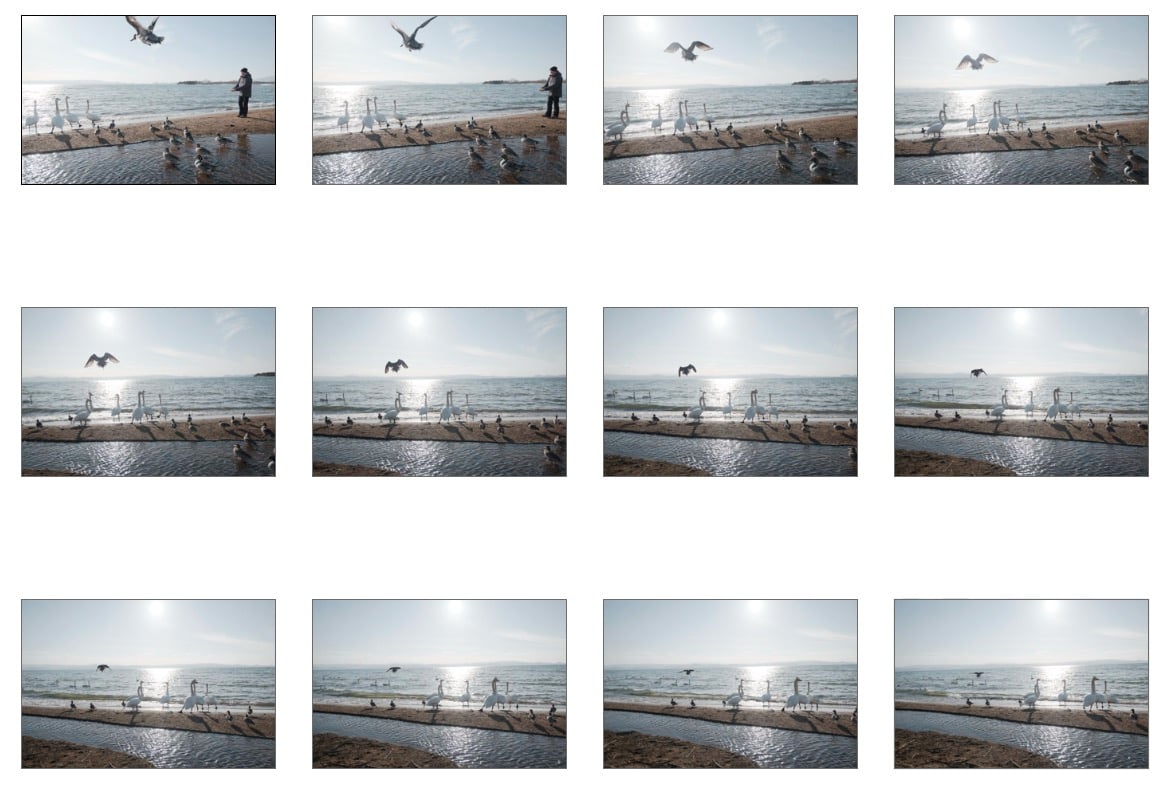
The Sigma BF offers a maximum burst rate of 8 fps with AE/AF tracking. This is only available with the electronic shutter, as the camera does not have a mechanical shutter. There is a very slight blackout between shots, but nothing that would prevent you from using it.
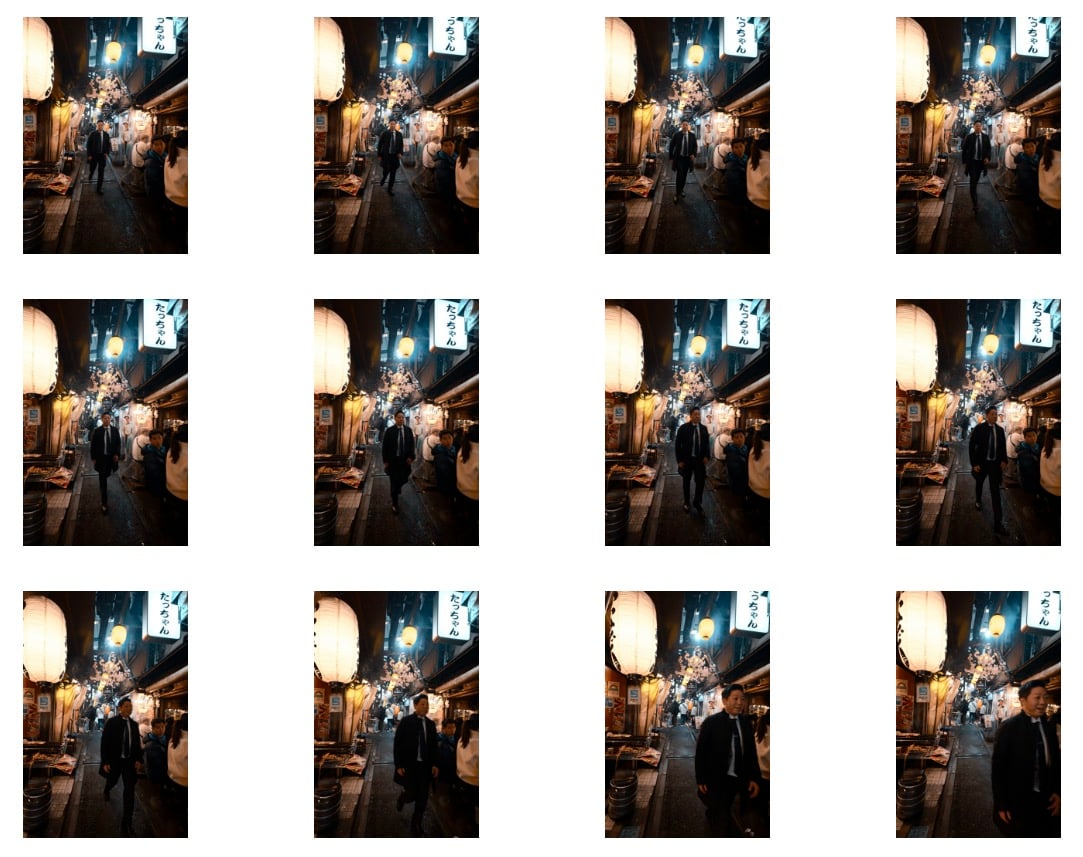
We tested the buffer, and we can say that the BF’s buffer memory—which, remember, is internal storage—is very substantial, with more than 30 seconds without any slowdown in burst mode, or more than 240 images in DNG + JPEG. What’s more, even after a long burst, the camera isn’t slowed down, which is a very good thing. The low frame rate is very practical here.
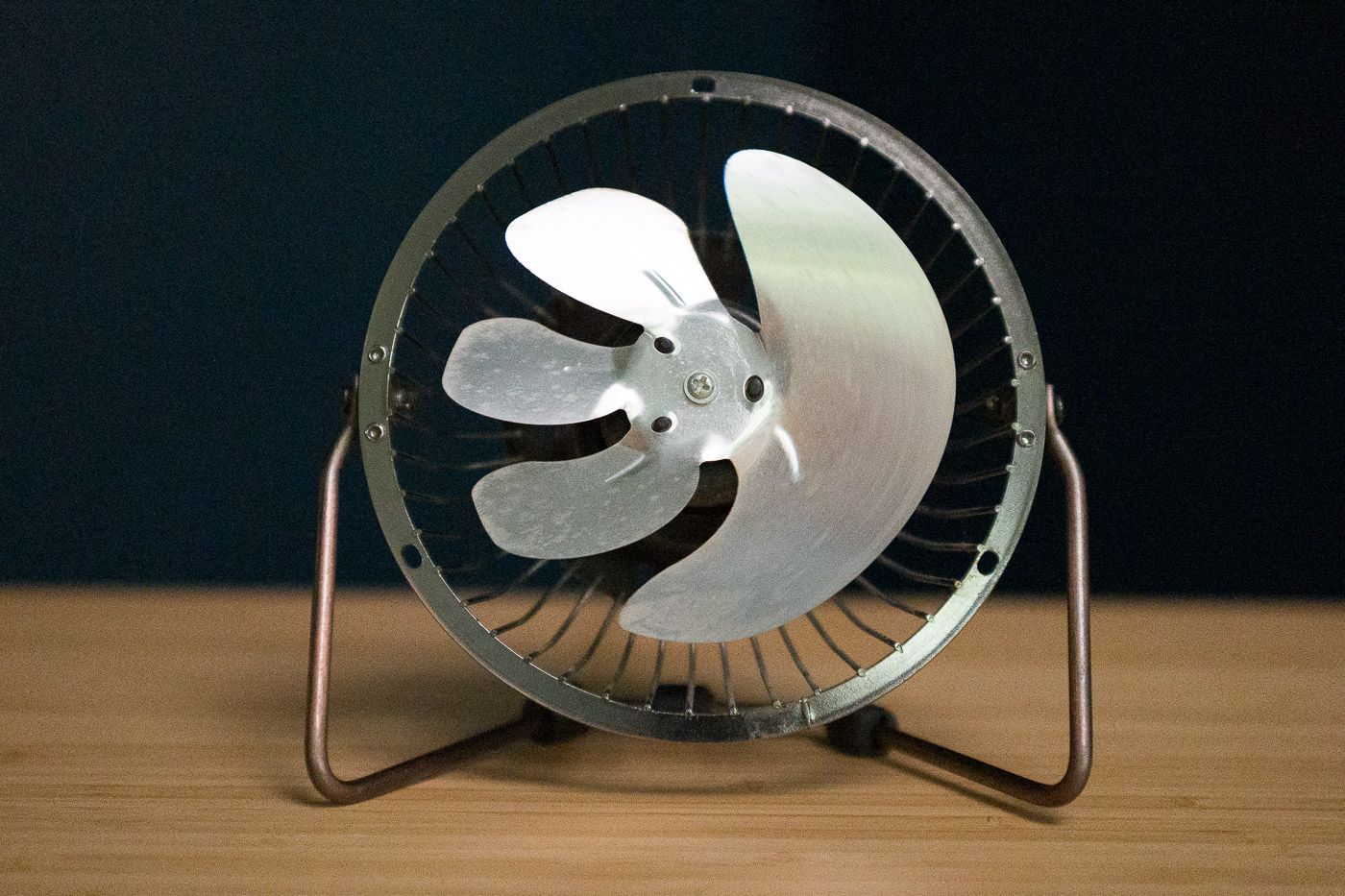
Since the BF sensor is backlit but not stacked, and does not have a mechanical shutter, care must be taken with the rolling shutter effect, which is inevitable if the subject is moving quickly (or in the case of very fast panning).
Lack of stabilization
One of the Sigma BF’s weak points is clearly its lack of mechanical stabilization. Looking at the bare sensor and the size of the body, it’s easy to see why Sigma hasn’t managed to integrate a gimbal to stabilize the sensor, especially since the manufacturer probably doesn’t (yet) have the necessary technology.
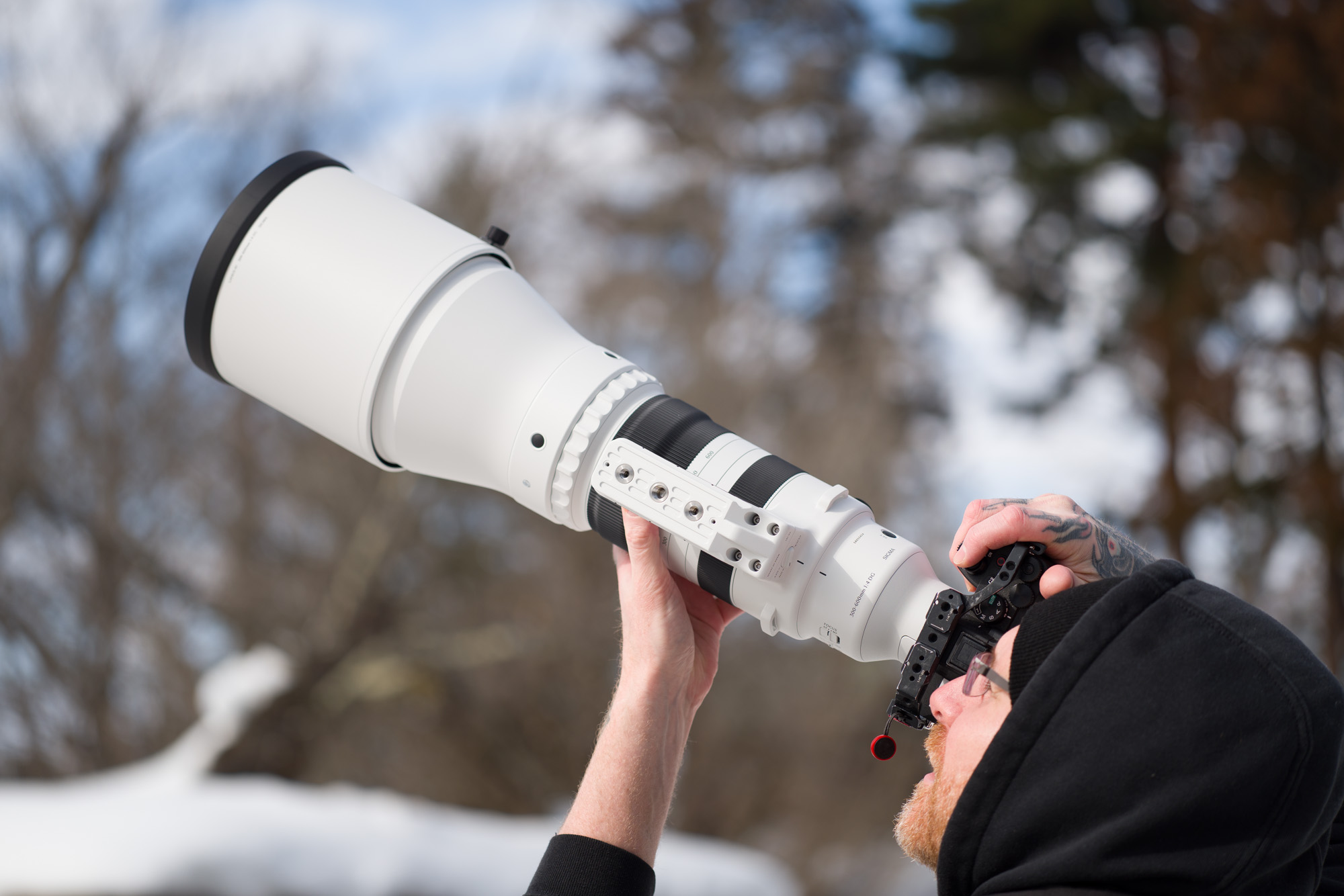
Even though some L-mount zooms are stabilized, such as the Panasonic Lumix S 24-105 mm f/4 Macro OIS or certain telephoto zooms from Sigma, Panasonic, and Leica, this camera body is better suited for use with fixed focal lengths, which are not stabilized. You will therefore need to pay attention to your shutter speed, even if it means increasing the ISO sensitivity.

However, this will be particularly detrimental when shooting video quickly, even though the camera has electronic stabilization in certain formats.
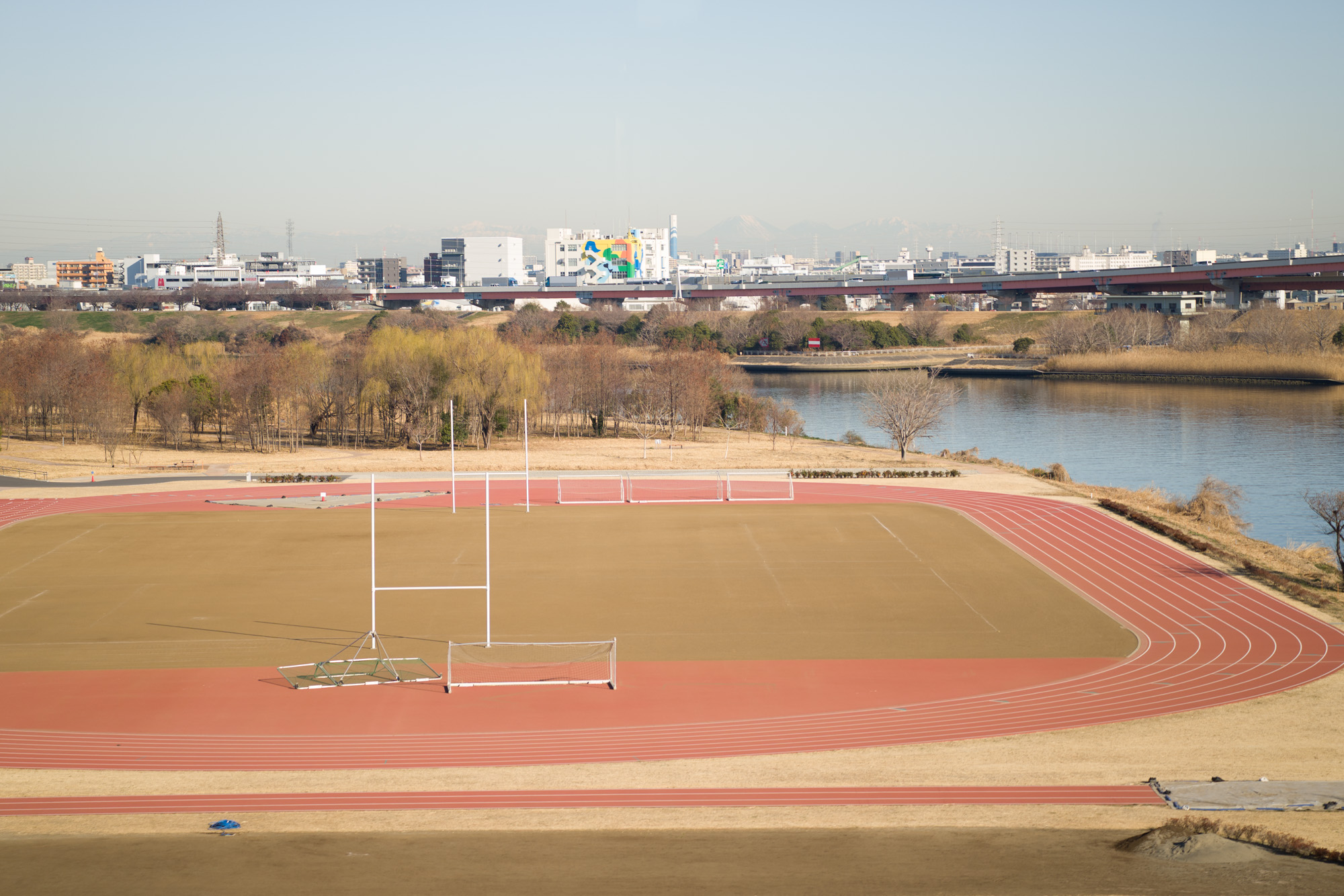
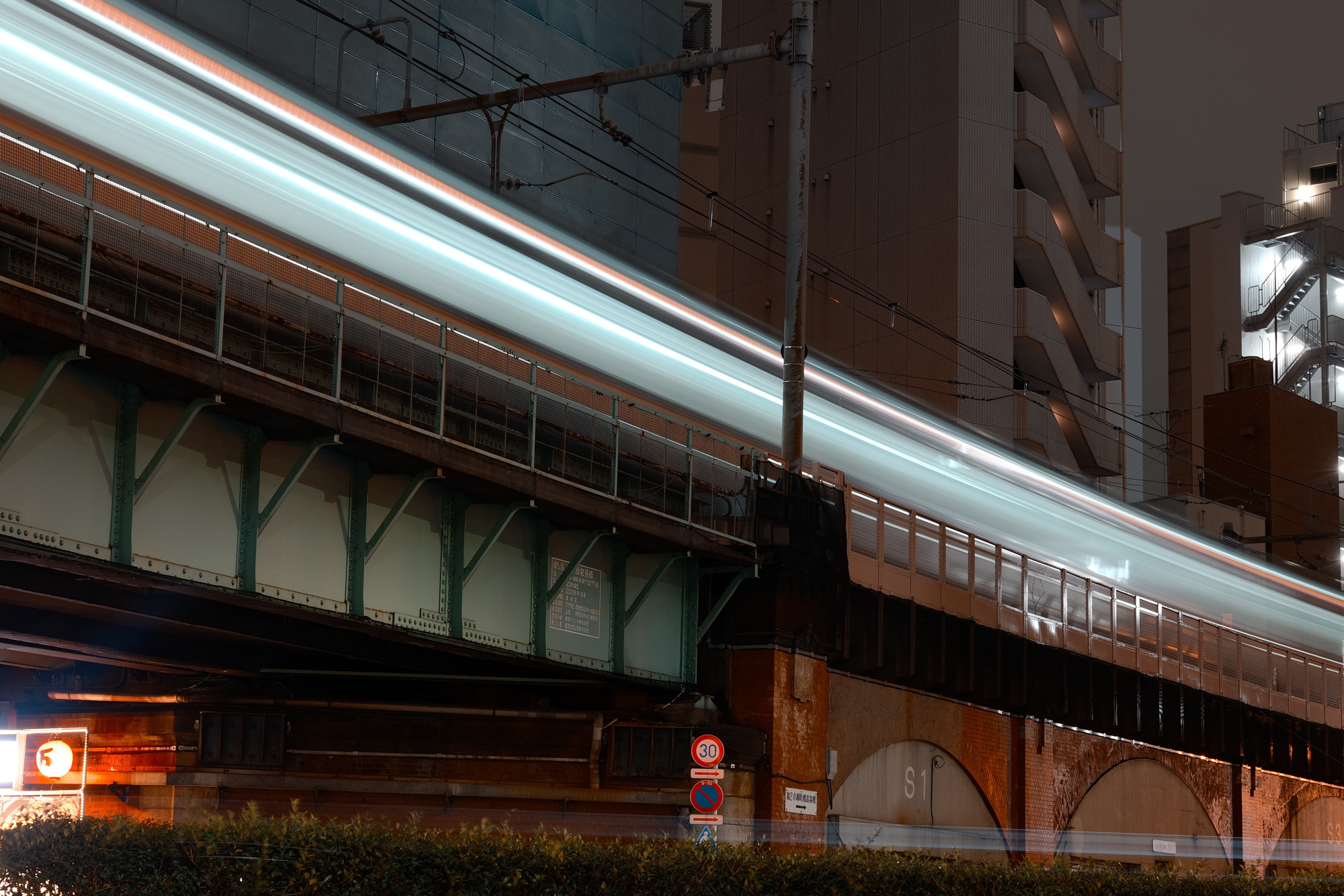
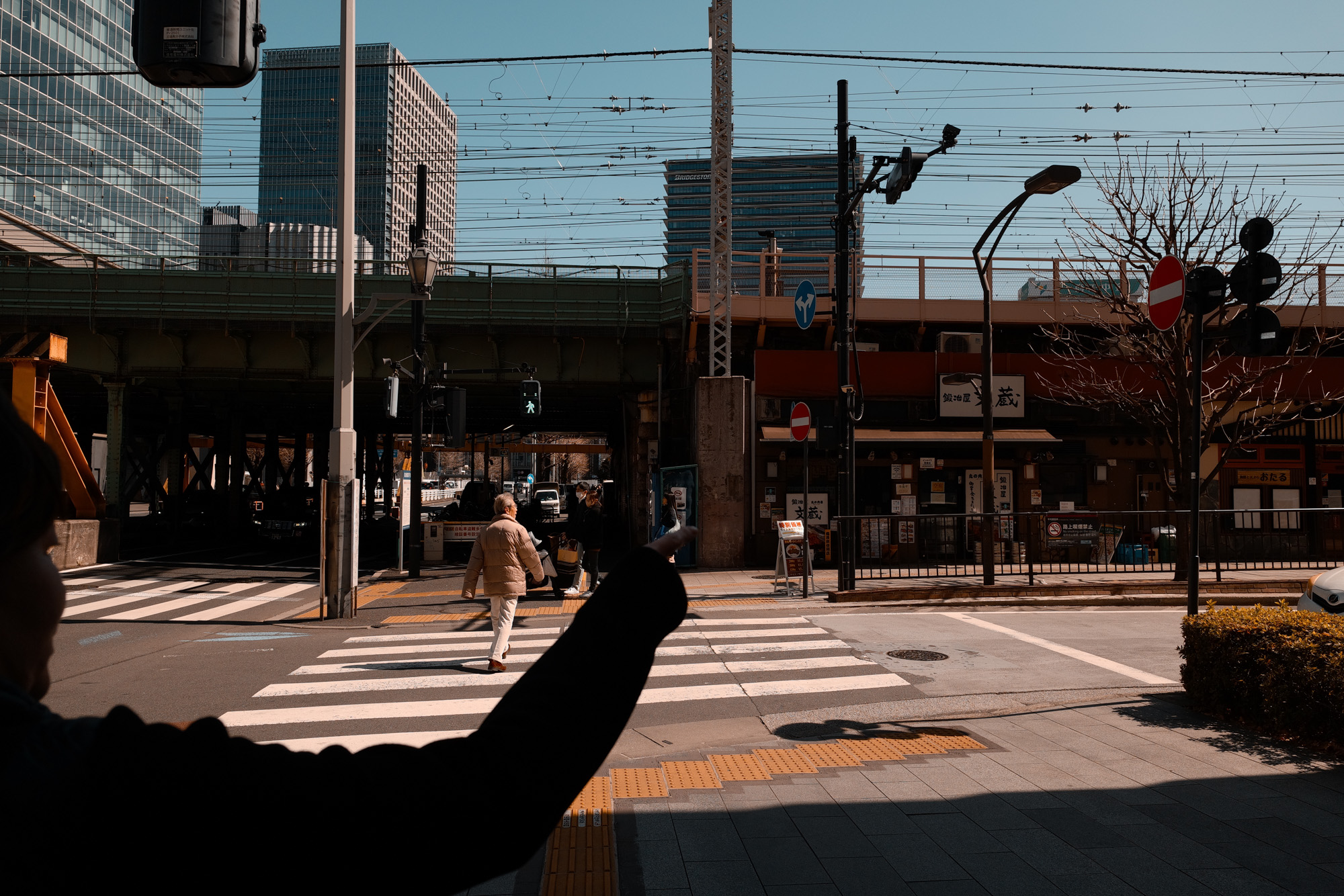
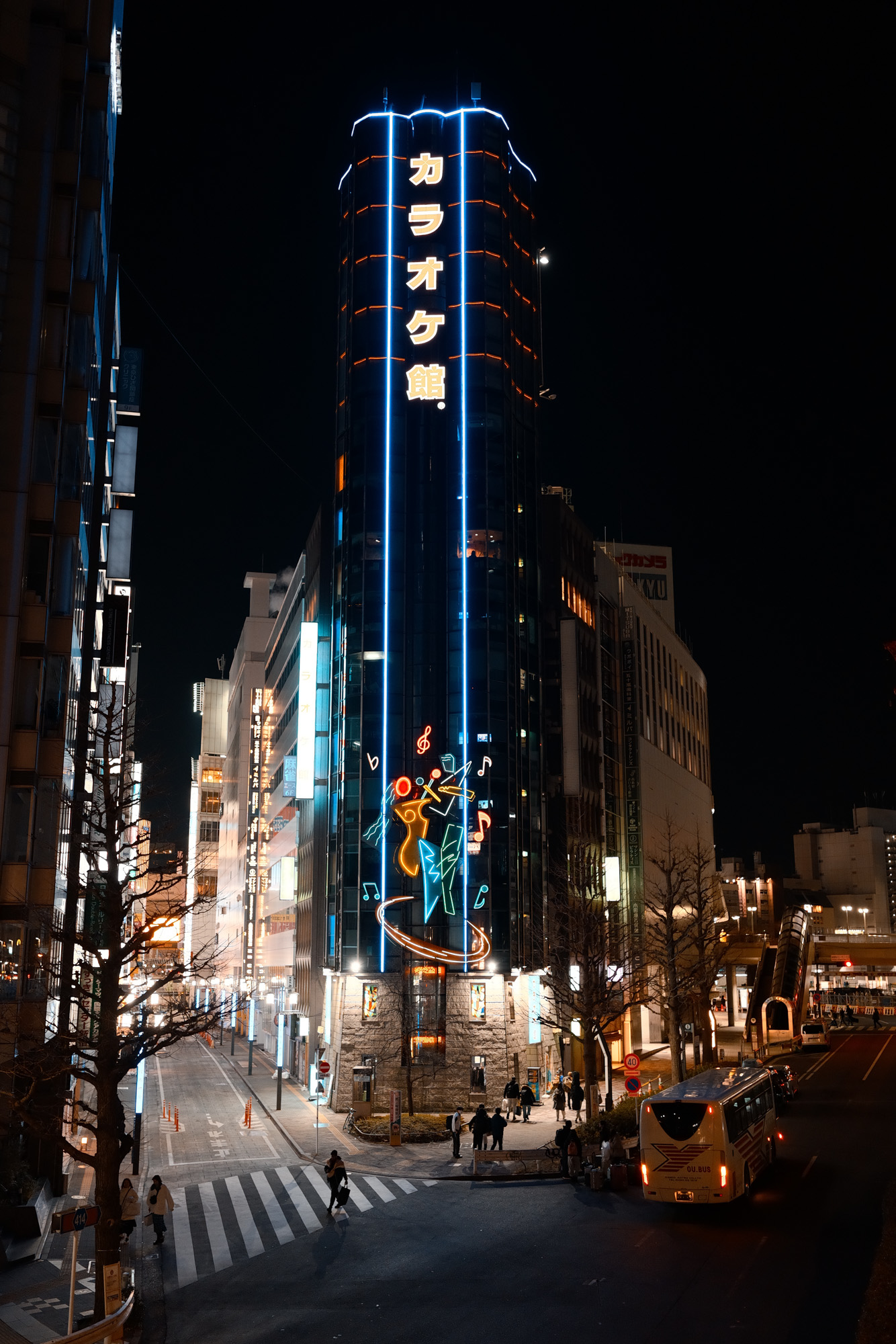
Here is a selection of images captured with the Sigma BF:




























Video : 6K 30p recording
The Sigma BF is clearly a camera that is more geared toward photography than video, as evidenced by the absence of a microphone jack or HDMI port. However, Sigma seems to have wanted to equip it with advanced video features.
The BF is capable of filming up to 6K 30p without cropping in H.265 and L-Log (available on all formats), the same applies to 4K, while Full HD allows you to film in slow motion at 120p.
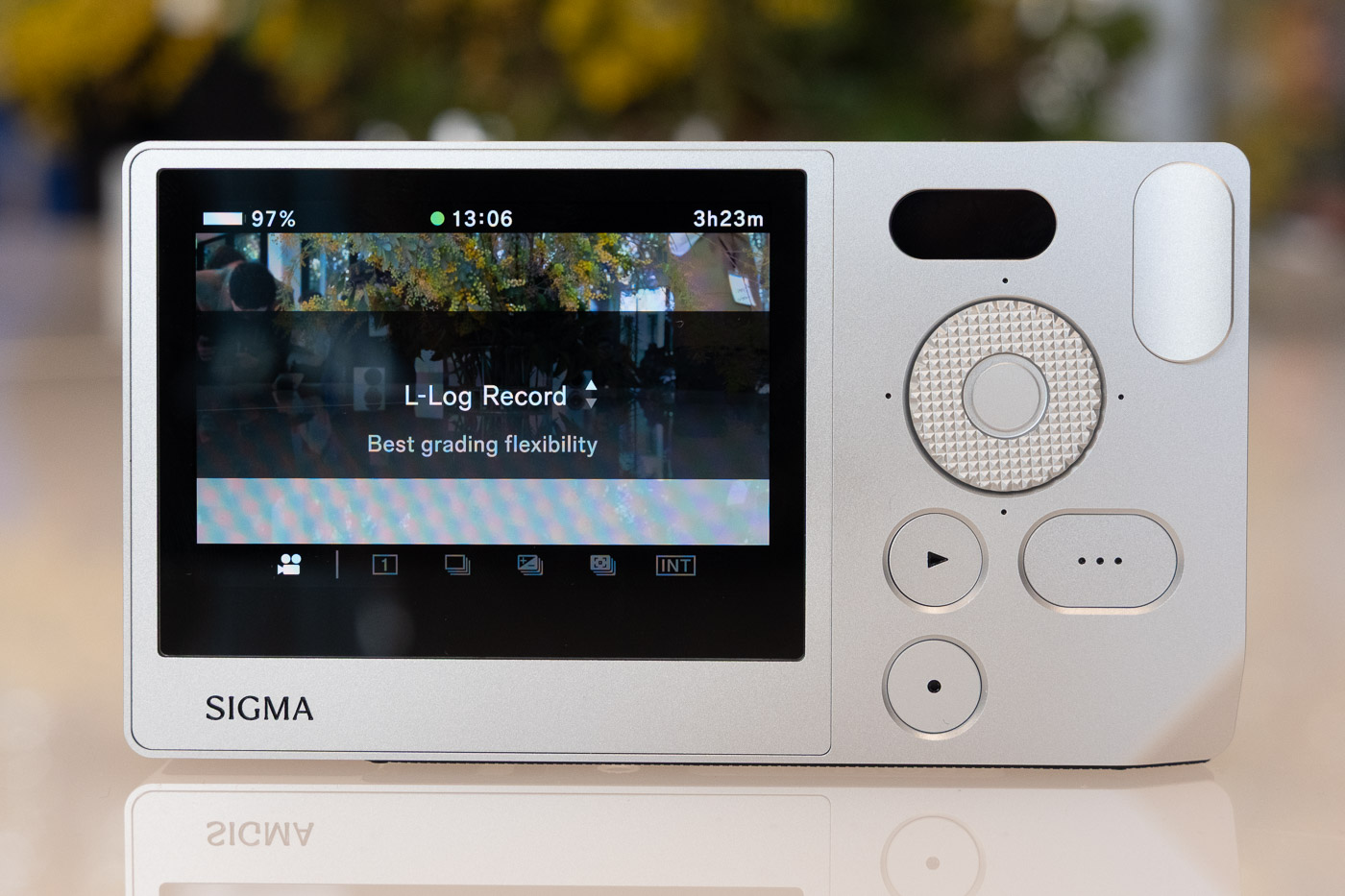
In L-Log, it is possible to view the feed in Rec.709 for a better overview of the video exposure, and there are features inspired by the Sigma fp, such as zebras and false colors, to check the exposure. These are particularly useful as there is no waveform available on the display. You can even adjust the speed using the shutter angle rather than the speed, with the option to set the maximum angle.

In 4K and Full HD, it is possible to opt for APS-C cropping, resulting in a 1.57x crop. Note that in video mode, the base sensitivity is ISO 320, and even ISO 1250 in L-Log.
Electronic stabilization is available in all modes except 6K, with a slight 1.25x crop. Combined with the APS-C crop in 4K and Full HD, this results in a 1.96x crop. On the audio side, the camera has two microphones on the top, but it was unable to support our external microphone via the USB-C interface.
During quick video tests, we came to one conclusion: while the rendering can be very cinematic for stationary subjects when the camera is mounted on a tripod, shooting in Run & Gun mode is limited by the lack of stabilization. Similarly, the autofocus is somewhat inferior to that of a still camera, with no option to adjust its sensitivity or speed.
Sigma BF battery life
The Sigma BF has a new 3300 mAh BP-81 battery that is shaped like a lipstick. This is an astonishing capacity for such a small battery, compared to what Nikon offers with its 1900 mAh EN-EL15 battery, for example.
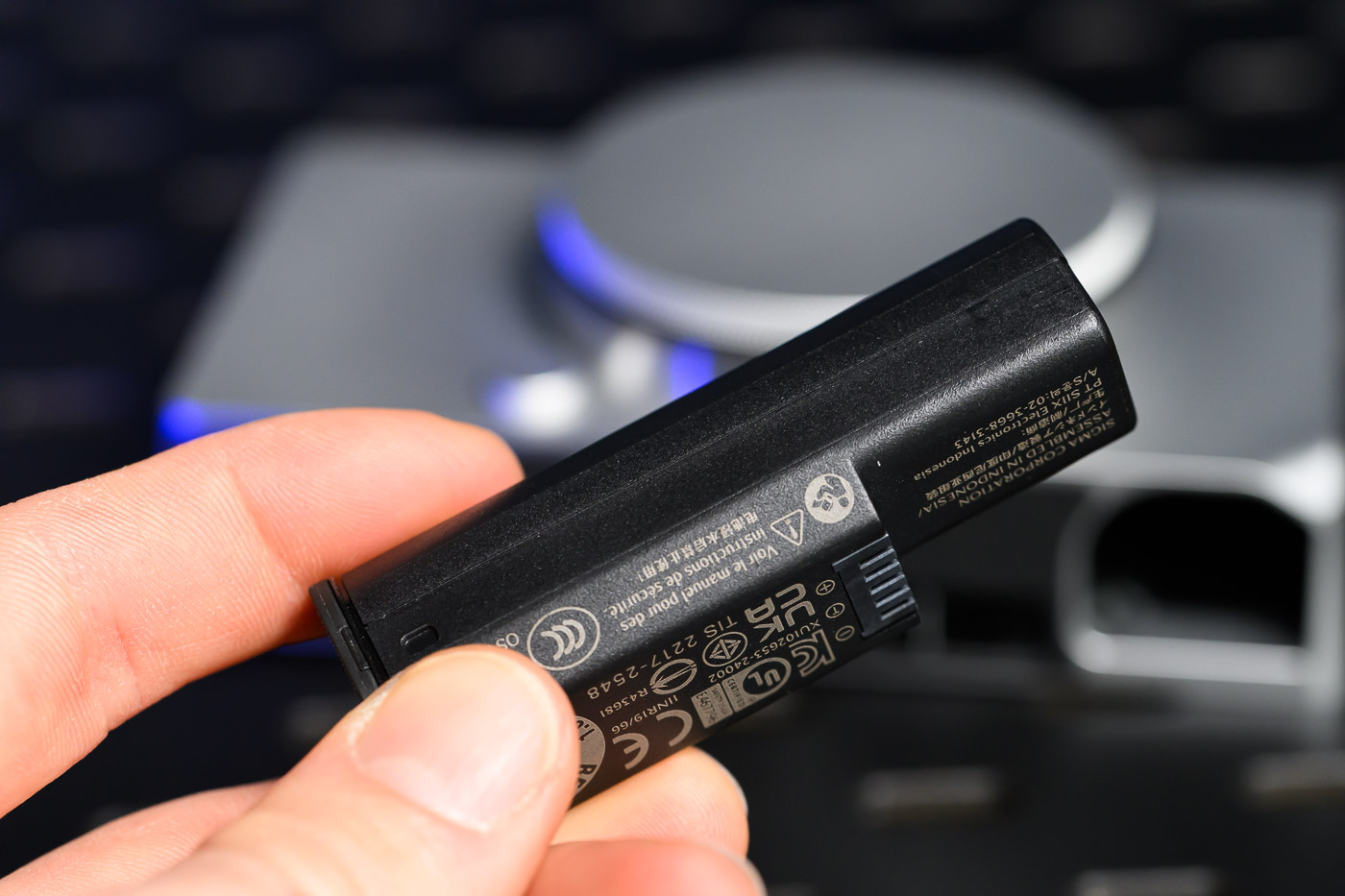
However, Sigma states a battery life of only 260 photos (CIPA standard) or 60 minutes of video. When it was announced, we found this battery life to be relatively limited. Unfortunately, in reality, the Sigma BF runs out of steam very quickly, and we often had to recharge the camera body via USB-C in the middle of the day to make sure we didn’t run out of power.
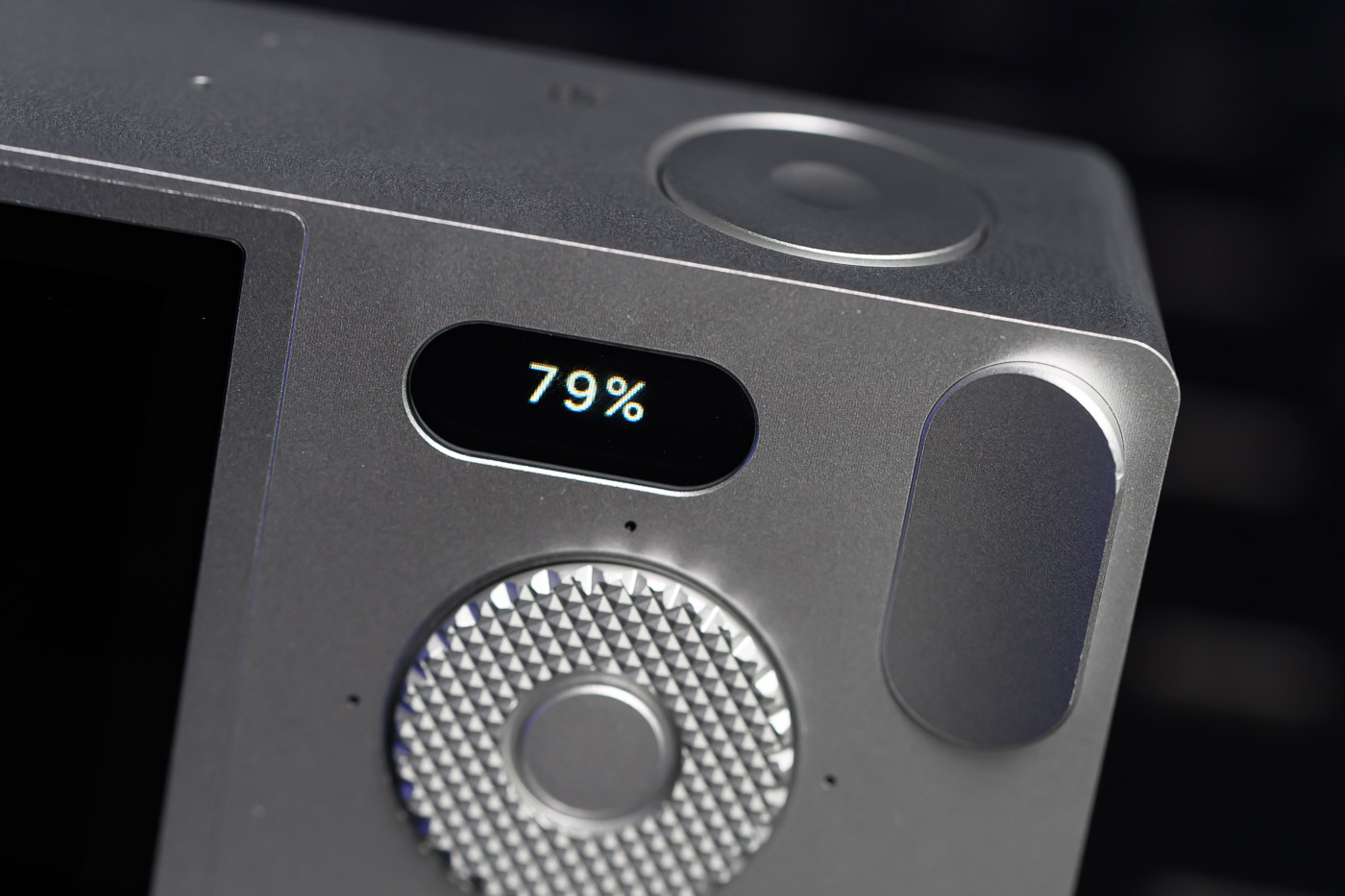
Be careful, though, because quickly pressing the power button does not turn off the device but puts it into standby mode, which can continue to consume energy. A second battery (€159) is therefore a good idea if you are a keen photographer.
Connectivity: USB-C and that’s it!
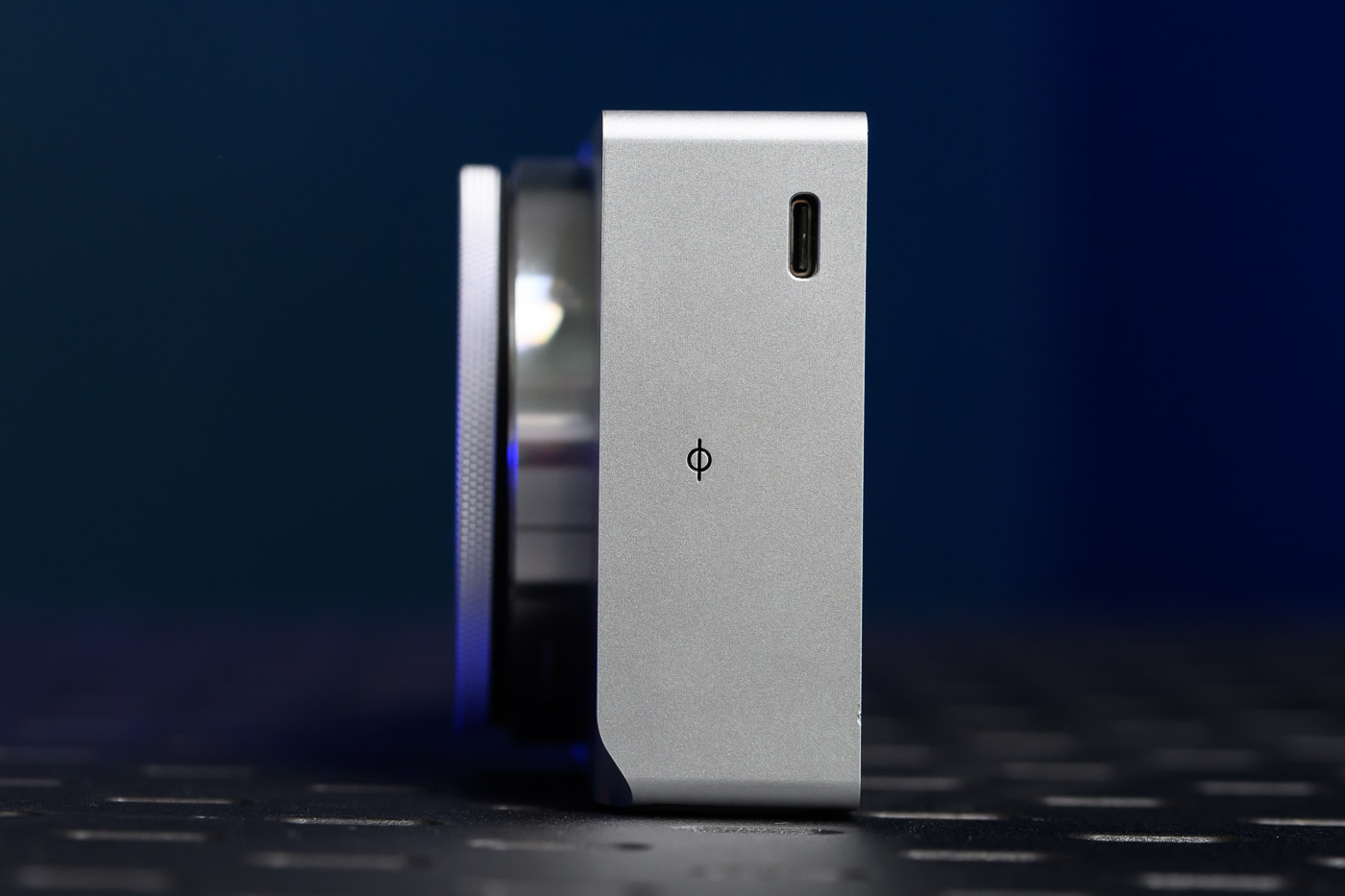
In its quest for minimalism, Sigma has opted for a single USB-C connection. This provides a USB-C 3.2 Gen2 (10 Gbit/s) port that can be used to charge the device, transfer files, or connect the camera as a webcam using the UAC/UVC standard. We regret the absence of a microphone or headphone jack, an HDMI port, and the lack of Wi-Fi or Bluetooth connectivity. At a time when all manufacturers are offering seamless connectivity with smartphones, Sigma is going in the opposite direction.
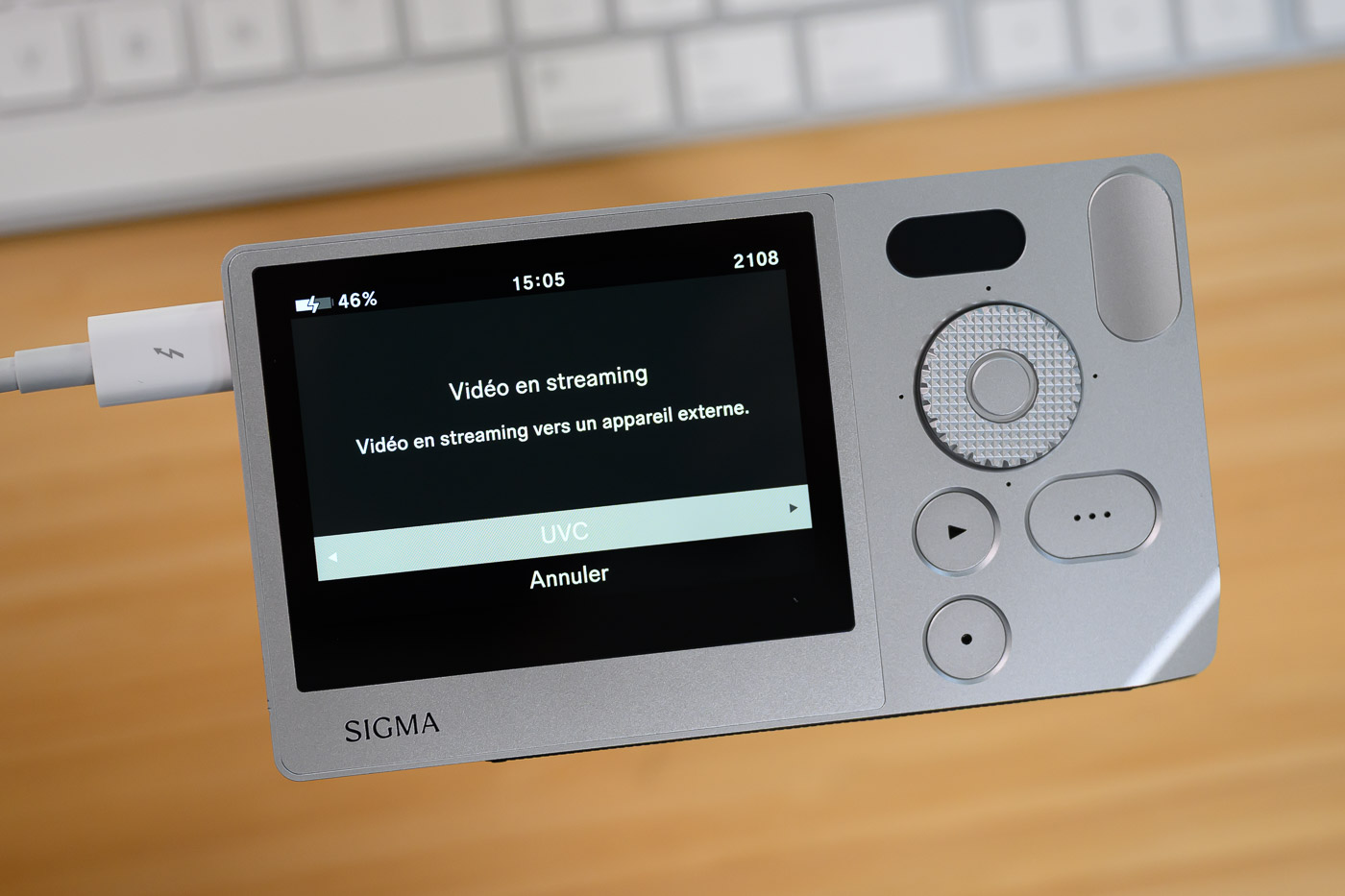
There is also no memory card slot, as the camera has 230 GB of internal memory, which, according to Sigma, can store more than 14,000 JPEG files, 4,300 uncompressed RAW images, or 2.5 hours of 6K video.
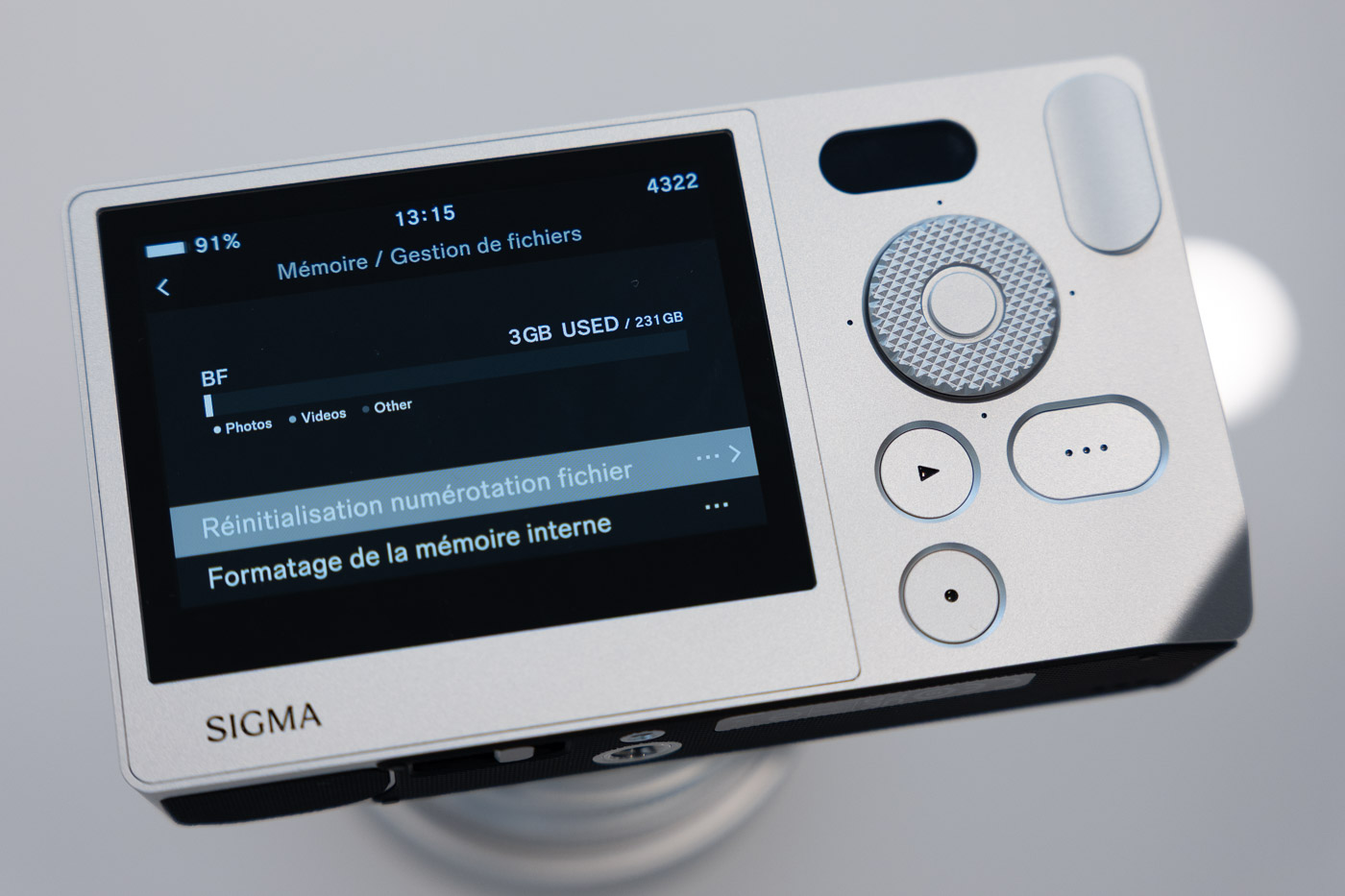
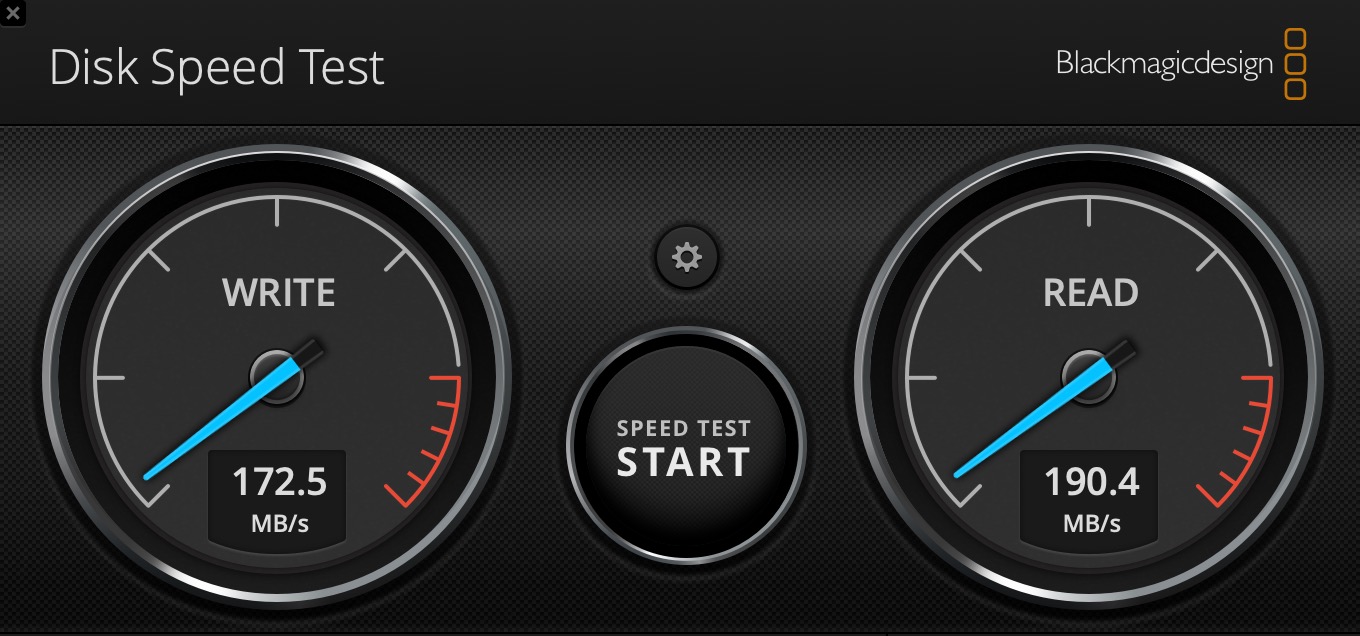
In practice, this storage capacity is sufficient for photos and resembles flash memory. However, it is not the fastest, as it takes around 8 minutes to transfer 100 GB of data to a computer. On the plus side, the Sigma BF supports SSD recording… but not directly when shooting.
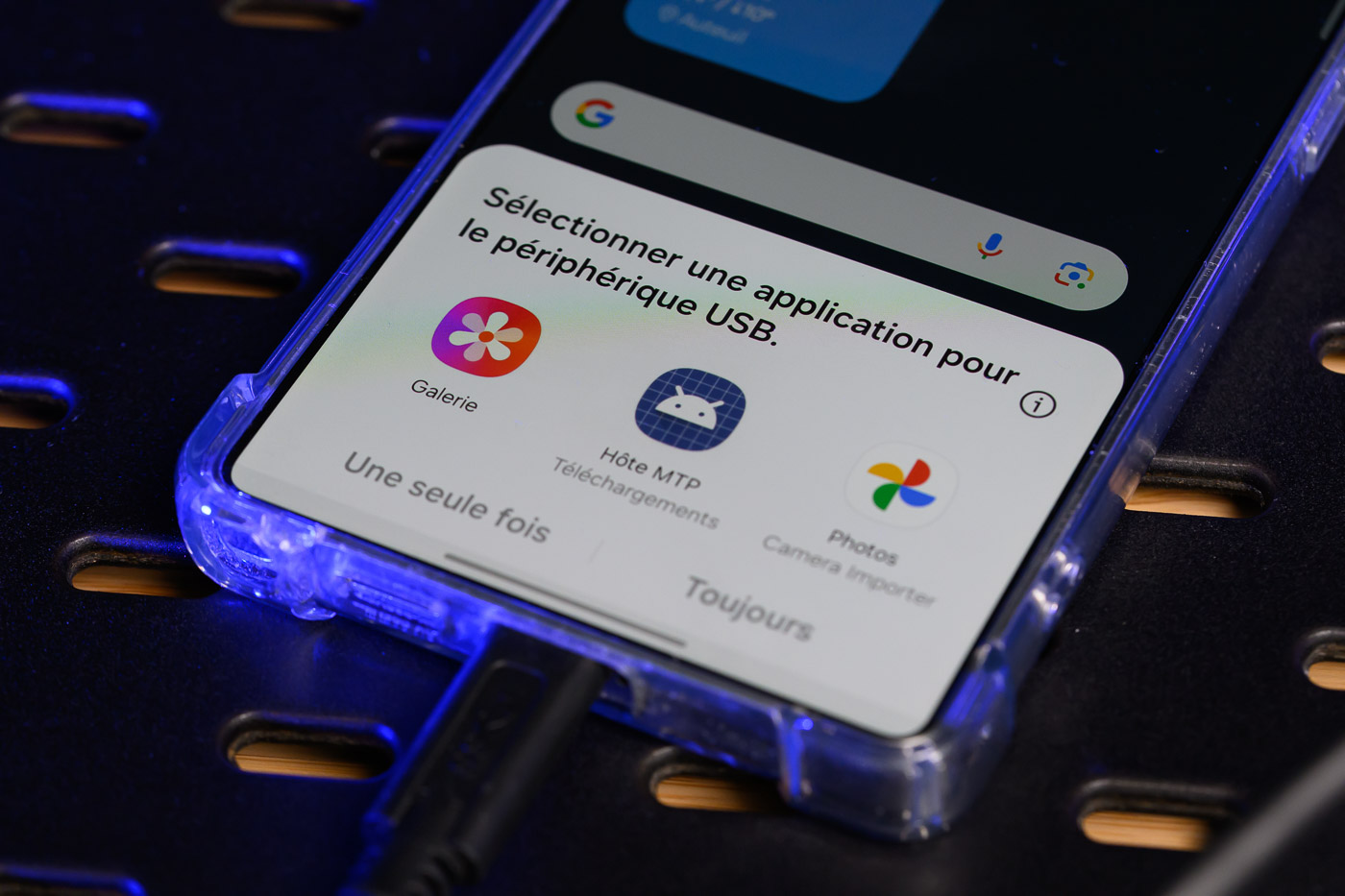
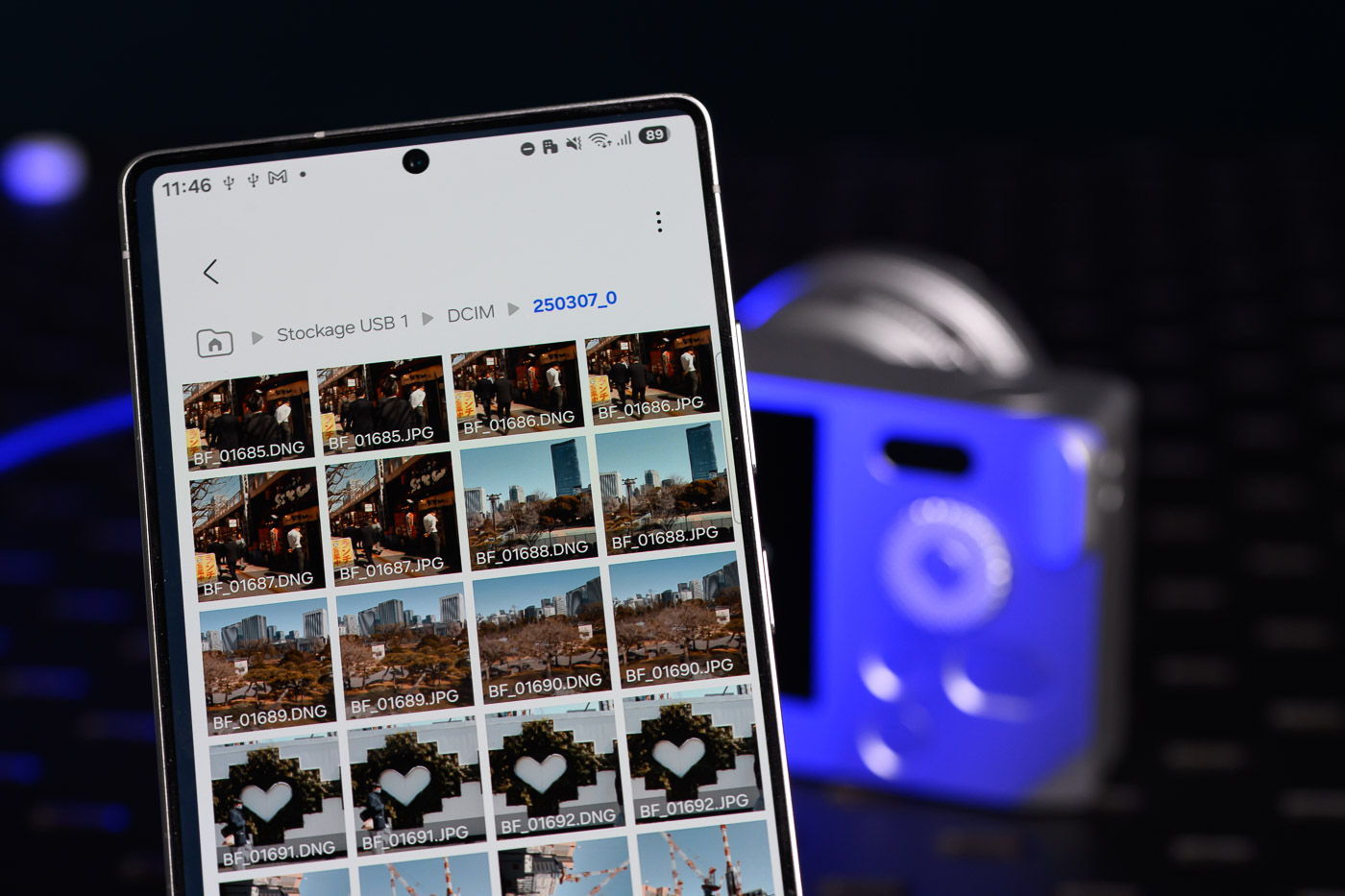
It is therefore possible to download your photos (or make a second copy, as the camera offers both options) to an SSD, smartphone, or even an iPad, without a computer. To make viewing easier, the camera creates one folder per day. What’s more, the image viewing interface on the camera allows you to quickly switch from one day to another.
Sigma BF, a camera body you either love or hate
With the Sigma BF, the Japanese manufacturer offers an original camera body– a very original one, in fact (too original?). When it was announced, opinions were very divided, with some finding the camera body uninteresting and others really impressed by it.
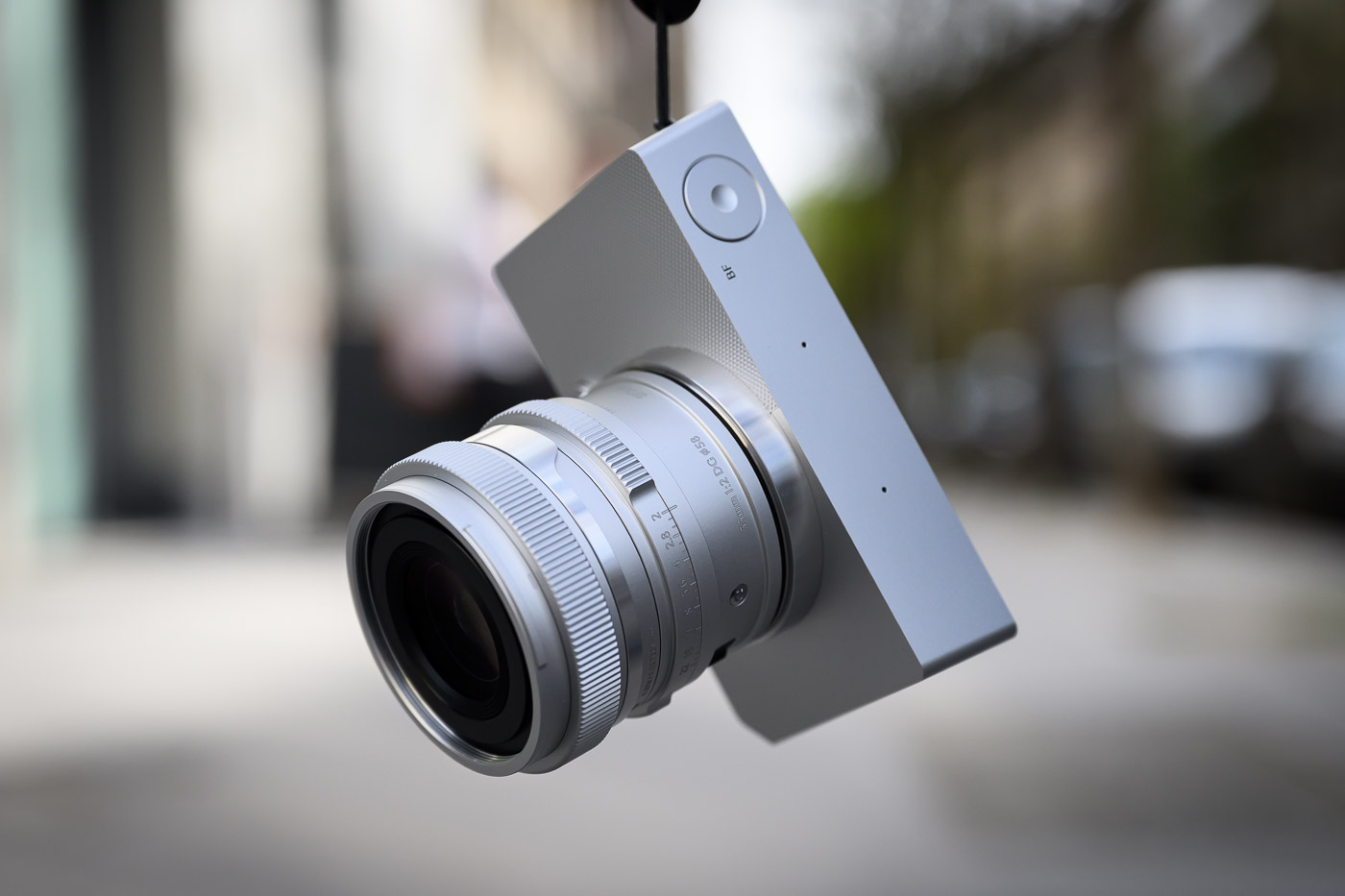
After testing this camera, we can truly say that the Sigma BF is an atypical device that appeals with its sleek design, aluminum unibody construction, and minimalist approach. By focusing on the essentials, Sigma offers a unique photographic experience that prioritizes simplicity. And in the field, this adds an extra touch of creativity, thanks in particular to the color renditions offered by Sigma; we love Teal & Orange.
Although limited by the absence of internal stabilization, a viewfinder, and wireless connectivity, the BF offers excellent image quality in a very compact format with ergonomics designed for “steady” photography.
However, we are a little frustrated that Sigma sometimes limits its concept of an everyday camera. With a device that allows you to focus solely on internal color rendering and JPEGs, we believe it would have been more appropriate to enable wireless sharing with a smartphone or tablet. Fortunately, USB-C is now very common (and mandatory on recent smartphones in Europe).
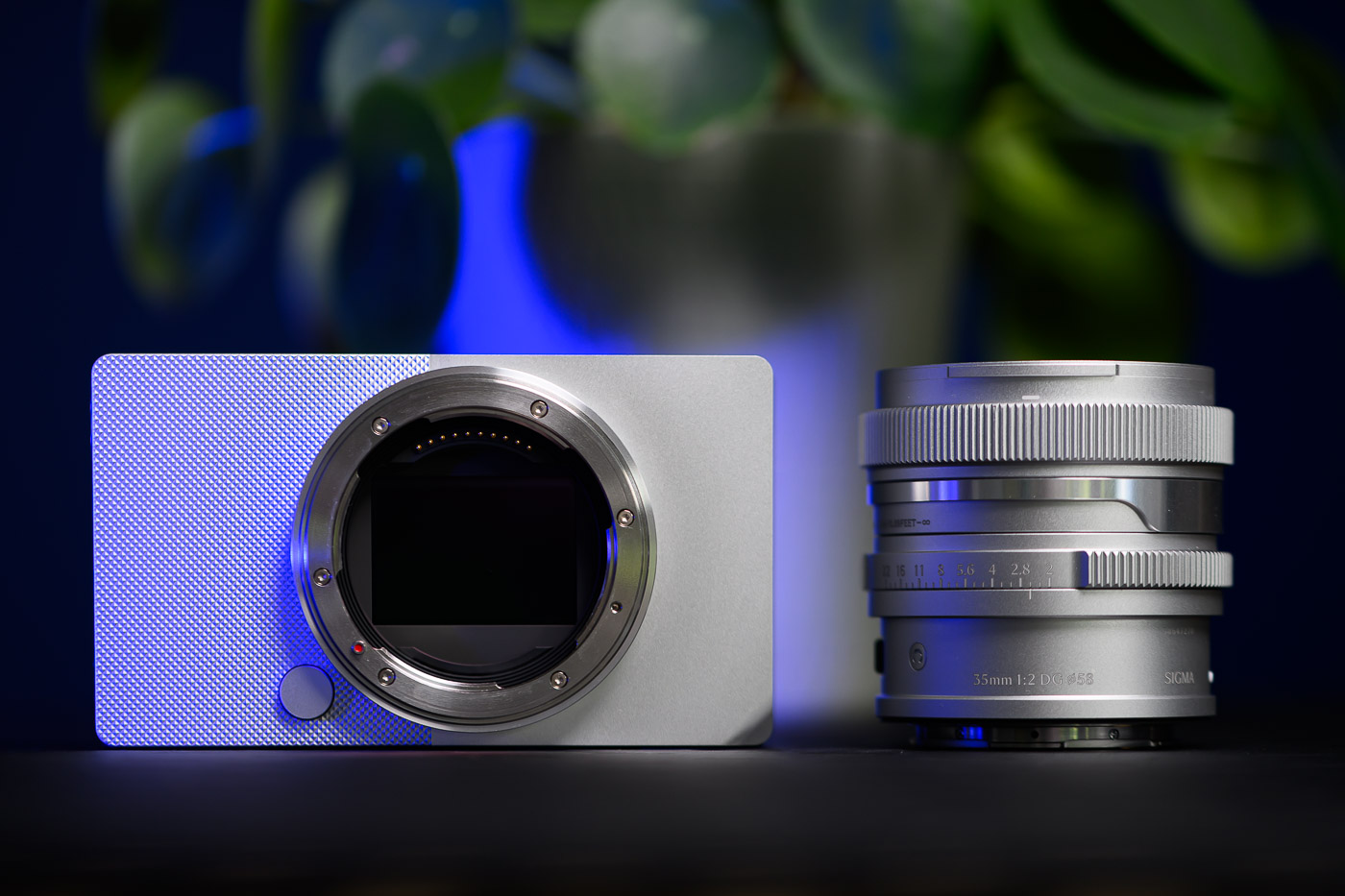
The Sigma BF is a so-called “niche” camera, designed for a specific category of photographers. Compared to a Lumix S9, the Sigma BF falls short in all purely technical aspects… yet costs €650 more!
However, this is precisely what might appeal to some people who are tired of technological one-upmanship. It could be more easily compared to a Leica, but more affordable. Accessible luxury? You be the judge, but this is a real statement from Sigma, which dares to stand out from the competition.
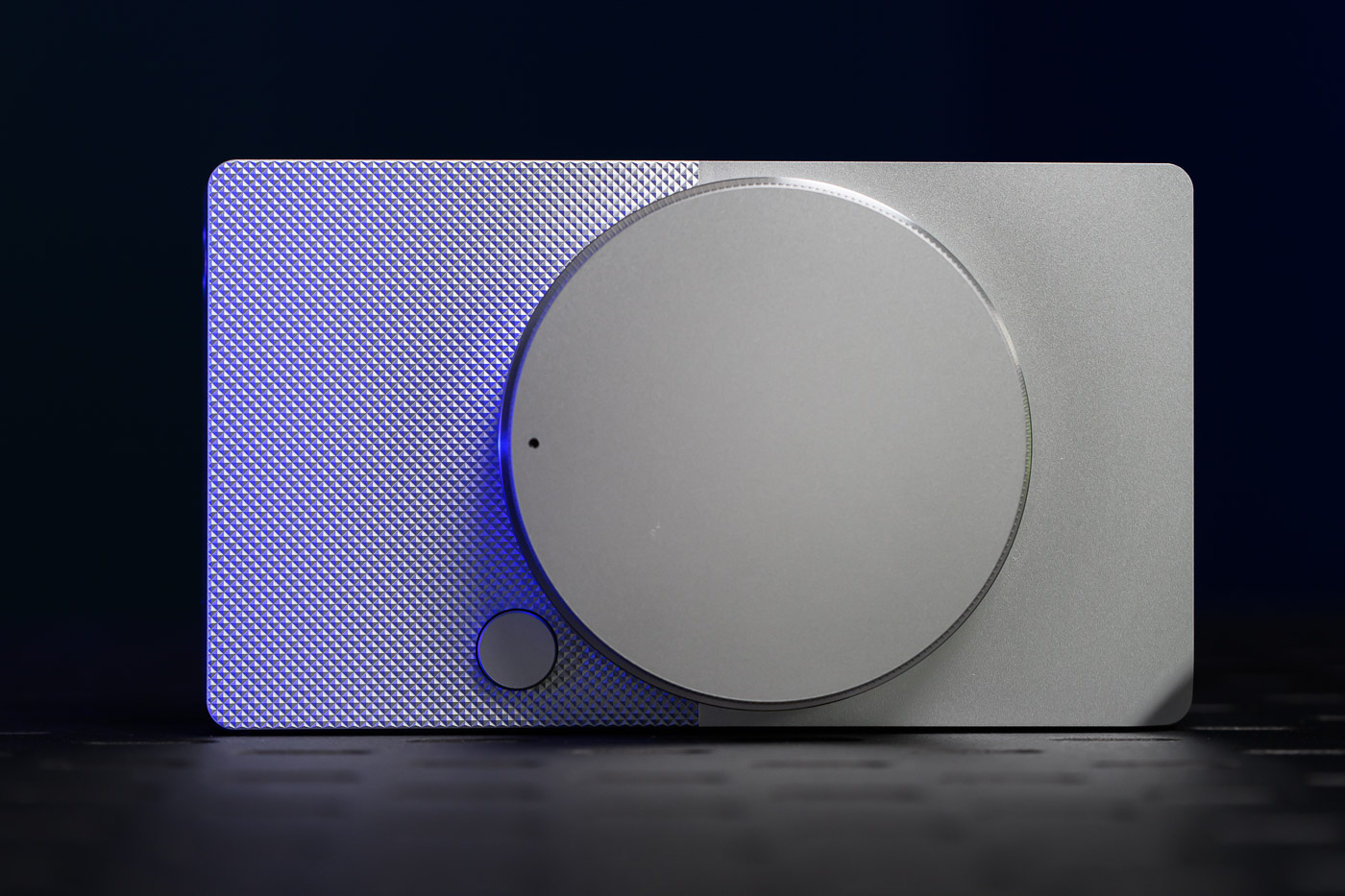
In short, you either love or hate the Sigma BF. And at Phototrend, despite certain technical choices, we… appreciate the boldness of doing things differently.
The Sigma BF is available in two colors, a highly visible silver model and a more discreet black model, priced at $2199 without accessories.