

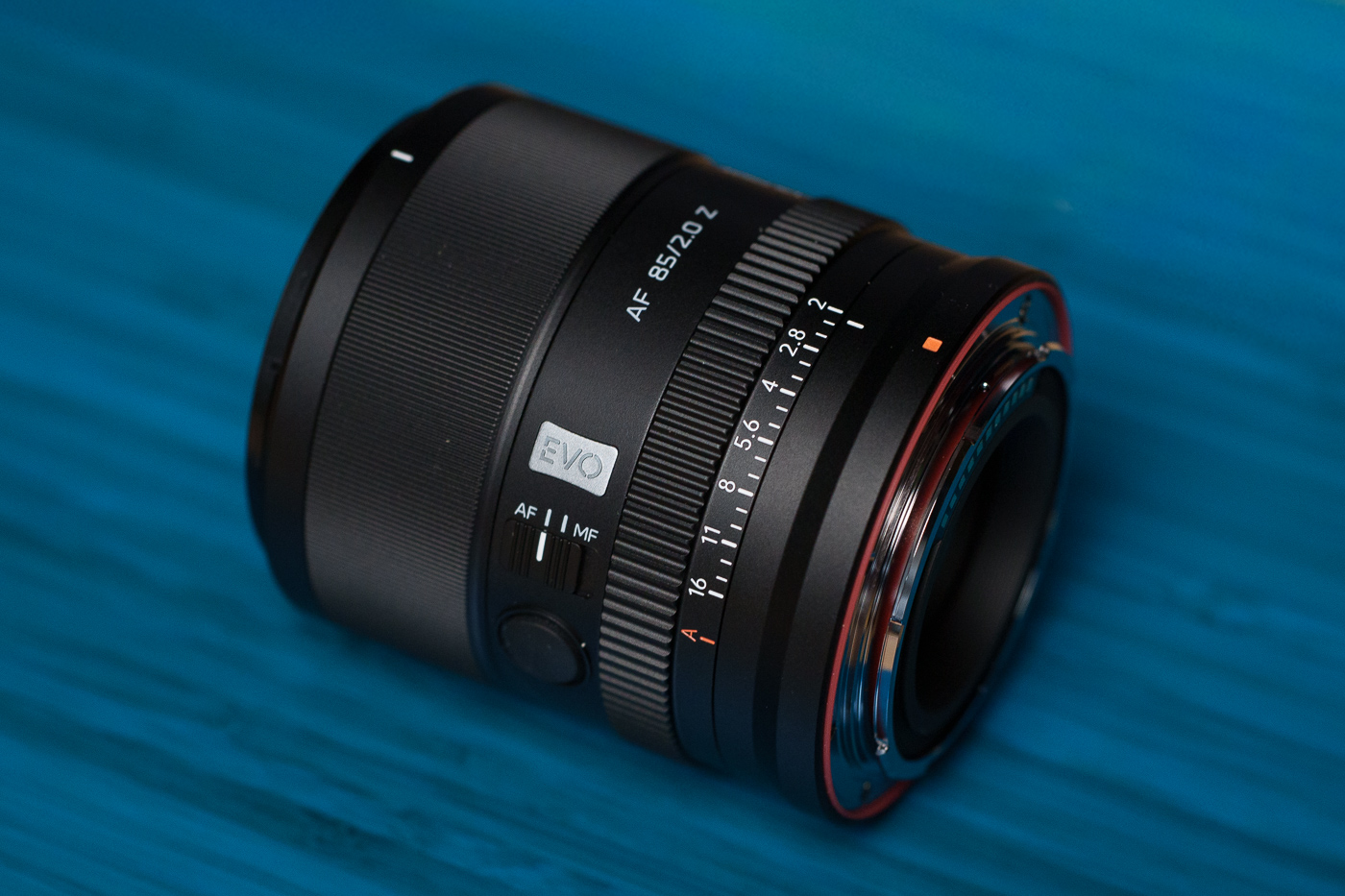

Unveiled in September 2025, the Viltrox AF 85mm f/2 Evo is a prime lens designed for portraiture. It aims to deliver a compact form factor without sacrificing ergonomics or image quality. As a member of the Evo lineup, it is more affordable and lighter than the optics from the manufacturer’s “LAB” and “Pro” ranges.
Available in Nikon Z and Sony E mounts, does this lens live up to its promises? Here is our full review.
Sommaire
Introducing the Viltrox AF 85mm f/2 Evo
85mm is an extremely popular focal length for portrait photography. In Sony E or Nikon Z mount, options are particularly plentiful. With this AF 85mm f/2 Evo lens, Viltrox aims to combine optical performance and compactness, offering an alternative to f/1.4 (or even f/1.2) lenses with their prohibitive price tags and weight. A rationale that Canon followed a few years ago with the RF 85mm f/2 Macro IS STM.
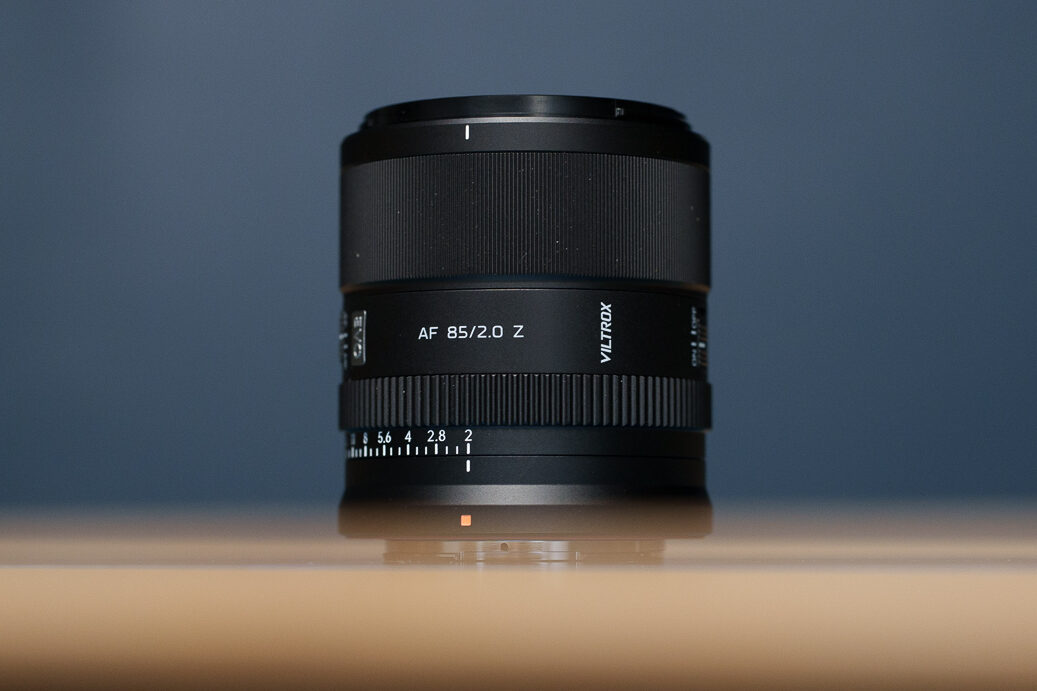
This f/2 aperture is slightly less luminous than the more “standard” f/1.8 lenses. It can also be seen as a pragmatic choice allowing Viltrox to reduce the diameter of the lens elements and, by extension, the overall volume of the optic. This choice becomes particularly relevant on more “compact” mirrorless bodies such as the Nikon Z f or the Sony A7C II, for example, whose aesthetics and handling are less suited to overly bulky lenses.
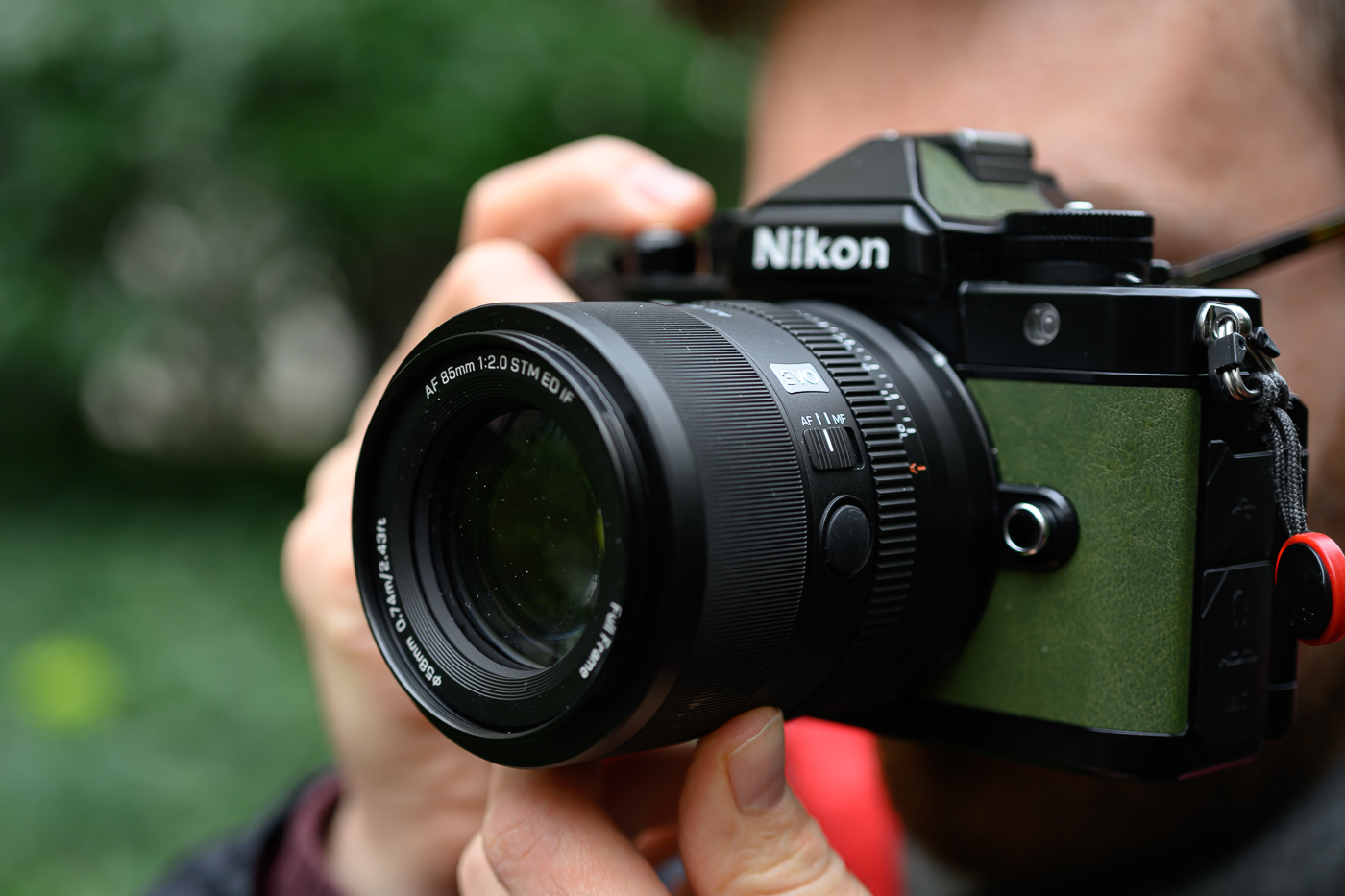
While the “Evo” range is positioned below the more premium “Pro” and “Lab” lines from Viltrox, this lens is by no means “entry-level.” The 85mm features a total of 10 elements in 8 groups. These include 2 ED (Extra-low Dispersion) elements designed to correct chromatic fringing, along with two HR (High Refractive index) glass elements to boost sharpness across the entire field.
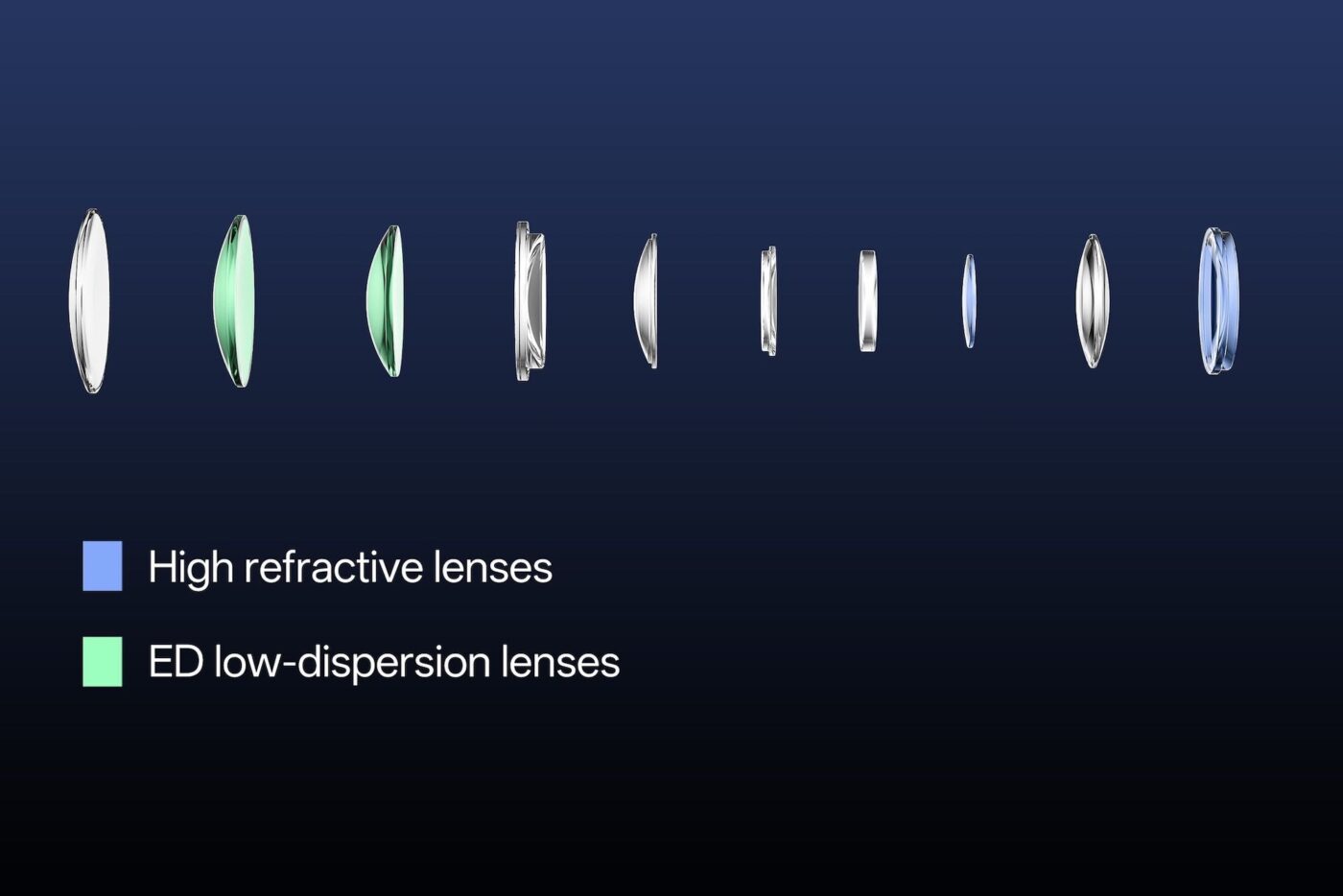
The circular diaphragm features 9 blades, and the minimum focusing distance is 74 cm — a fairly short value for this type of focal length.
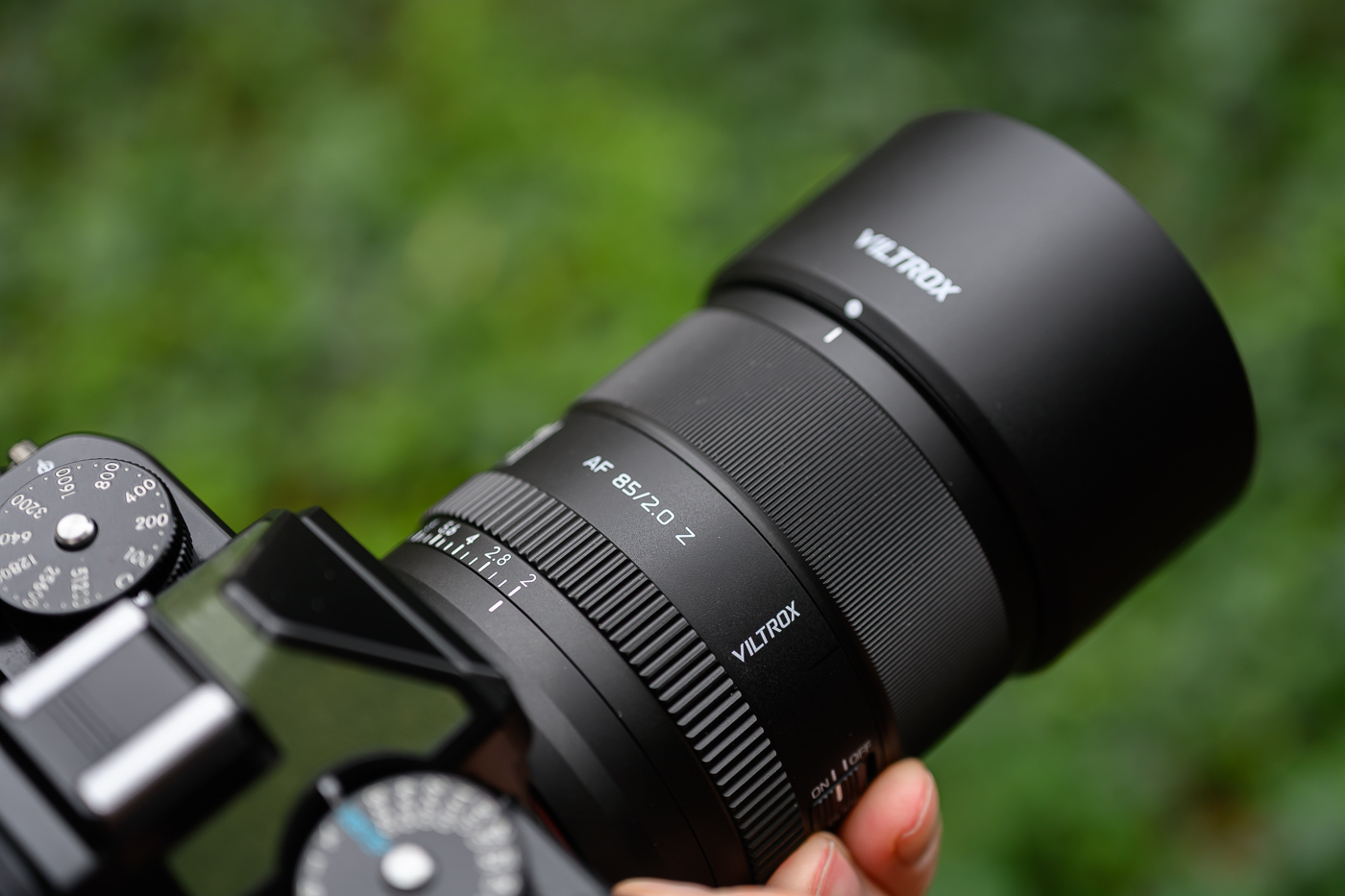
Here are the specifications of the Viltrox AF 85mm f/2 Evo:
- focal length: 85mm (127.5mm equivalent on APS-C)
- full-frame lens
- maximum aperture: f/2
- minimum aperture: f/16
- angle of view: 29°
- optical construction: 10 elements in 8 groups (including 2 ED elements and 2 HR elements)
- diaphragm: 9 blades
- minimum focusing distance: 74 cm
- maximum reproduction ratio: 0.13x
- filter diameter: 58mm
- weather sealing: yes
- autofocus: yes, stepping motor (STM)
- weight: 340 g
- dimensions: 69 x 78mm (D x L)
- available mounts: Nikon Z, Sony E
- launch price: $275
Ergonomics and build quality
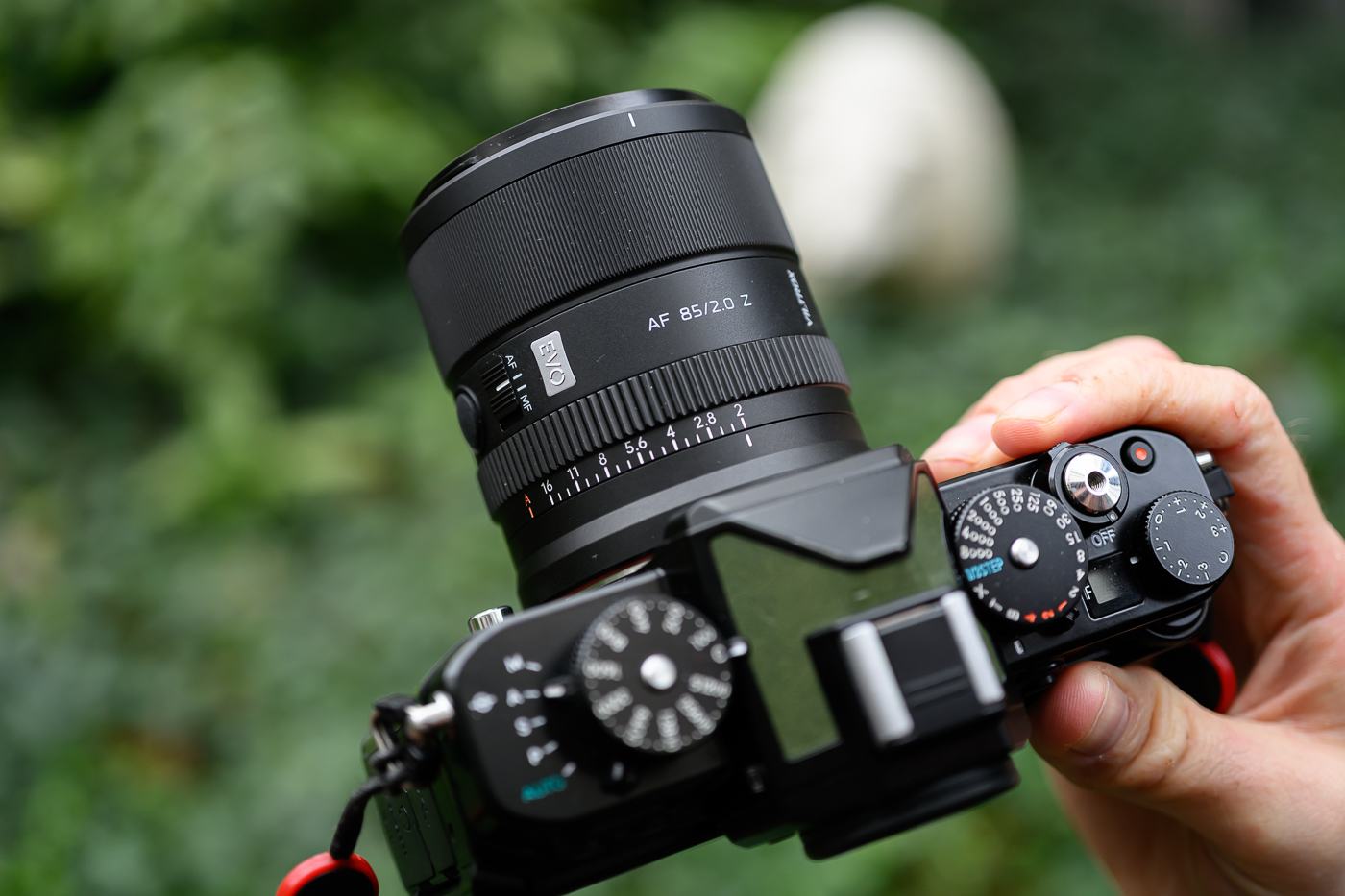
Out of the box, the Viltrox AF 85mm f/2 Evo stands out with its dense yet contained form factor. At just 7.8 cm long and weighing 340 g, it practically disappears once mounted on a body.
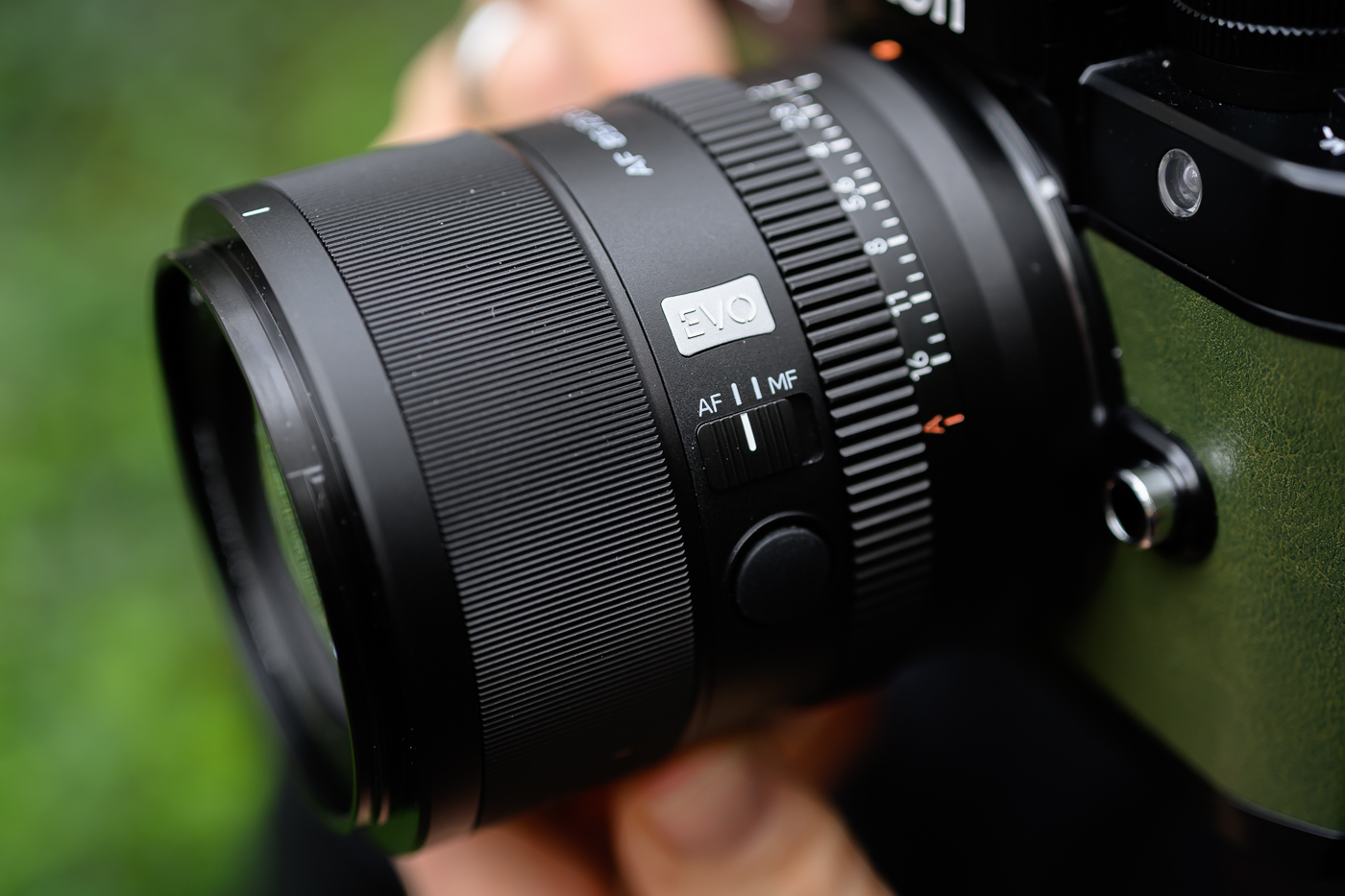
On a Nikon Z6 III and even more so on a Nikon Z f, the balance is more than successful. The dark design, blending metal and quality plastics, pairs nicely with the lines of modern camera bodies. On the other hand, on a Nikon Z8, the combo feels almost too light!
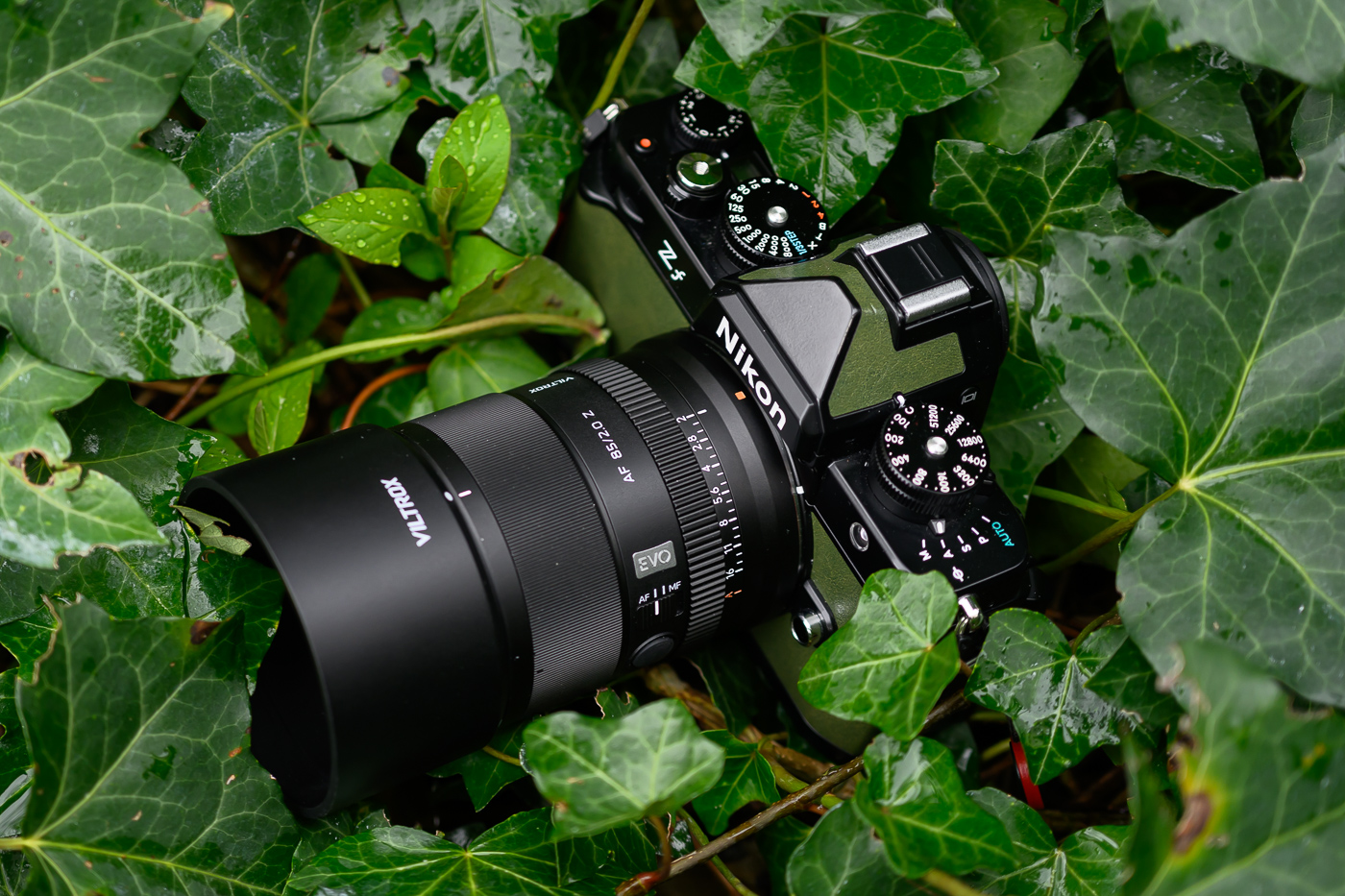
The build quality shows no major flaws: a metal bayonet mount featuring a USB-C port for firmware updates, along with weather protection provided by multiple sealing gaskets, including a distinctive orange gasket at the mount.

The ergonomics are surprisingly comprehensive for a lens of this size. The barrel houses a manual aperture ring. It features a switch to de-click its rotation, allowing you to go from a stepped adjustment to a smooth, continuous rotation — handy for video work.
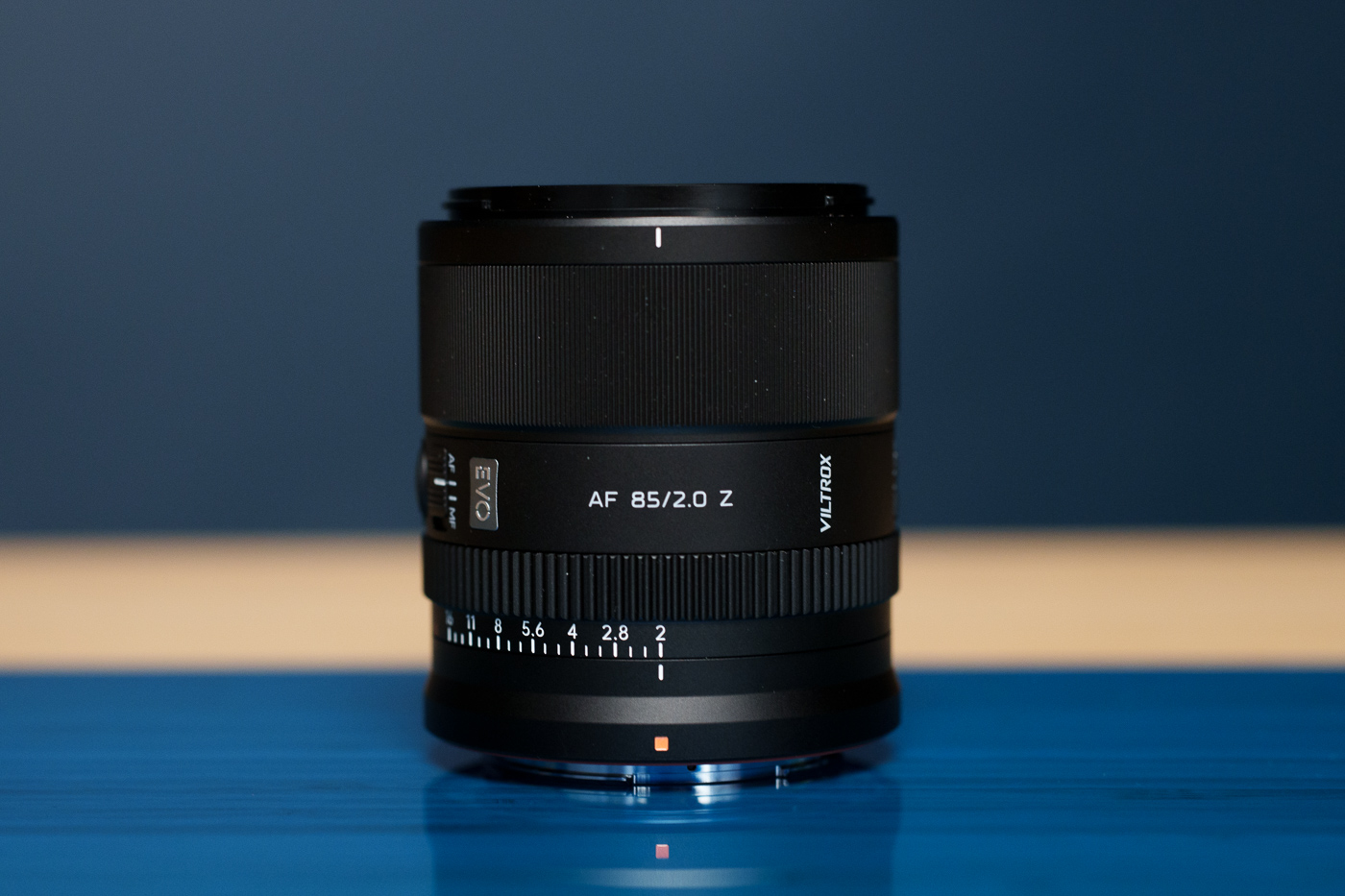
An AF/MF switch is also present, along with a customizable Fn button. The focus ring offers a pleasant feel, with a good balance between smoothness and resistance.
Image quality of the Viltrox AF 85mm f/2 Evo
We tested this lens on the full-frame sensors of the 24 MP Nikon Zf and the 45 MP Nikon Z8.
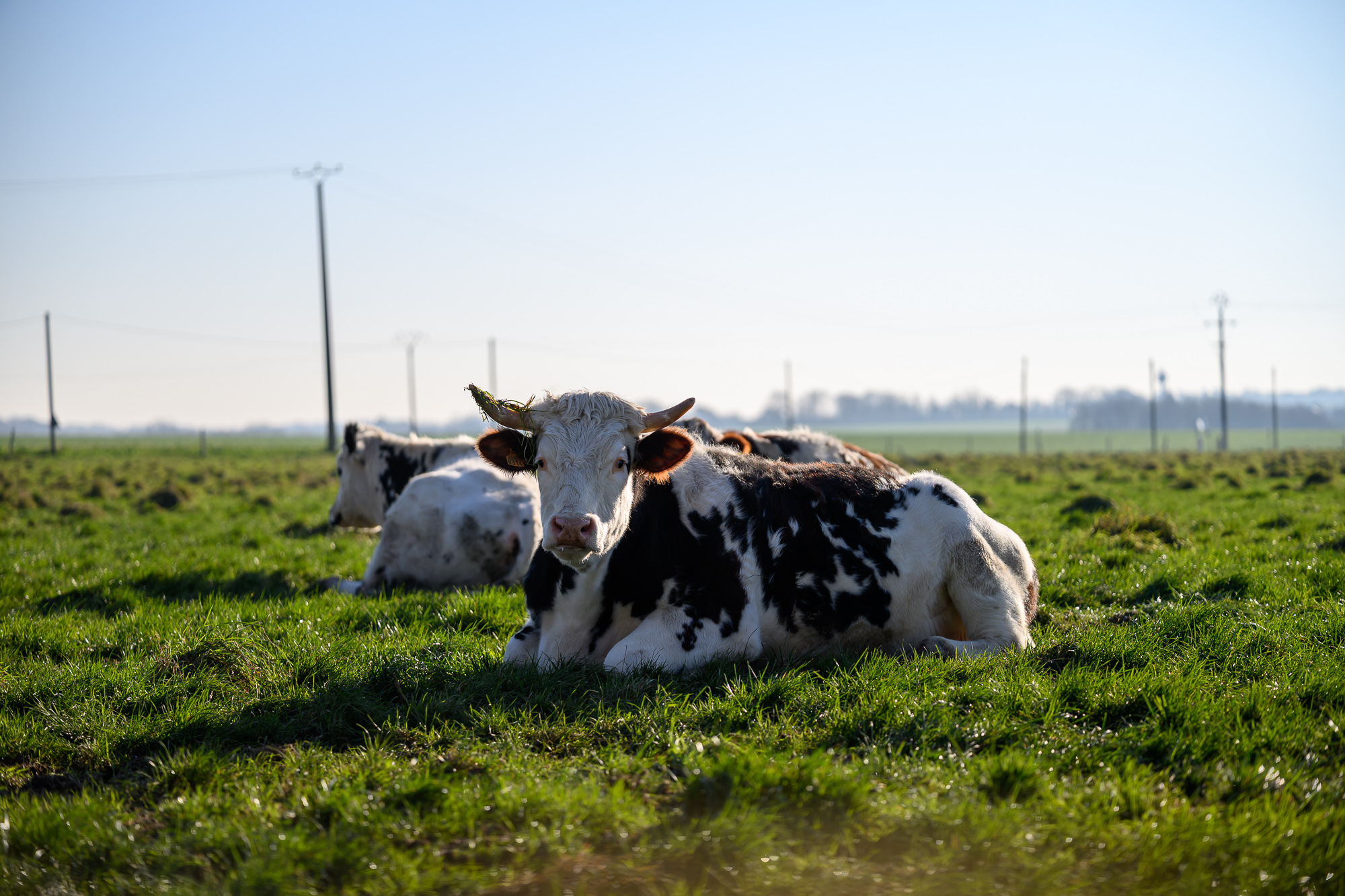
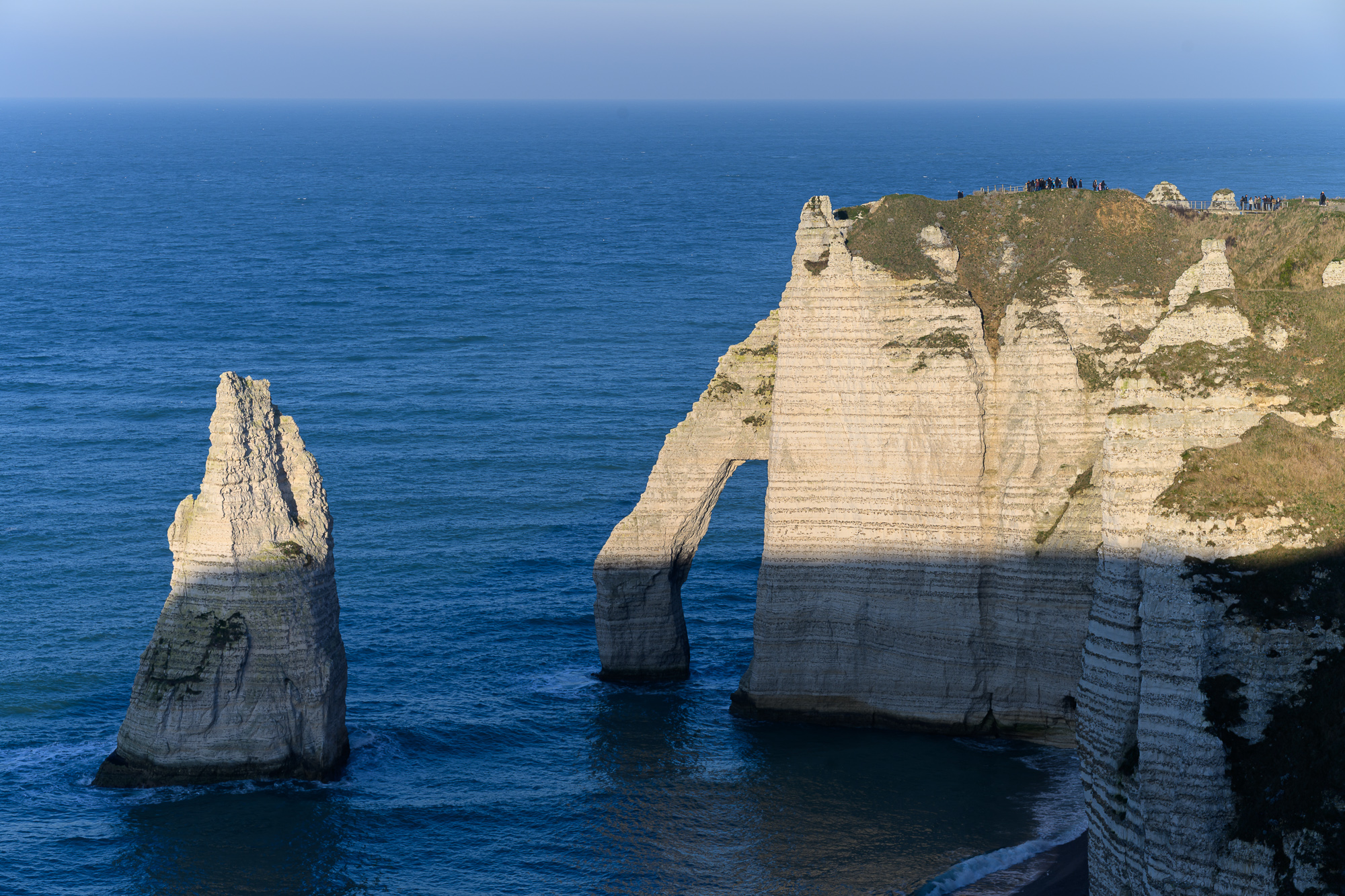
Feel free to click on each image to view it at full quality.


Sharpness and resolution
Right from wide open at f/2, center sharpness is very good. The finest details are rendered with precision. Stopping down to f/2.8, the level climbs another notch to become truly excellent, and at f/4, sharpness is near-perfect.

As for homogeneity, the edges are understandably slightly softer at f/2, but they catch up to the center very quickly by f/2.8.

For a lens of this size, the performance is remarkable. The optic then maintains excellent sharpness through f/8, and it is only at f/16 that diffraction (quite predictably) begins to degrade image quality.

Distortion and aberrations
With a keen eye, you can spot a very slight pincushion distortion. It is easily corrected by the built-in correction profile.


Chromatic aberrations are noticeable at wide open. However, they almost entirely disappear by f/4, where we find well-defined and uniform contrast across the entire frame.


As is typical with fast primes, vignetting is very pronounced at f/2 and is slow to fade even when stopping down a few clicks. To see it completely disappear, you need to reach f/11.


That said, for those who like to “frame” their portraits with a natural vignette, this pronounced darkening can also hold a certain appeal.
Minimum focusing distance and bokeh
The minimum focusing distance of 74 cm provides a maximum reproduction ratio of 0.13x, which proves useful for tighter-than-usual framings.

As for the bokeh, despite an aperture “limited” to f/2, the quality of the background blur is very pleasing.

Transitions are smooth and bokeh balls remain nicely rounded in the center of the frame.

We do note a slight cat’s-eye effect on the edges at wide open, but nothing that spoils the overall blur, which remains very aesthetically pleasing.

Autofocus performance
Autofocus is driven by a stepping motor (STM). On the Nikon Z8 and Zf, focusing is fast, silent, and accurate. Eye tracking works without any hesitation, whether in AF-S or AF-C mode. We were able to use it without difficulty on both humans and various animals.


Even at wide open, this small telephoto fully satisfied us, with a negligible reject rate.
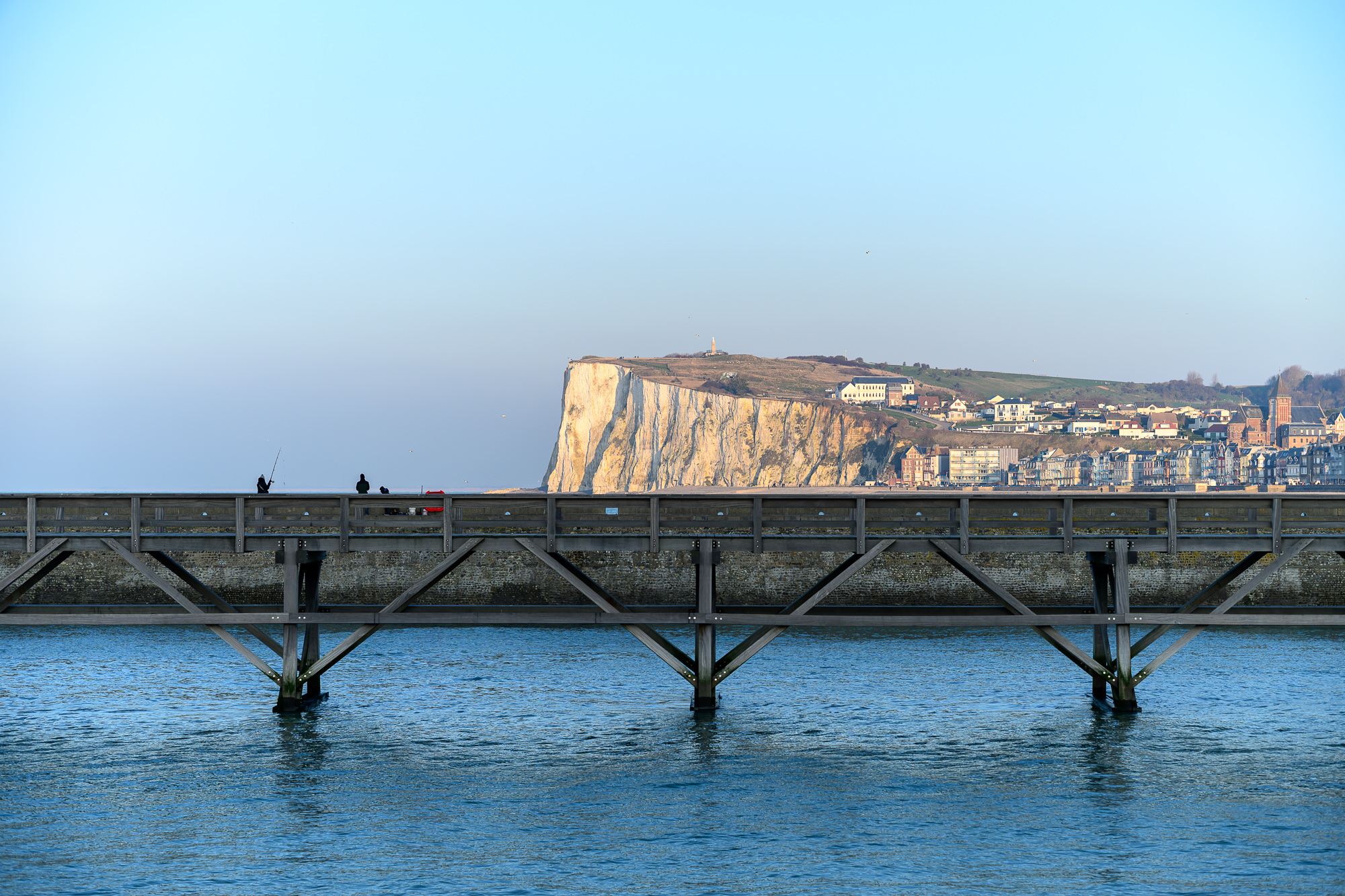
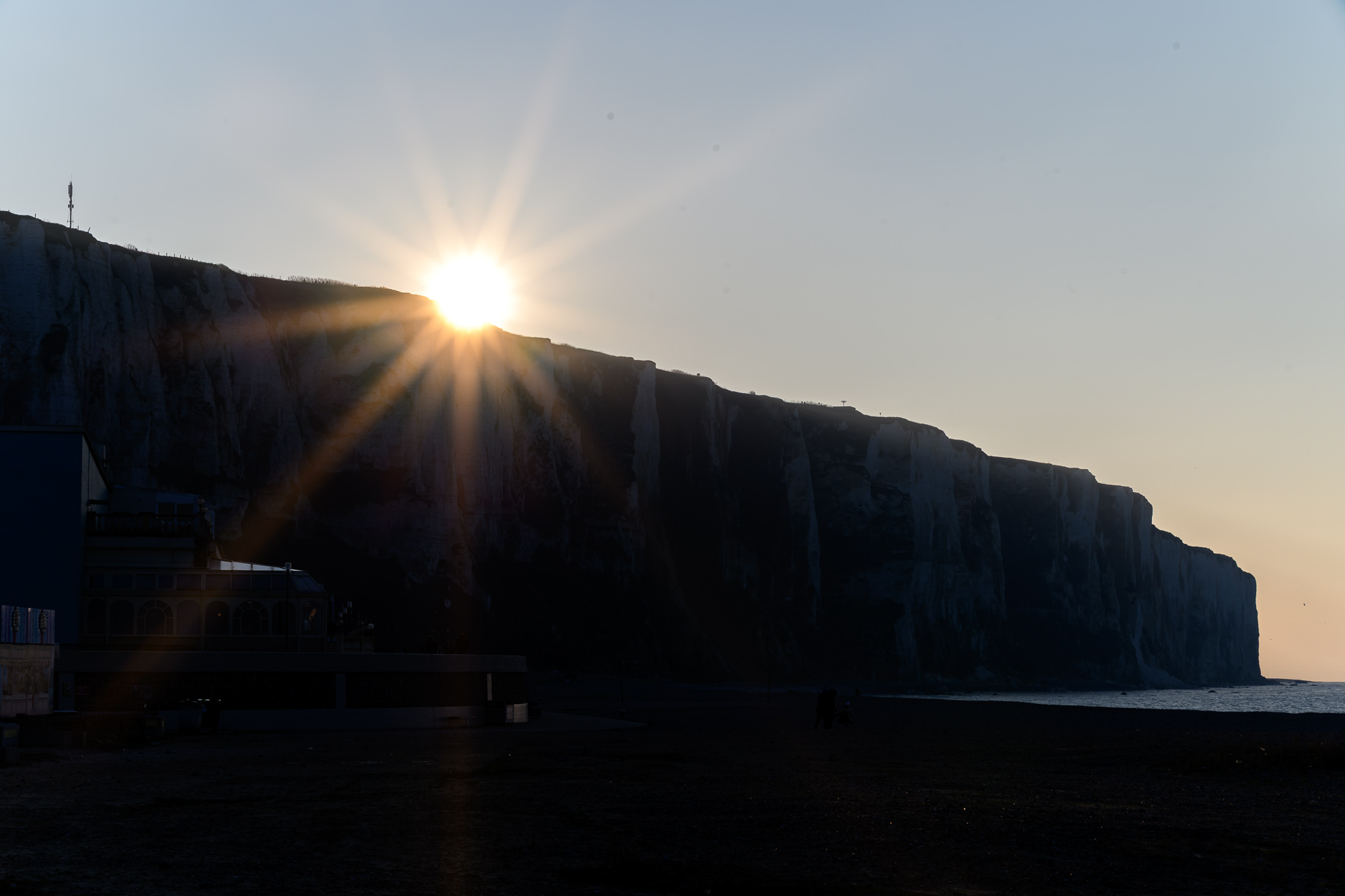
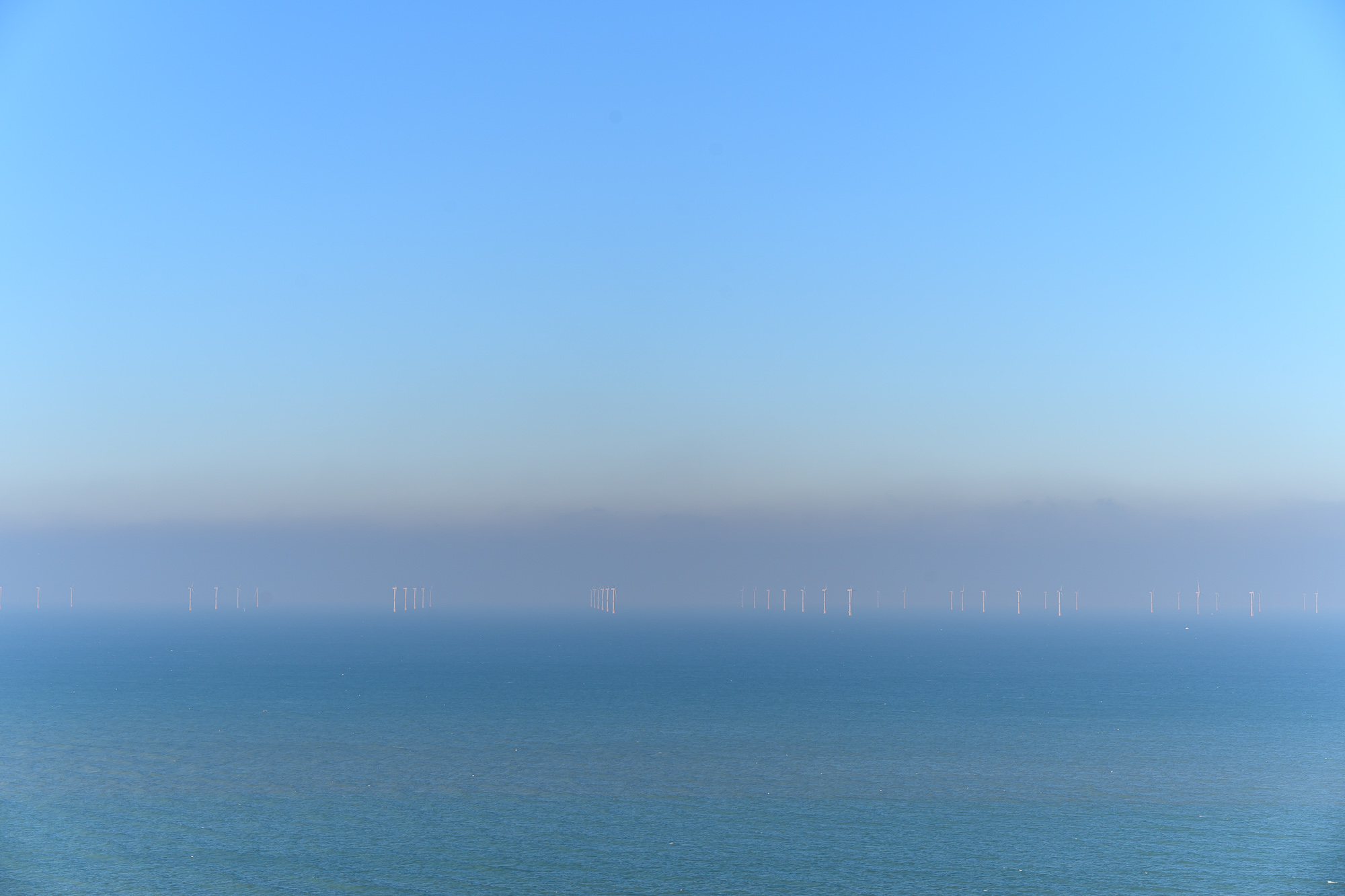
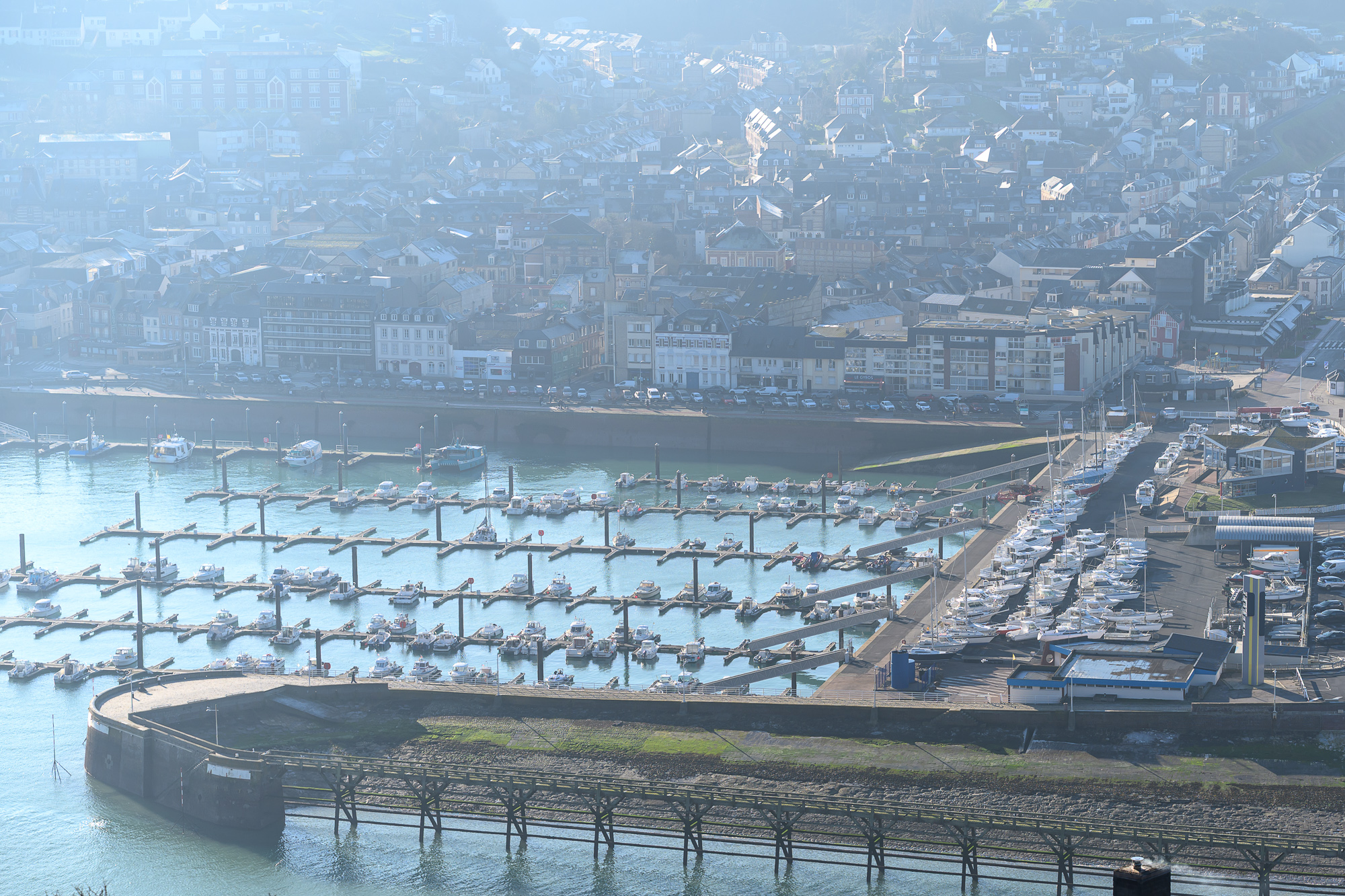
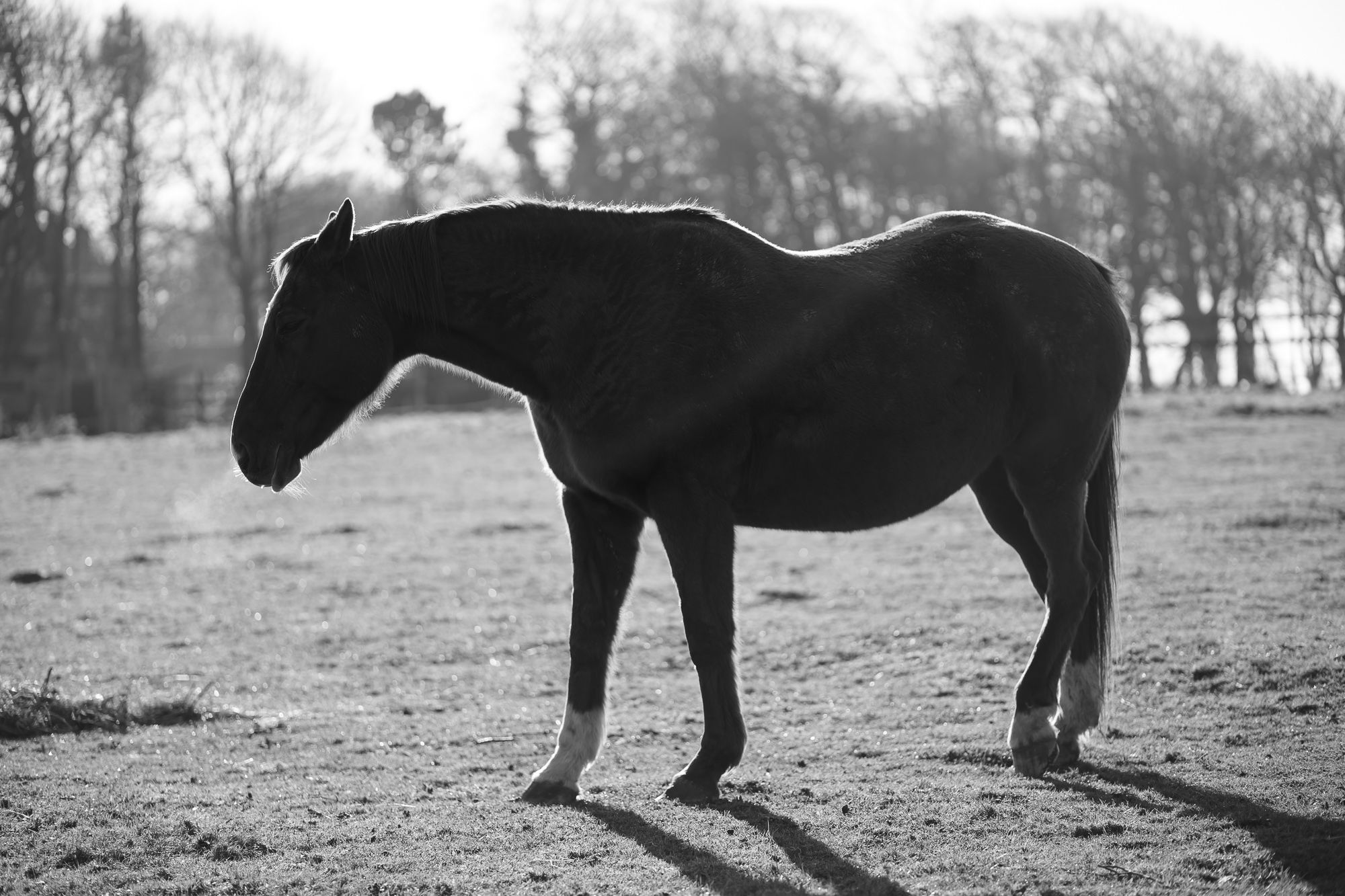
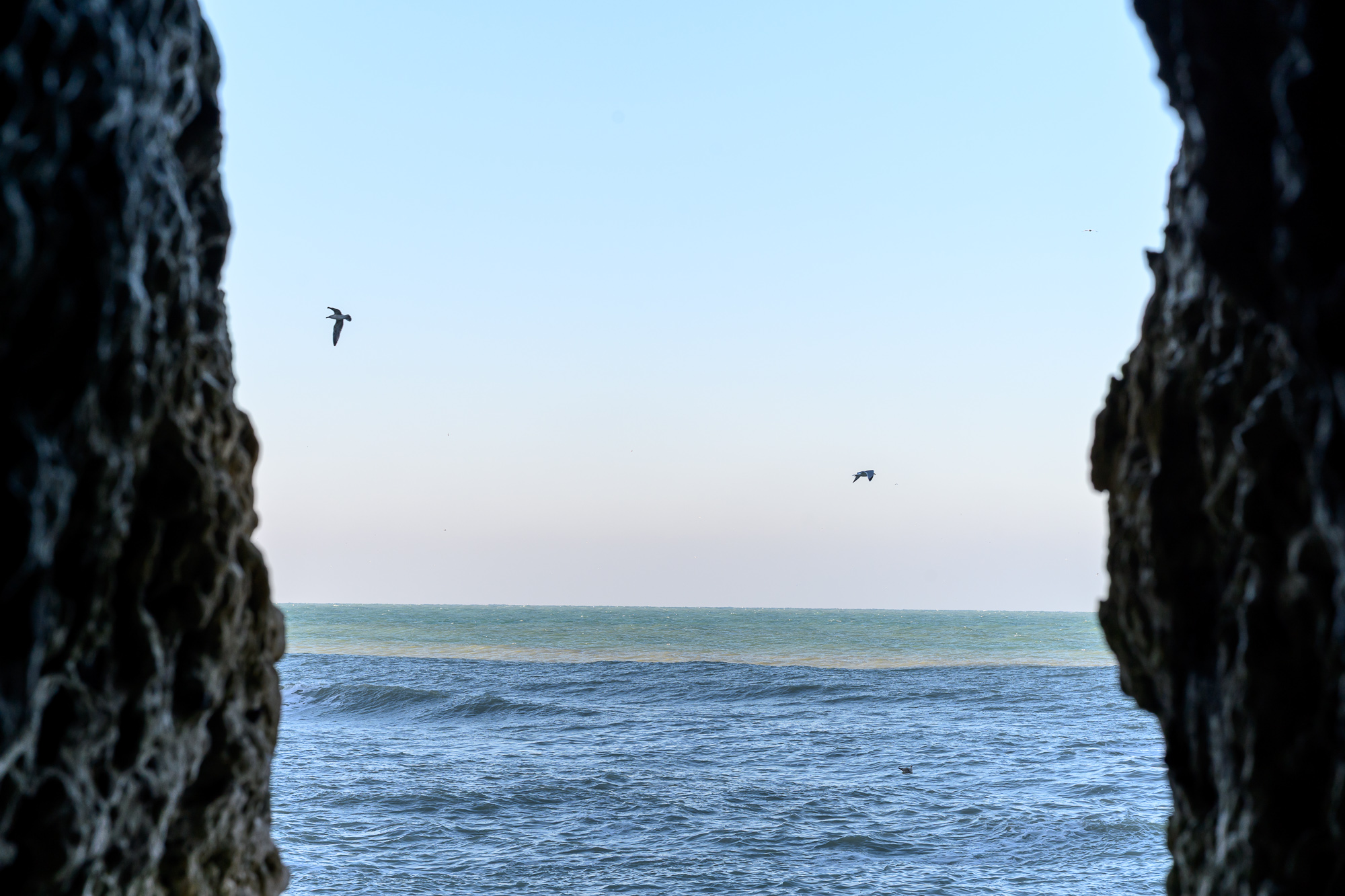
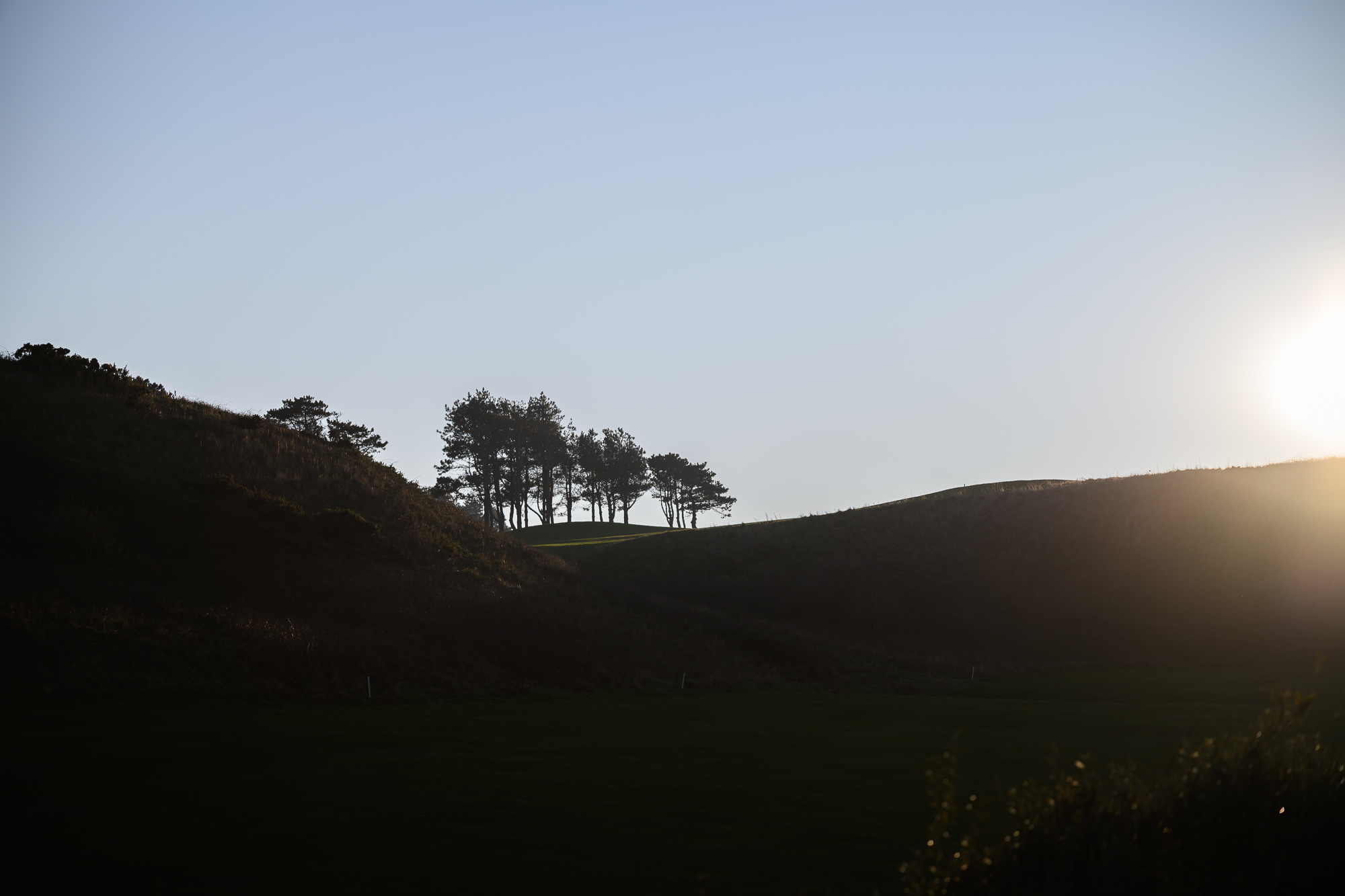
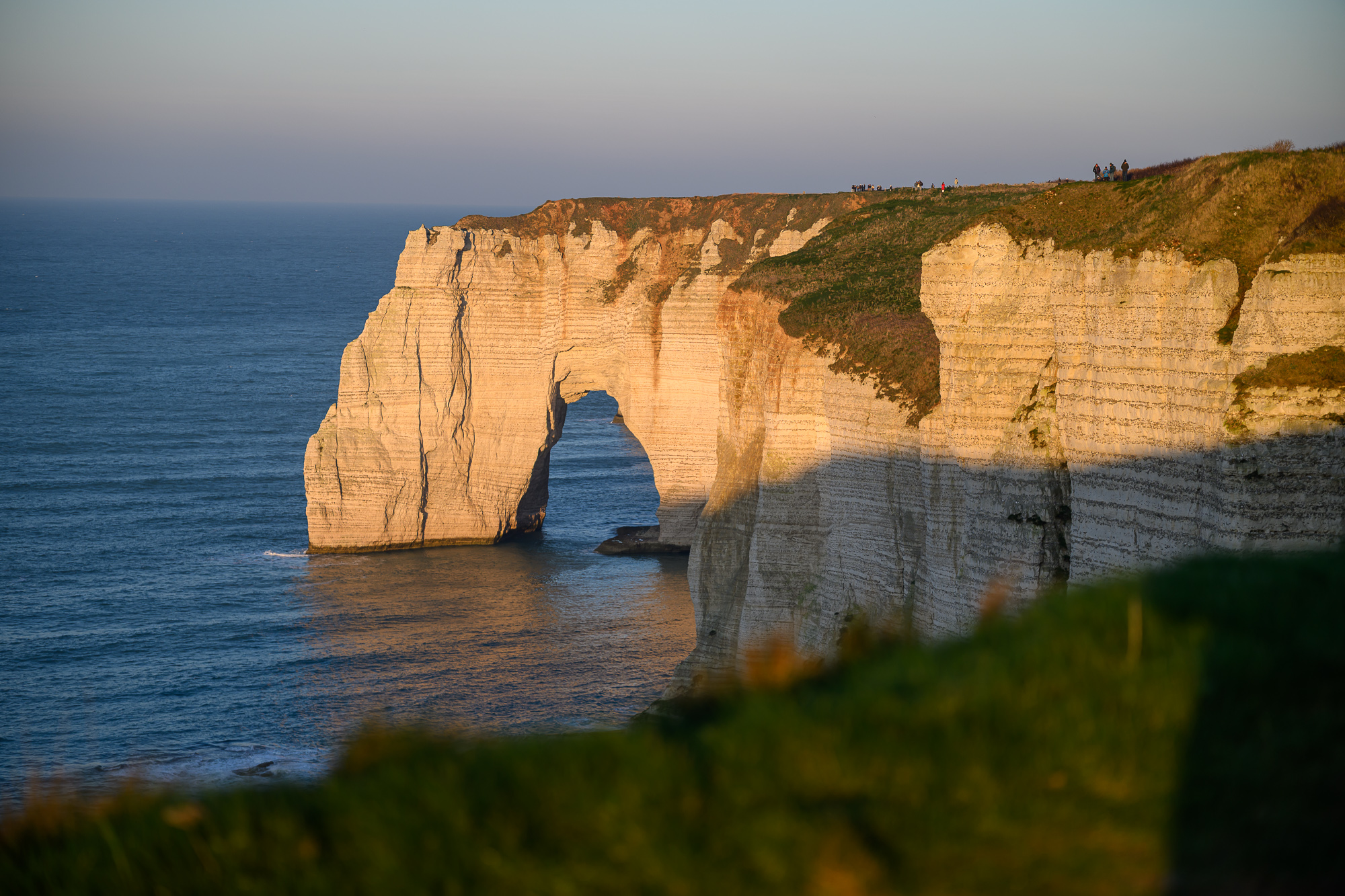
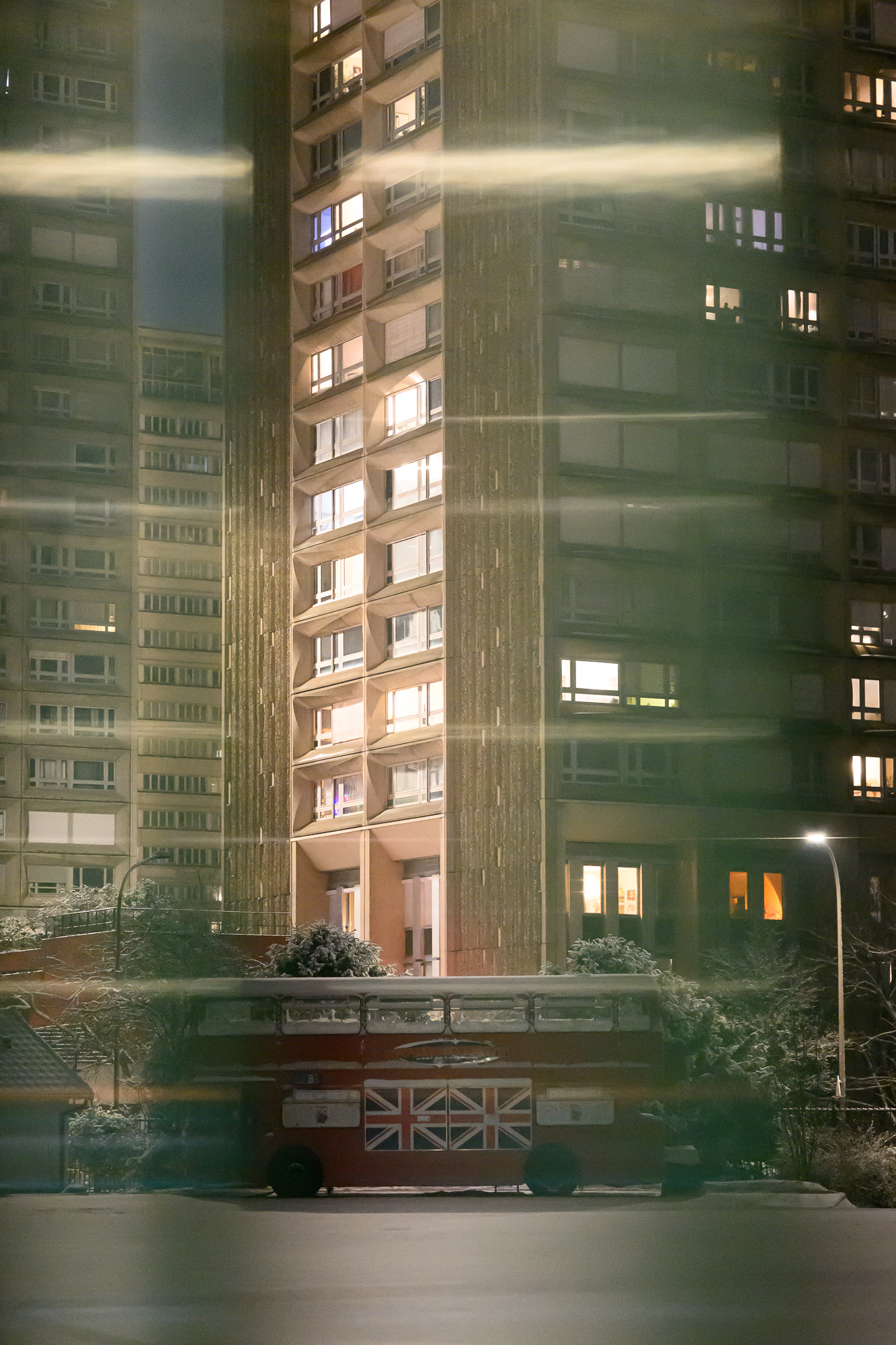
Below is a selection of images captured with the Viltrox AF 85mm f/2 Evo – Z:














Against the competition
The 85mm is a beloved classic portrait focal length. In both E and Z mounts, there are numerous alternatives with an f/1.8 (or similar) aperture. Given the crowded field, we have deliberately excluded all f/1.4 or f/1.2 alternatives, which are not always the most relevant in terms of price (or size).
On Z mount, the natural competitor is the Nikkor Z 85mm f/1.8 S. While it is indeed very good, offering an extra third of a stop, it is longer, heavier (470 g), and costs nearly… three times as much — currently priced at $746.
In E mount, competition is undeniably more varied thanks to a fully open mount system. From Sony, there is the aging but respectable Sony FE 85mm f/1.8. Launched in 2017, it delivers very decent sharpness wide open, but is starting to show its age, particularly when it comes to AF performance. It is currently priced at $698.
Samyang also offers a budget-friendly alternative with the AF 85mm f/1.8 P FE, a very lightweight and well-made lens that unfortunately suffers from consistently pronounced chromatic aberrations. It is priced at $335.
Finally, over the past few years, several other Chinese manufacturers (or similar) have also released their own 85mm f/1.8 (or even f/1.4) lenses with autofocus for full-frame Nikon or Sony mirrorless cameras. Here is a list of the various options:
| Model | Price |
|---|---|
| 7Artisans AF 85mm f/1.8 | $299 |
| Brightin Star AF 85mm f/1.8 | $289 |
| Rollei AF 85mm f/1.8 | $299 |
| Meike SE 85mm f/1.8 Mark II | $299 |
| Yongnuo YN 85mm f/1.8S DF DSM | $345 |
| AstrHori AF 85mm f/1.8 II | $350 |
| TTArtisans AF 75mm f/2 | $229 |
| Viltrox AF 85mm II f/1.8 | $329 |
All of these lenses are interesting and, at first glance, offer very decent image quality at a very similar price point to the Viltrox 85mm f/2 Evo. They do, however, sometimes feature a less refined build quality and a larger overall footprint.
Viltrox AF 85mm f/2 Evo: the ideal everyday short telephoto
With the Evo series, Viltrox proves that you don’t need to build massive lenses to achieve excellent image quality. This 85mm f/2 wins you over with its compactness and thoughtful ergonomics (aperture ring, Fn button, etc.).
It may not offer the f/1.4 or f/1.2 aperture of more prestigious models, but its optical performance from wide open and its responsive autofocus make it an ideal companion for portrait work.

All in all, the Viltrox AF 85mm f/2 Evo is a very compelling option for compact body users looking for a lens whose form factor matches their camera. Priced at $275, it offers an outstanding price-to-performance ratio for owners of a Sony E or Nikon Z mount mirrorless camera.
You can find this lens on the Viltrox website, B&H and Amazon.