

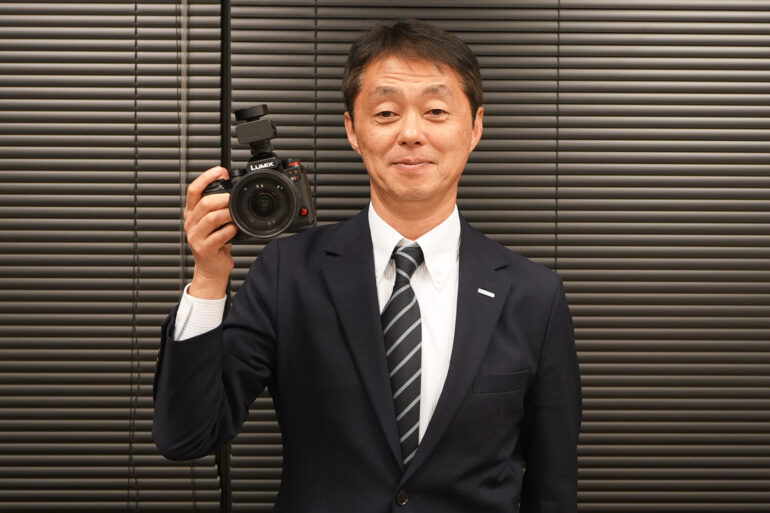

At CP+ 2026, we had the opportunity to sit down with Mr. Toshiyuki Tsumura, Executive Vice President and Director of Panasonic’s Imaging Business Unit.
Six years after the original S1, Panasonic has finally unveiled its second-generation flagships: the S1 II and S1R II. In this interview, Mr. Tsumura discusses the development journey behind these cameras.
Beyond this flagship duo, we dive into the evolution of the L-Mount Alliance, now spanning ten companies and over 130 lenses, and explore the L² Technology partnership with Leica. Mr. Tsumura also addresses the S9’s role in attracting a younger audience, Panasonic’s compact lens strategy, the new DMW-DMS1 microphone for solo creators, and the philosophy behind Lumix Lab 2.0 and Magic LUT. Let’s dive in.

How is Panasonic’s Imaging division performing in the current context of the group? With the restructuring of certain divisions (TV in particular), what are the strategic priorities for the photo/video business?
Toshiyuki Tsumura: Panasonic’s Imaging Division has integrated its consumer and professional AV organizations, promoting business while sharing technologies and expertise. Along with the growing demand for high-quality image and video production, we are developing high-value-added products that leverage the core technologies of both divisions, and the business is steadily growing.

We see the strategic priorities of our imaging business as developing high-performance cameras that allow users to capture more impressive photos and videos using creativity, and providing workflows with high productivity that enable easy editing and sharing.
Our Imaging Division integrated the consumer and professional AV divisions two years ago and has been advancing product development that takes advantage of the strengths of both divisions. This year, by further integrating the Optical Devices Division, we will have a system that can strengthen operations seamlessly from components to products. We will continue to accelerate the growth of the Imaging Division, a growth category for our company.
How does Panasonic analyze the current evolution of the photo/video market? Which segments do you see as the most promising?
With the spread of social media, the demand for sharing photos and videos is expected to continue growing, along with advancements in higher image quality and more streamlined workflows utilizing AI. The most promising segments are considered to be the prosumer segment, which combines professionals and high-level enthusiasts who create high-quality photos and videos, and the daily-use “smartphone + one” segment, made up of users who capture and immediately share content on social media.

Several observers have noted a shift toward the premium segment with the S1 II and S1R II. Is this an intentional strategy to move upmarket, or do you plan to maintain an accessible offering that has contributed to your success?
The foundation of our product strategy is to meet the needs of a wide range of users through two mounts: full-frame mirrorless and Micro Four Thirds. Additionally, we will continue to strengthen our lens-integrated products [compact cameras, Editor’s note], which are experiencing renewed growth.

Last year, our focus was on the evolution of the S1 II series. Looking at the camera business as a whole, we now have a complete lineup of full-frame mirrorless cameras, and in Micro Four Thirds, we continue to enhance not only the camera bodies but also the lenses each year. Moreover, we are maintaining a strong presence in lens-integrated models, where demand remains steady. Rather than shifting solely to a premium strategy, we will continue to strengthen each segment.
How is the L-Mount Alliance evolving today? Is the collaboration with Leica and Sigma strengthening, particularly after the arrival of the Leica SL3 and numerous Sigma lenses? How do you also view the arrival of Viltrox?
The L-Mount Alliance, which started in 2019 with three companies, has now expanded to ten companies, offering over 130 lenses, making it the mount system with the widest selection in the world. Including Viltrox’s participation, it is gratifying to see customers enjoying such a rich lineup. Together with our alliance partners, we will continue to make efforts to enhance the appeal of the L-Mount.
Additionally, Leica Camera AG has entered into a comprehensive collaboration agreement with us to jointly develop L² Technology, which contributes to strengthening the products of both companies.
You mentioned the L² Technology. Could you tell us what it is?
In 2022, Panasonic and Leica established a partnership focused on a complementary alliance. Since then, we have engaged in discussions with Leica about mid-term technological advancements, as well as the development of advanced technology and devices. This kind of discussion on joint technological development represents a significant shift since our agreement. This collaboration is what we call L² Technology: technologies developed jointly by Panasonic and Leica.
I apologize, but the specifics of what we are currently developing are quite a confidential matter. We cannot disclose those details at this time, but we do talk very frequently with Leica.
One might assume that Panasonic contributes to the core technology and sensors, while Leica perhaps focuses on other areas, like color science or specific tuning of sensor development?
We don’t predetermine which specific role Panasonic or Leica must play. We discuss the overall development and strategy as a comprehensive agreement for our future direction. We don’t decide beforehand which company develops which technology: it’s not that kind of alliance. Instead, both sides gather and share information based on user needs for future development. The main point is that we jointly pursue this.
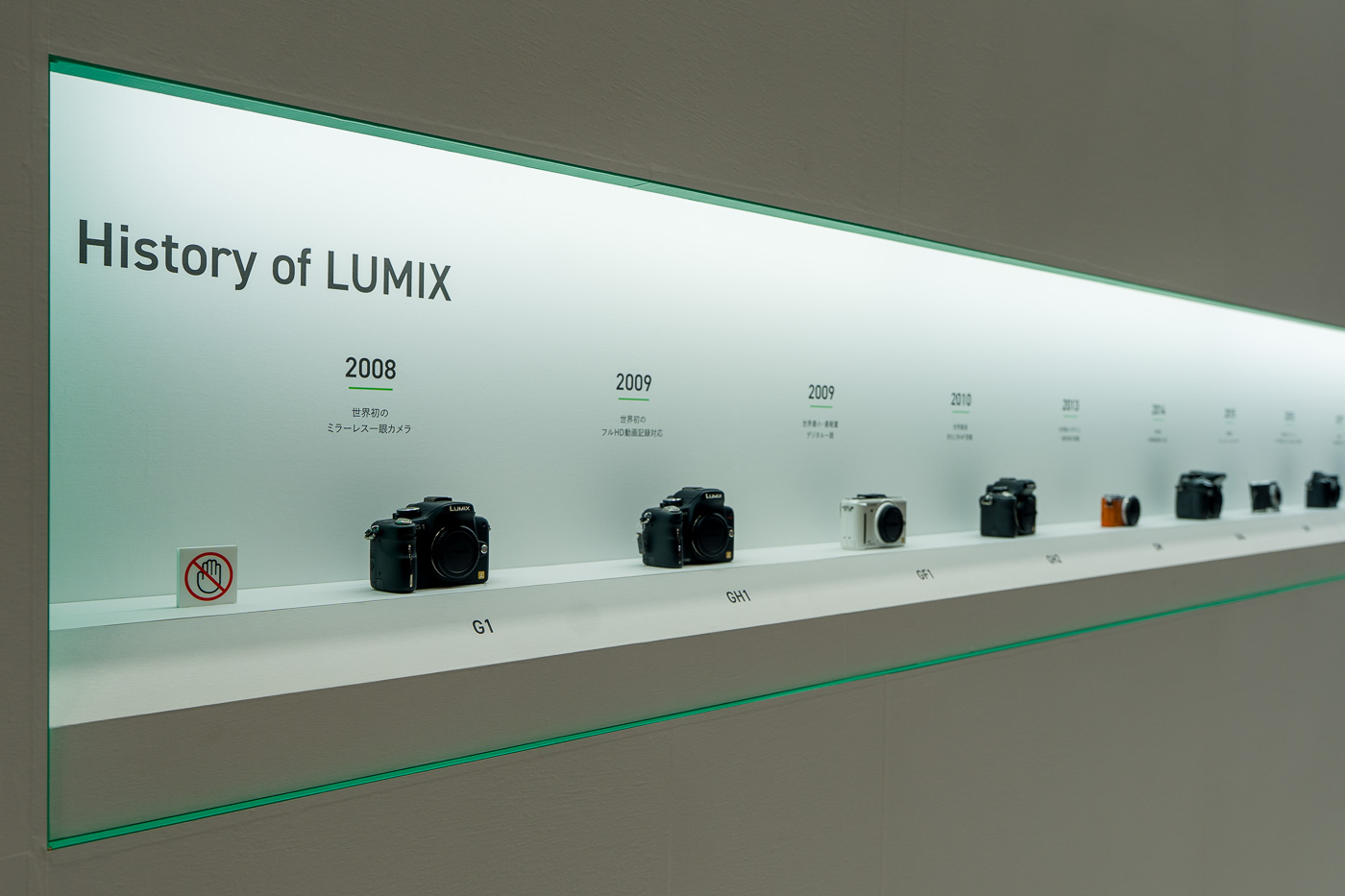
When did you start developing the Lumix S1 II and S1R II? What has been the market reception, particularly compared to your expectations?
Our product development always focuses on being close to our customers and creating products tailored to their needs. Since the introduction of the S1 series, we have made efforts to listen carefully to our customers, analyze user feedback, and reflect it in our products.
When the S1 was introduced, it was during a rapid transition from DSLR to mirrorless cameras, and the S1 series was developed to fully meet that demand. In response to the subsequent expansion of the mirrorless market and the increasing demand for video content driven by social media, it took some time, but we made comprehensive improvements to address these changes.
In addition to downsizing and drastically enhancing autofocus, we responded to the skyrocketing demand for video, a major change since the introduction of the S1 series, by implementing features such as internal recording of video RAW, expanded AI object recognition, enhanced image stabilization during video shooting, and support for ARRI LogC3, among other technical enhancements.
After six years since the launch of the S1, we take pride in having developed the ultimate model, and we believe that the S1 II series has successfully embodied and realized the needs of creators.
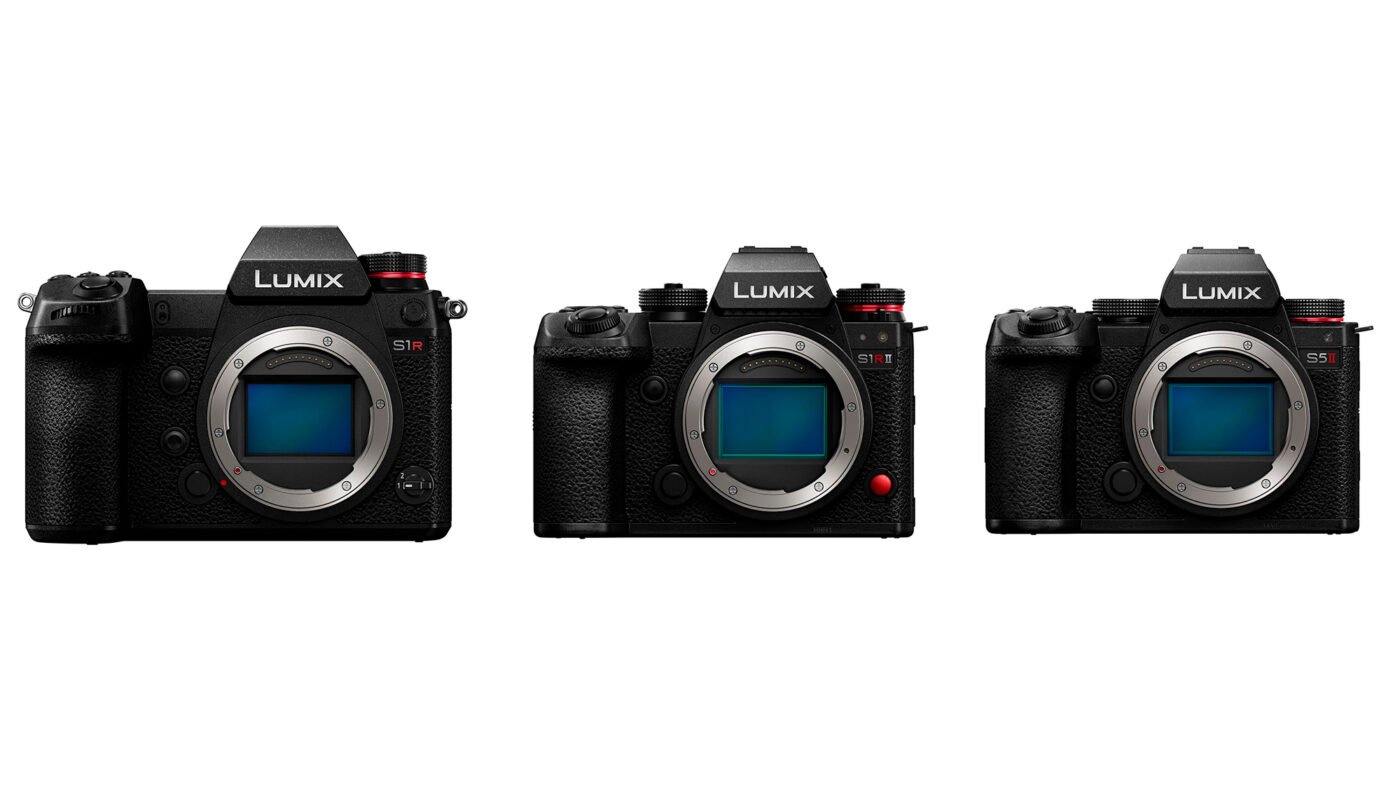
And we can guess that the Lumix S5 II and S5 IIX paved the way for the Lumix S1 II…
After the introduction of the S1 [in 2019, Editor’s note], we launched the S5 in 2020. After getting feedback from our mid-range customers, we recognized the need to further improve the autofocus, which led to the S5 II. By incorporating the user feedback gathered from the S5 II series, we have finally developed our best high-end model: the S1 II. After six years, we have finally reached our goal.
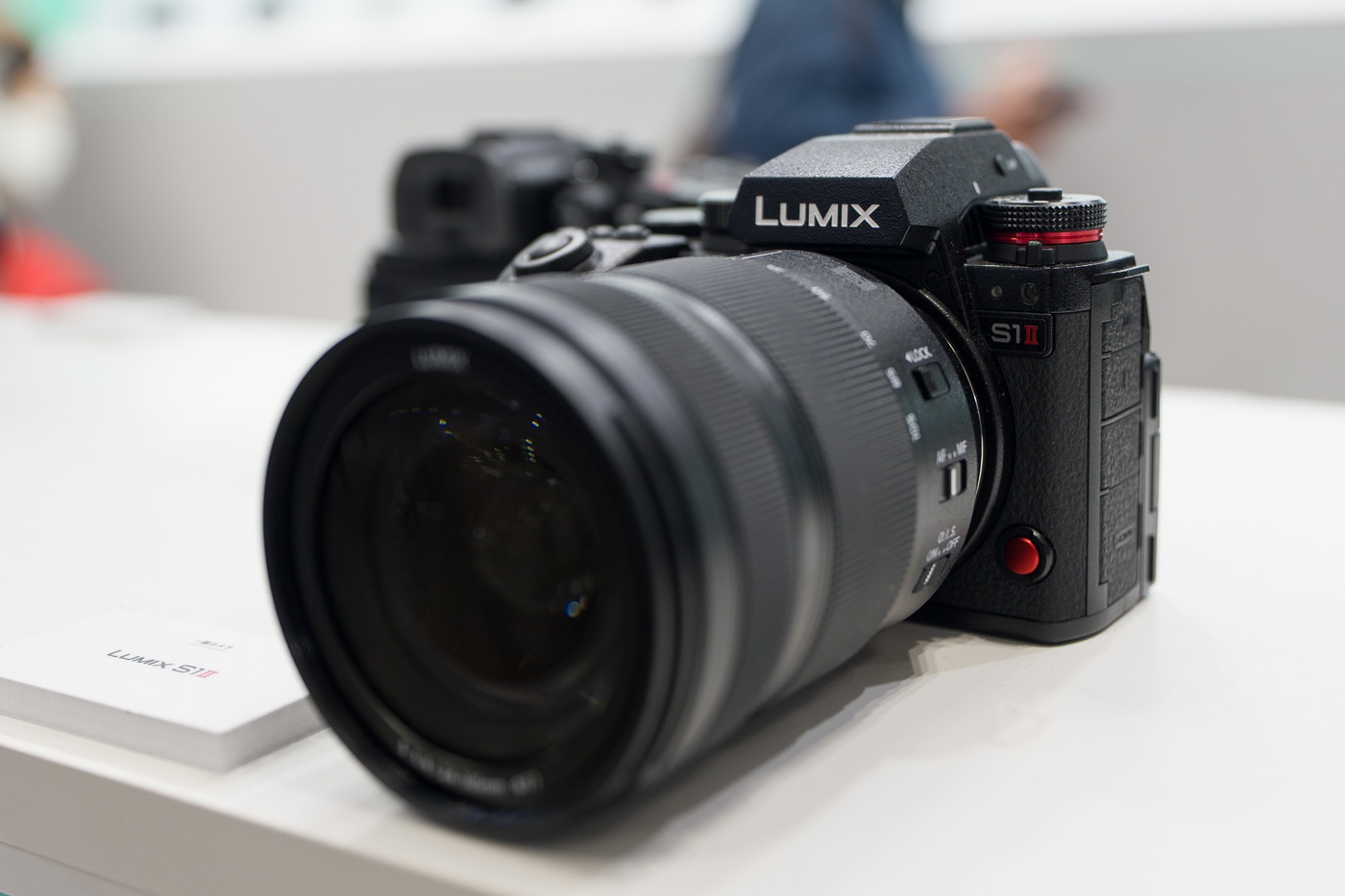
Do you have any specific sales figures for the Lumix S1 II compared to the S1R II?
The mix between the S1R II and the S1 II differs by region. In the United States, video-centric users are the majority, so the S1 II has higher sales figures. In China and Japan, the S1R II is stronger. In Europe, it is roughly a 50-50 split, although the S1 II is slightly ahead of the S1R II.
In France, they have almost the same price point, so how to choose between the S1 II and the S1R II?
The S1R II is a still-oriented high-end model. Customers who need high resolution will choose the S1R II. The S1 II is more video-oriented, but when they need dynamic range and high-speed operation, they will also choose the S1 II.
However, video users also benefit from a high-resolution sensor, as it allows them to crop video footage and record in any aspect ratio. But regardless, both models have their particular advantages, so users can choose which one suits them best.
The S1R II uses a non-stacked sensor, which produces more rolling shutter than its direct competitors (EOS R5 Mark II, Nikon Z8). Why this choice? How do you respond to criticism on this point?
The selection of image sensors for the S1R II is first considered from the application and concept of each camera, which forms the entire lineup. While the S1 II adopts a partially stacked sensor and is responsible for “speed-seeking areas” such as motion photography and video, the S1R II does not set the competition axis in the same direction and was developed as a model that pursues the highest image quality in Lumix’s history.
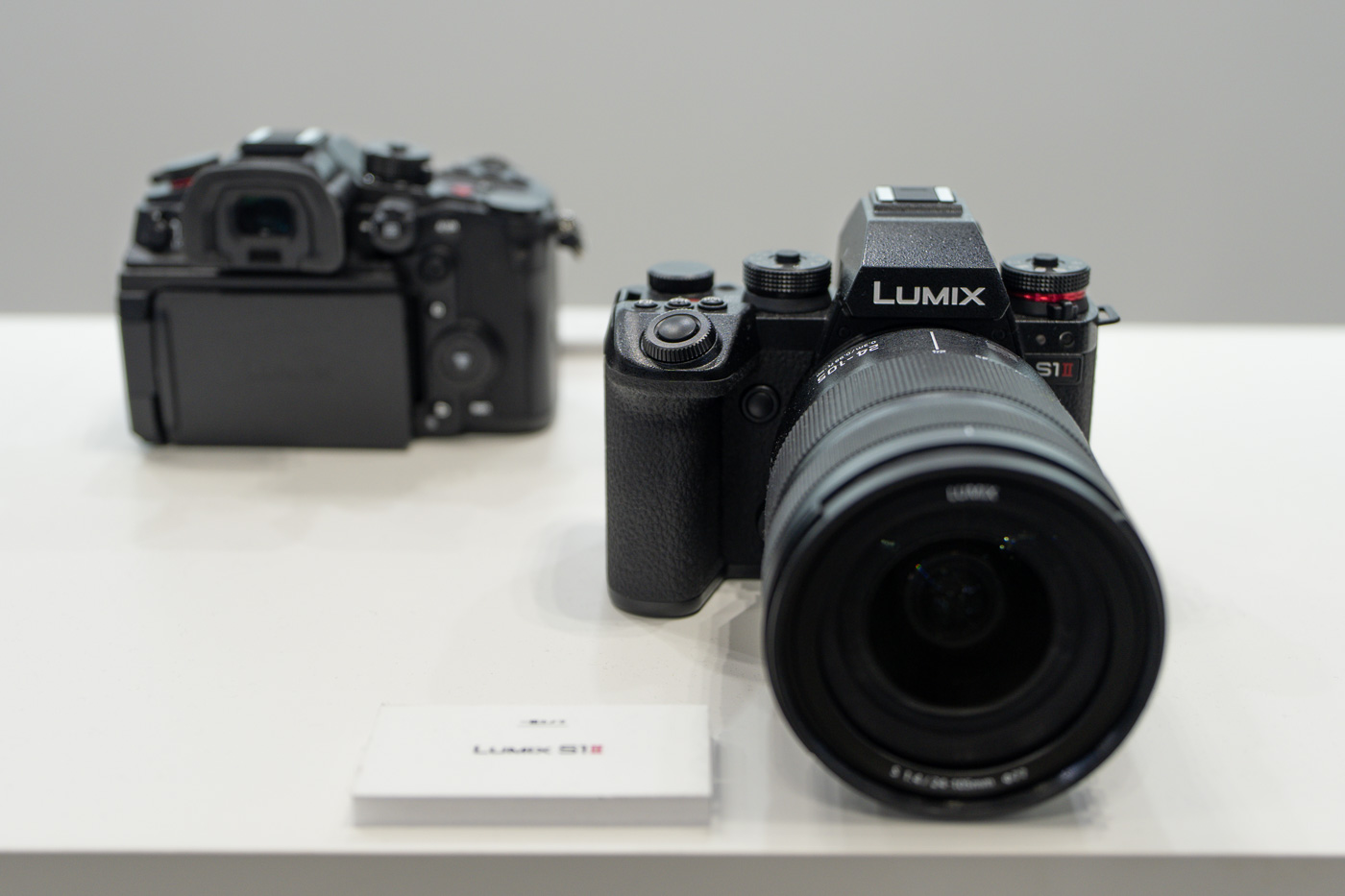
We chose a non-stacked (BSI) image sensor because we knew that the best results would be achieved in the “core aspects of photography,” such as dynamic range, gradation consistency, and texture depiction. Especially in situations where the “depth” of a single work is in question, such as landscapes, portraits, advertisements, and studio shooting, I believe that the benefits of this image sensor configuration prove most useful.
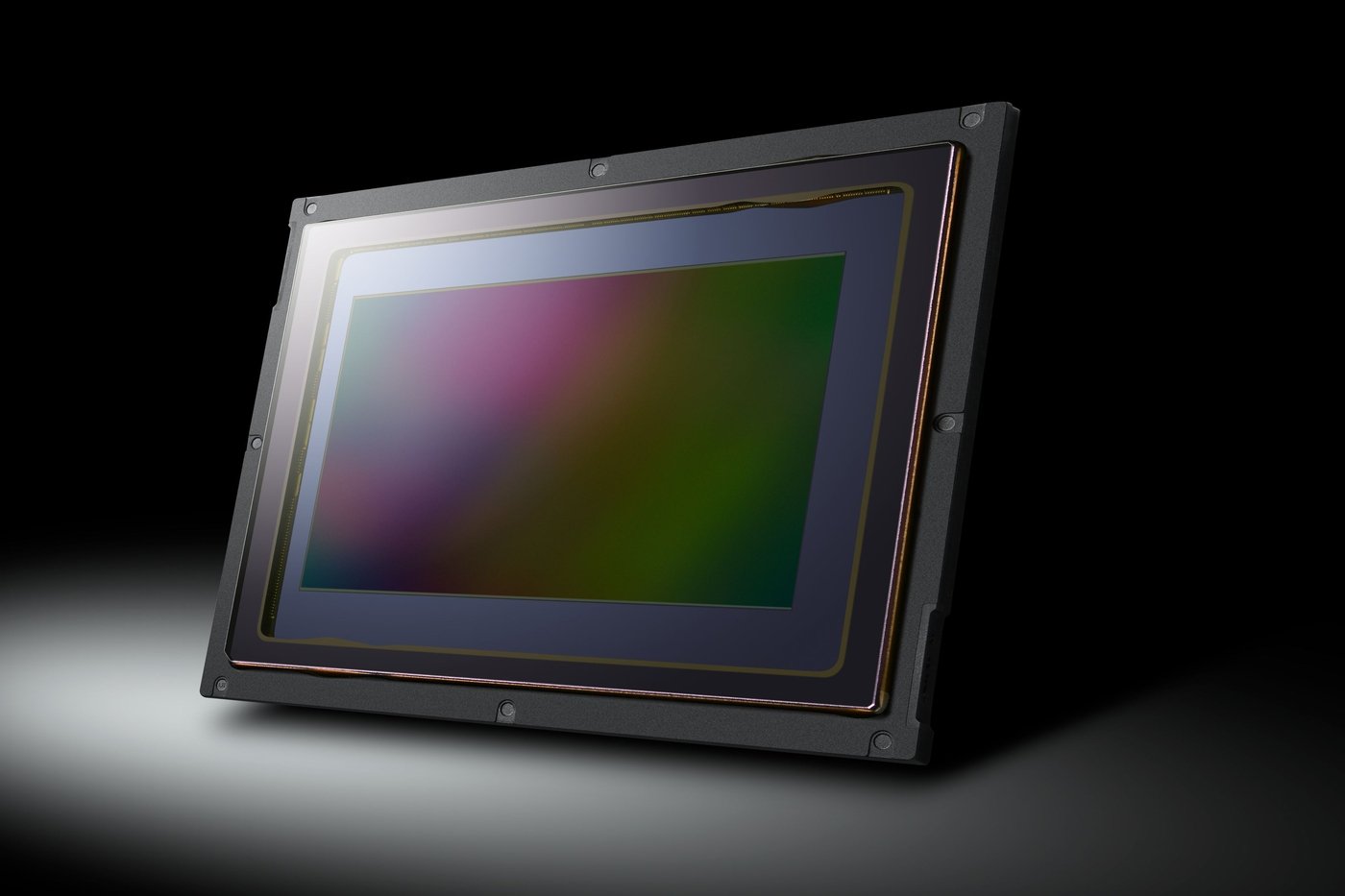
Of course, we understand that stacked image sensors are excellent for motion tracking, high-speed continuous shooting, rolling shutter suppression during electronic shuttering, and high-frame-rate video recording due to high-speed readout. That’s why the S1 II has taken care of that value.
This time, we focused on building a lineup that could maximize performance in each area: the S1 II for users seeking motion and video performance, and the S1R II for users seeking the best photo quality. Rather than being omnipotent, we believe that “maximizing value by specializing in the use of the target user” will lead to the satisfaction of a wider user base.
The market’s reaction also supports this aim. The S1R II has received very high praise in terms of detail resolution, tonal richness, and texture depiction, and I feel that it is solid feedback validating our development centered on image quality.
Let’s talk about the Lumix S9. How is it being used? Is it primarily for videography, or is it also being used for still photography?
The S9 is targeted toward new, young customers who are coming from smartphones. That is our target audience. They use both stills and video equally. More specifically, S9 users tend to create not only long-form video but also short-form video. For them, short video is just as important as still photography. Therefore, we strengthened both our short-video recording technologies and our still-image technologies.

Last year, you launched a Lumix S9 Titanium Gold limited edition. Do you plan to release more limited editions of this camera?
We must gather information from our customers, and based on their needs, we will study and investigate which specific versions we should develop. For S9 users, we want to provide not only the enjoyment of photo and video shooting but also the satisfaction of owning a fashionable model. That is why we offer many color versions of this camera, and we will continue to study which new color versions to develop for the future.
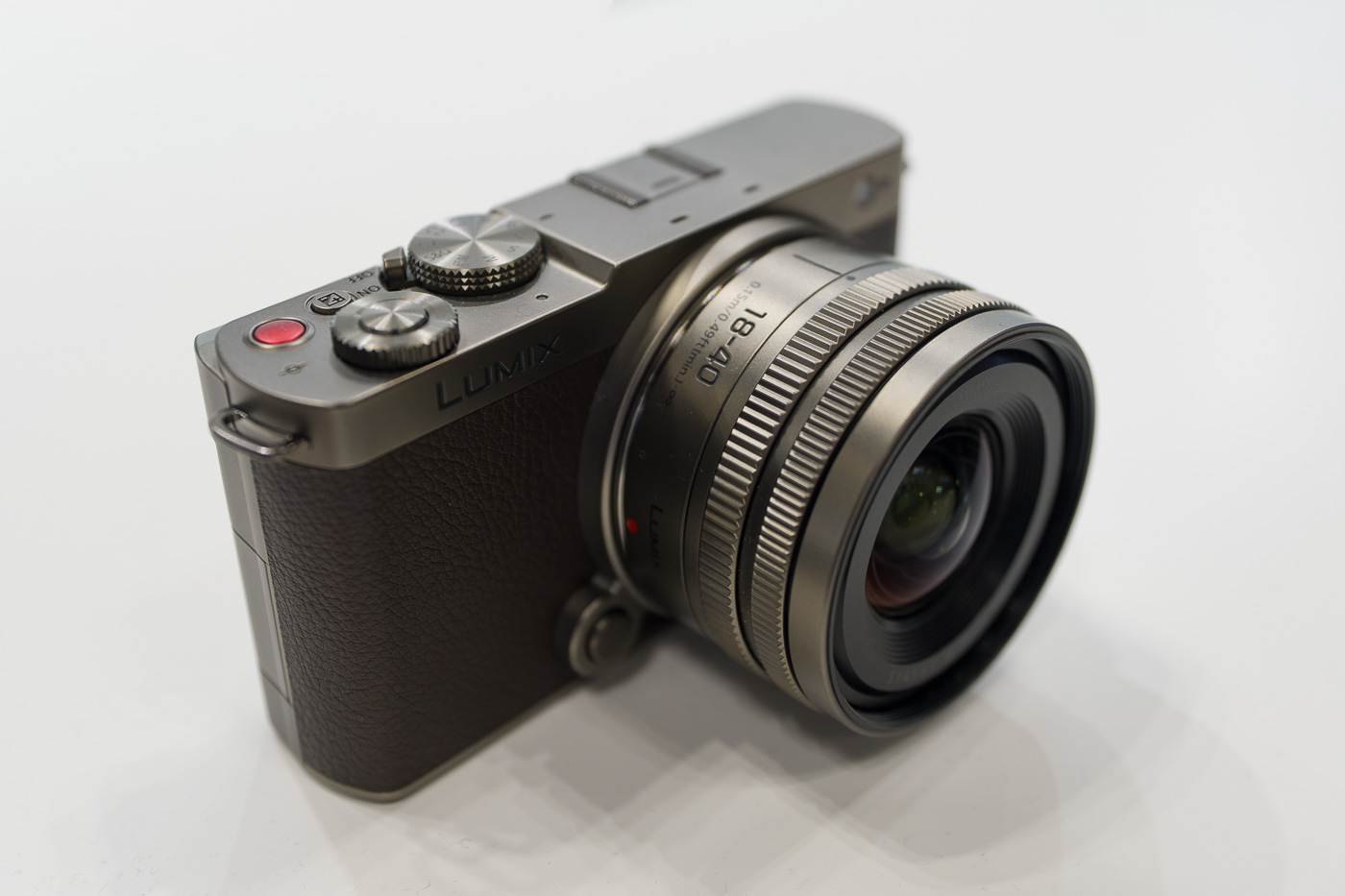
Do you plan to release more compact lenses, like the 26 mm pancake lens ?
That’s a good question! We get lots of feedback from customers who are waiting for a small-sized lens suited to the S9. We are hearing those voices, and we are going to investigate what kind of lenses we should develop for the future.
Using modern technologies like 3D printing, could you produce lenses in smaller quantities to satisfy more diverse needs?
In general, as a manufacturer, we decide on volume to justify the initial investment.
Lens production requires high-precision manufacturing technology, and 3D printing is currently not capable of addressing those requirements. However, we are interested in production technologies that allow for smaller quantities of various models. One solution we use is sharing the same chassis, such as with our f/1.8 lens series, across different focal lengths. Another is to use small teams to create smaller batches.
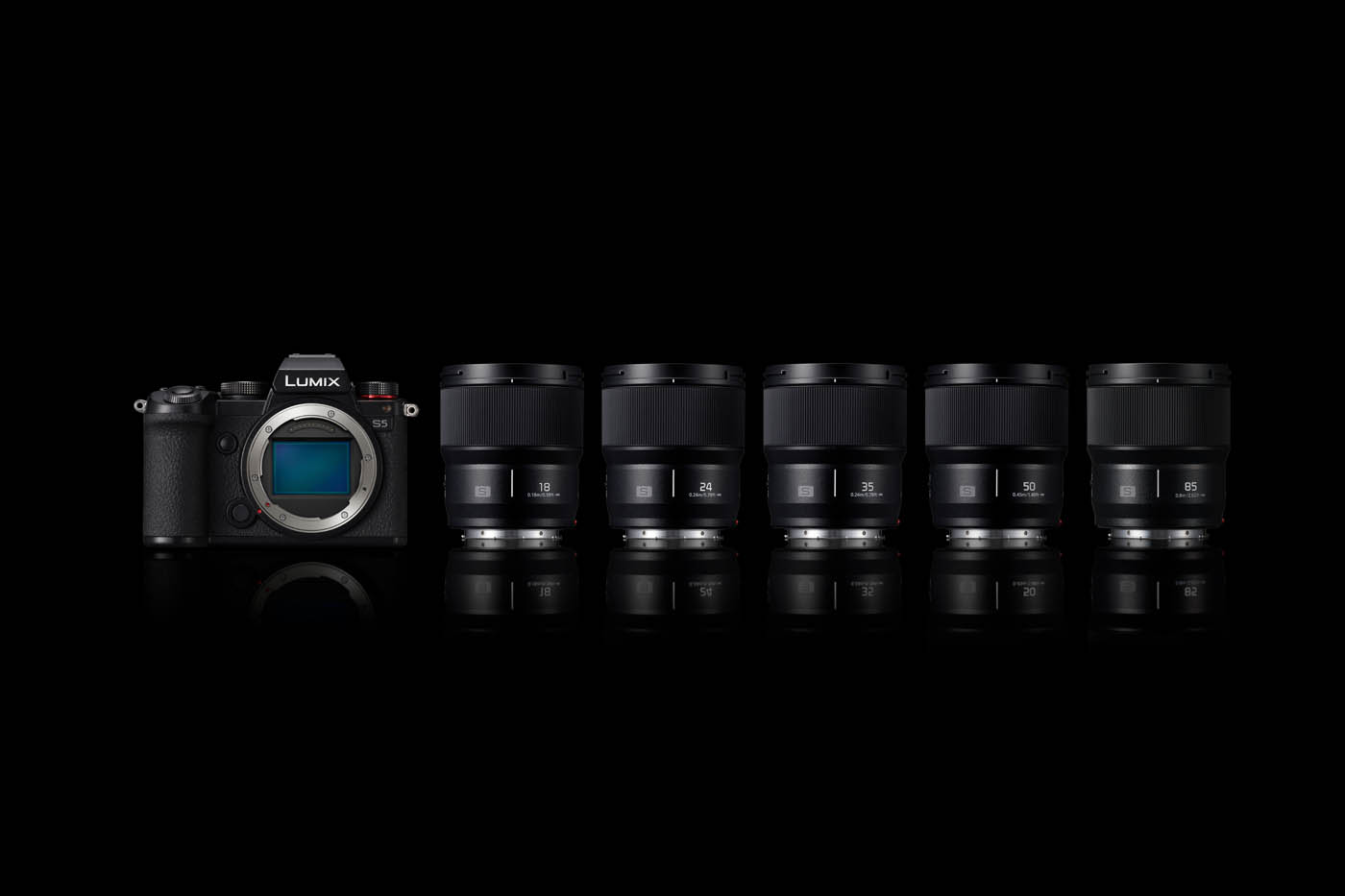
With the L-Mount Alliance, many manufacturers share the same mount. That is also one of the solutions for producing a wide variety of lens models, even in small quantities.
Panasonic lens choices can be surprising: the 100-500 mm f/5-7.1 and the 24-60 mm f/2.8 directly compete with Sigma lenses. Why have you launched these two specific lenses? Isn’t there a coordination within the L-Mount Alliance to avoid “duplicates”?
Telephoto zoom and bright standard zoom lenses have been highly anticipated by many creators. Sigma is a partner in the L-Mount Alliance, but also a competitor. We challenge and improve each other. We do not make adjustments to avoid overlap.
The Lumix S1 IIE is essentially an S5 II in the S1 II body. What is the logic behind this product?
The S1 IIE is equipped with many features that the S5 II does not have: 6K Open Gate 30p recording, 6K CinemaScope recording, internal ProRes RAW recording, 96 MP high-resolution shooting even when handheld, as well as a CFexpress slot, and much more. It offers a wide range of video and still imaging features that advanced enthusiasts seek.

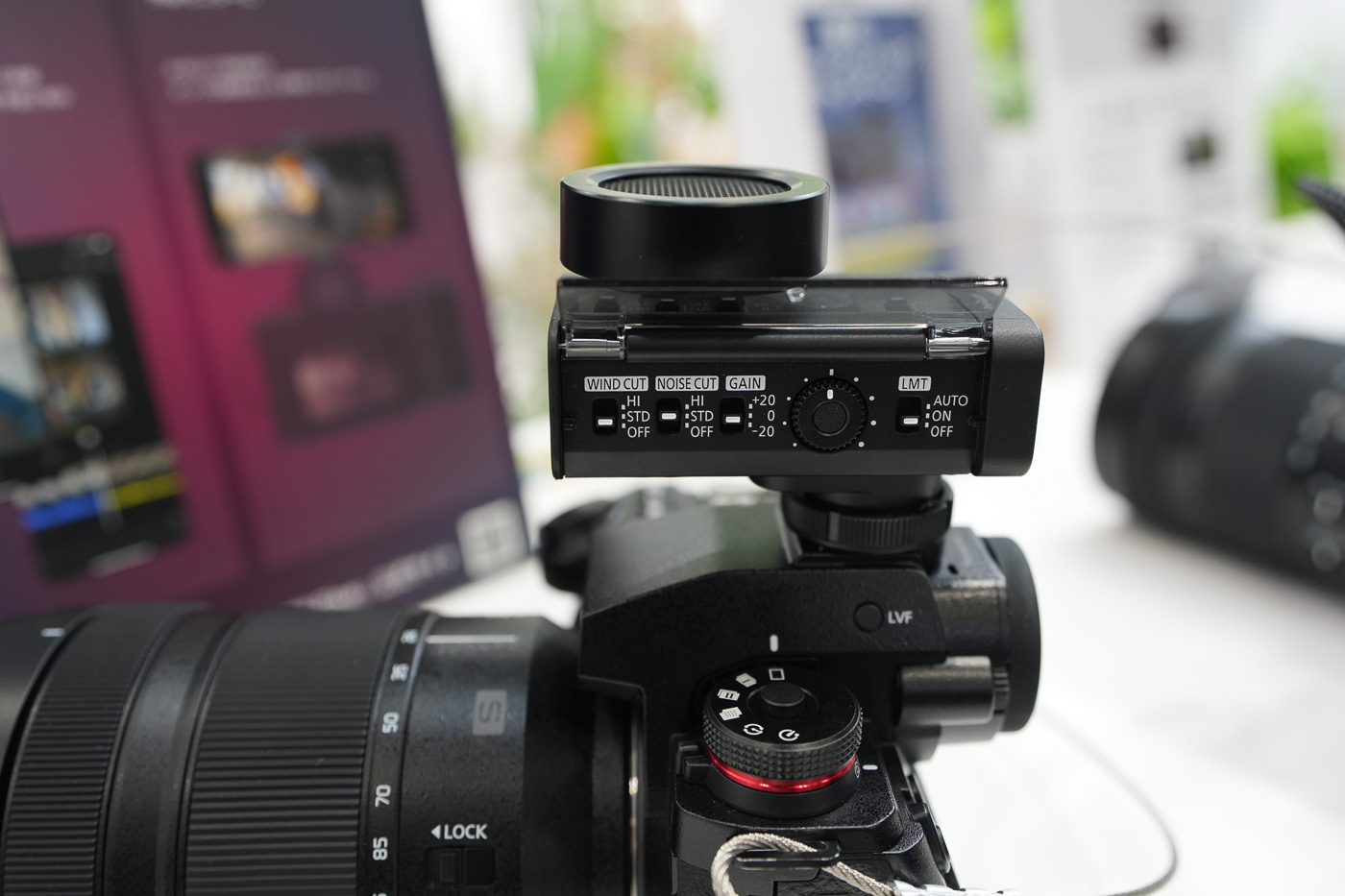
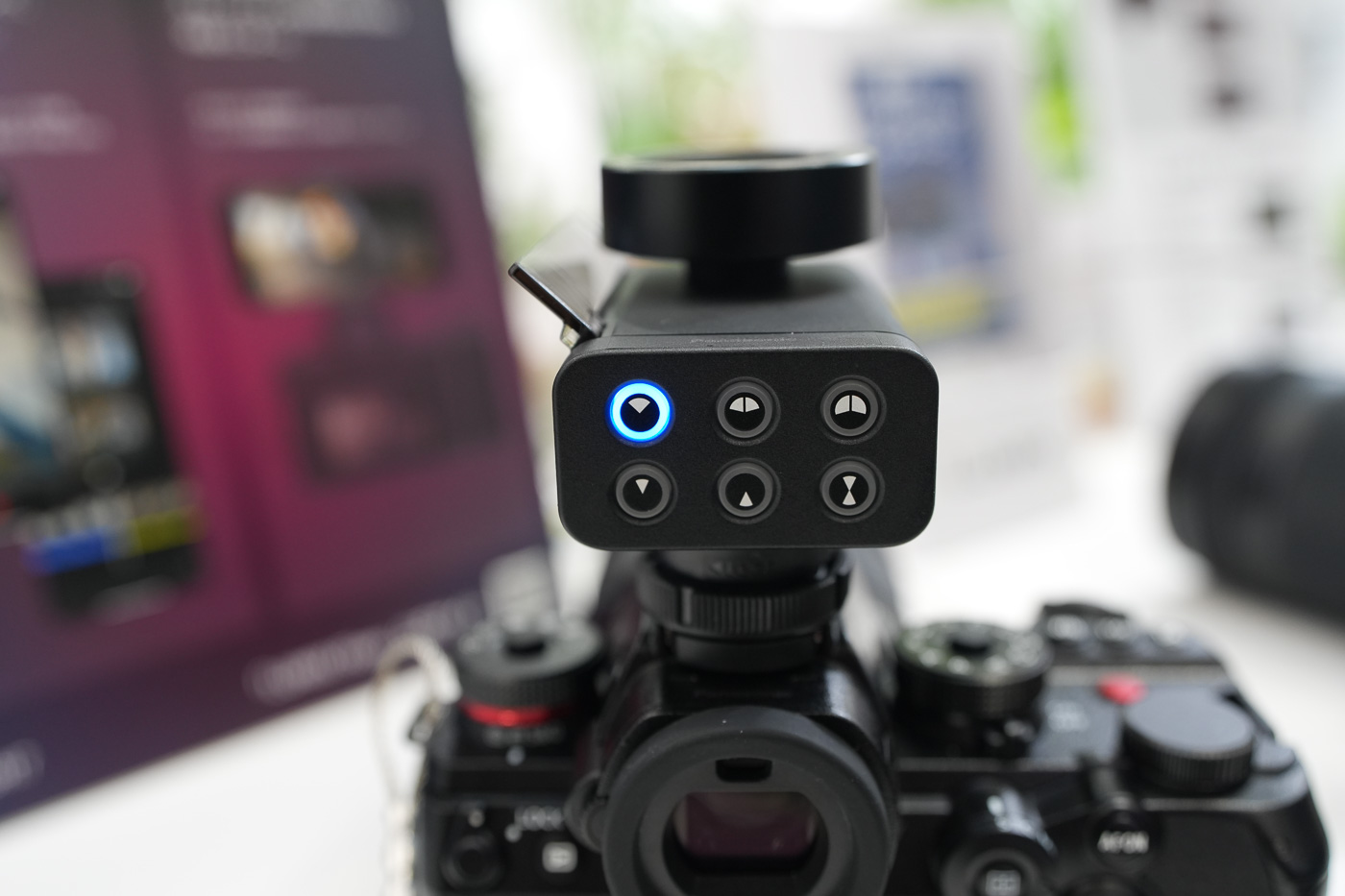
At CP+, you released the DMW-DMS1 microphone. Could you tell us a bit more about its main features? What audience is it addressing?
Our target customer for this microphone is the solo creator. Based on their feedback, they need a high-quality microphone that ensures no recording mistakes. In large-scale productions with a team, someone is dedicated solely to the sound. However, in a solo operation, the creator has to do everything. To help them avoid recording errors, the S1 II and GH7 offer 32-bit float recording. This microphone provides a very large dynamic range and helps minimize recording mistakes.

Your mobile applications represent real differentiation. Can you explain the philosophy behind Lumix Lab 2.0 and Magic LUT? Is this the future you envision for hybrid photography?
We developed Lumix Lab with the hope that many people could comfortably enjoy a wide variety of cinematic expressions using LUTs (Look Up Tables). To minimize workflow stress, we focused on making it easy to download and use recommended LUTs, as well as improving the usability of the real-time LUT feature that allows LUTs to be set and used directly on the camera through this app.
Magic LUT was developed with particular care to further enhance the enjoyment of LUTs. Using the latest AI technology, it has a feature that can generate LUTs in reverse based on your preferred cinematic style. This provides an environment where anyone can easily achieve their desired cinematic expression, and we hope that even more people will enjoy it.

Where do you stand on AI integration in your cameras? Beyond subject detection, what are the next concrete applications planned?
AI is enabling more advanced applications, not only in subject tracking and scene recognition but also in automatic editing, optimization, and automatic video generation. Moving forward, we will focus on expanding features that reduce the operational burden on users and make creative work more intuitive.
I cannot disclose specific ideas here in advance, but I believe there are two main directions in which AI adds value to cameras.
The first is “enhancing creativity.” As cameras continue to learn about scenes and subjects, they will not only reduce shooting mistakes through proper exposure and focusing but also potentially improve image quality itself. Furthermore, I believe we can look forward to a future where the camera anticipates the user’s envisioned image and suggests optimal settings and composition.
The second is “improving productivity and workflow.” We are considering mechanisms that allow more intuitive control of color expression and significantly streamline the editing process. Additionally, making the series of tasks after shooting, such as organization, selection, and finishing, smarter could increase the efficiency of reaching the user’s desired outcome.
Nowadays, many users have grown up with smartphones. While they admire the beautiful output unique to cameras, there are often barriers when they feel “it seems difficult” or “it feels like a heavy burden.” We aim to create a user experience with minimal learning cost, lower psychological barriers to using the camera, and cooperation with AI, ultimately expanding a future in which digital cameras can naturally be seen as “another option” that users can pick up with ease.
In your opinion, does Micro Four Thirds have a future? Panasonic released nothing in 2025, and the most recent body, the G97, is a rehash of the 2019 G90. Can you reassure us about Panasonic’s commitment to this format?
One of our strengths is that Lumix can offer distinctive cameras with two different mounts. In recent years, we have been introducing unique products every year, such as the GH7, G9 II, G97, and G100D.
In addition, we have been actively renewing our lenses, such as the 100-400 mm Leica and 35-100 mm f/2.8 Leica. I believe that the agility and speed achieved by compacting the entire camera system, including lenses, remain an enduring appeal of Micro Four Thirds. We will continue to make new proposals that further highlight the unique charm of Micro Four Thirds.
Facing the wave of premium compacts (Ricoh GR IV, Fujifilm X100 VI, Sony RX1R III…), is Panasonic considering returning to this segment, perhaps as a successor to the LX100 II?
CIPA shipment results for 2025 reached 107% year-on-year, marking the fifth consecutive year of growth in the global camera market. This is driven by the renewed growth in demand for entry-level models targeted at new users and for cameras with integrated lenses. We will also accelerate new proposals for new users. We recognize premium compact cameras as an important segment, and we will continue to make efforts to offer new proposals in this area.
Your video positioning remains very strong. How do you see the evolution between high-end mirrorless cameras and compact cinema cameras? Will these product lines converge?
As mentioned earlier, the performance improvements of mirrorless cameras have led to steady growth in the prosumer market, where professionals and consumers converge. As products in the prosumer market become increasingly versatile, we will continue to strive to provide the most suitable products for each usage scenario, from mirrorless cameras aimed at cinema use to professional cinema shooting.
You said in a previous interview that France was really important for Lumix and Panasonic. What is your report on the growth or market share increase in France?
For Panasonic, France is the number one market in terms of full-frame market share within the European countries. And the last couple of years, our market share has been growing very rapidly in the full-frame market.
According to GfK data, last year our average market share in the so-called “EU3” – the major European countries (UK, Germany, and France) – was around 6-7%. This year, we aim to nearly double that to around 10-12%.
Among these three countries, the French market still records the highest share for Lumix, reaching around 13-14% of the overall market. Therefore, regarding growth compared to the previous year, we believe Panasonic has generated the biggest jump and the strongest growth in France.
How do you explain this French-specific growth?
One key factor driving our market share growth in France is our kit products. Kit sales mean new customers are choosing Lumix, which is very good news. With a lineup of many entry-to-middle models, such as the S9, the S5 II, and the S5D, there are a lot of newcomers who can easily choose Lumix. Furthermore, we have smaller lenses with high performance, and many people say that our kit cameras are one of the main reasons they chose Lumix.
Other companies are growing through APS-C. However, their full-frame results are down compared to ours. We do not have APS-C; instead, we focus on full-frame.
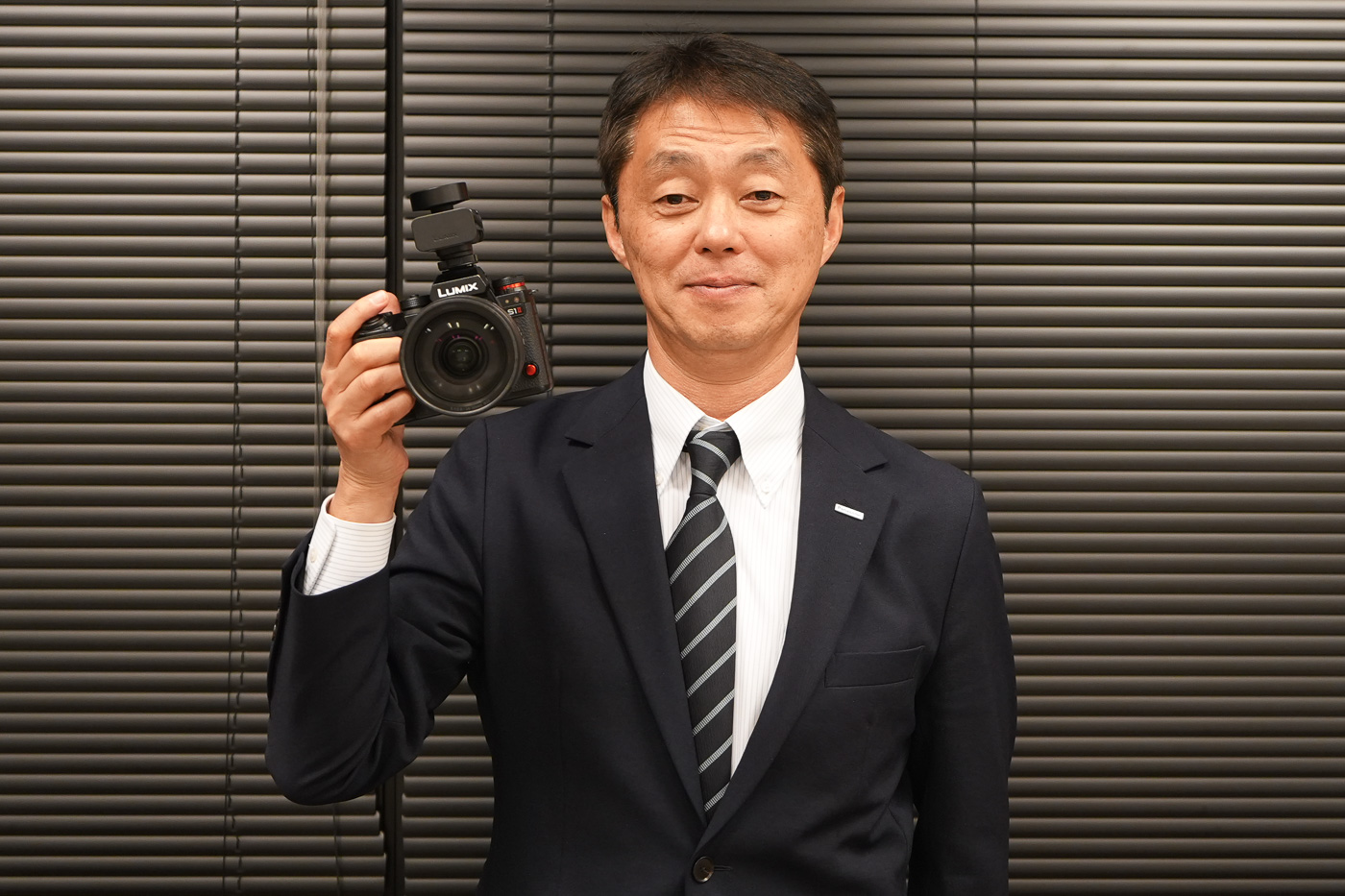
Thank you to Mr. Toshiyuki Tsumura for answering our questions. We would also like to thank the Panasonic Japan and Panasonic France teams for making this interview possible.