

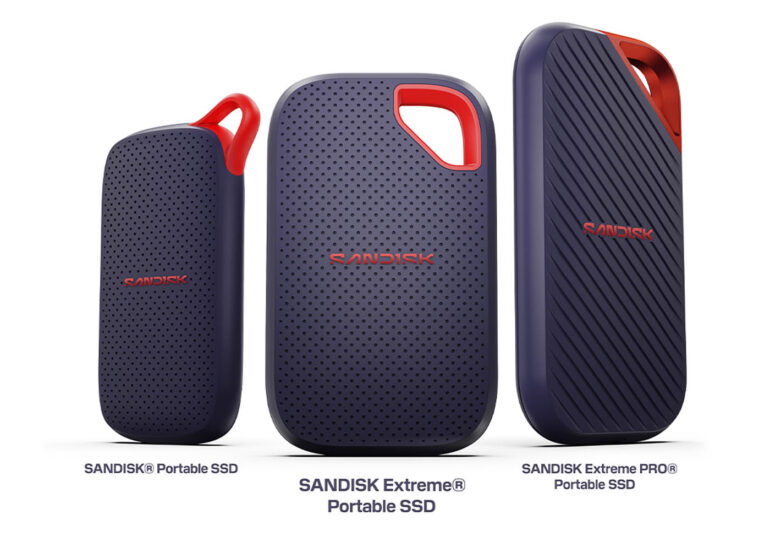

One year after its spin-off from Western Digital, SanDisk launches the third generation of its portable SSD lineup, available in three models: Portable SSD V3, Extreme V3 and Extreme Pro V3.
Announced speeds are significantly higher compared to the V2 generation, with capacities reaching up to 8 TB on the top-tier model. The Extreme V3 is available starting today; the Portable SSD and Extreme Pro will follow in the second half of 2026.

Sommaire
- SanDisk Extreme V3, Extreme Pro V3 and Portable SSD V3: doubled speeds across the entire lineup
- USB 3.2 Gen 2×2 and USB4: upgraded interfaces across the range
- Enhanced durability and IP65 protection
- A compact form factor retained
- Pricing and availability of the SanDisk Portable V3, Extreme V3 and Extreme Pro V3 SSDs
- Our first impressions
SanDisk Extreme V3, Extreme Pro V3 and Portable SSD V3: doubled speeds across the entire lineup
Despite a challenging context due to the electronic component crisis, SanDisk unveils its new trio of SSDs designed for creatives. Beyond a slight design refresh (notably around the logo), the main improvement in this third generation concerns raw performance.
The SanDisk Portable SSD V3, the entry-level model, offers up to 1,000 MB/s read speeds. It will be available in 500 GB, 1 and 2 TB.
The SanDisk Extreme Portable SSD V3 now features sequential read speeds up to 2,000 MB/s, compared to 1,050 MB/s on the V2 — nearly double. The SSD is available in 1, 2 and 4 TB, with a 500 GB version expected later.

Finally, the SanDisk Extreme Pro Portable SSD V3 pushes things even further, with announced speeds of up to 4,000 MB/s read and 3,800 MB/s write. The previous generation topped out at 2,000 MB/s for both read and write. SanDisk highlights the ability to transfer 10 minutes of 12K video (84.30 GB BRAW files) in under a minute. The Extreme Pro will be available in 2, 4 and 8 TB, a first for this lineup with this unprecedented maximum capacity.
USB 3.2 Gen 2×2 and USB4: upgraded interfaces across the range
SanDisk’s website only specifies the USB interface for the Portable SSD V3, which relies on a USB 3.2 Gen 2 interface at 10 Gbps — the same one used by the Extreme V2, which it effectively replaces in terms of performance.
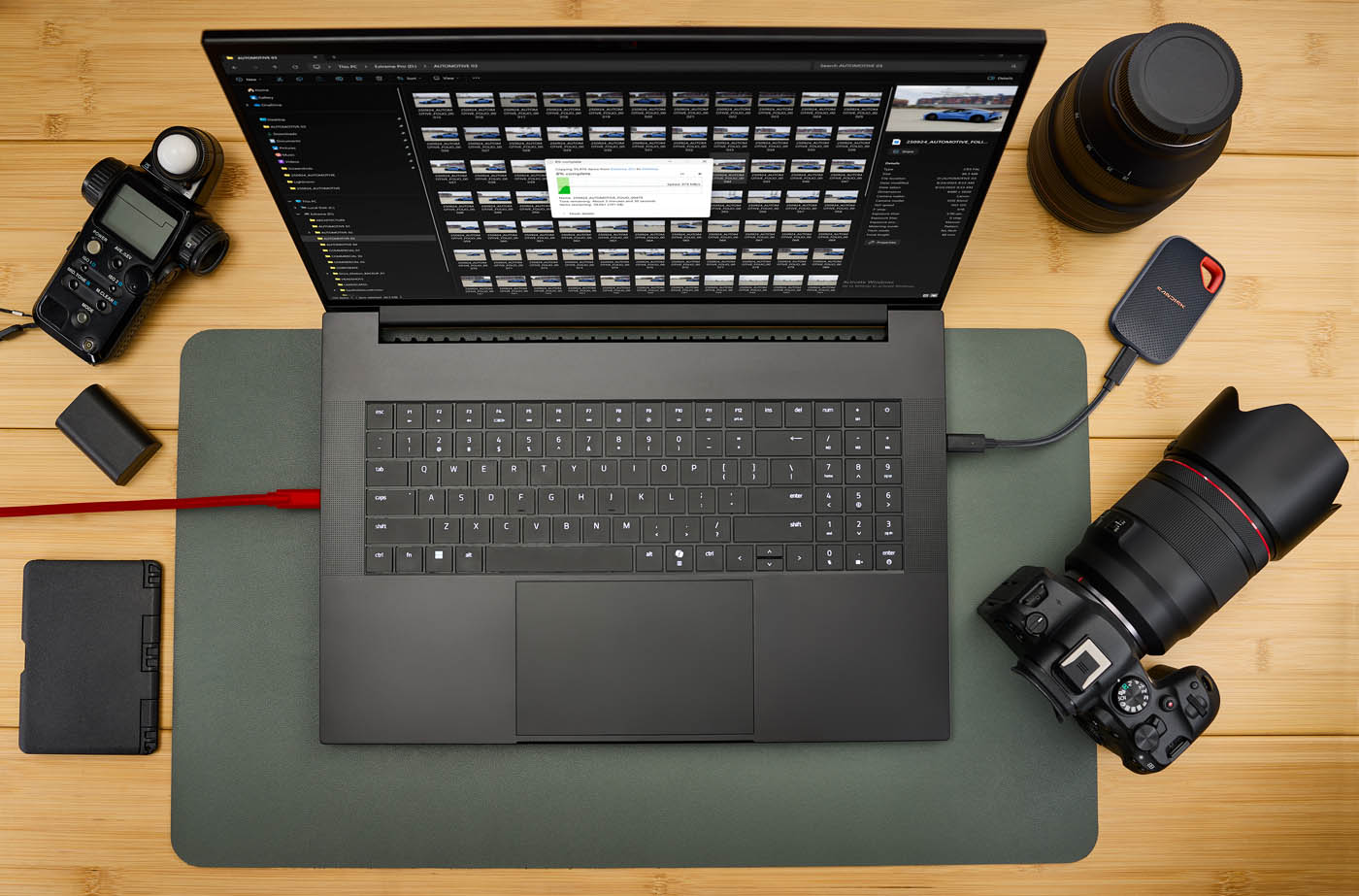
For the other two models, the announced speeds make it easy to deduce the technology embedded in each.
The Extreme V3, with its 2,000 MB/s speeds, logically steps up to USB 3.2 Gen 2×2 (20 Gbps), the interface previously used by the Extreme Pro V2. Unfortunately, this remains a standard largely overlooked by most computer manufacturers, Apple first among them. In practice, the Extreme V3 will often be limited to 1,050 MB/s.
Lastly, the Extreme Pro V3, rated at maximum speeds of 4,000 MB/s read and 3,800 MB/s write, requires 40 Gbps bandwidth and therefore uses USB4, just like the Extreme Pro USB4 released in 2025 with speeds of 3,800 / 3,700 MB/s.
In short, SanDisk is trickling down technologies one tier in its lineup: the Extreme V3 inherits the interface of the former Extreme Pro V2, while the Extreme Pro V3 pushes USB4 a step further.
Enhanced durability and IP65 protection
On the durability front, both the Extreme and Extreme Pro gain in ruggedness. They move from IP55 to IP65 certification, offering better protection against dust (full dust-tightness) and water jets. Drop resistance also increases to 3 meters, up from 2 meters on the previous generation. Both models retain AES 256-bit hardware encryption with password protection, compatible with Windows 10+ and macOS 13+.
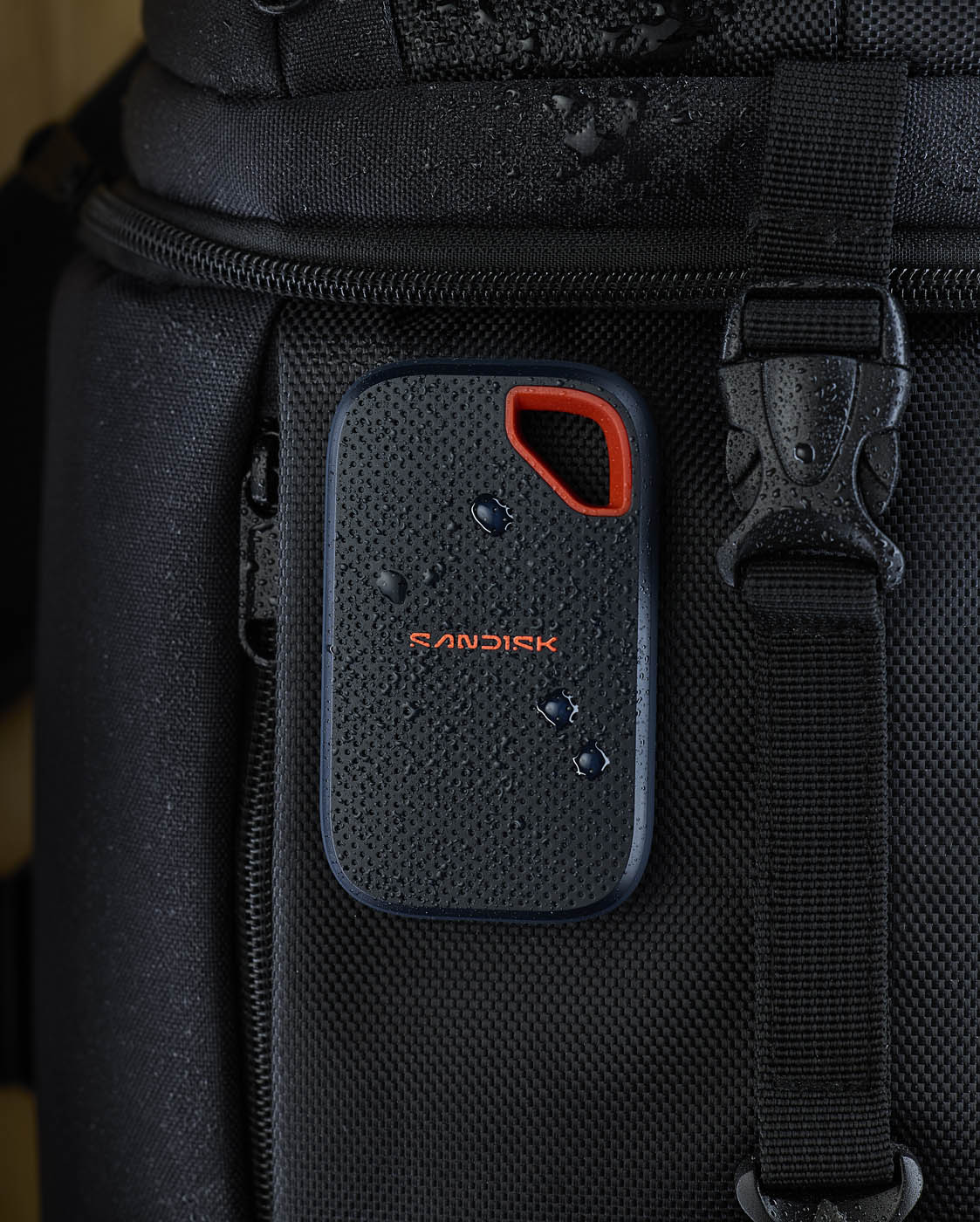
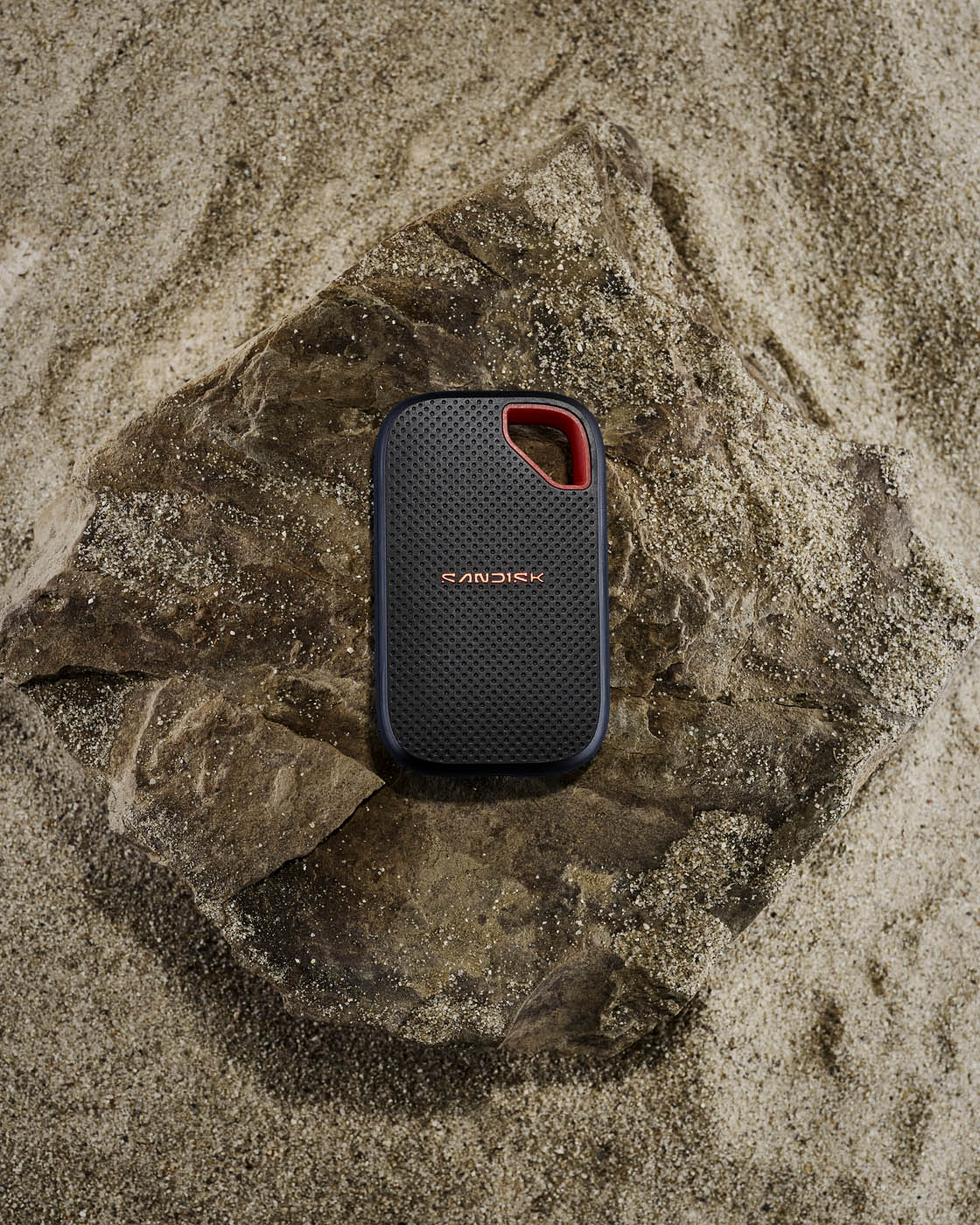
The more affordable Portable SSD claims 2-meter drop resistance but lacks both IP65 certification and hardware encryption.
A compact form factor retained
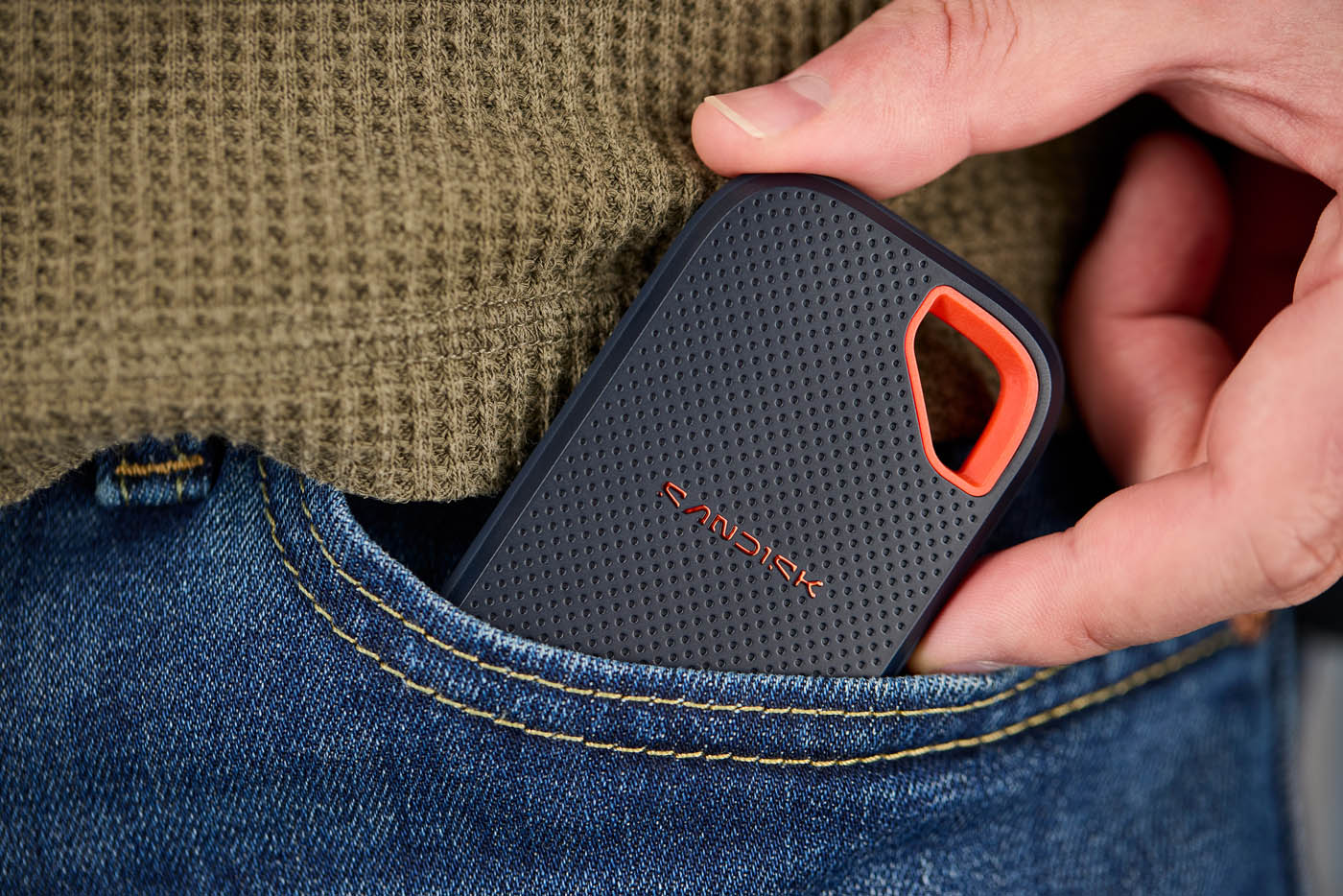
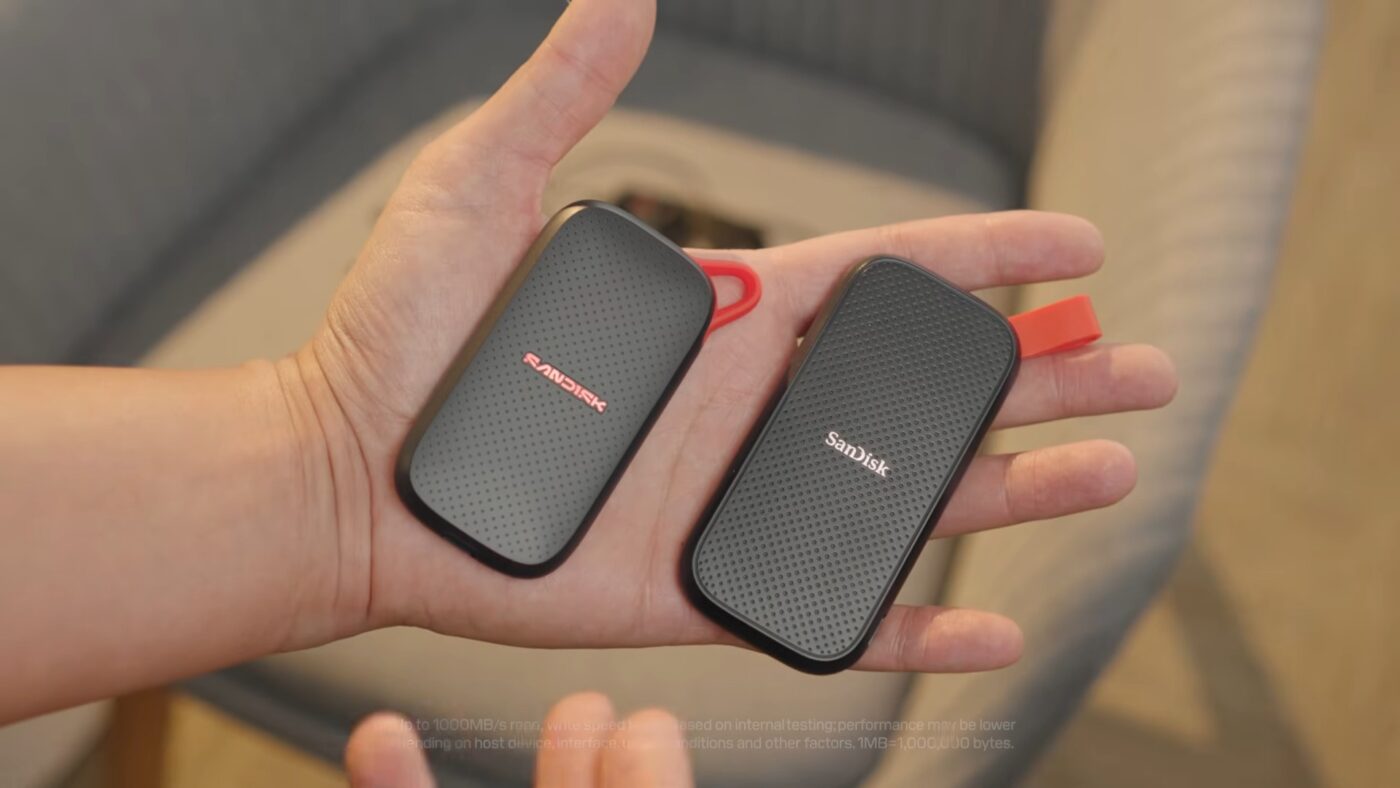
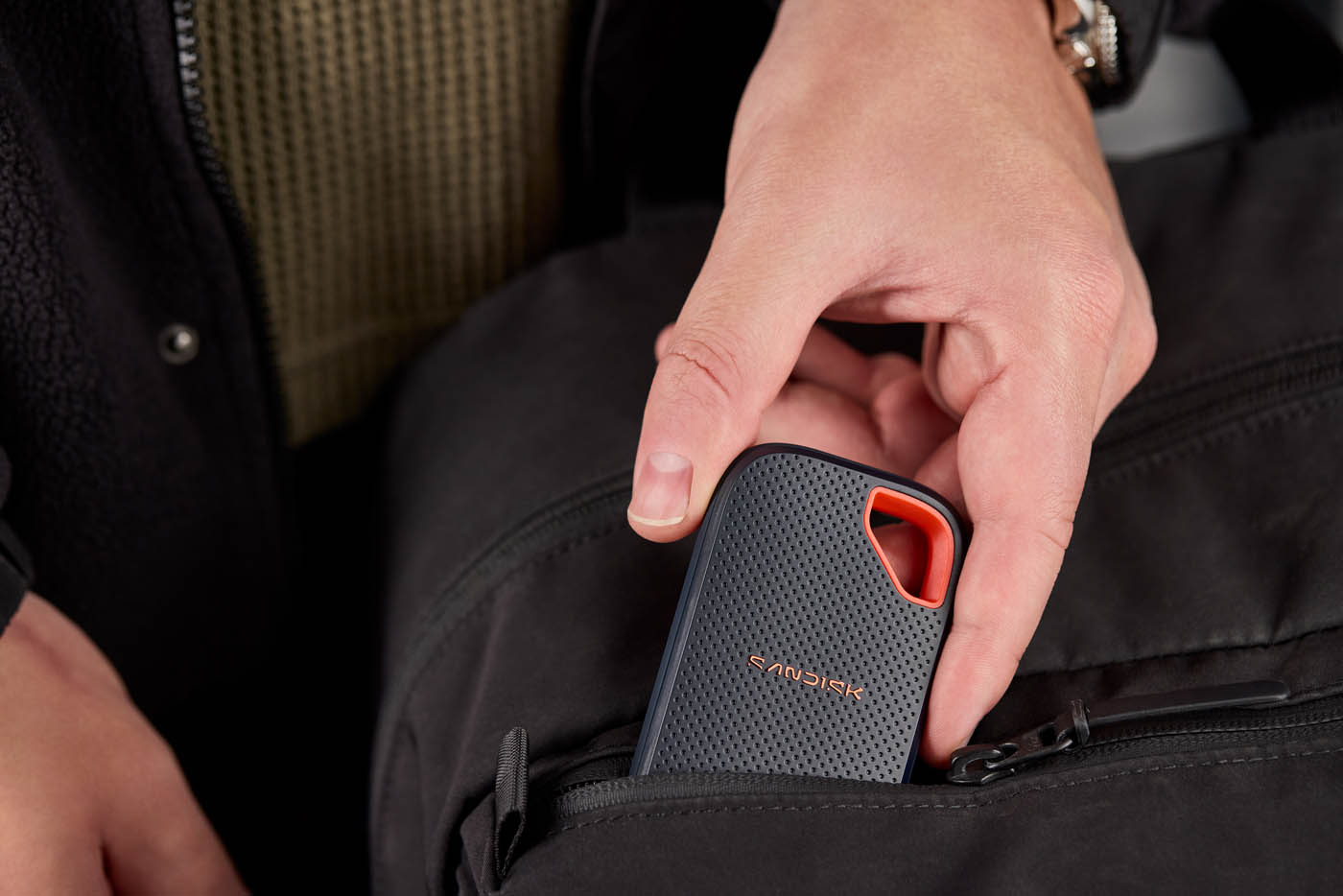
Despite the performance gains, these SanDisk SSDs appear to keep their pocket-friendly form factor, except perhaps for the Extreme Pro if it carries over the dimensions of the USB4 model.
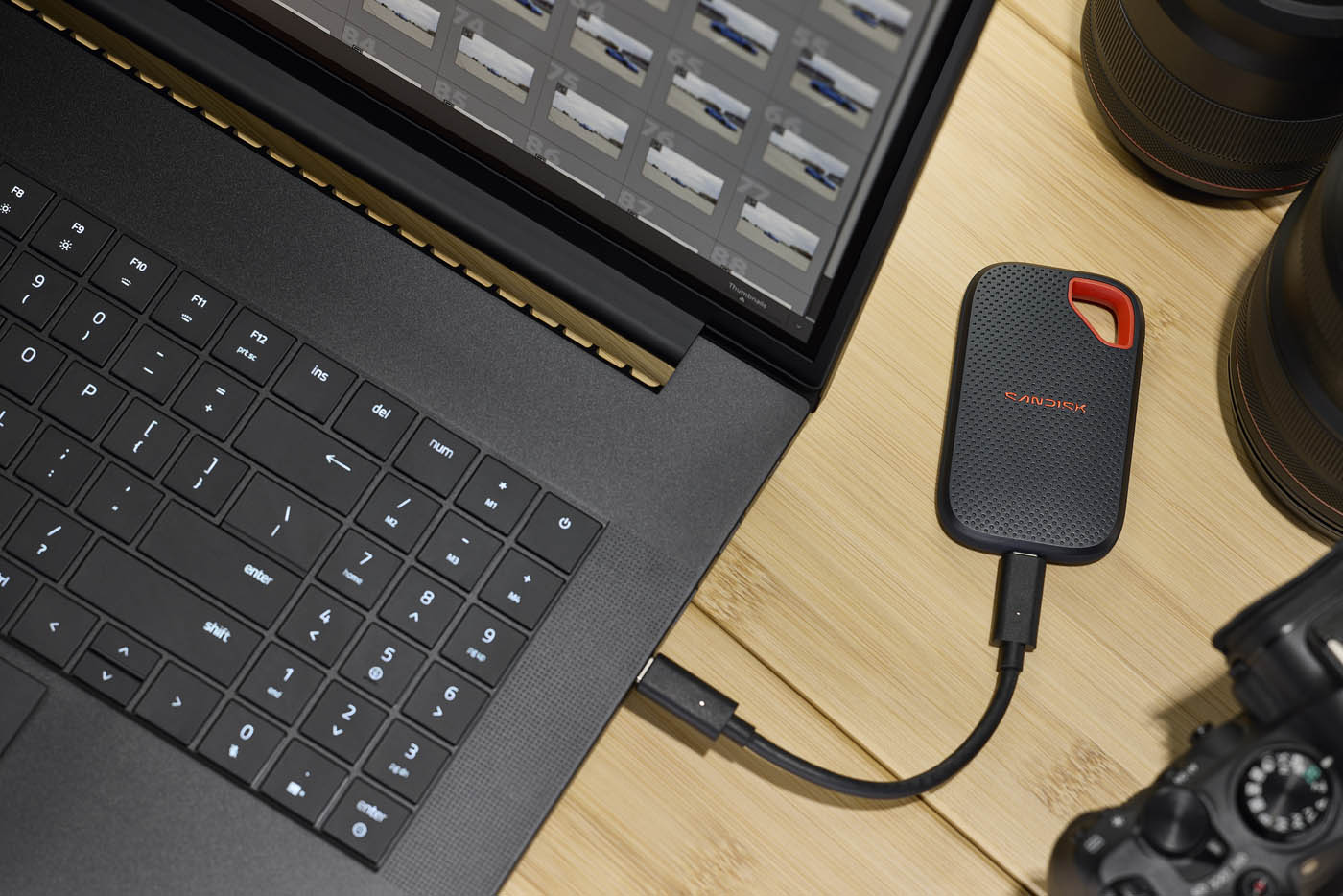
For now, only the Extreme V3’s dimensions are known: it measures 85.1 × 50.8 × 9.9 mm and weighs 46.9 g, making it slightly more compact and lighter than the V2 (100.5 × 52.4 × 8.9 mm, 63 g). The enclosure includes a USB-C to USB-C cable. According to a video published on SanDisk’s YouTube channel, the Extreme Pro V3 retains the form factor of the V2 rather than the larger footprint of the recently released Extreme Pro USB4. That’s good news.
Compatibility is broad: Android 10+, iOS 17+ (via the Files app), iPadOS 15+, macOS 12+ and Windows 10+. The SanDisk Desktop App accompanies the Extreme and Extreme PRO models for managing encryption and automatic backups.

Here is a comparison table of the SanDisk Portable SSD V3, Extreme V3 and Extreme Portable Pro V3 SSDs:
| Sandisk Portable SSD V3 | Sandisk Extreme V3 | Sandisk Extreme PRO V3 | |
|---|---|---|---|
| capacité | 500 Go, 1, 2 To | 1, 2, 4 To (500 Go à venir) | 2, 4, 8 To |
| débits théoriques lecture | 1 000 Mo/s | 2 000 Mo/s | 4 000 Mo/s |
| débits théoriques écriture | N.C. | N.C. | 3 800 Mo/s |
| résistance aux chutes | 2 m | 3 m | 3 m |
| protection contre l’eau et la poussière | N.A. | IP65 | IP65 |
| norme | USB 3.2 Gen 2 (10 Gbps) | USB 3.2 Gen 2x2 (20 Gbps) | USB4 (40 Gbps) |
| connectivité | USB Type-C | USB Type-C | USB Type-C |
| chiffrement AES 256 bits | non | oui | oui |
| garantie limitée | 3 ans | 5 ans | 5 ans |
| compatibilité | Android 10+, iOS 17+, iPadOS 15+, macOS 13+, Windows 10+ | Android 13+, iPadOS 15+, iOS 15+, macOS 13+, Windows 10+ | Android 13+, iPadOS 15+, iOS 15+, macOS 13+, Windows 10+ |
| dimensions | N.C. | 85,1 × 50,8 × 9,9 mm | N.C. |
| poids | N.C. | 46,9 g | N.C. |
| Prix au lancement (version de base) | N.C. | 260 € | N.C. |
Pricing and availability of the SanDisk Portable V3, Extreme V3 and Extreme Pro V3 SSDs
The SanDisk Extreme V3 is available starting today at a price of €260.99 for the 1 TB version. The 2 and 4 TB versions are priced at €450.99 and €889.99 respectively on the SanDisk store. A 500 GB version is expected in the second half of 2026.
The SanDisk Extreme Pro V3 (2, 4 and 8 TB) and the SanDisk Portable SSD V3 (500 GB, 1 and 2 TB) are expected in the second half of 2026. Pricing for these two models has yet to be confirmed.
Our first impressions
On paper, this third generation of SanDisk SSDs has a lot going for it. The trickle-down effect of interfaces is notable: the Extreme V3 inherits the speeds of the former Extreme Pro, while the Extreme Pro V3 moves to USB4, delivering a real step up at each tier.
We also note that the 8 TB option on the Extreme Pro V3 with USB4 is an appealing proposition for videographers. The upgrade to IP65 and drop resistance raised to 3 meters are also welcome improvements for field use.
That said, this announcement comes with a few gray areas. The Extreme Pro V3 looks a lot like a minor update to the SanDisk Extreme Pro USB4 that we reviewed in 2025. It uses the same USB4 interface, with maximum read speeds up by only 5% (from 3,800 to 4,000 MB/s) and 3% in write (from 3,700 to 3,800 MB/s). The real new additions are limited to the 8 TB capacity and the bump from 2 to 3 meters of drop resistance. It’s hard to call this a generational leap.
Furthermore, SanDisk provides no write speed figures for the Extreme V3 or the Portable SSD V3, a silence that raises concerns about speed drops during sustained writes — precisely the scenario when copying large batches of RAW files. And in 2025, USB 3.2 Gen 2×2 on the Extreme V3 still lacks broad support: performance will therefore cap at 1,050 MB/s — the same speed as the old V2. Quite ironic for a lineup targeting creatives.
Lastly, it’s hard to overlook the reliability issues SanDisk faced with the previous generation, with some users and journalists (mainly in the US) experiencing data loss. SanDisk made no mention of this, but we hope the design has been revised to put that chapter behind them.