



Introduced in February 2025 in Japan, the Sigma 300-600 mm f/4 DG OS Sports looks on paper like one of the most compelling full-frame zooms for sports and wildlife photography in Sony E and L mounts.
Designed as a versatile alternative to long prime lenses, it offers a wide zoom range with a constant f/4 aperture.
Massive and priced at $6,599, it remains relatively well positioned given its versatility. We were able to get our hands on it at the 2025 Montier-en-Der festival. Here are our impressions.
Sommaire
Introducing the Sigma 300-600 mm f/4 DG OS Sports
The combination of very long focal length + fast aperture is usually reserved for imposing prime lenses such as the Sony FE 600 mm f/4 GM OSS. But sometimes, manufacturers are ambitious enough to offer a little more, as Sigma does with its 300-600 mm f/4 DG OS Sports, a super telephoto zoom designed to replace several professional long prime lenses.
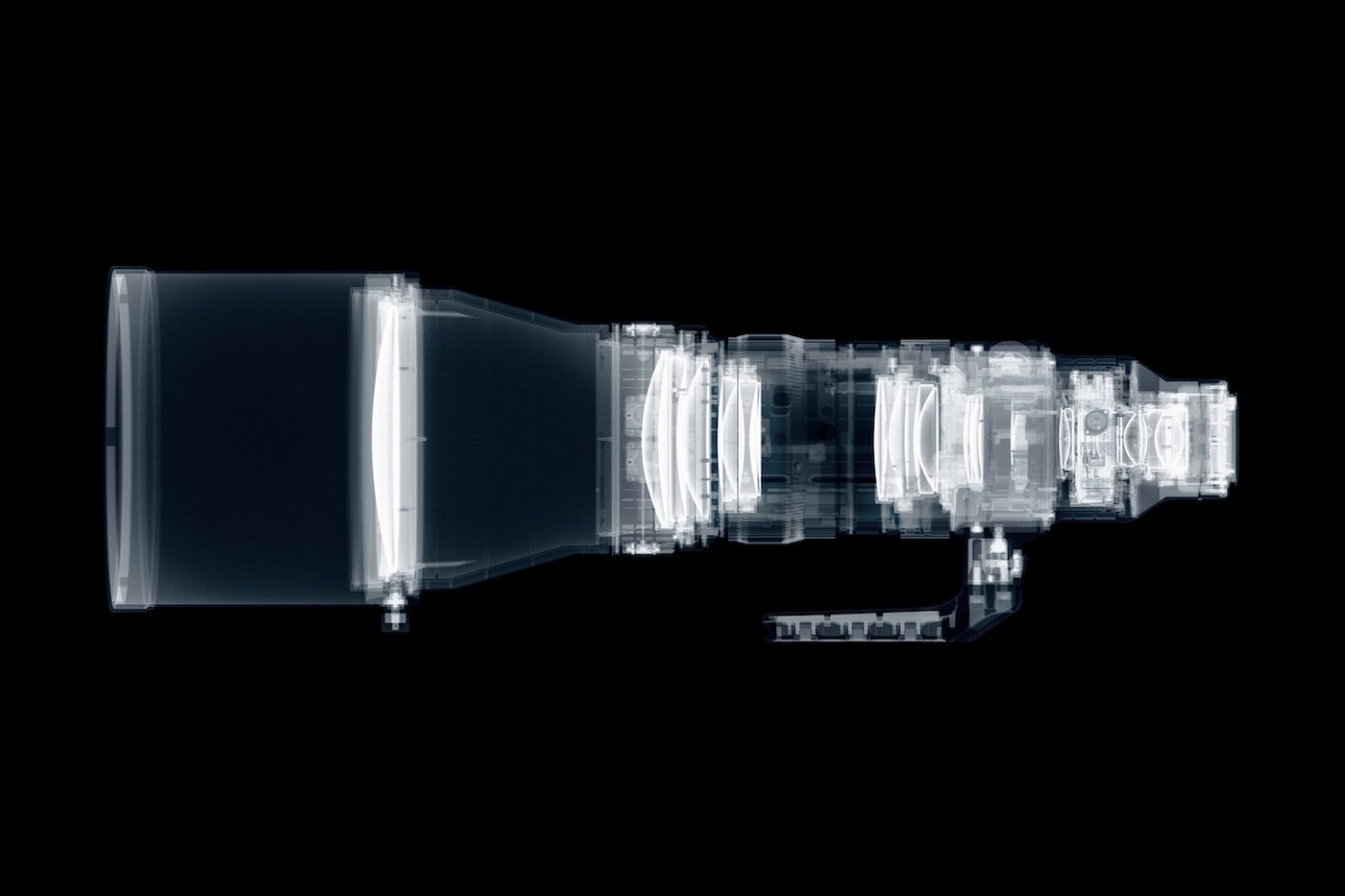
It is worth noting that Sigma is no stranger to this kind of challenge, since the Japanese lens maker previously sold a zoom such as the 200-500 mm f/2.8 APO DG EX back in 2008. To combine the versatility of a zoom with the performance of a prime lens, this 300-600 mm f/4 DG OS Sports features a highly complex optical construction. It boasts no fewer than 28 elements in 21 groups, including 6 FLD glass elements and 1 SLD glass element.
The constant f/4 aperture is delivered by a 13-blade diaphragm, while the minimum focusing distance is 2.8 m at 300 mm and 4.5 m at 600 mm. Maximum magnification reaches 0.16x (at 470 mm). Note that in L-mount only, the zoom is compatible with Sigma’s 1.4x and 2x teleconverters. This yields a 420-840 mm f/5.6 or even a 600-1200 mm f/8!
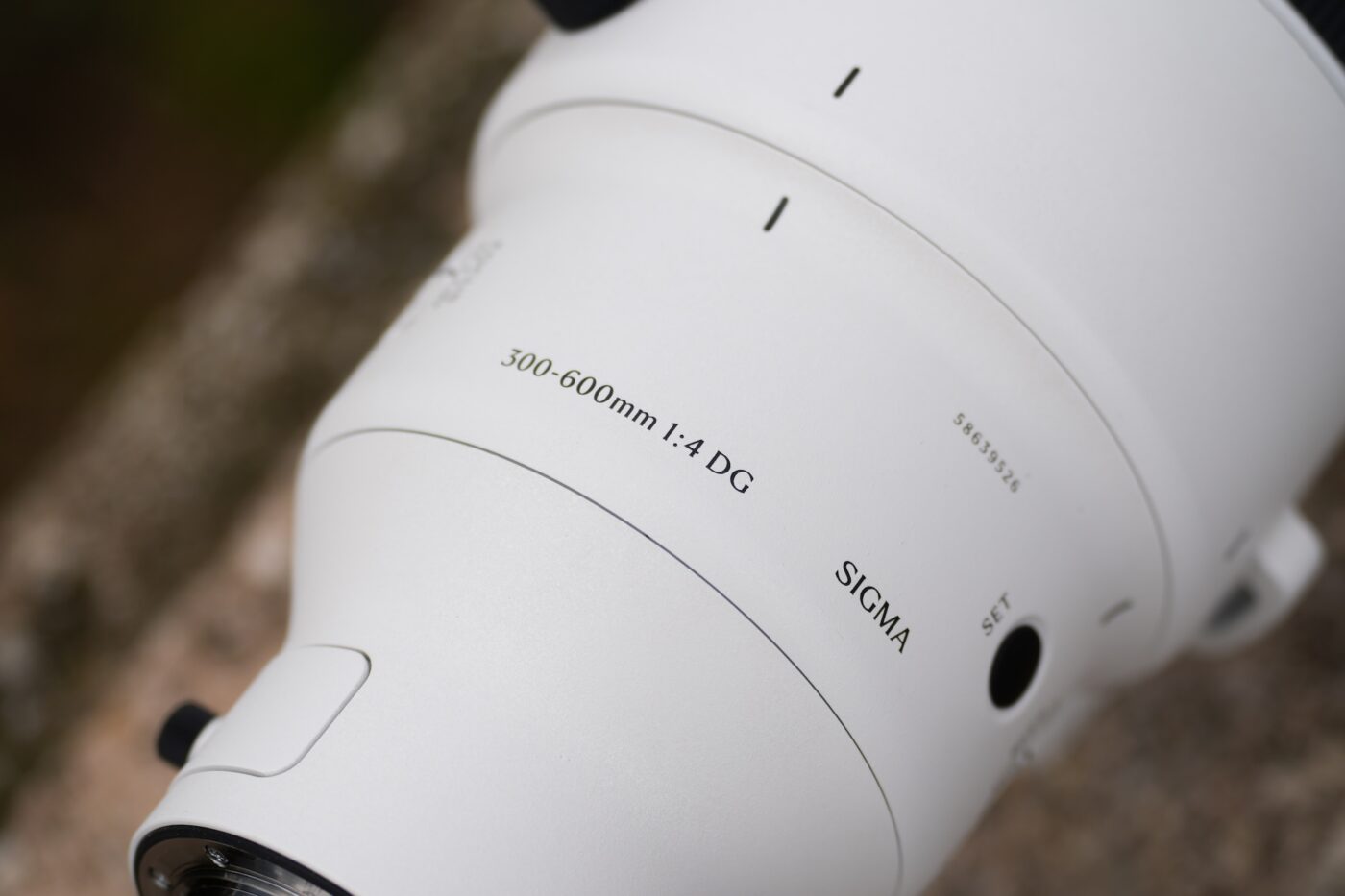
Here are the key specifications of the Sigma 300-600 mm f/4 DG OS Sports:
- focal range: 300-600 mm (450-900 mm on APS-C)
- full-frame lens
- max aperture: f/4
- min aperture: f/22
- angle of view: 8.2–4.1°
- optical construction: 28 elements in 21 groups (including 6 FLD and 1 SLD elements)
- diaphragm: 13 blades
- minimum focusing distance: 280 cm (at 300 mm) – 450 cm (at 600 mm)
- image stabilisation: OS, up to 5.5 stops
- weather sealing: dust and moisture-resistant
- max magnification: 0.16x (at 470 mm)
- autofocus: HLA
- filter diameter: 40.5 mm (rear)
- dimensions: ø 167 x 467.9 mm
- weight: 3,985 g
- included accessories: front and rear caps, tripod collar, lens hood
- compatible mounts: L-mount, Sony E
- launch price: $6,599
Massive, but with mitigating circumstances
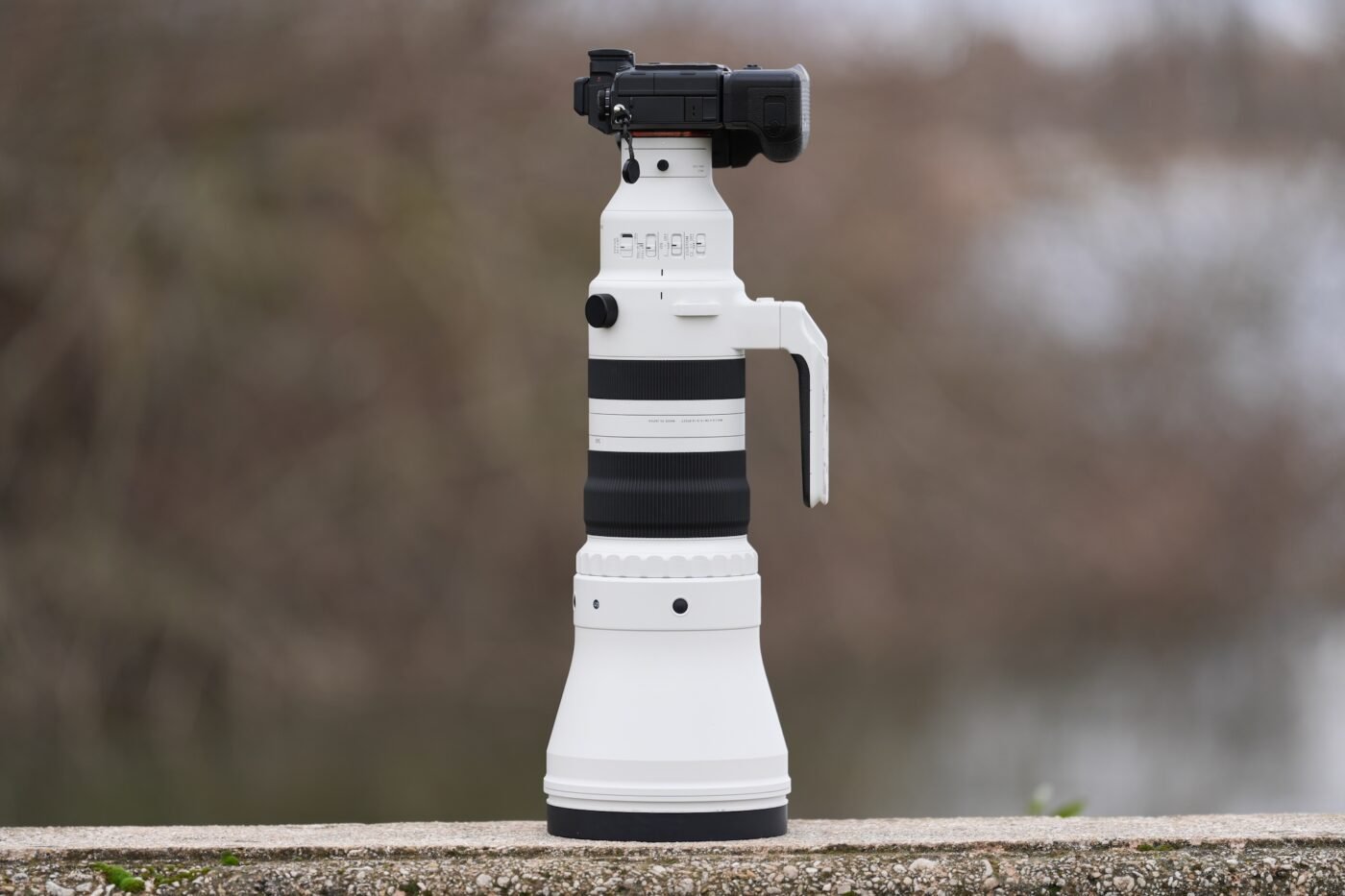
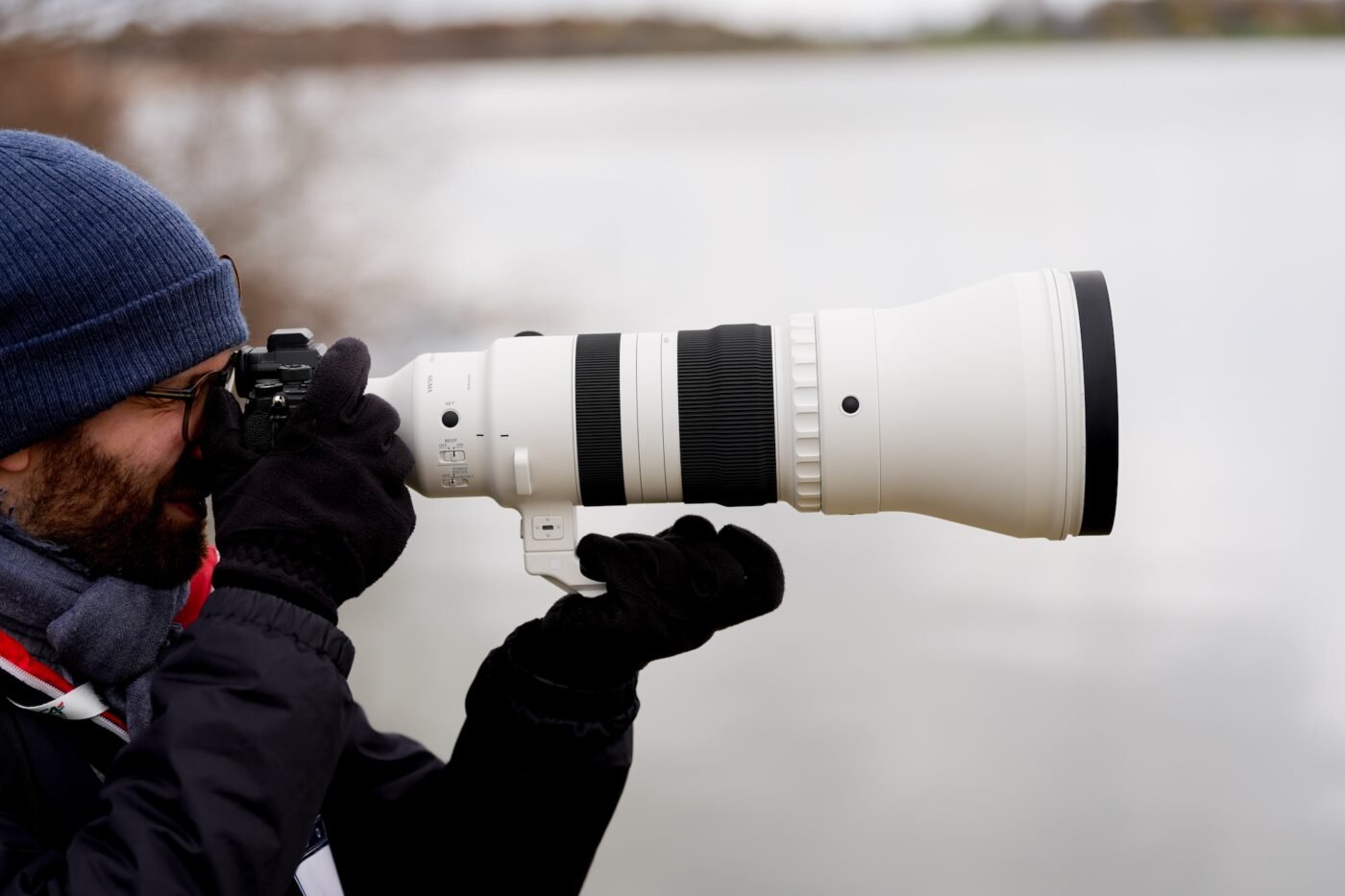
At nearly 4 kg, the Sigma 300-600 mm f/4 immediately makes its presence felt: this is a lens designed to be used with support, such as a monopod.
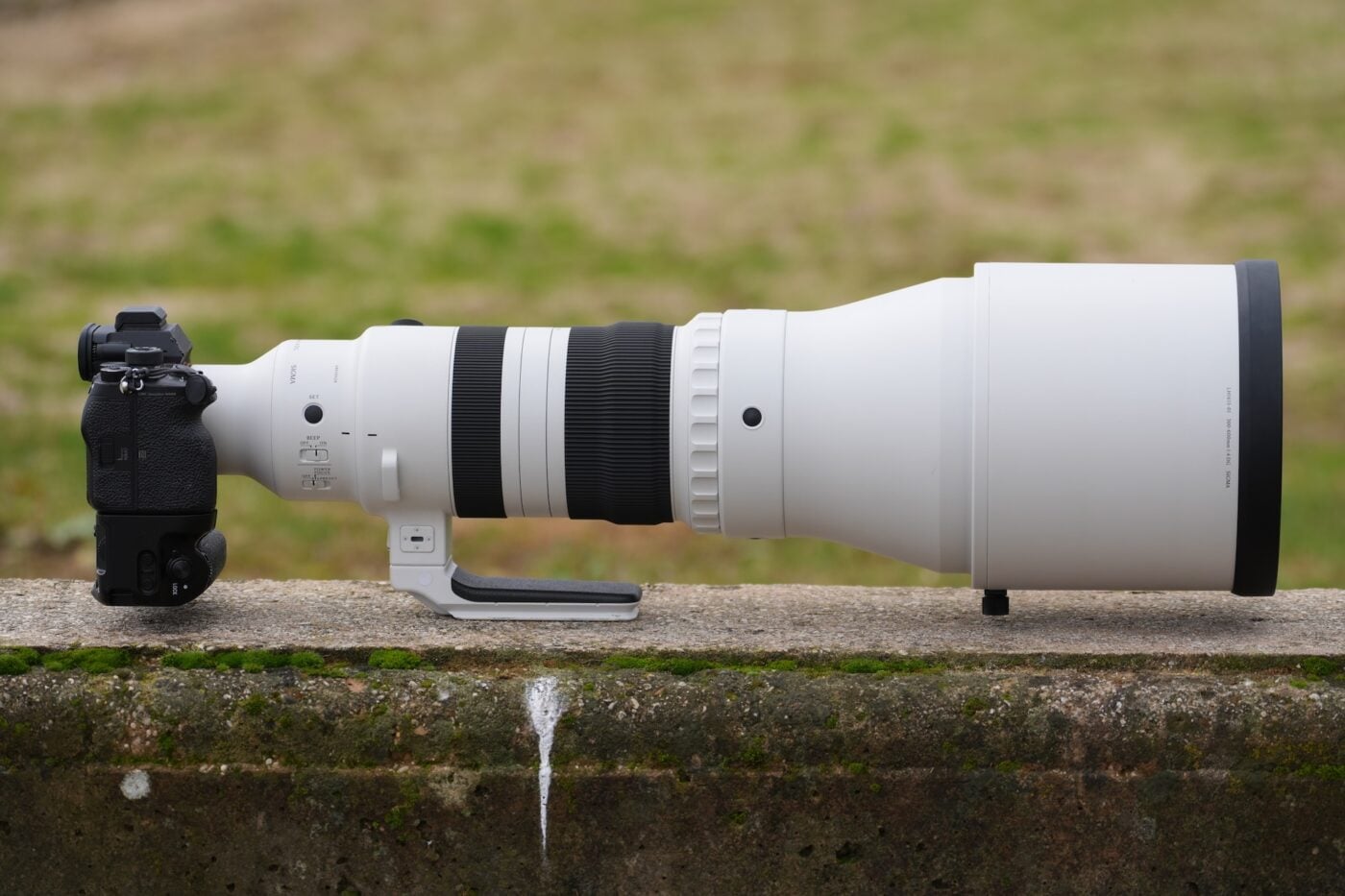
On a Sony mirrorless body, despite its 47 cm length (without lens hood), the setup remains well balanced thanks to the internal zoom design, but the weight clearly limits extended handheld sessions. Without support, you need considerable strength to control this beast properly.
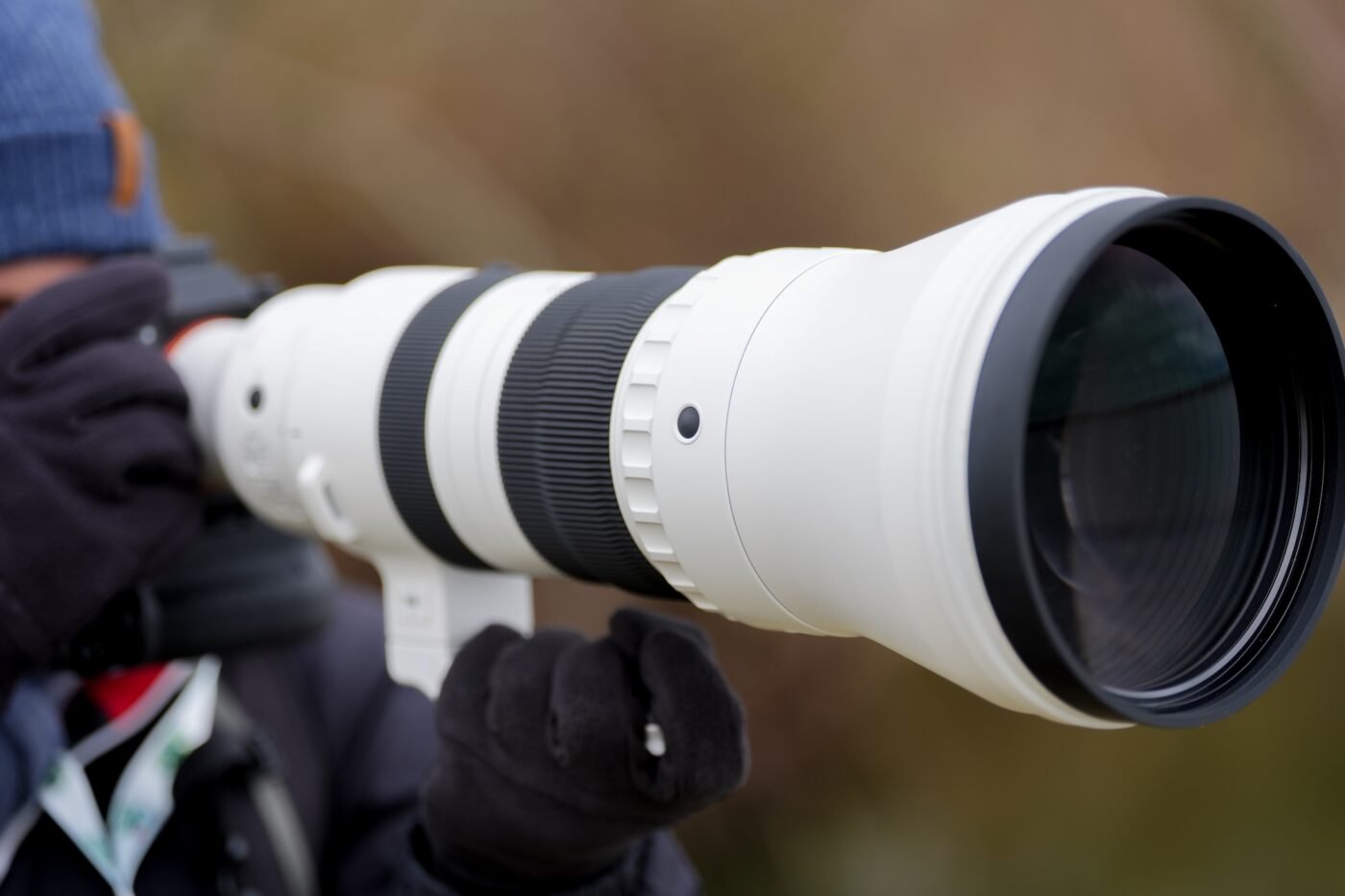
This significant mass should of course be put in perspective given the focal range. A lens like the “standard” Sony 600 mm f/4 already tips the scales at 3 kg. So, taking a lens of that kind, giving it the ability to zoom from 300 mm while adding “only” 1 kg is an impressive feat.
For comparison, the 200-500 mm zoom (which admittedly opened to f/2.8) weighed nearly… 16 kg! Since then, advances in optical construction and materials have been remarkable.
As for controls, the lens offers a very comprehensive set including:
- a zoom ring
- a focus ring
- an AF/MF switch
- a focus limiter: Full, 10 m – ∞, min focus – 10 m
- a stabilisation switch: OFF, 1, 2
- a “custom” switch: OFF, C1, C2
- 5 customisable buttons
- a BEEP switch: ON/OFF
- a Power Focus switch: ON/OFF
- a multifunction ring
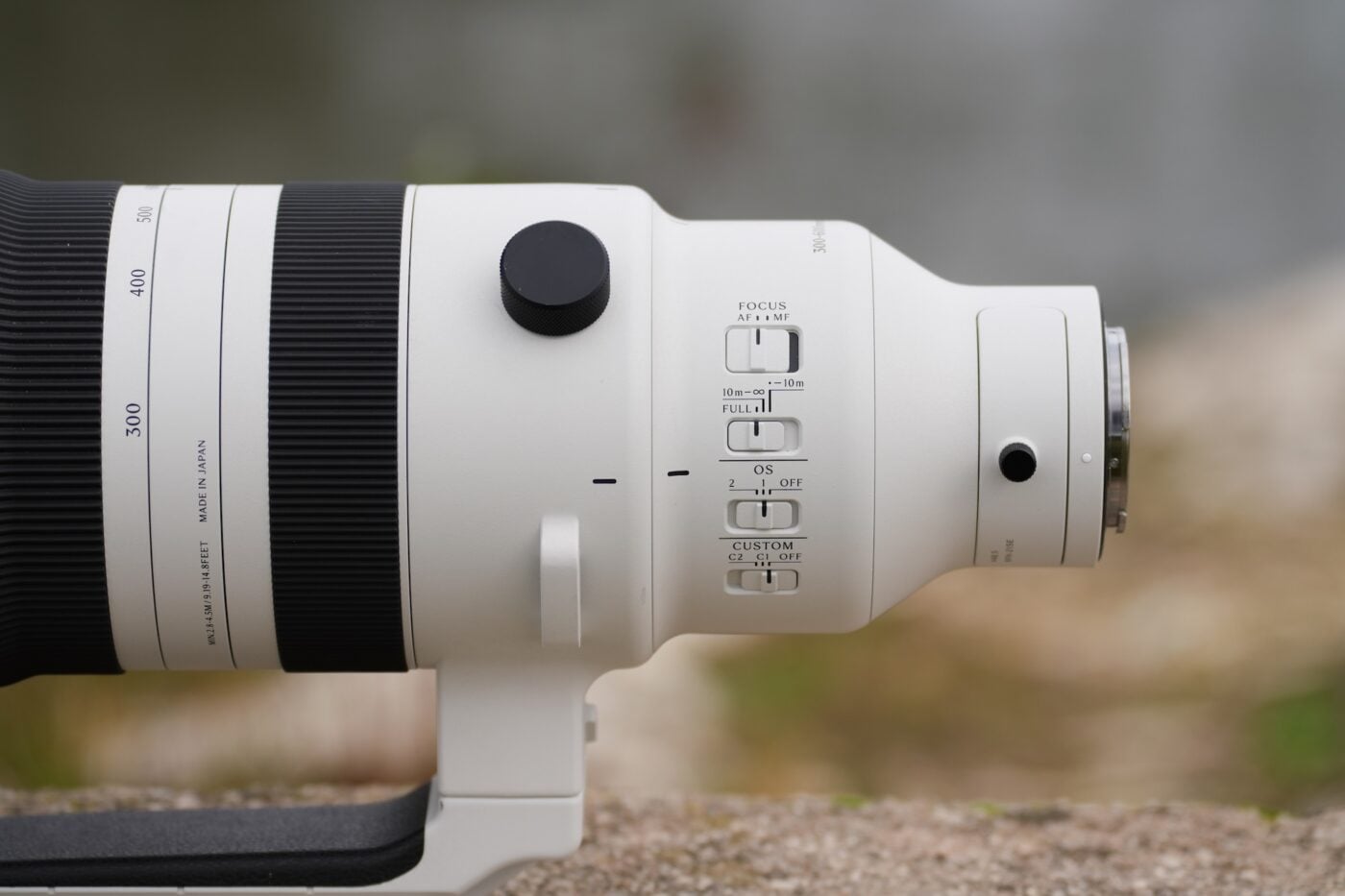
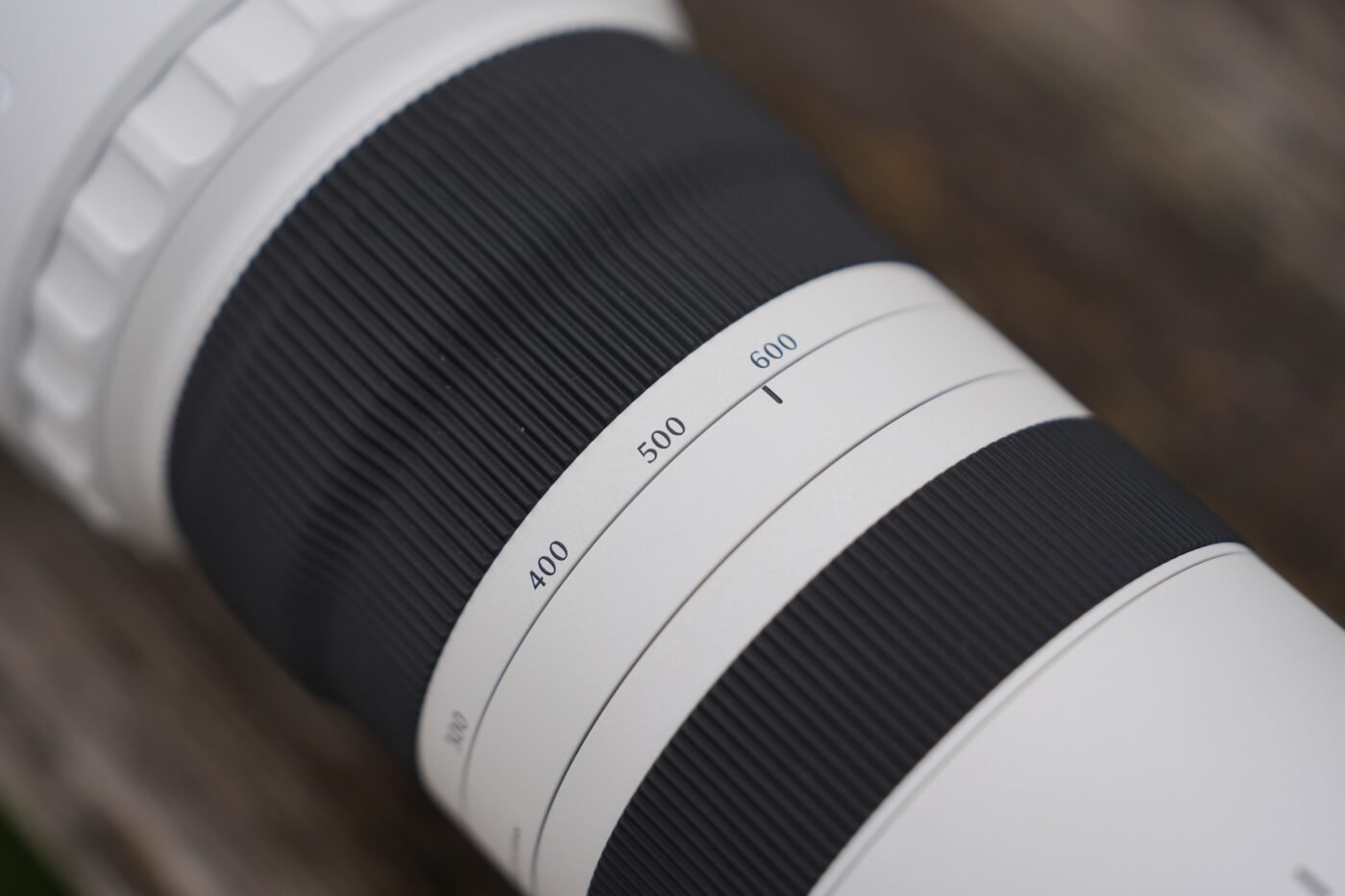
The zoom ring throw is fairly short, and going from 300 to 600 mm is quite easy, requiring no wrist twisting. As on Sony’s “big whites,” it is complemented by a function ring – which can be configured via a switch + SET button combination. You can assign it the Power Focus function, for smoother focus transitions during video.
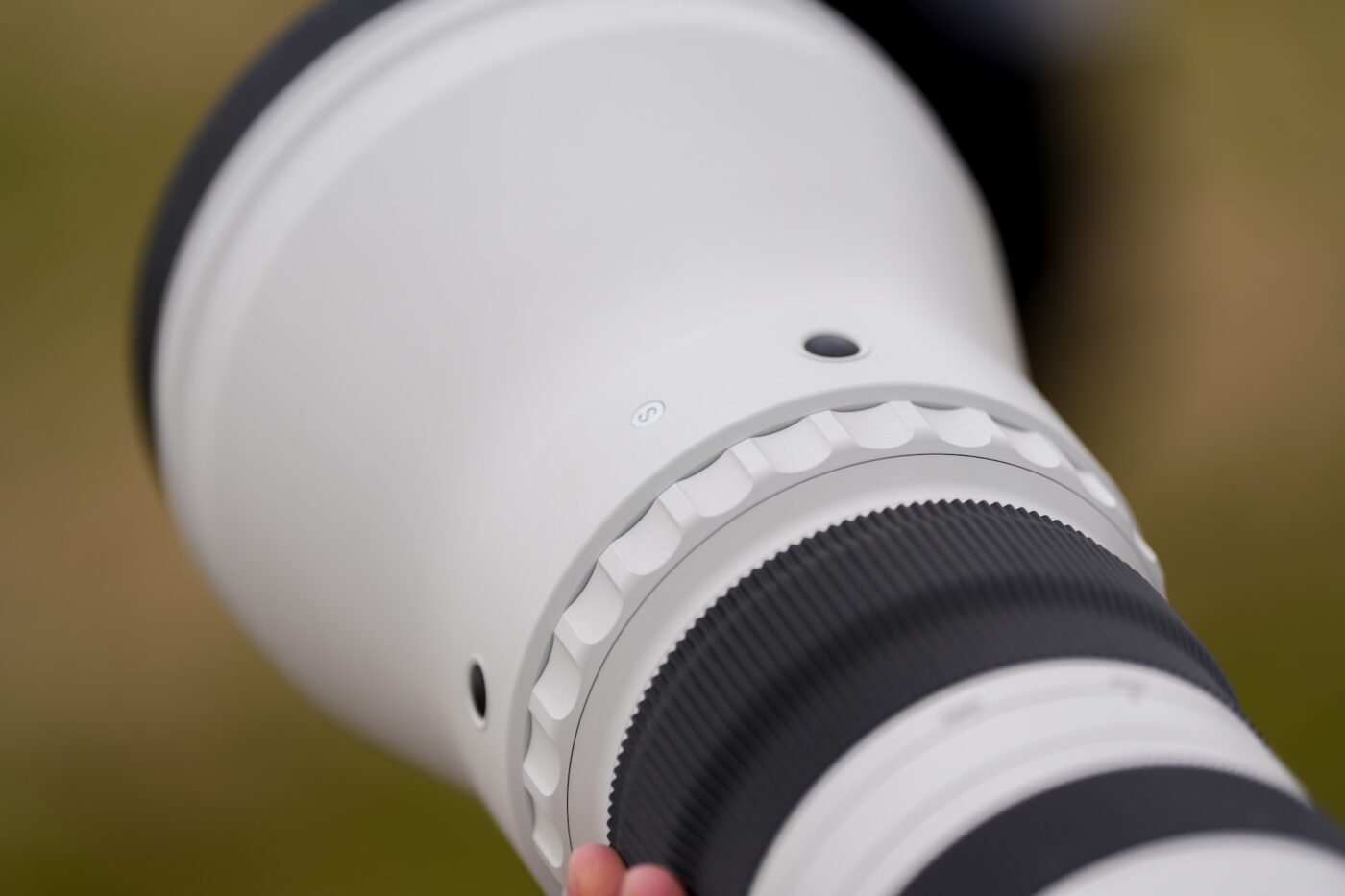
The rotating tripod collar is non-removable (though the foot plate itself can be unscrewed and is Arca Swiss-compatible), making it easy to switch between landscape and portrait orientation. The rotation can be either smooth or detented. It also includes an anchor point compatible with a Kensington lock to secure the lens.

Due to the large front element, filters are attached via a rear filter holder. It accepts 40.5 mm diameter filters.
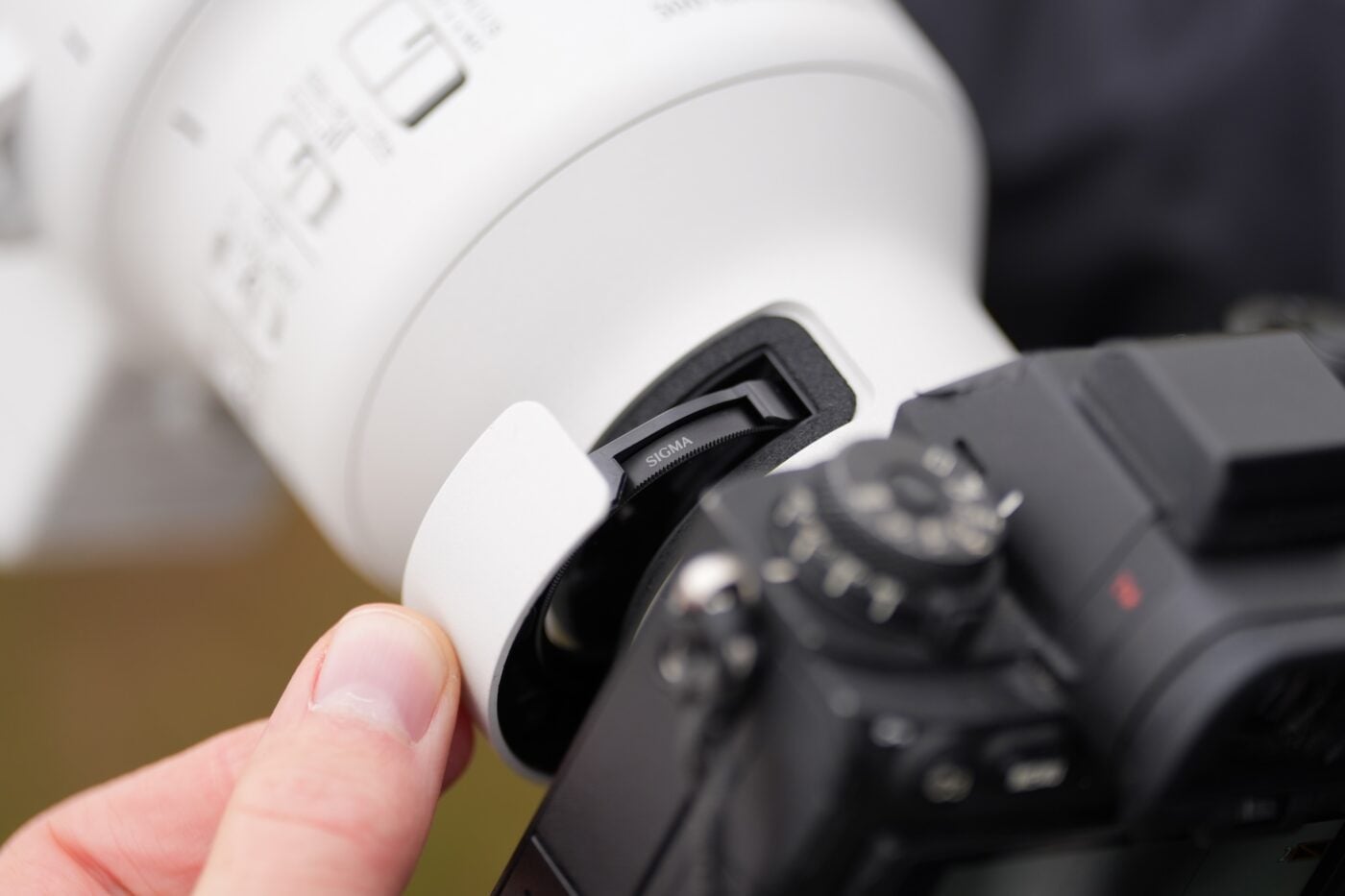
As is often the case with Sigma, the build quality inspires confidence: a robust barrel, precise assembly and weather seals. The zoom is ready for demanding environments – dust, light rain, pitchside conditions. Furthermore, the white finish sets it apart from other Sigma lenses. This is, in fact, the first Sigma lens to feature a white finish. This colour, which improves heat dissipation in direct sunlight, is also instinctively associated with “professional” lenses in the collective imagination.
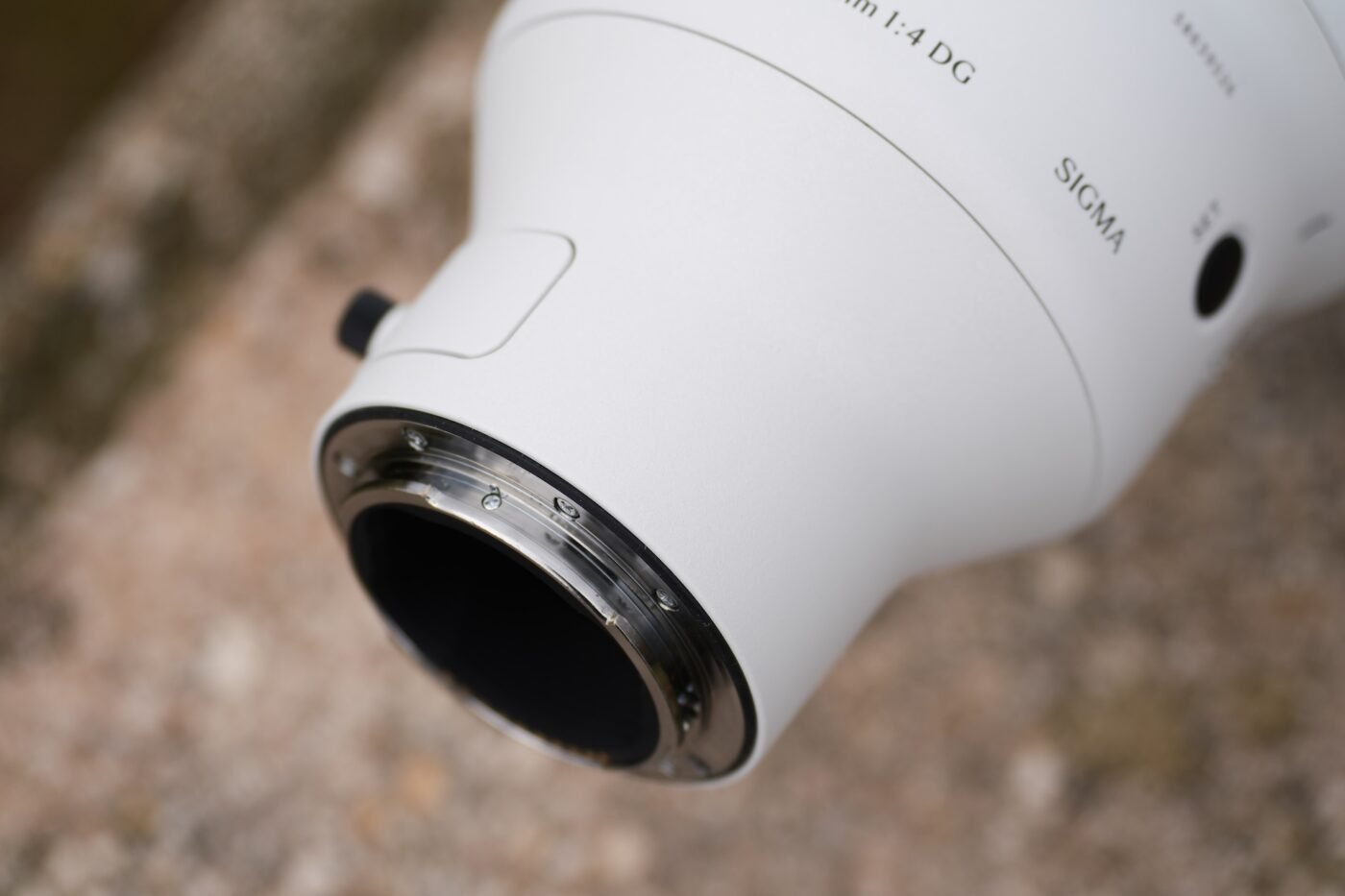
Between this white livery and the choice of certain controls (such as the Power Focus ring), you could almost believe you are holding a Sony lens.
Image quality
We were able to try this Sigma zoom during the 2025 edition of the Montier-en-Der festival. We paired it with the Sony A1 mirrorless camera, which features a 50 MP stacked full-frame sensor – ideally suited for wildlife and sports photography.
Feel free to click on each image to view it at full quality.



At 300 mm and wide open at f/4, sharpness is already very high, even on the dense files from the A1. The centre is excellent, with well-maintained edges. At 600 mm, the centre remains very strong; the edges show a slight drop-off, but nothing that would realistically affect sports or wildlife use.
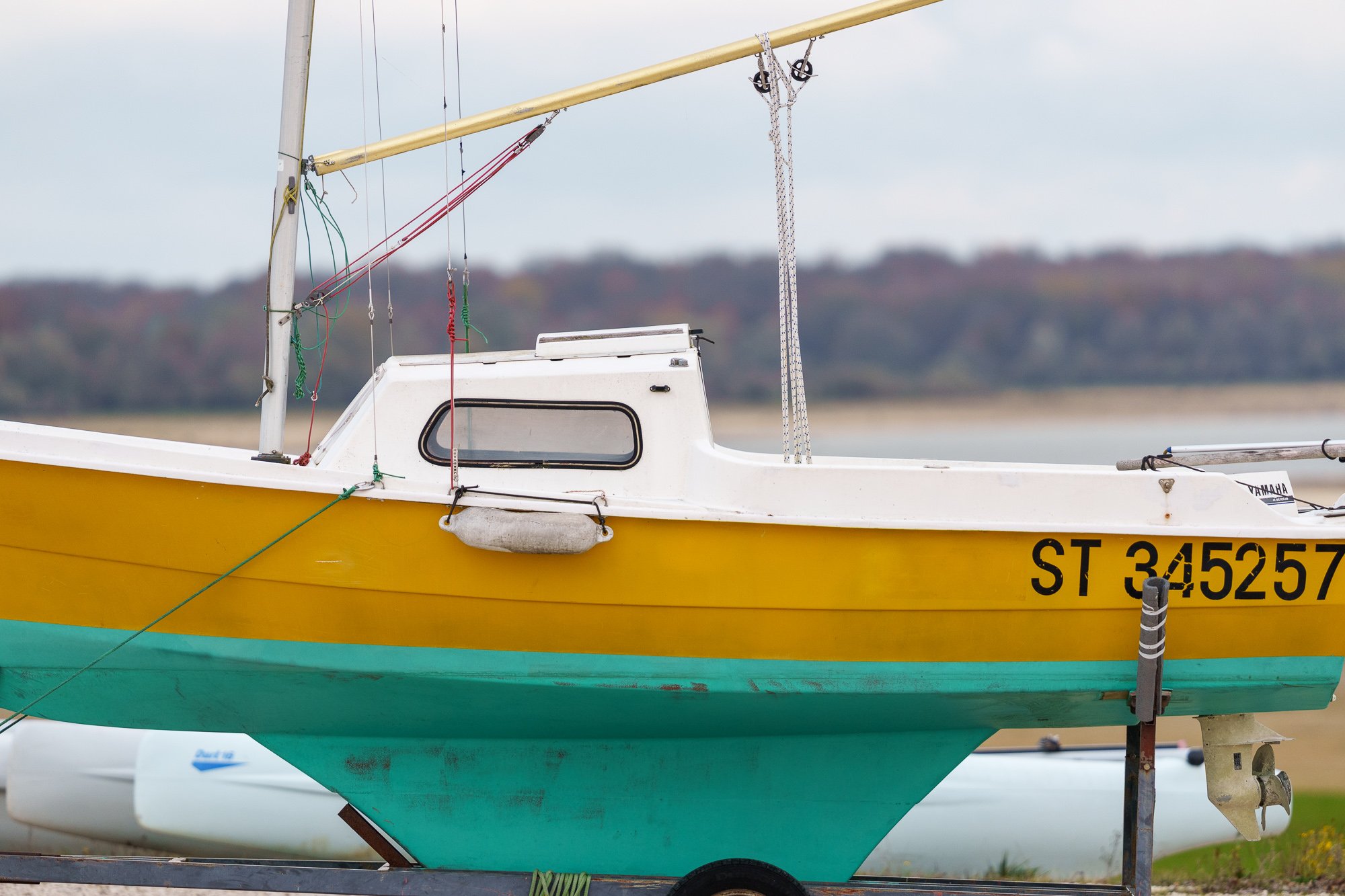
Of course, with a lens of this type, there will be few reasons to stop down the diaphragm. On one hand, this is not an f/1.2 lens, so even at 600 mm the depth of field is easily manageable.

On the other hand, to freeze motion and ensure a sharp image, you will tend to favour very fast shutter speeds (1/1000 s or faster), which effectively keeps you at wide-open aperture.

As a result, the optical performance had to be excellent at f/4, and on that front, the Sigma zoom ticks all the boxes and easily rivals the Sony FE 600 mm f/4 GM OSS – we can even say it surpasses it. The more recent optical design clearly shows its superiority here.
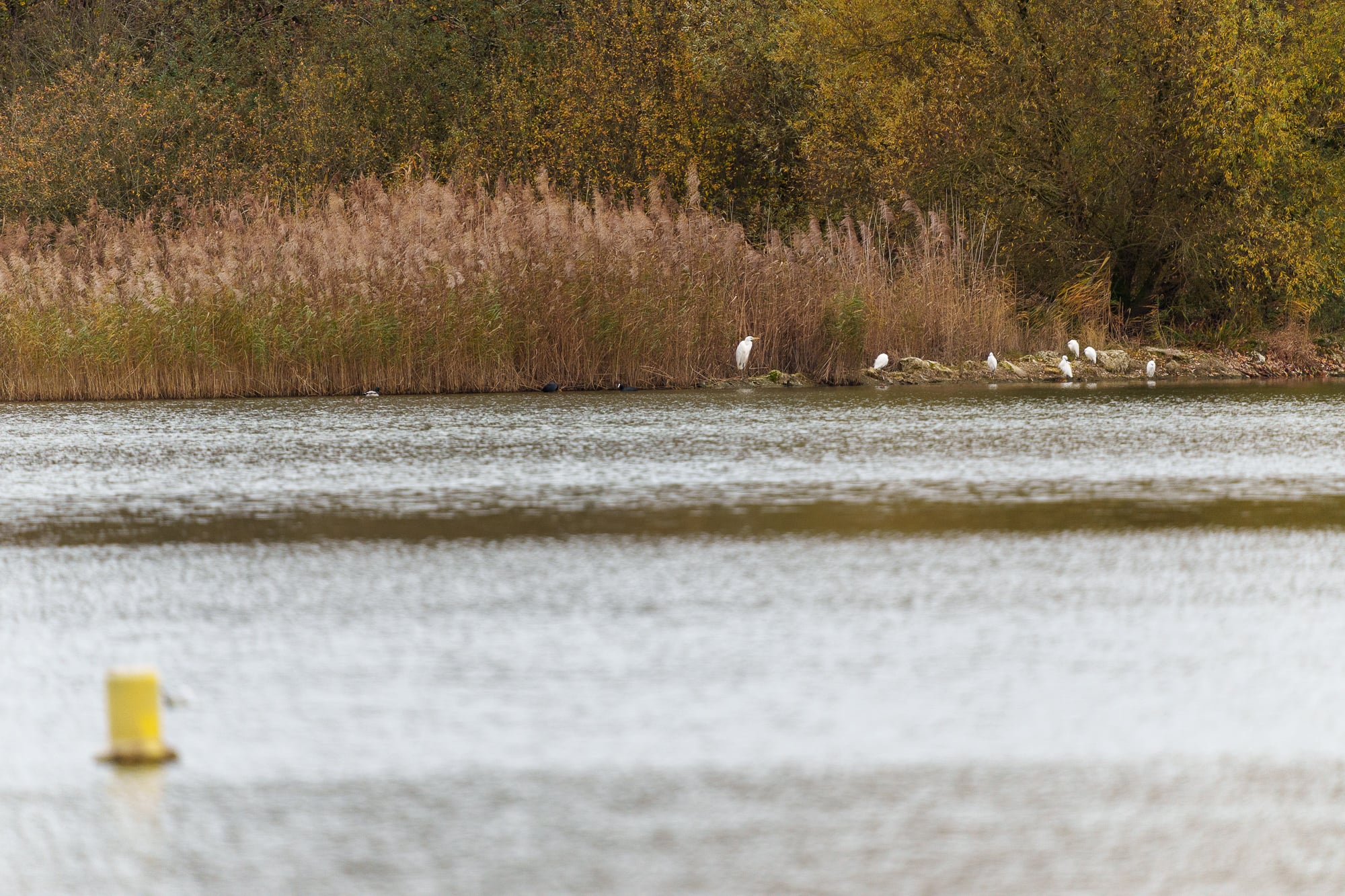
The lens also delivers a neutral rendering, well-controlled contrast, and faithful colour reproduction. Between this optical construction and the very high-resolution 50 MP sensor, it is a pleasure to crop into images and examine every detail. Additionally, the lens coatings effectively reduce chromatic aberration.


The 13-blade diaphragm produces a smooth, pleasant and even bokeh. The f/4 aperture does separate the subject from the background, though it cannot match the shallow depth of field of a 400 mm f/2.8. Against complex or close backgrounds, the separation is somewhat less pronounced.


The constant f/4 aperture ensures good versatility. The zoom remains usable in challenging lighting conditions without requiring excessively high ISO values. However, when light fades significantly, a very high-resolution sensor combined with this f/4 aperture will inevitably produce noisy images. Fortunately, during our hands-on session, the weather was fairly mild and lighting conditions more than decent.
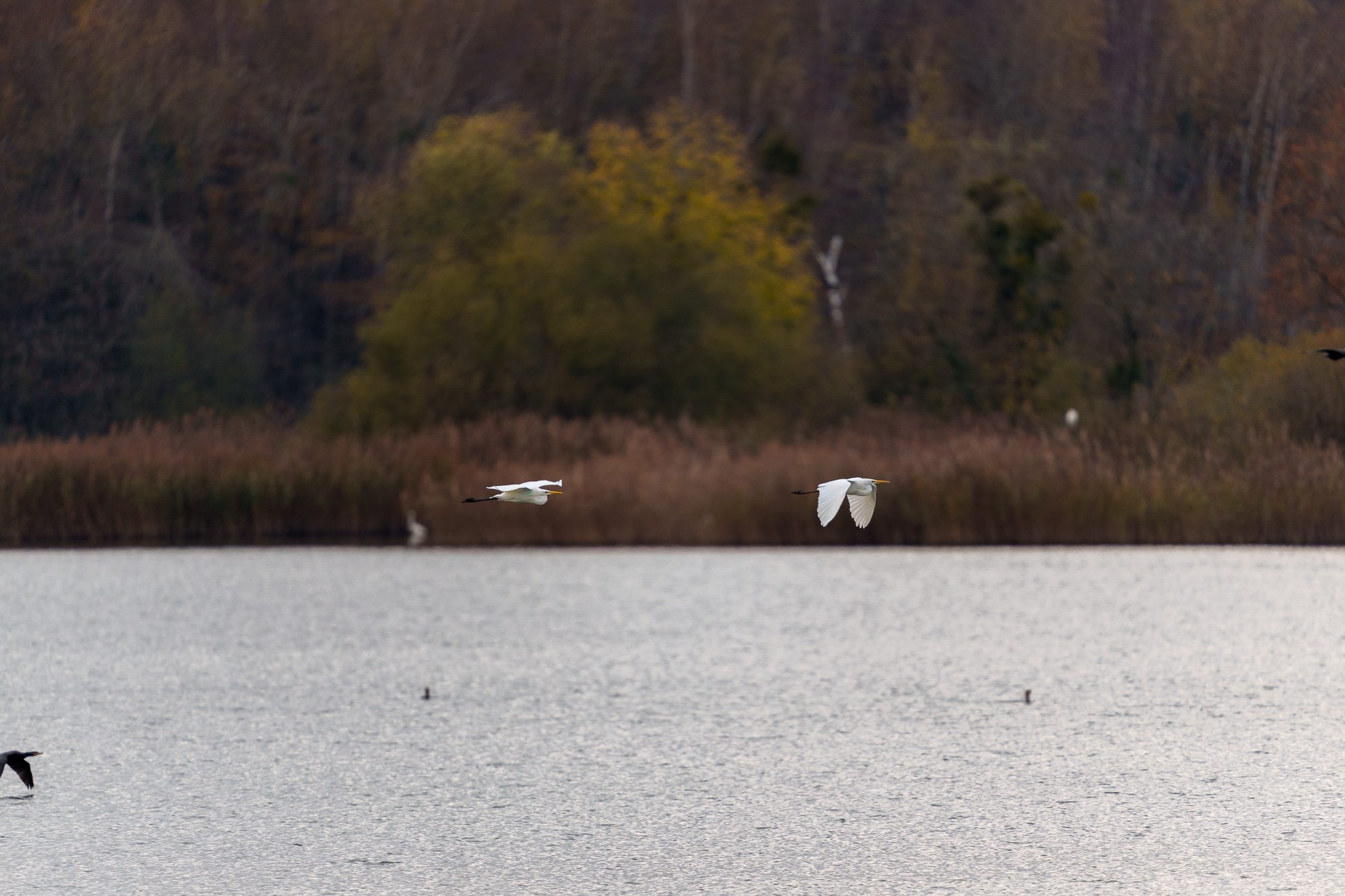
The 300-600 mm zoom range provides more than welcome versatility and allows you to reach fairly distant subjects, even if… you always want more!
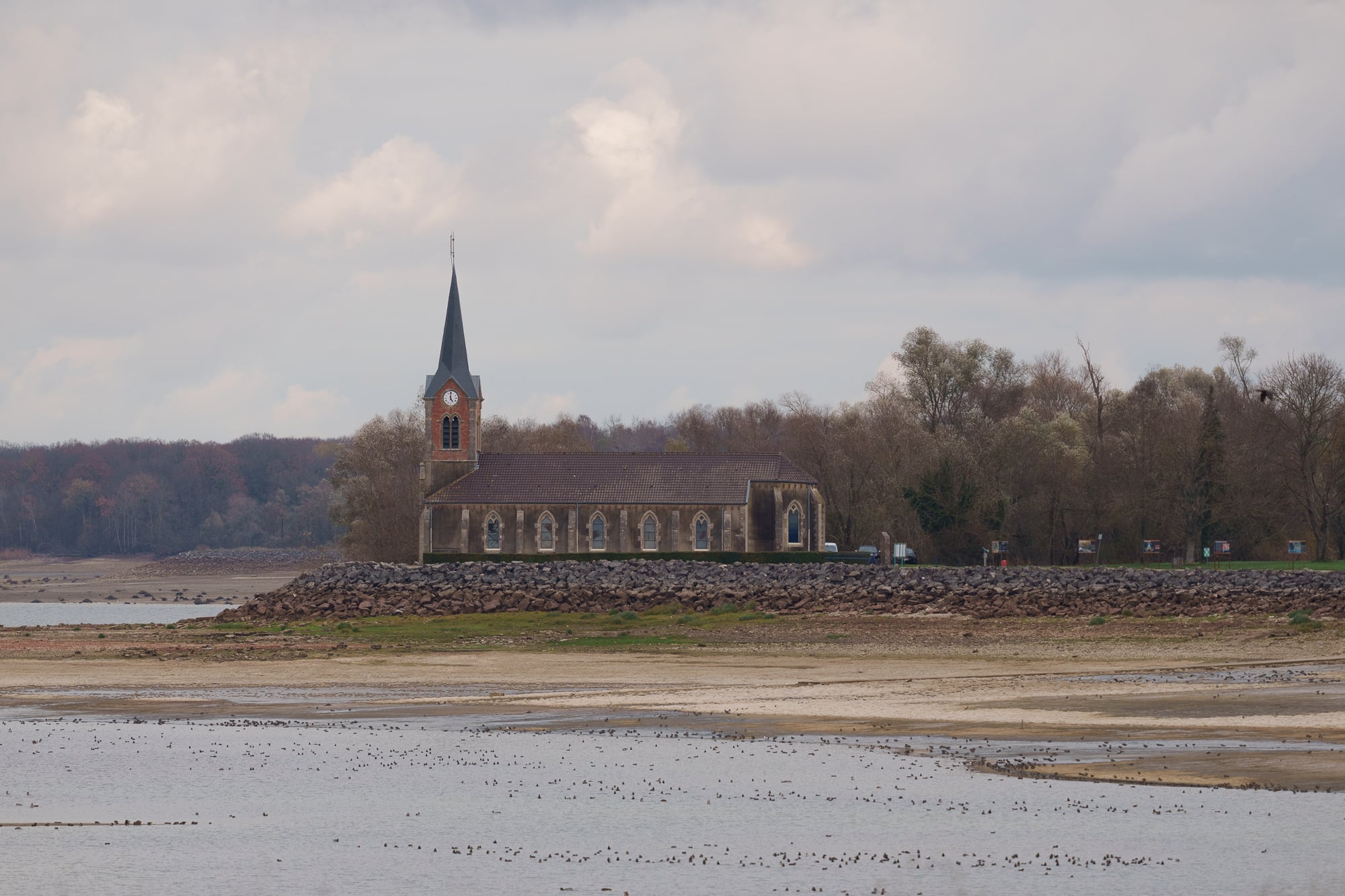
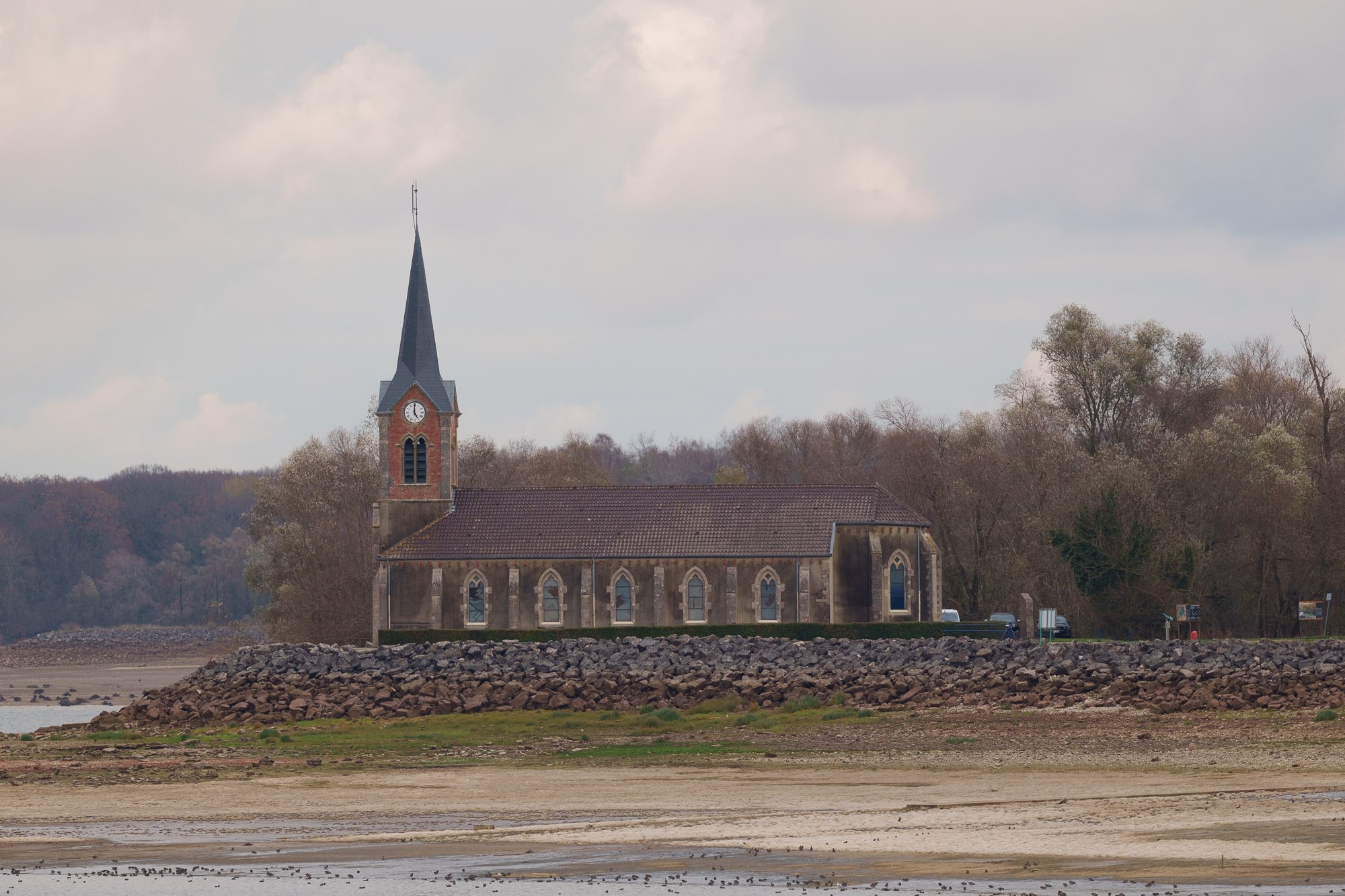

Stabilisation
The stabilisation provides genuine assistance. At 600 mm, it effectively compensates for micro-vibrations. For a zoom in this class, the stabilisation proves invaluable, particularly when tracking subjects. The fairly fast shutter speeds we used certainly helped, and this is something we will need to verify during a more thorough test.

Autofocus
Paired with the Sony A1, Sigma’s HLA autofocus performs very well: fast acquisition, stable tracking, and effective compatibility with the camera’s detection modes, even though these are not as advanced as those of more recent bodies (A1 II, A9 III, etc.).

The zoom correctly tracks fast-moving subjects. Only the most extremely fast subjects – such as birds in erratic flight – may reveal some limitations compared to high-end telephoto primes. The ability to zoom, and especially to zoom out, makes it fairly easy to reacquire a subject.

The only real limitation concerns burst rate. With a Sony body, the zoom will never exceed 15 fps (far from the 30 fps of the A1 and even the 120 fps of the A9 III). This will prevent memory cards from filling up too quickly, but for those wanting to break down an action as much as possible, or simply to make the most of the lens-body combination’s capabilities, this will be somewhat frustrating.

With L-mount cameras, however, there are no such issues. The zoom can easily handle the 40 fps of the Lumix S1R II and even the 70 fps of the S1 II! Overall, the Sigma 300-600 mm f/4 offers thoroughly satisfactory responsiveness for professional use.
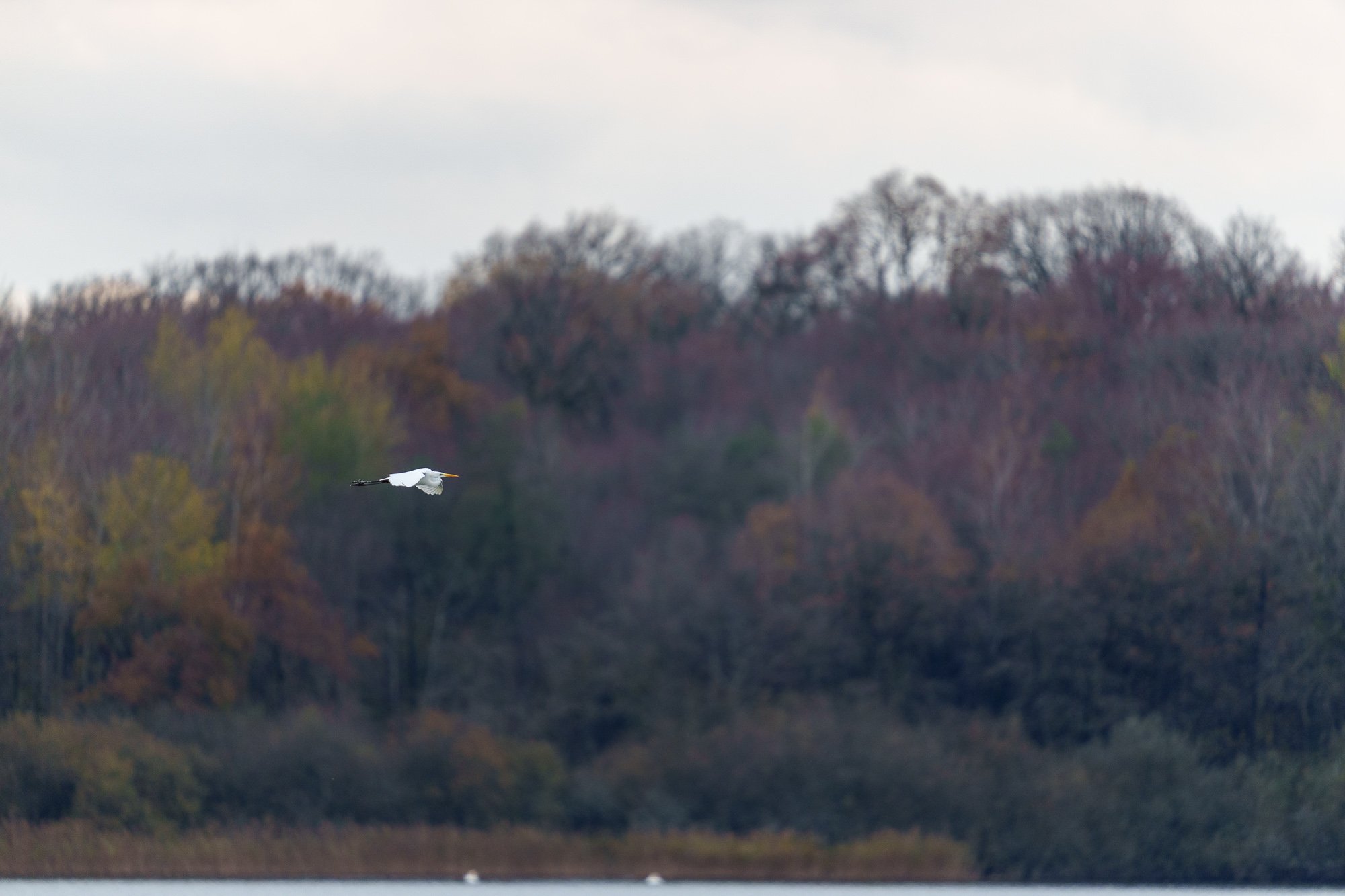
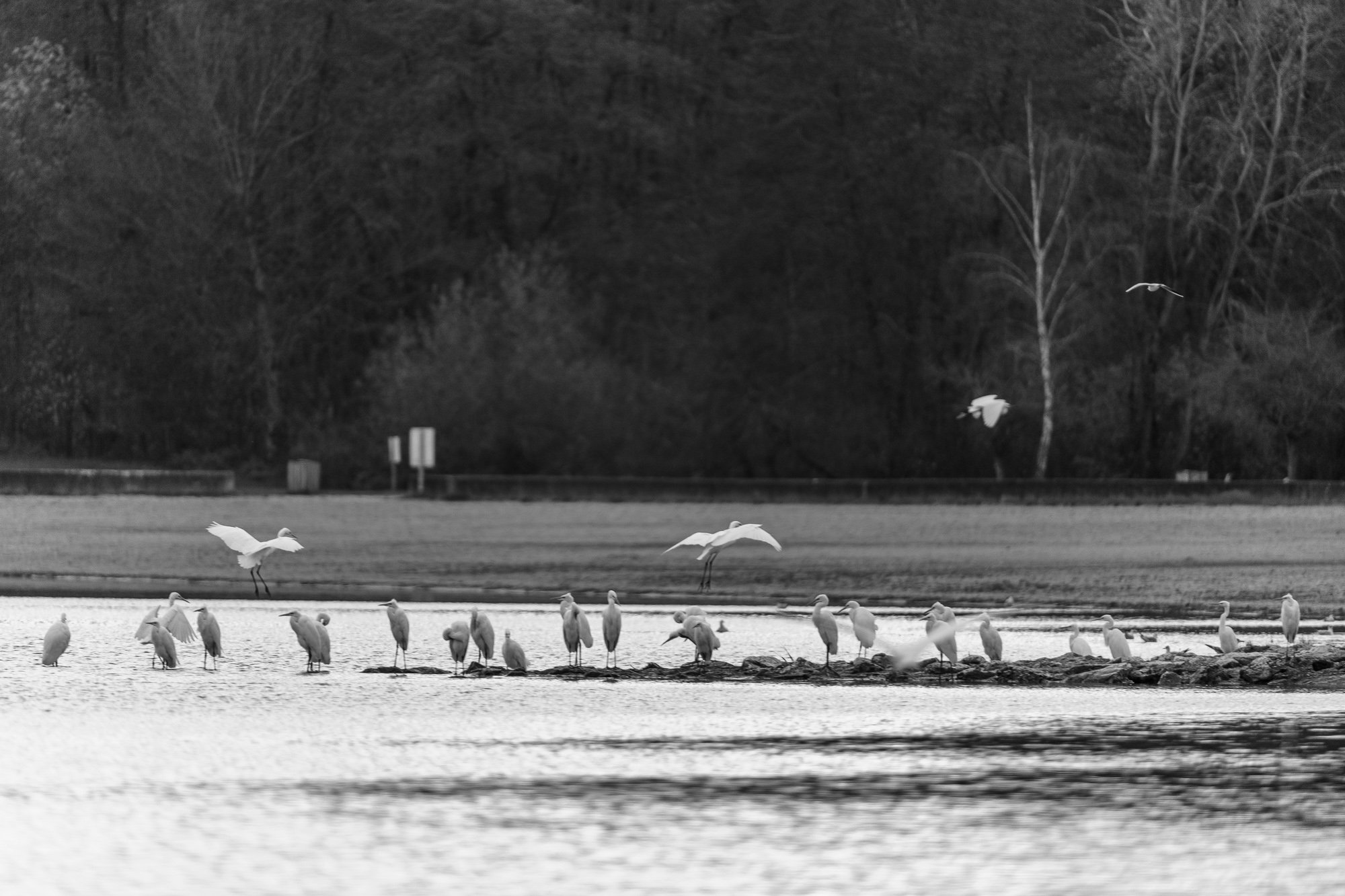
Below is a selection of images captured with the Sigma 300-600 mm f/4 DG OS Sports:






Price and availability
The Sigma 300-600 mm f/4 DG OS Sports is available in E-mount and L-mount, at a price of $6,599.
You can find this super telephoto zoom at B&H.
Our verdict on the Sigma 300-600 mm f/4 DG OS Sports
The Sigma 300-600 mm f/4 DG OS Sports is an ambitious tool, designed for action and wildlife photographers seeking a versatile alternative to telephoto primes. Its extended focal range, constant aperture and fast autofocus make it a solid companion for sports and wildlife photography.
It takes full advantage of the autofocus capabilities of modern camera bodies. Its significant weight remains the main constraint, making a monopod or tripod virtually essential for long sessions – but you cannot have it all. Even its admittedly steep price tag remains half that of the Sony FE 600 mm f/4 GM OSS, which retains as its “sole” advantage compatibility with the high burst rates of Sony mirrorless bodies.
For those who prioritise flexibility and reach while demanding serious optical performance, this zoom represents a particularly credible option in the world of super telephoto lenses.