

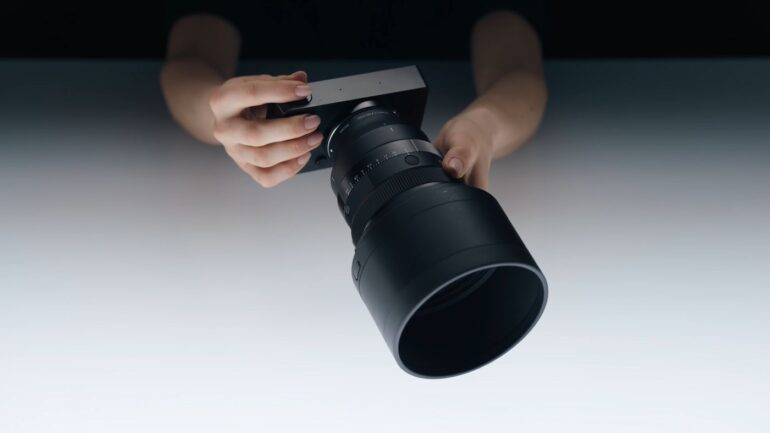

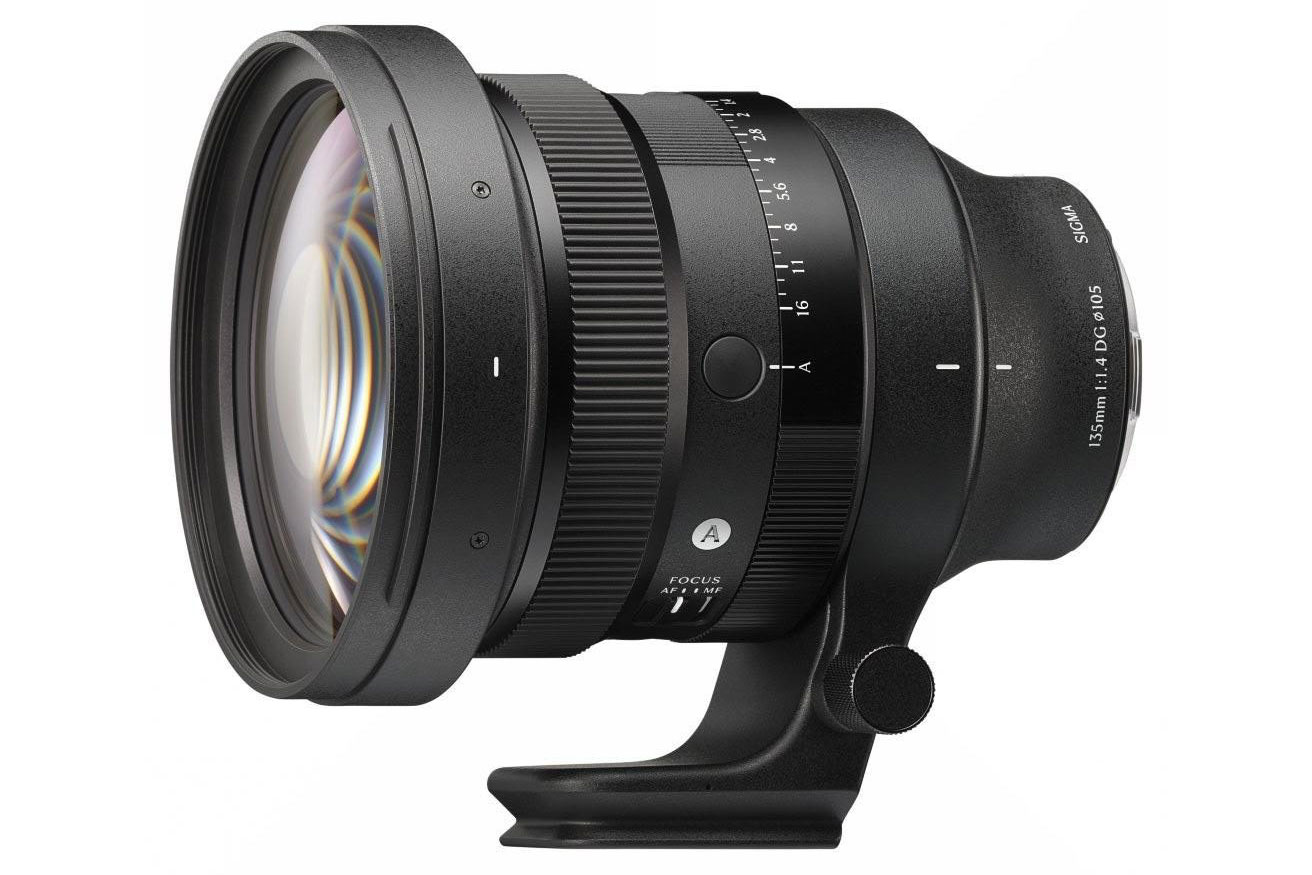
New portrait lens from Sigma. The Japanese lens manufacturer unveils the Sigma 135mm f/1.4 DG Art, a monumental lens that is sure to delight bokeh enthusiasts. Designed for full-frame mirrorless cameras with Sony E and Leica L mounts, this bright and ambitious lens will leave no one indifferent.

Sommaire
The monster
Sigma continues to expand its range of lenses and launches a new, extraordinary lens. Alongside the versatile 20-200mm f/3.5-6.3 DG Contemporary zoom lens and the highly anticipated 35mm f/1.2 DG II Art lens, the Japanese lens manufacturer presents an even more astonishing lens: the Sigma 135mm f/1.4 DG Art.
While the 135 mm focal length is a classic for portrait photography, this very bright f/1.4 aperture is more unusual. In fact, an f/1.8 aperture is usually preferred. Sigma therefore offered a 135 mm f/1.8 DG HSM Art lens.
Until now, the f/1.4 aperture has been reserved for shorter focal lengths, mainly for reasons of size. In fact, the lens manufacturer still sells the excellent 85mm f/1.4 DG DN Art lens, and has also brought its 105mm f/1.4 DG HSM Art lens, which was already impressive at the time, to the hybrid market.
A 135 mm lens with an f/1.4 aperture is therefore very rare. To our knowledge, there were only two models available until now: the Leica Summilux-C 135 mm T1.4, a cinema lens that retails for around €35,000 to €45,000! The other model is a Zhongyi Mitakon SpeedMaster 135 mm f/1.4. In both cases, the lenses do not have autofocus, which further highlights the performance of Sigma’s lens.
With its 135 mm f/1.4 lens, the company aims to offer portrait specialists an uncompromising experience. The idea is to combine the rendering of the 135 mm lens, with its compression of the background and perspectives, with an f/1.4 aperture offering unparalleled bokeh.
Here is a list of the features of the Sigma 135mm f/1.4 DG Art:
- focal length: 135 mm (202 mm in APS-C)
- lens for sensor: full frame
- maximum aperture: f/1.4
- minimum aperture: f/16
- field of view: 18.2°
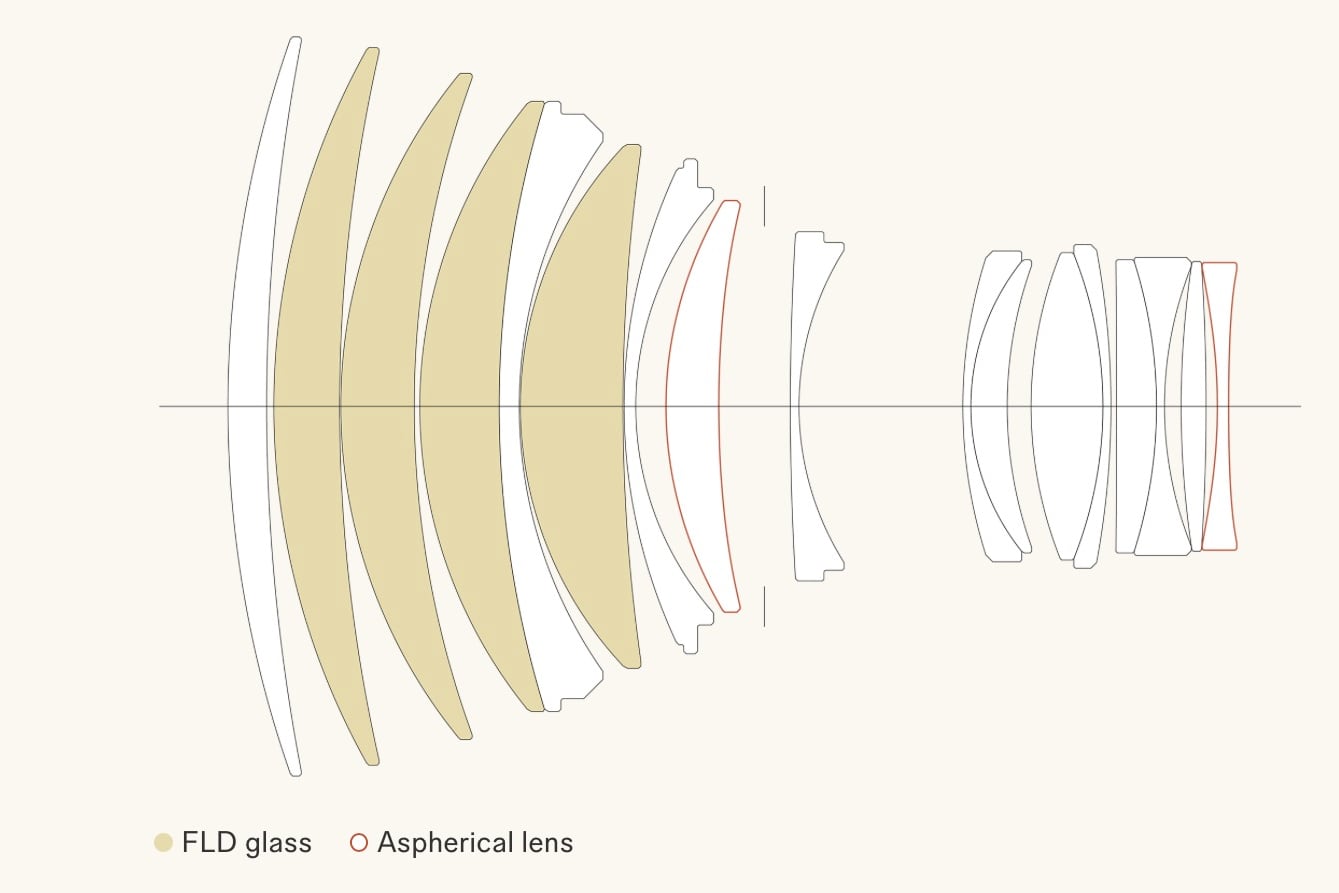
- Optical construction: 17 elements in 13 groups (including 4 FLD lenses and 2 aspherical lenses)
- diaphragm: circular, 13 blades
- minimum focusing distance: 110 cm
- image stabilization: N/A
- tropicalization: moisture- and dust-resistant construction
- Maximum magnification: 0.14x
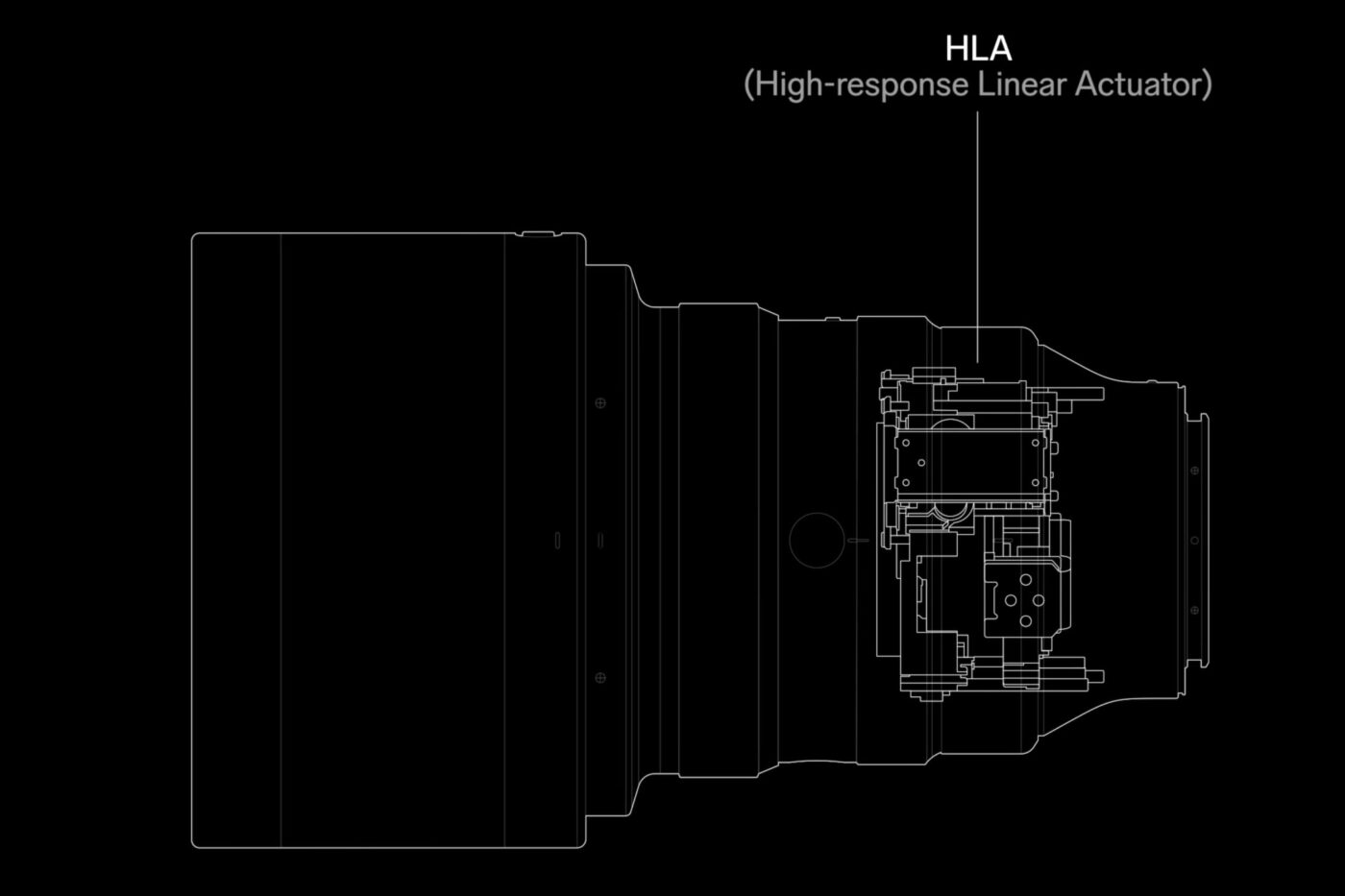
- Focus: autofocus, HLA linear motor
- filter diameter: ø 105 mm
- dimensions: ø 111.7 x 135.5 mm
- weight: 1430 g
- accessories included: lens hood, front and rear caps, lens collar
- Compatible mount: E mount and L mount
- launch price: $1,899
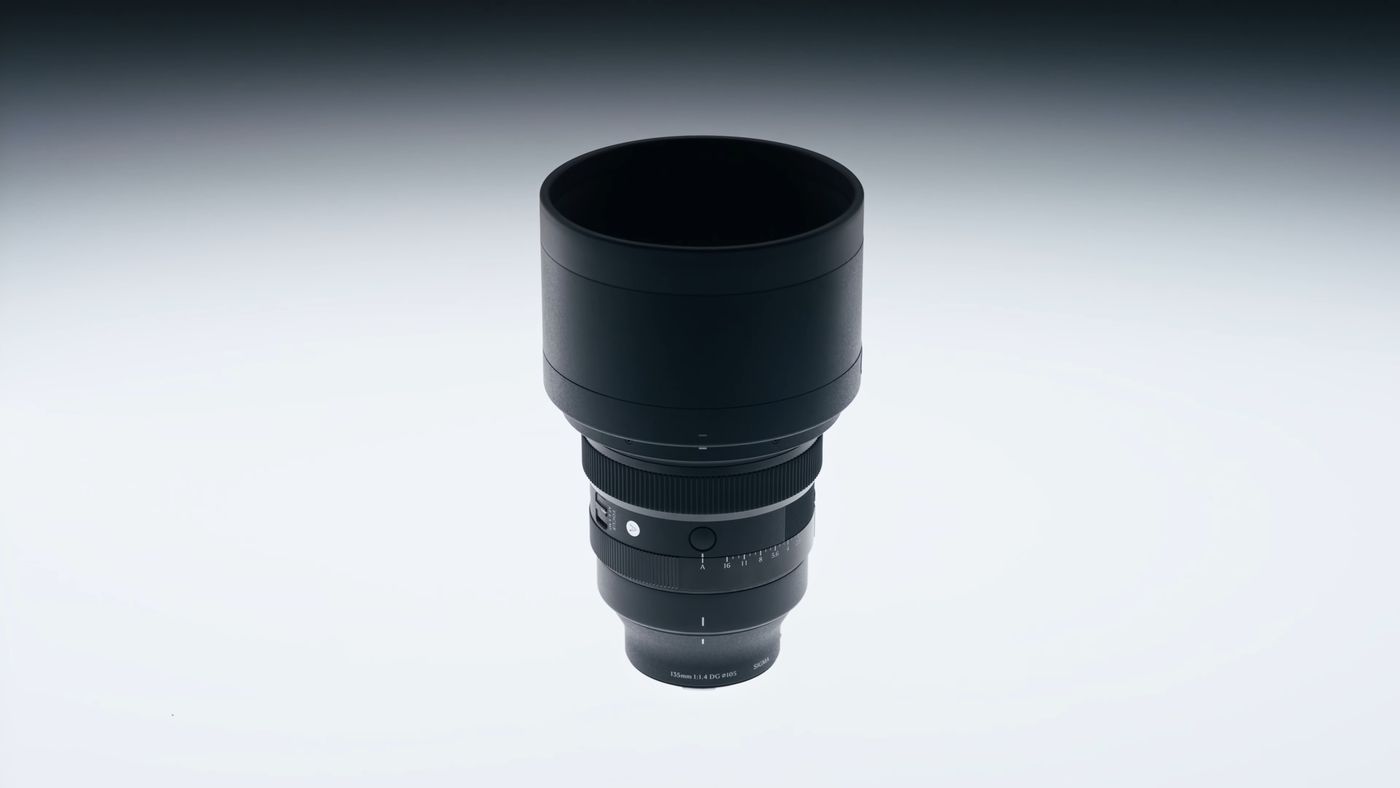
An optical formula that lives up to the beast’s ambitions
Seeking to maximize sharpness, reduce aberrations, and limit vignetting, the Sigma 135mm f/1.4 DG Art relies on 17 lenses divided into 13 groups (including 4 FLD lenses and 2 aspherical lenses).
The f/1.4 aperture is provided by a 13-blade circular diaphragm, ensuring smooth transitions between the plane of focus and the background, as well as a particularly silky bokeh.
The minimum focusing distance is 110 cm, and the magnification ratio is 0.14x. Bringing small subjects into focus may be less easy than with a more “traditional” lens. In terms of autofocus, it features a dual HLA (High-response Linear Actuator) motor, which is found in most of Sigma’s recent telephoto lenses.
Unsurprisingly, given its focal length and optical design, this Sigma 135mm lens does not feature optical stabilization, so you will have to rely on the internal stabilization of the camera body. In this regard, it should be noted that only Canon offers optical stabilization with this type of lens, with the RF 135mm f/1.8 L IS USM.
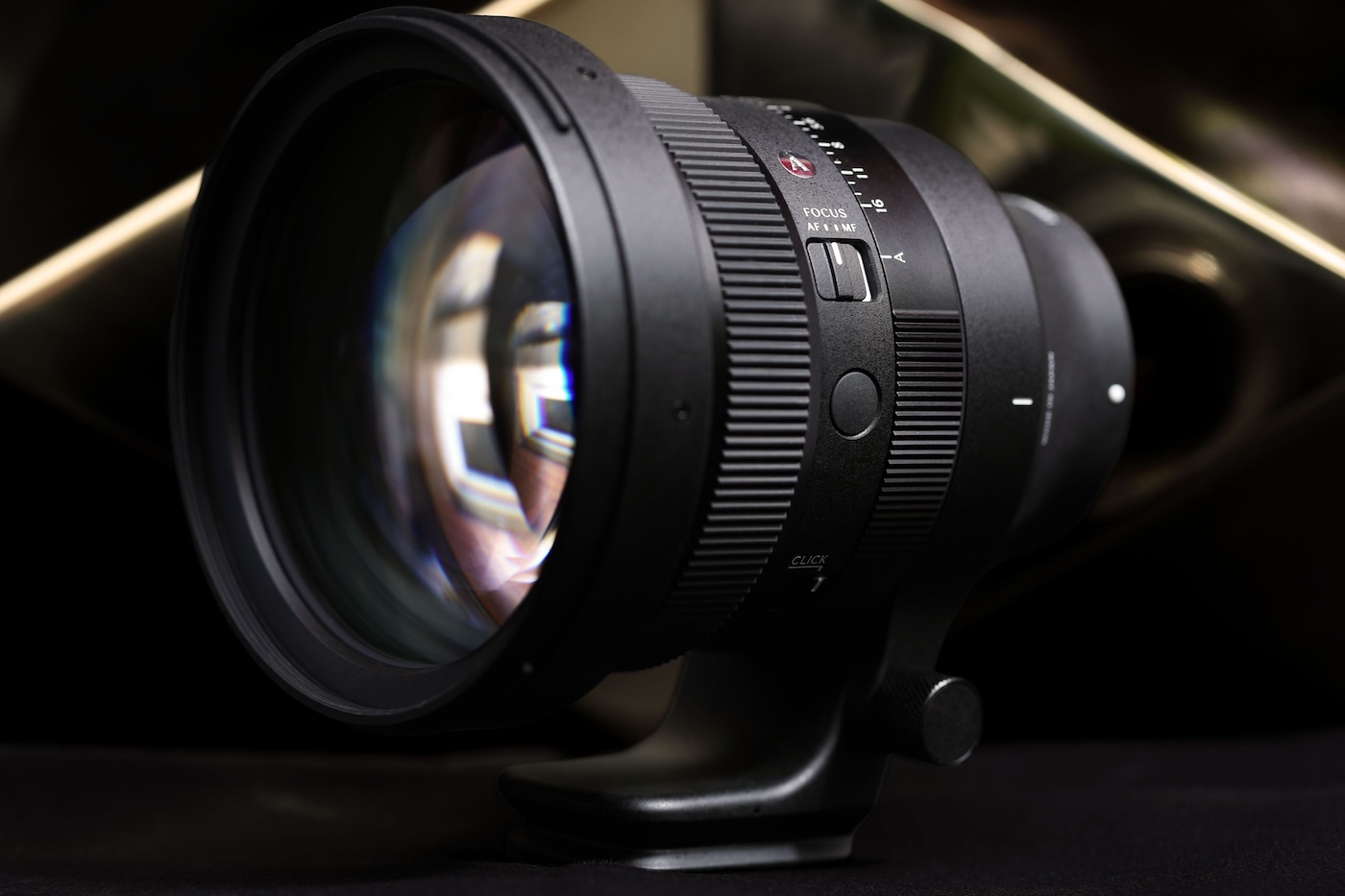
The classic ergonomics of an Art lens and a fairly compact size
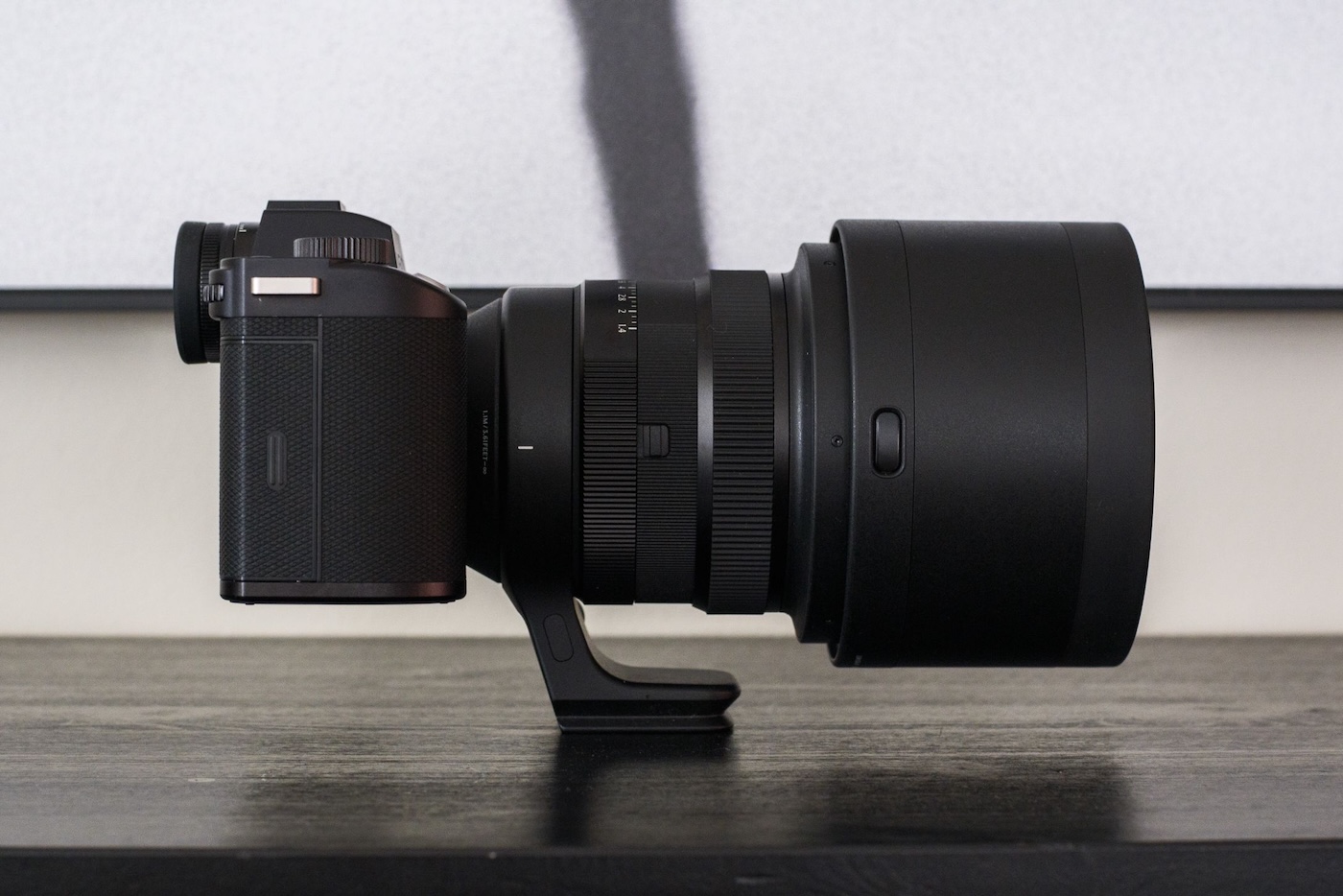
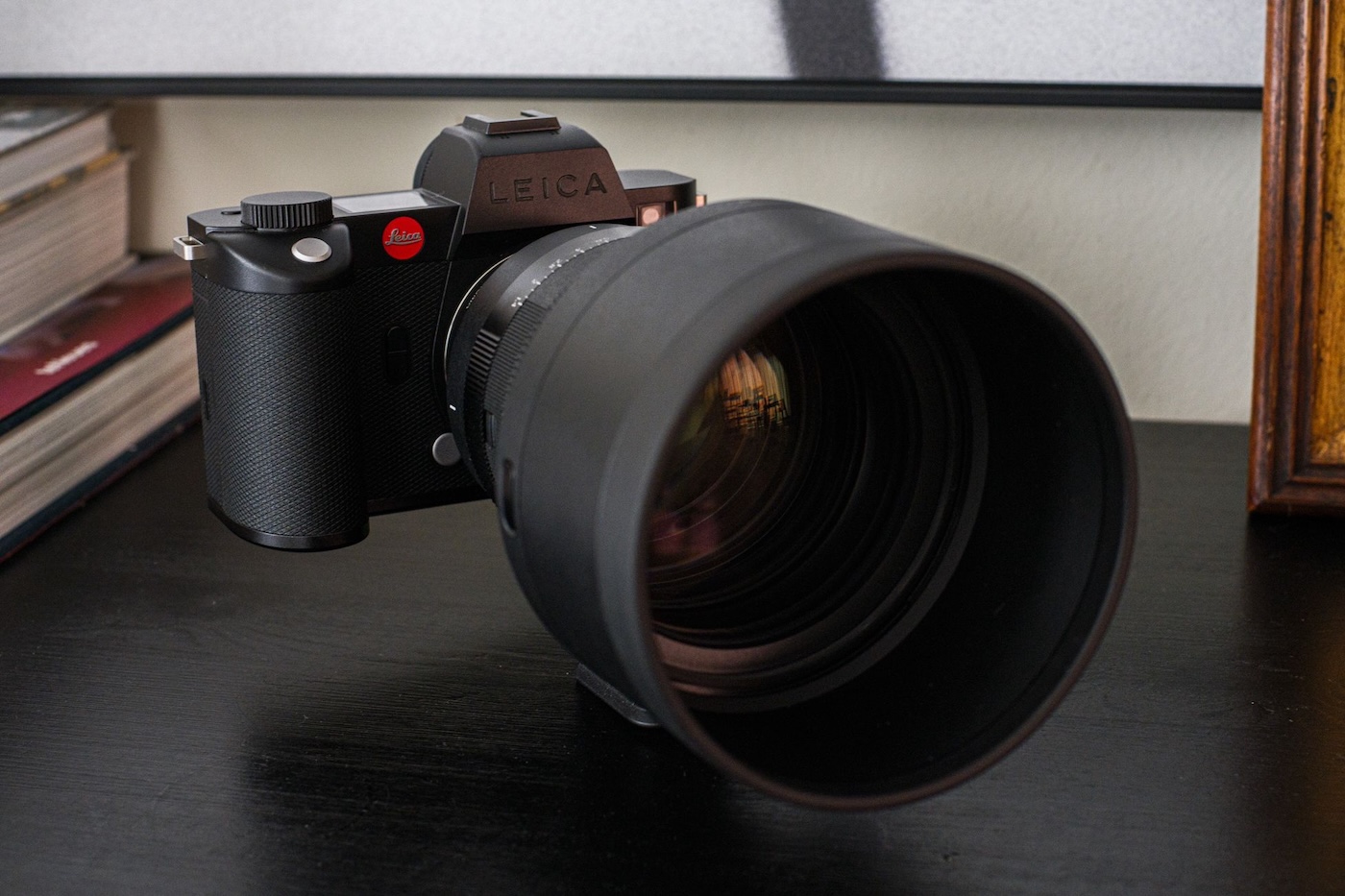
In terms of size, the Sigma 135mm f/1.4 DG Art is quite imposing. With a length of 13 cm and a maximum diameter of 11 cm, it immediately stands out when mounted on a camera body.
Its weight of 1.43 kg is consistent with its large aperture and number of lenses. It is roughly the same size as Sigma’s 105 mm, but weighs significantly less (400 g less). It is almost identical to the Viltrox 135 mm f/1.8 LAB, although it is much less bright.
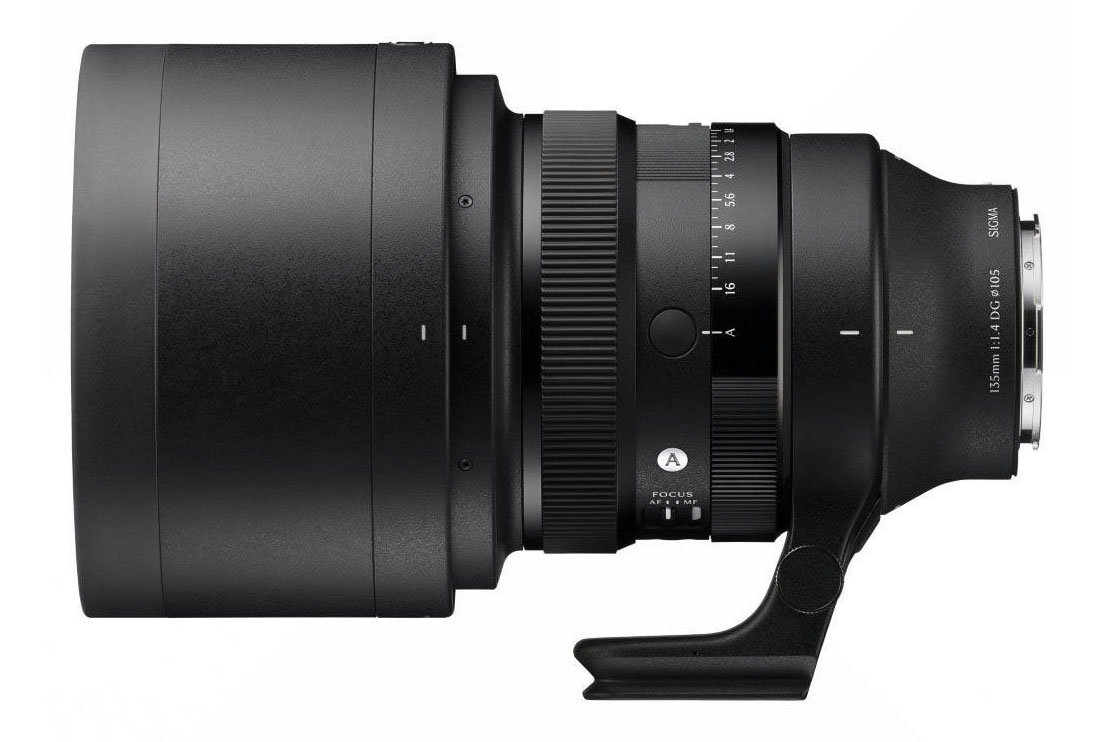
The front is dominated by a large front lens, capable of accommodating a circular filter with a diameter of 105 mm—a substantial size, but again consistent with the characteristics of this ultra-bright lens.


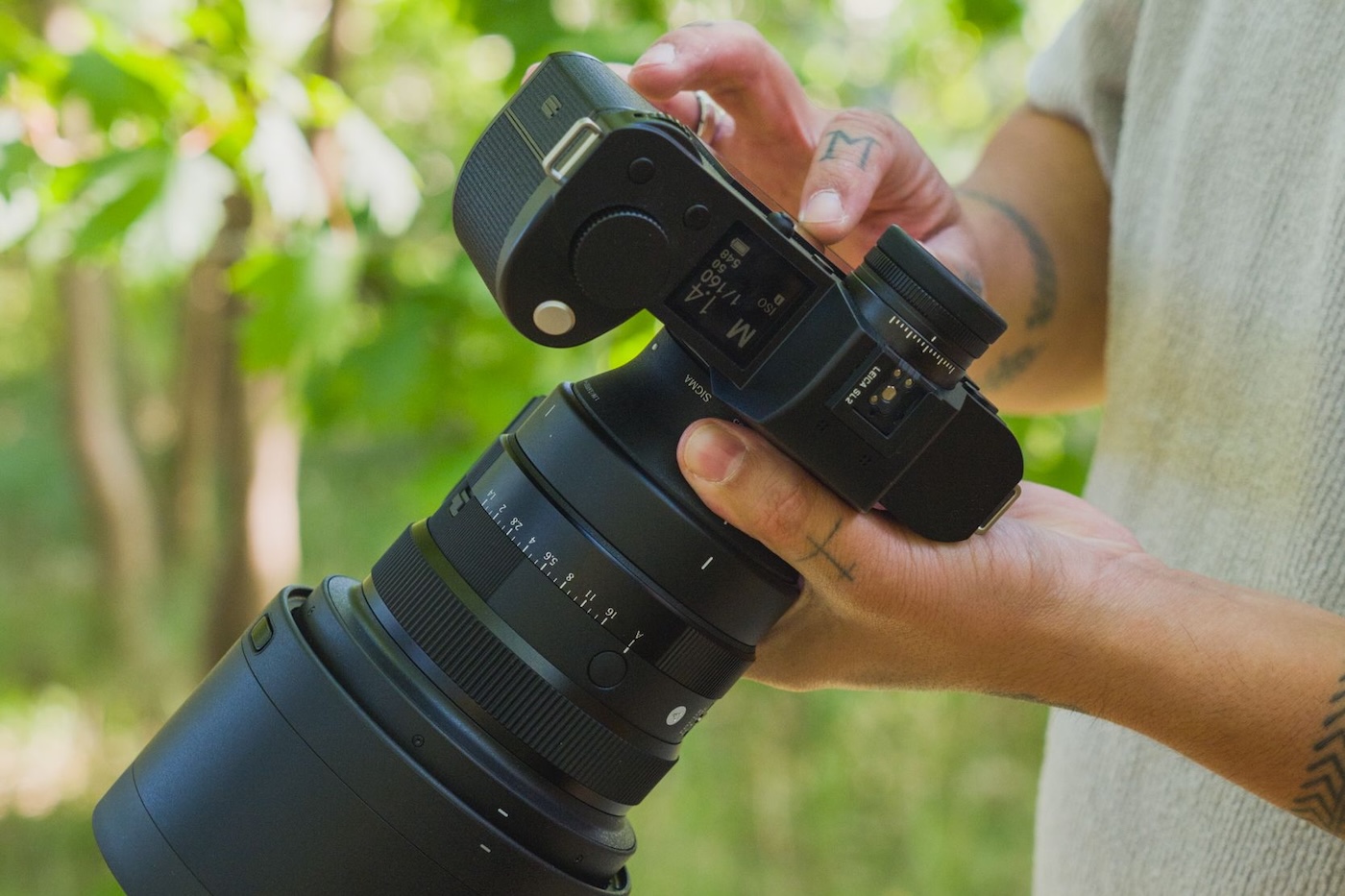
It features the classic controls of an Art lens, with two customizable buttons, an AF/MF switch, and a diaphragm ring that can be de-clicked if necessary, in addition to the focus ring. What’s more, to make studio work easier, this 135 mm lens also comes with a tripod collar with an Arca Swiss-compatible base.
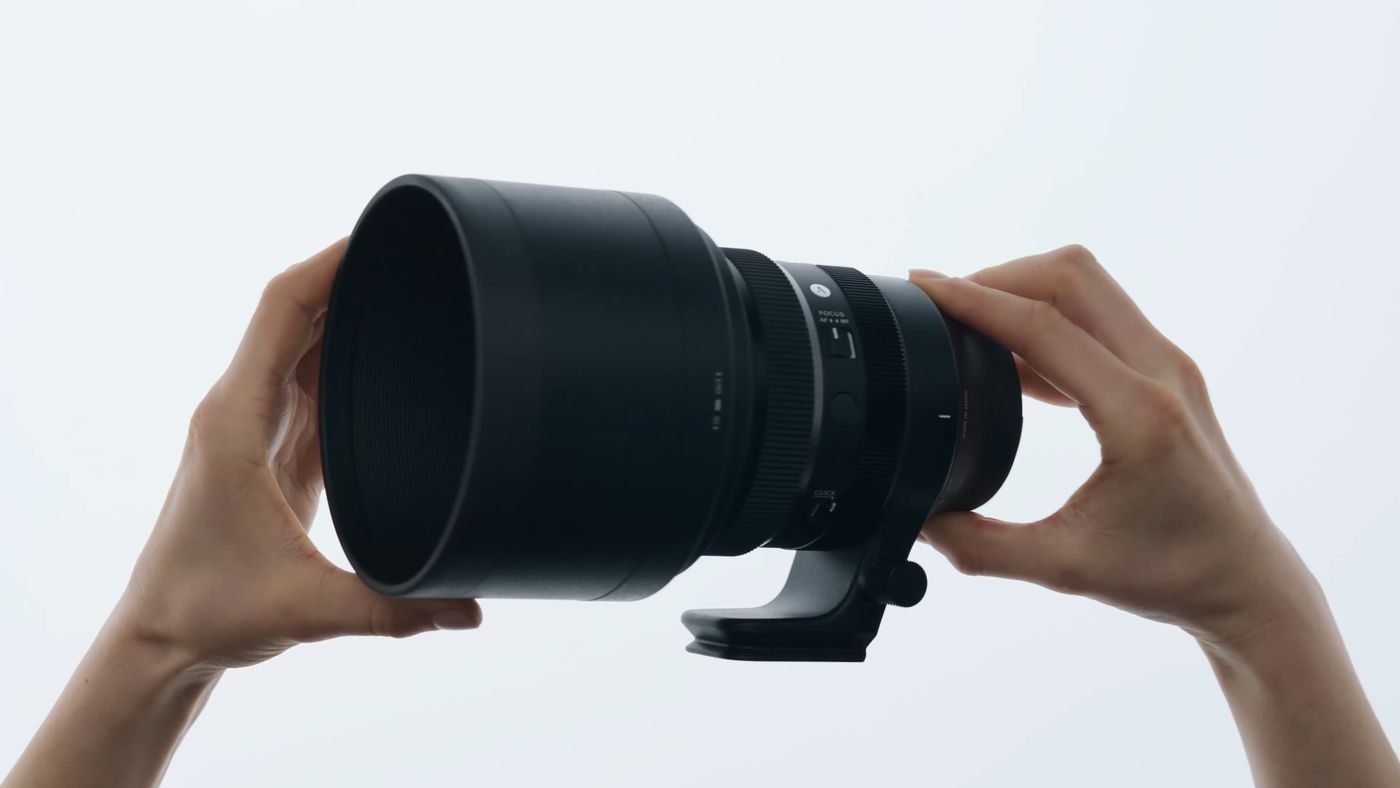
Finally, the lens is designed to be dust and splash resistant, while the front lens has an oleophobic coating that makes it easy to clean.
Below is a selection of photos captured with the Sigma 135mm f/1.4 DG Art (provided by the brand):







Price and availability of the Sigma 135mm f/1.4 DG Art
The Sigma 135mm f/1.4 DG Art is available for pre-order at a price of $1,899. Deliveries are expected to begin on September 23. It is available with Sony E and L-Mount.
You can find this lens at B&H and Amazon.
Our first impressions of the Sigma 135mm f/1.4 DG Art
Sigma has struck (very) hard and undoubtedly delivers the most attractive portrait lens currently available. Despite having a more conventional focal length than its 200 mm f/2 DG Sports lens, this 135 mm lens offers an ultra-bright aperture that will delight fans of (very) pronounced bokeh.
This is certainly an ambitious lens, but one that seems to offer everything you would expect from an Art series lens, both in terms of finish and optical performance. Are we witnessing the birth of a new benchmark for portrait photography? It’s a legitimate question.