

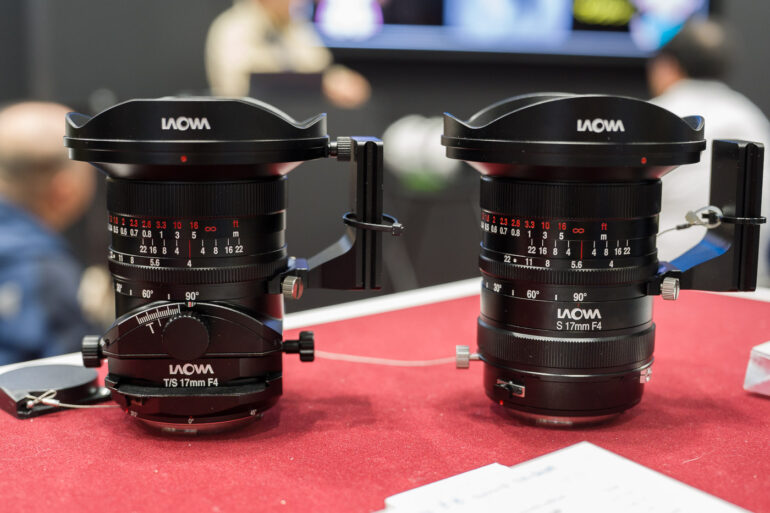

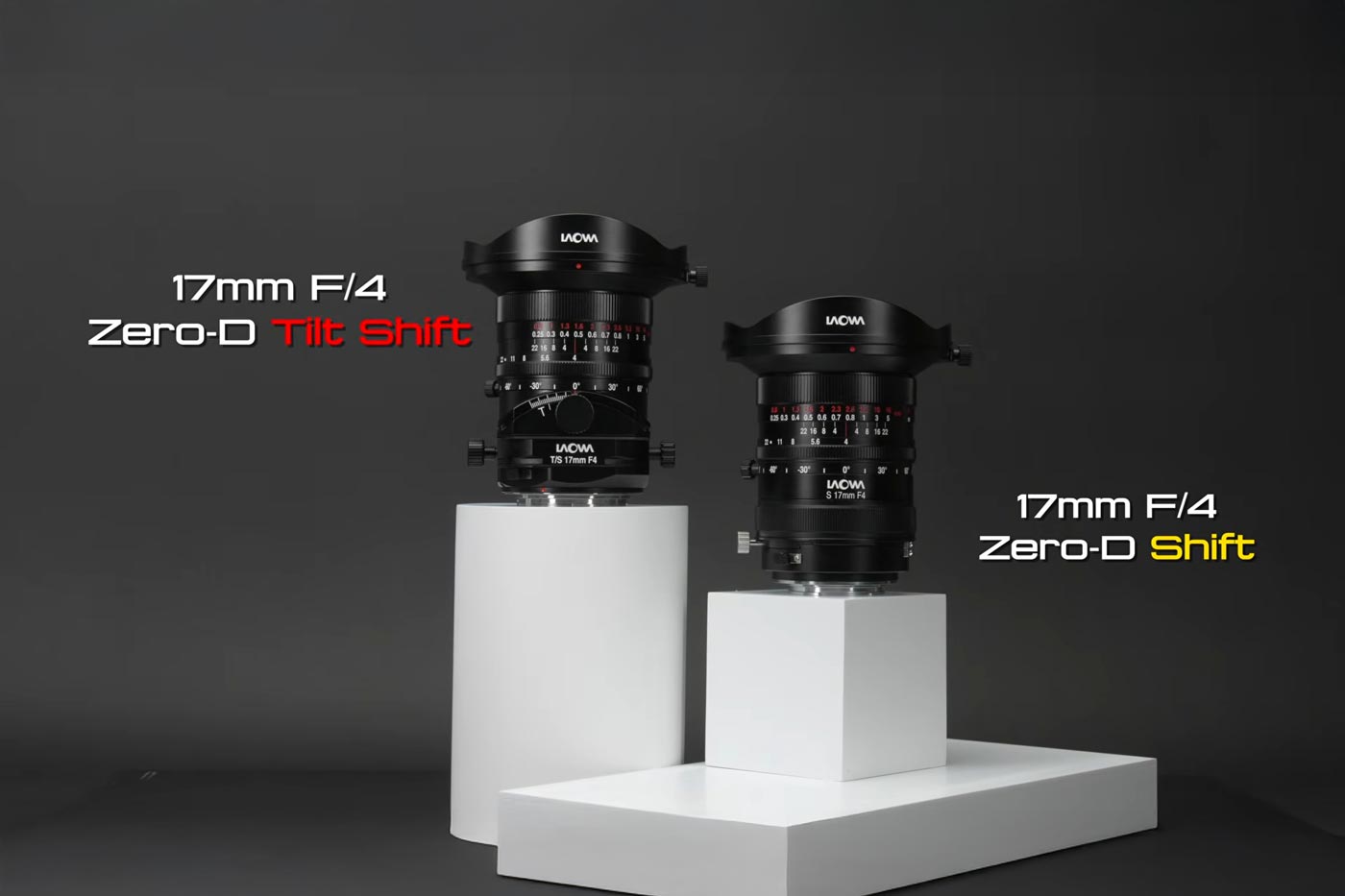
Venus Optics continues to expand its range of specialized lenses. The Chinese manufacturer is launching two new lenses for full frame and medium format mirrorless cameras: the Laowa 17 mm f/4 Zero-D Tilt-Shift and its Shift variant. These ultra wide-angle lenses promise total perspective control with near-zero distortion.


Sommaire
Laowa completes its ultra wide-angle architecture trio
After launching several 15 mm, 20 mm and, more recently, tilt macro lenses, Laowa rounds out its lineup with this 17 mm f/4 Zero-D. Available in two versions, one offering shift only and the other adding tilt (Tilt-Shift), this lens is primarily aimed at architecture, interior and landscape photographers. Both lenses were showcased at CP+ 2026 on the Laowa booth, where we had the chance to go hands-on.

Be careful not to confuse it with the older Laowa 17 mm f/4 Zero-D. That wide-angle lens lacks any Tilt-Shift capability and is only available for Fujifilm medium format mirrorless cameras.


The Laowa 17 mm f/4 Zero-D Tilt-Shift offers ±12 mm of shift and ±10° of tilt. The Shift version, which is lighter and more compact, is limited to ±11 mm of shift. On medium format sensors (Fujifilm GFX and Hasselblad XCD), shift is reduced to ±8 mm to avoid vignetting.

Here is the full list of specifications for the Laowa 17 mm f/4 Zero-D Tilt-Shift / Shift:
- focal length: 17 mm (equiv. 13.5 mm on medium format)
- lens for full frame and medium format sensors
- aperture range: f/4 – f/22
- angle of view: 104°
- optical construction: 18 elements in 12 groups (including 2 aspherical elements, 4 ED elements and 5 UHR elements)
- diaphragm: 14 blades
- minimum focusing distance: 25 cm
- tilt: ±10° (TS) – N/A (Shift)
- shift: ±12 mm (TS) – ±11 mm (Shift)
- maximum magnification: 0.13x
- focusing: manual
- image stabilization: No
- weather sealing: N/C
- dimensions: 93 x 111 mm
- weight: 810 g (Tilt-Shift version) / 770 g (Shift version)
- mounts: Sony E, Canon RF, Nikon Z, L-mount, Fujifilm G, Hasselblad XCD
- launch price: $1249 (Tilt-Shift) / $999 (Shift)
The “Zero-D” promise
As is often the case with Laowa, these lenses carry the Zero-D (Zero Distortion) label. The optical formula, made up of 18 elements in 12 groups (including 5 ultra-high refractive index glasses and 4 ED glasses), is designed to eliminate distortion straight out of the camera, a crucial advantage for architectural photography.
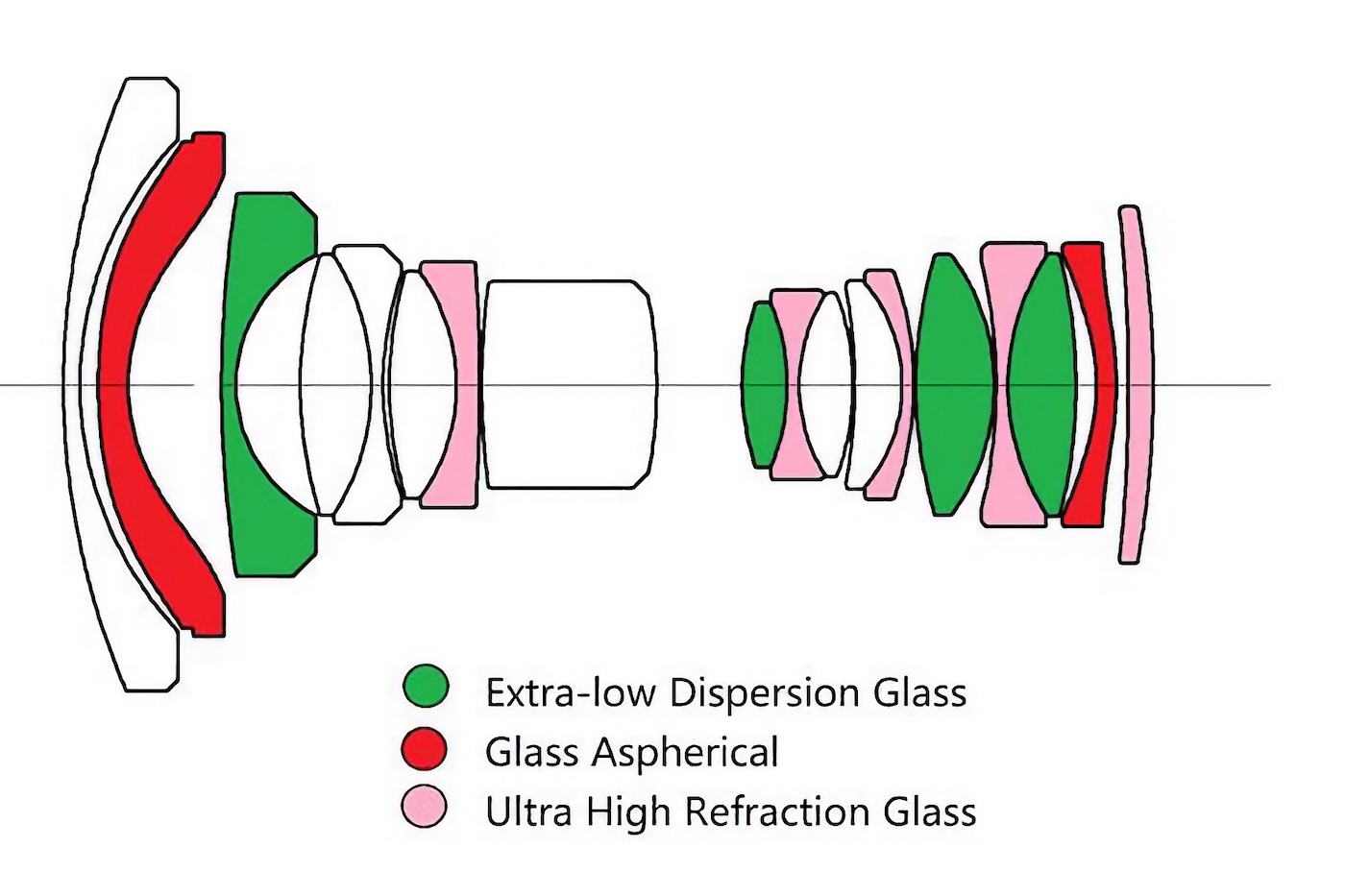
The 14-blade diaphragm should deliver smooth bokeh transitions and well-defined sunstars.
Nearly compact for a tilt-shift lens
In terms of size, both lenses are quite similar, measuring 11 cm long and 9.3 cm in diameter. Only weight sets them apart: 810 g for the Tilt-Shift variant and 770 g for the Shift variant. While these figures may seem substantial, these 17 mm lenses are actually slightly more compact and lighter than their DSLR or mirrorless equivalents. That said, their all-metal construction and moving mechanisms prevent them from being truly lightweight.
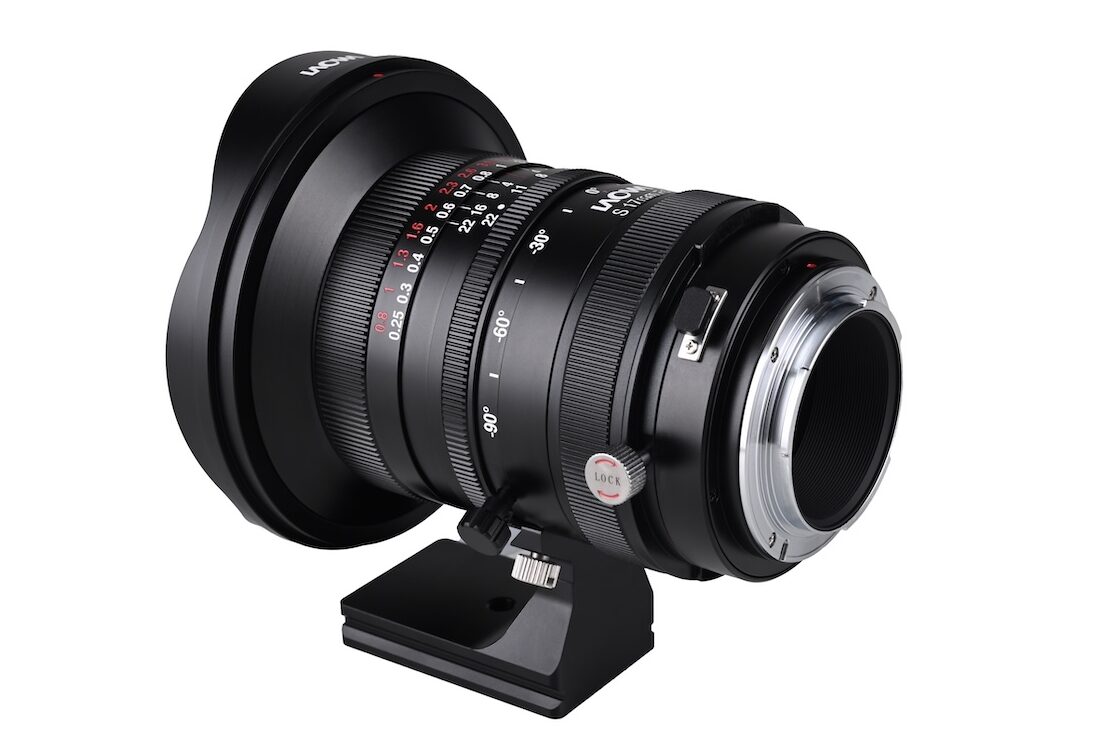
Regarding ergonomics, the lens barrel rotates a full 360° with detents every 15° for easy switching between portrait and landscape orientation. An Arca-Swiss compatible tripod foot is also included as standard for better stability when using large shift movements.

A notable feature: unlike many ultra wide-angle tilt-shift lenses, these 17 mm lenses accept 86 mm screw-on filters, eliminating the need for bulky filter holders.


Note that these lenses are not compatible with certain Panasonic Lumix bodies (S5 II, S5 IIx, S1 II, S1R II and S1 IIE) because their protruding EVF interferes with the shift mechanism.
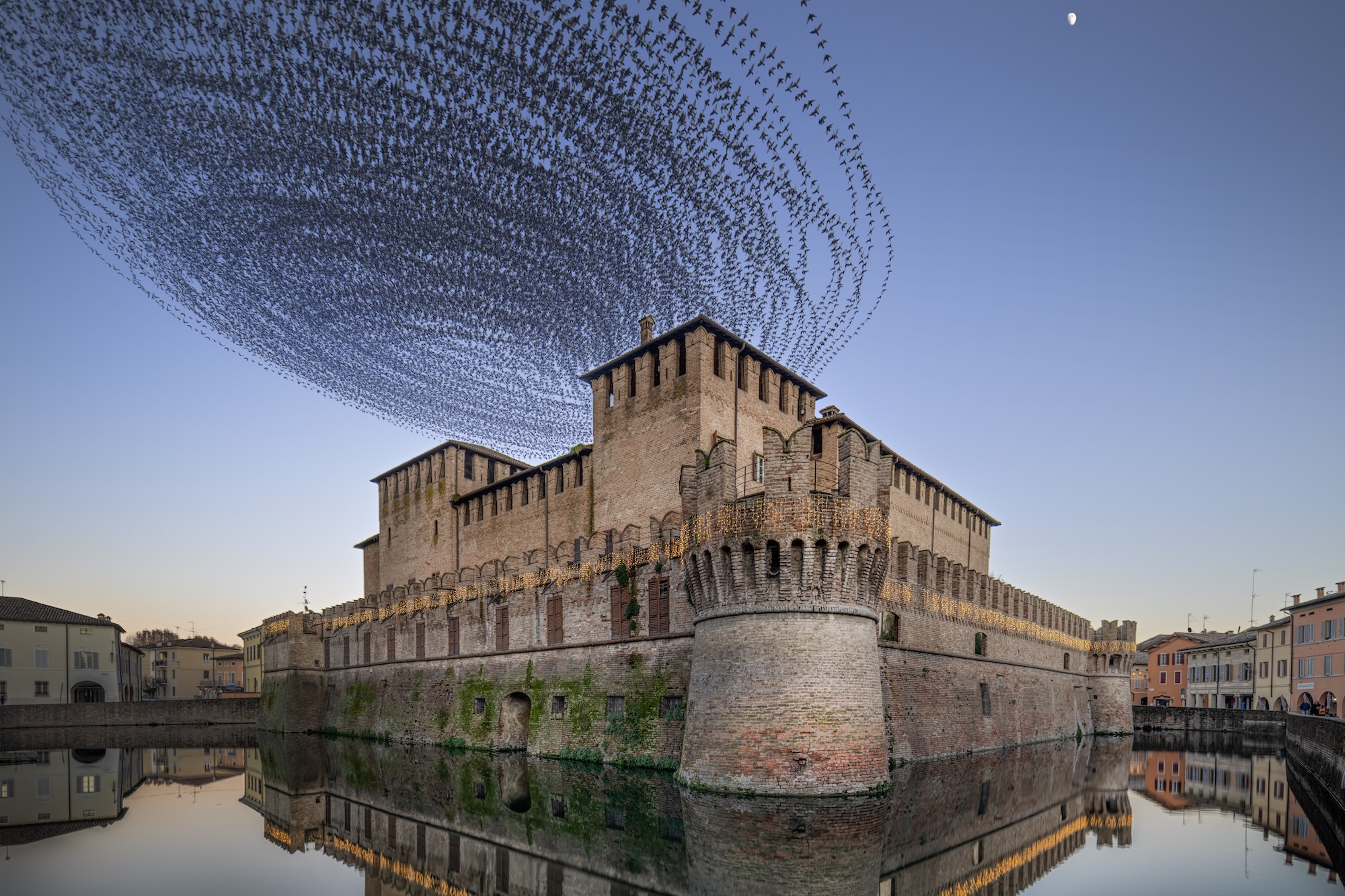
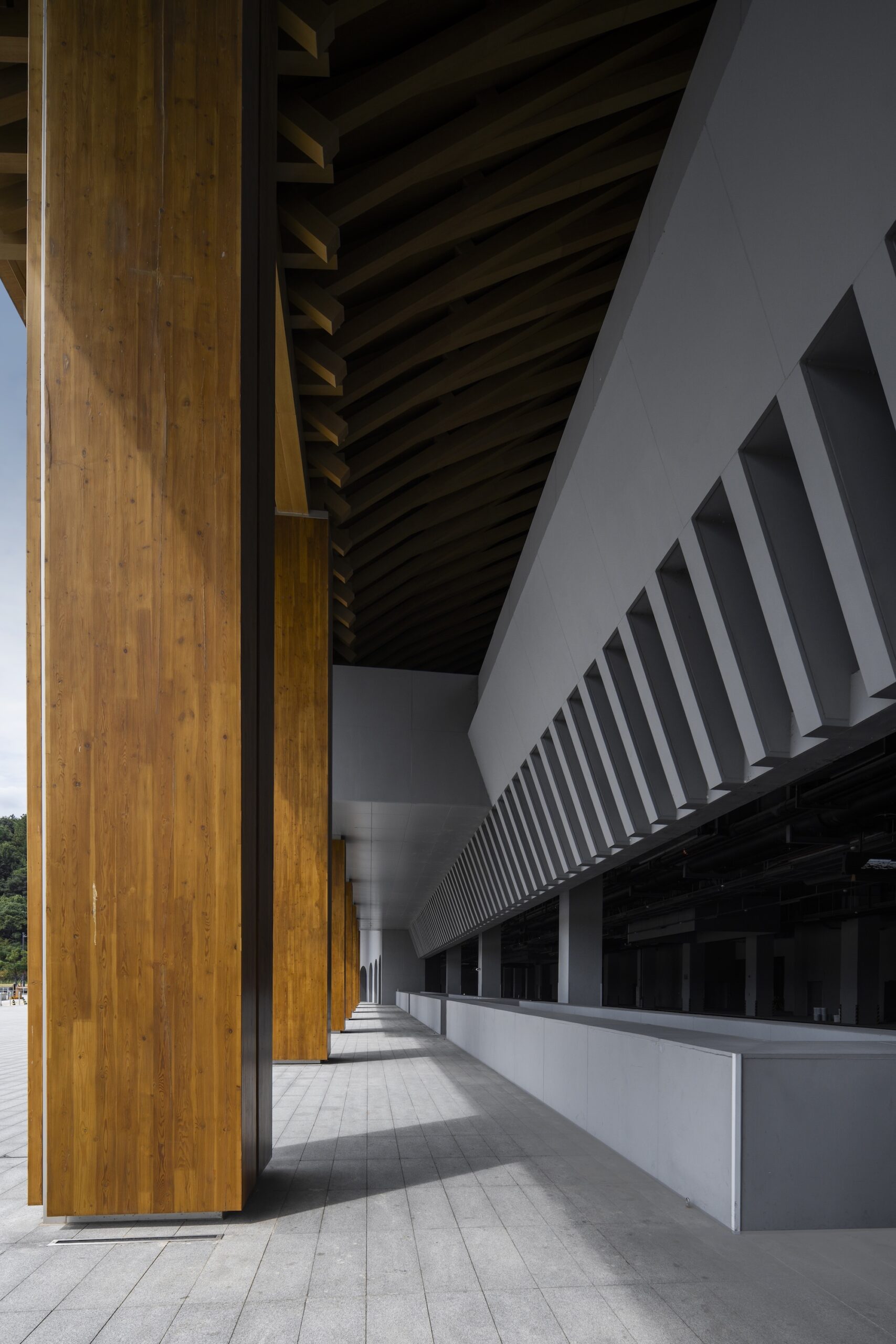
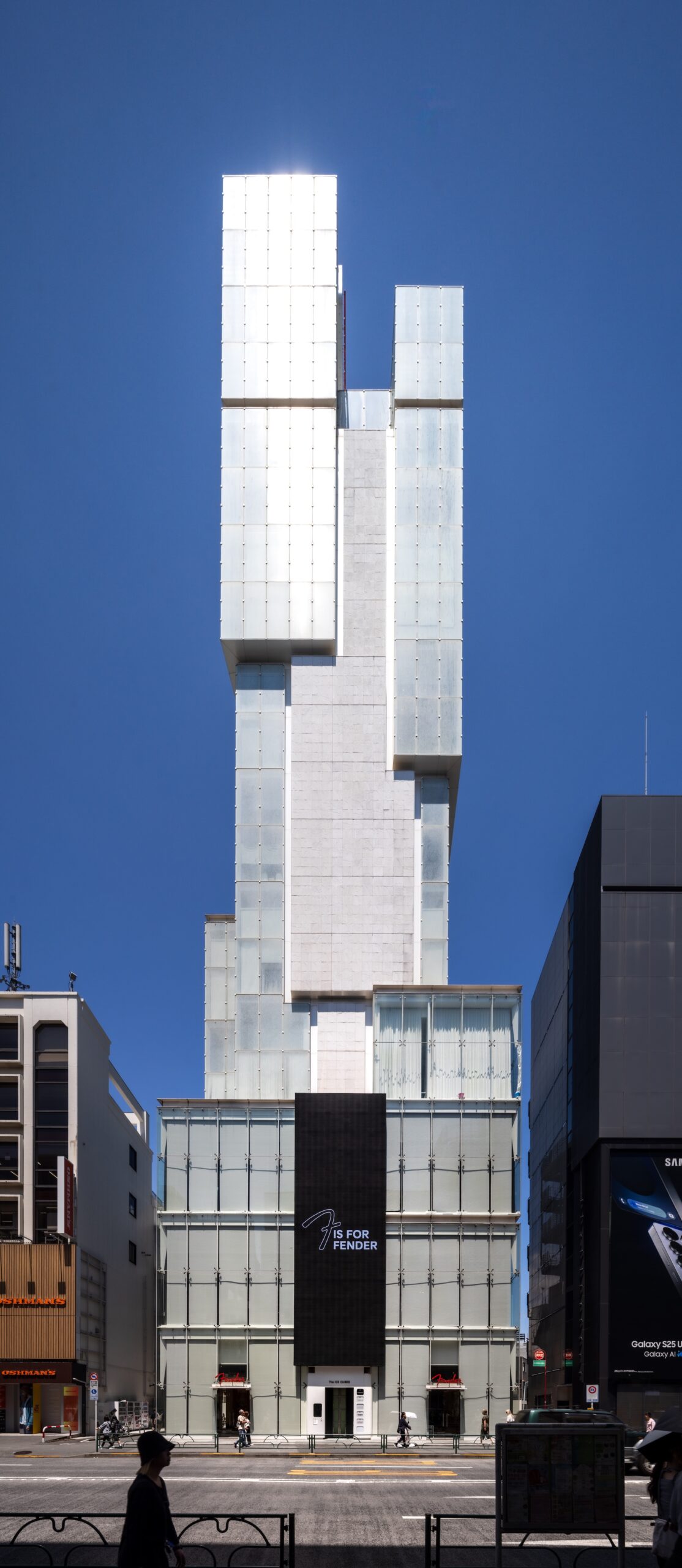
Below is a selection of photos taken with these lenses, provided by Laowa:





Price and availability
The Laowa 17 mm f/4 Zero-D Tilt-Shift is priced at $1,249, while the Shift version comes in at $999.
Our first impressions
With these two new lenses, Venus Optics fills a gap for mirrorless users, particularly for Nikon Z, Hasselblad XCD or Canon RF mount where tilt-shift lenses remain scarce.
Offering the choice between a full-featured version and a more affordable “Shift” version is a smart move, as shift is often the most-used tool for real estate photographers. It remains to be seen whether sharpness holds up to the demands of high-resolution sensors, especially in medium format.