

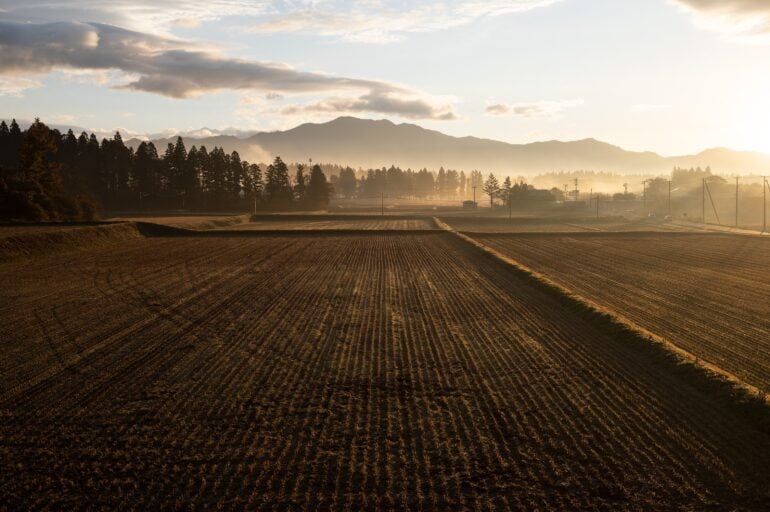

On the eve of the opening of CP+ 2026, Sigma made three announcements: two new lenses, the Sigma 15mm f/1.4 DC Contemporary and Sigma 35mm f/1.4 DG II Art, and a rather unexpected announcement: the Japanese manufacturer will be growing rice. The company plans to establish Sigma Aizu Farm Corporation on April 1, 2026, a subsidiary dedicated to rice cultivation in the region where its only factory in the world is located.
“Without our factory, the town could disappear.”
To understand this initiative, it is important to appreciate how closely Sigma is linked to the Aizu region of Japan. The company manufactures all of its lenses and camera bodies there, and the slogan “Made in Aizu, Japan” has become a hallmark of its communications, symbolizing craftsmanship rooted in the local area.
We had the opportunity to visit the Sigma factory in Aizu in 2019 and to talk several times with Kazuto Yamaki, the company’s CEO, about this special connection. During our first interview in 2019, he told us how his father had chosen this location almost by chance, on the suggestion of an employee from the region, before becoming deeply attached to it.
For Kazuto Yamaki, it is above all the mentality of the inhabitants that makes the difference: “Its inhabitants still retain the ancient Japanese mindset. Work hard, be very humble, don’t talk too much, and focus on what you have to do. This mentality is very different from modern Japan, and it works very well for designing high-quality products.”
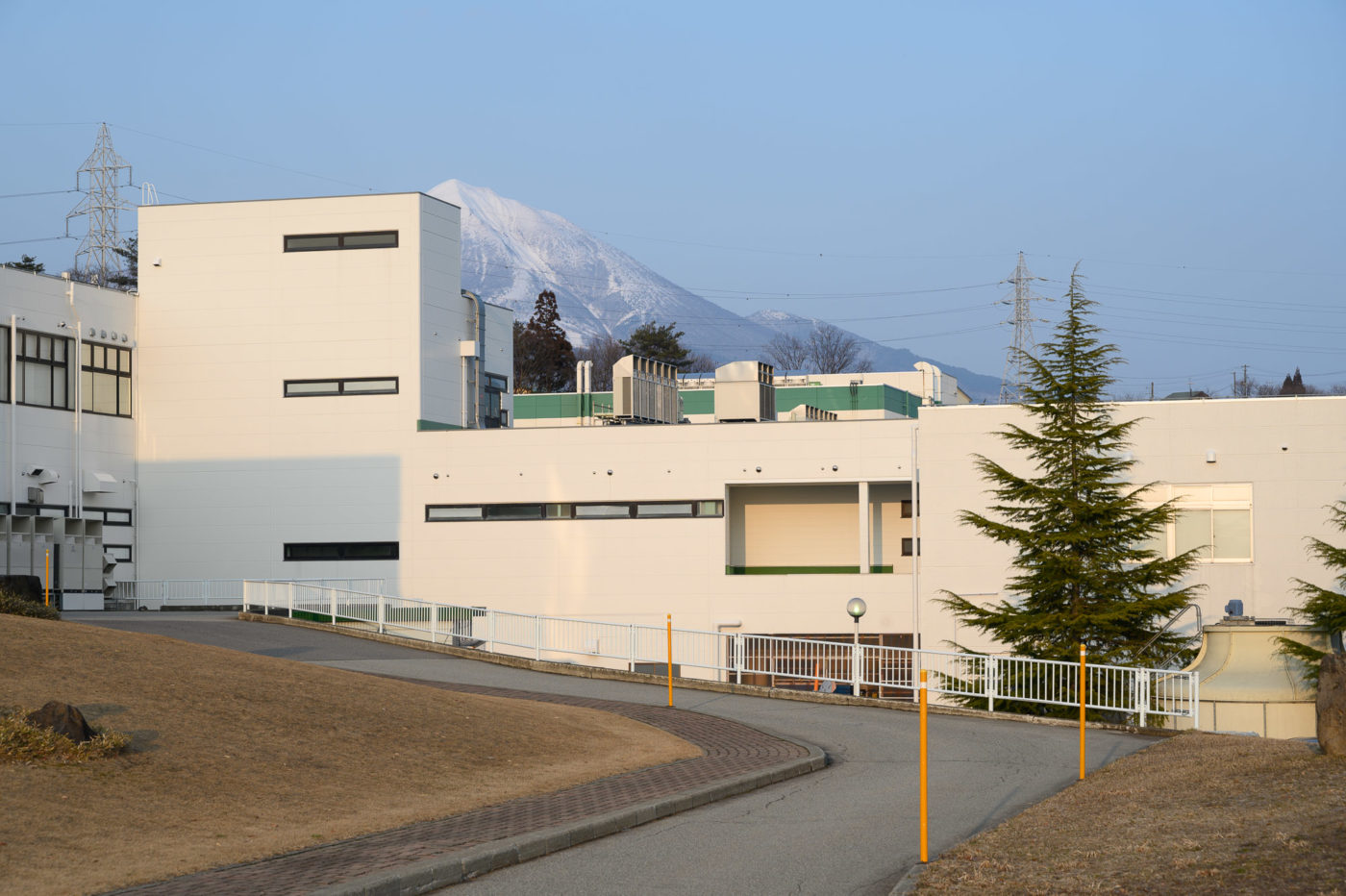
With approximately 1,600 employees on site, Sigma is one of only two major employers in this rural area—the other being an Olympus factory specializing in endoscopes.
During our interview in Arles in 2022, Sigma’s CEO went even further in describing this responsibility towards the region: “Our factory is located in a very remote area in the Japanese countryside. The population there has been declining rapidly for the past 20 years. Without our factory, the town could disappear in the future. For this region, it is very important to have a functioning factory and to keep people in work. This is one of my important missions.”
From lens polishing to rice cultivation
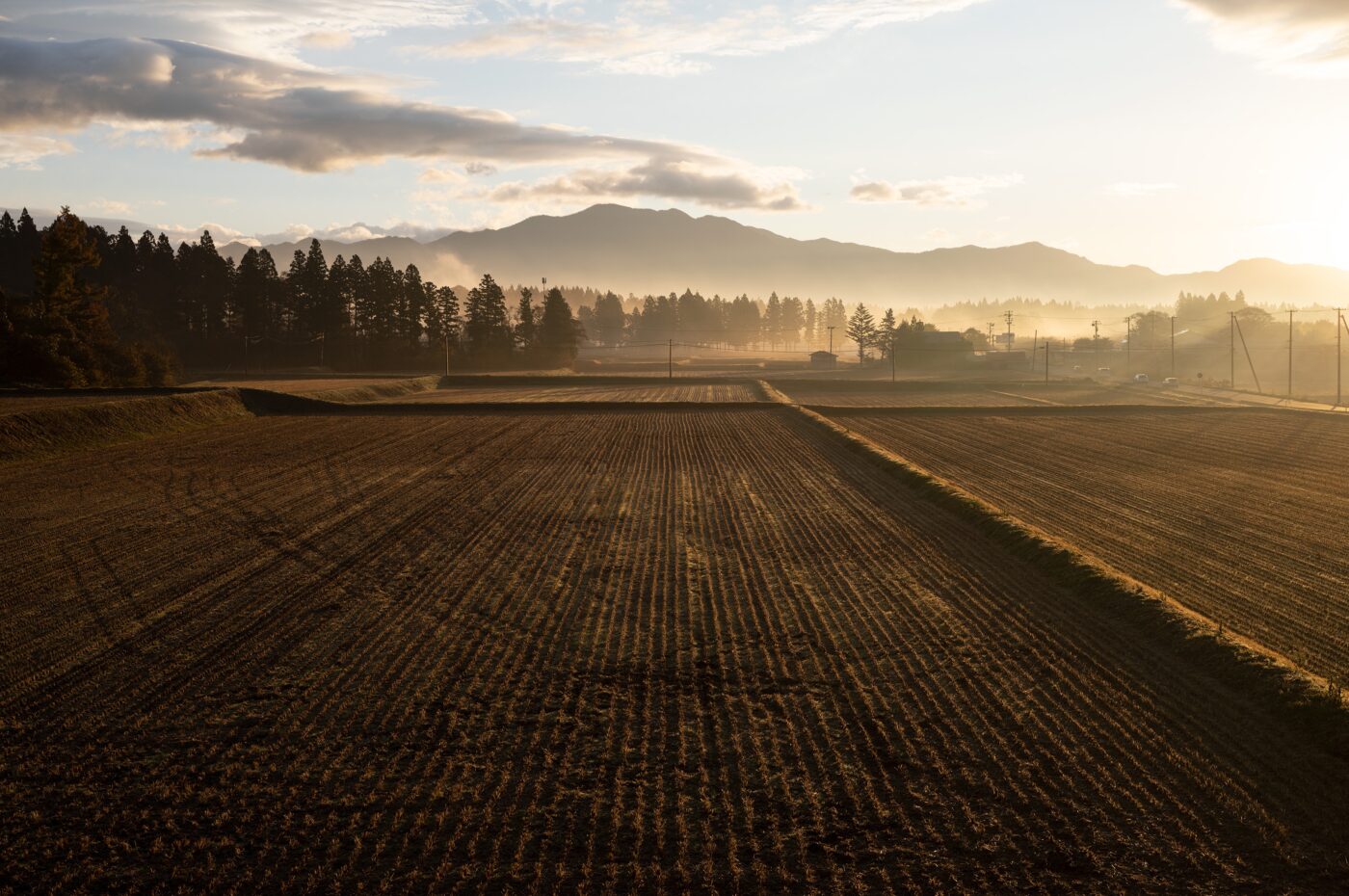
It is in this context that the Sigma Aizu Farm project takes on its full meaning. The Aizu region, like many rural areas in Japan, is seeing its farmland gradually abandoned due to a lack of successors. The rice fields, which for centuries have shaped the landscapes known as “satoyama”—transitional spaces between inhabited plains and wilderness—are gradually emptying, taking with them local ecosystems and cultural heritage.

Sigma intends to play its part in combating rural depopulation. The subsidiary will cultivate rice using water and soil near Mount Bandai, and the harvest will be served in the cafeterias of the Aizu factory and Kawasaki headquarters, among other places. Beyond local food supply, the project aims to maintain agricultural land and create sustainable jobs in the region.


A consistent approach for Sigma
An optics (and camera body) manufacturer getting into rice farming might raise a smile. But the announcement is not just a publicity stunt disconnected from the reality of the company. For years, Kazuto Yamaki has consistently talked about Sigma’s role in Aizu: never laying off staff, supporting the region, and sharing profits with employees and local partners. The company is moving from an essentially industrial relationship with its territory to a concrete commitment to preserving its landscapes, culture, and livelihoods.
For a brand that has made “Made in Aizu” much more than just a statement of origin, this is a logical next step.

More information on the Sigma website.