

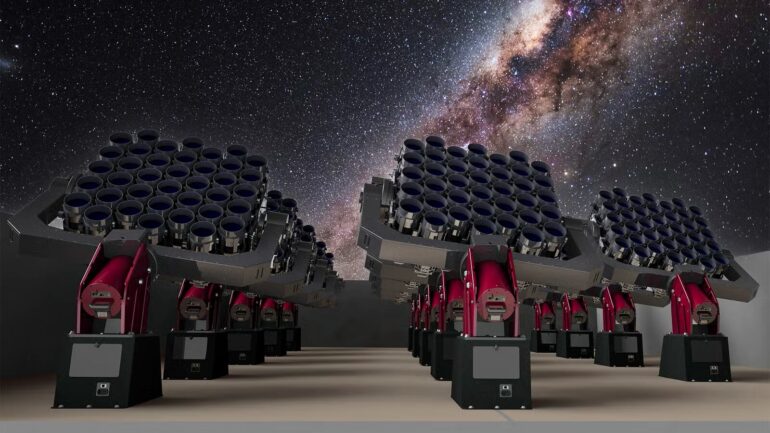

Canon and Nikon are each turning toward space exploration in their own way. No fewer than 1,140 Canon EF 400mm f/2.8L IS II USM telephoto lenses form the backbone of Mothra, an extraordinary telescope designed to map the invisible structure of the universe. Meanwhile, Nikon is investing in Vast, a startup aiming to build the first commercial space station, and is betting on metal 3D printing for space components.
Mothra: an extraordinary telescope in Chile built from 1,140 Canon telephoto lenses
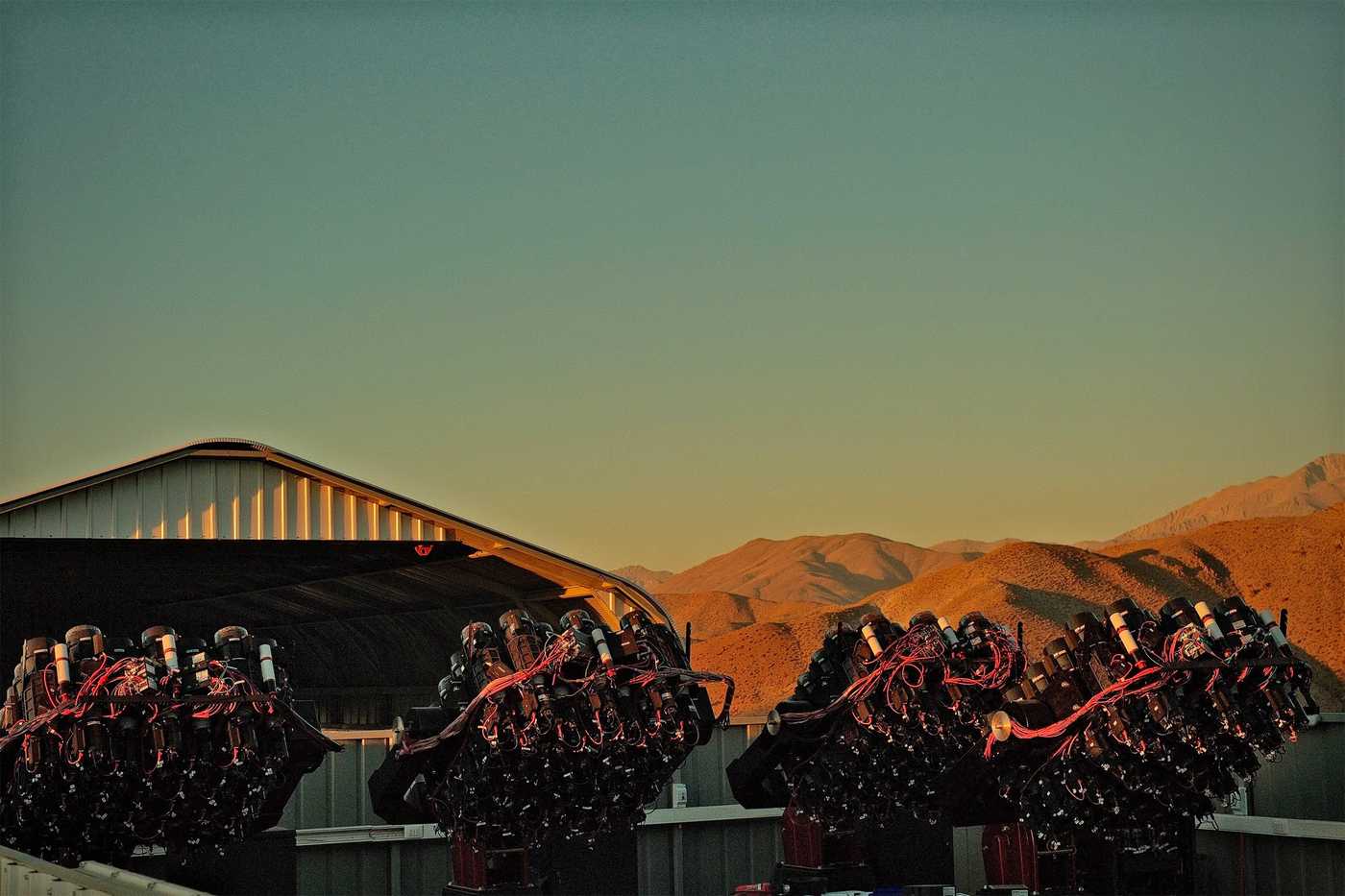
At first glance, Mothra (Modular Optical Telephoto Hyperspectral Robotic Array) looks more like the dream of some eccentric collector than a scientific project. Yet this lineup of 1,140 DSLR lenses, Canon EF 400mm f/2.8L IS II USM, is arguably one of the most ambitious scientific projects of recent years.
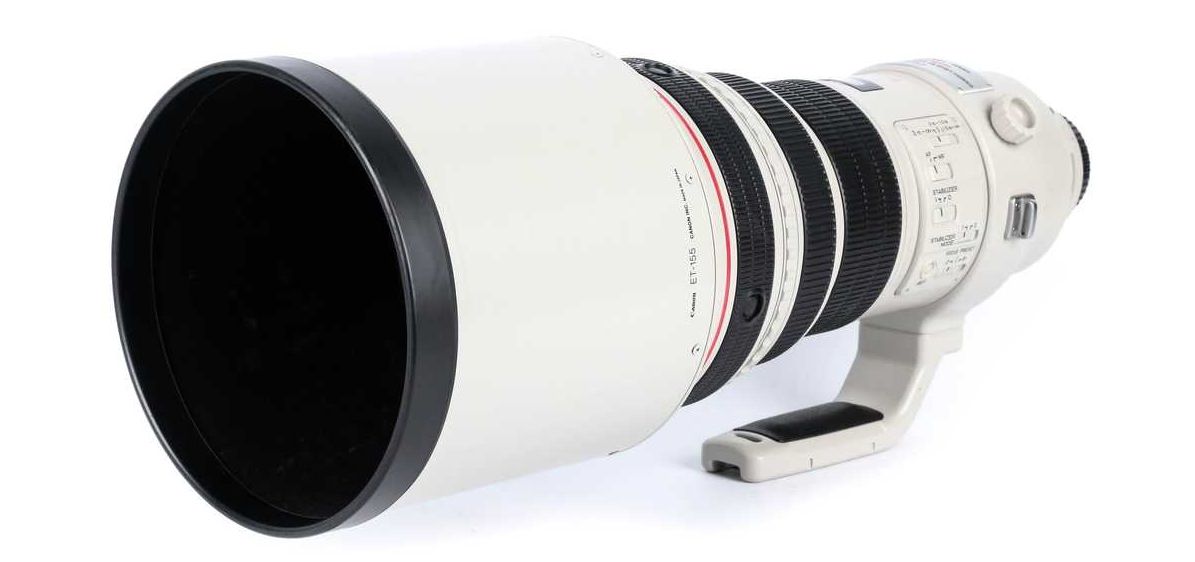
The principle: rather than relying on a single giant mirror, Mothra aims to digitally combine the images captured by each lens in order to reconstruct the power of a single observation instrument. The goal of this project, developed by Yale University and the University of Toronto, is to achieve a telescope with a 4.8-meter aperture at f/0.08! This would make it the largest and, above all, the fastest lens-based telescope in the world.
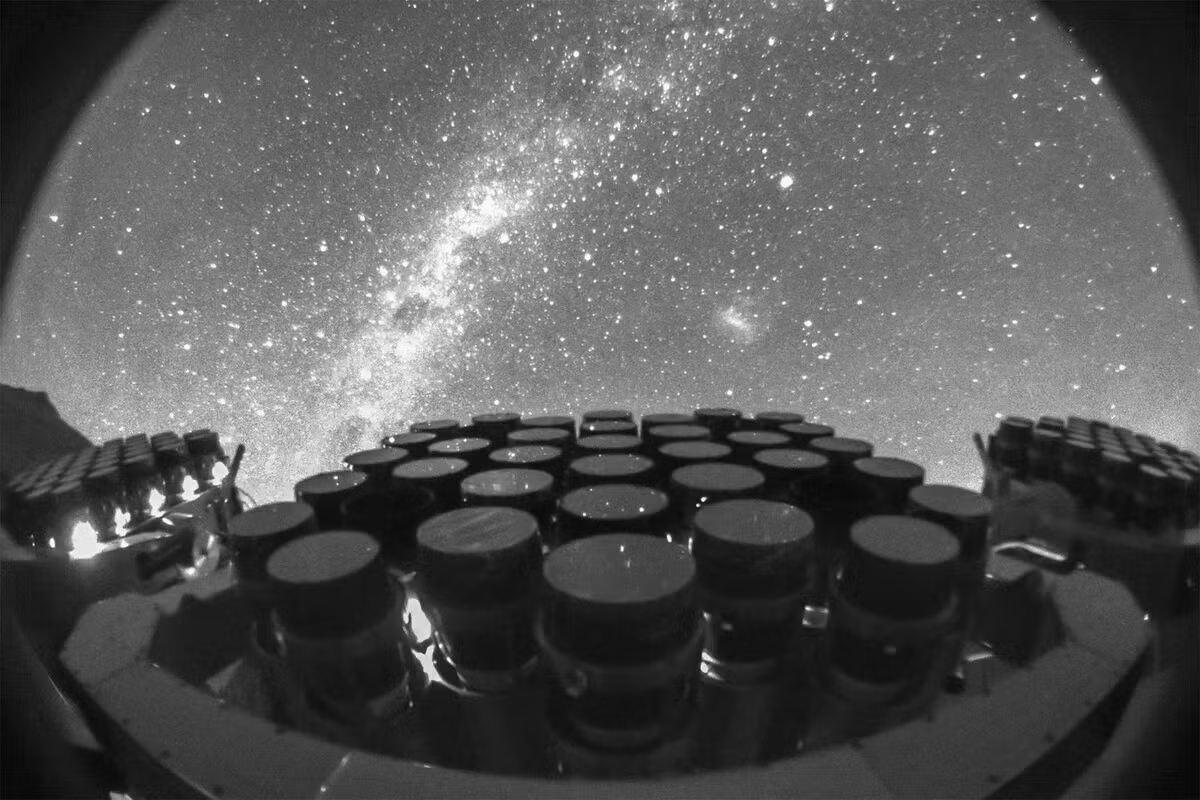
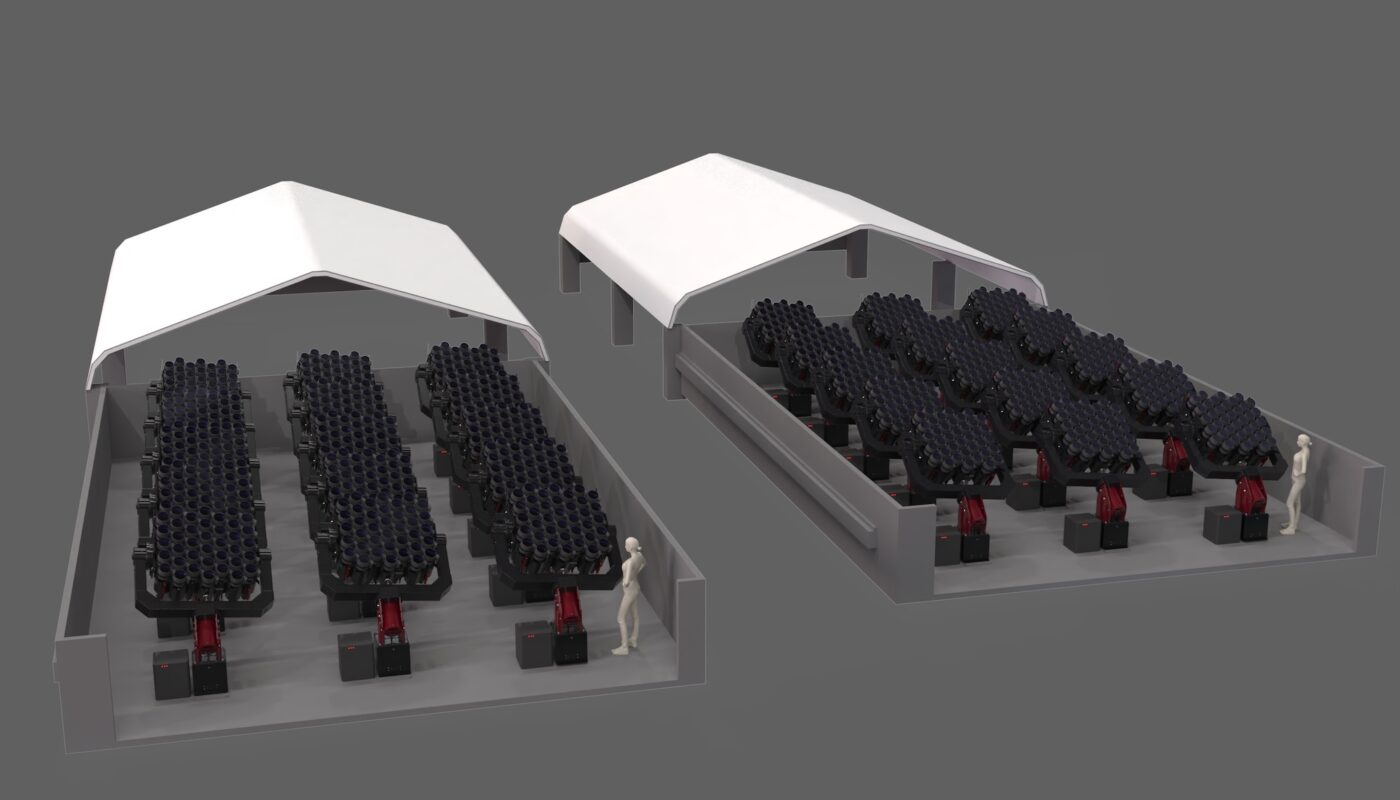
The setup will be installed at the El Sauce Observatory in Chile, which offers exceptional conditions for space observation. The 1,140 telephoto lenses will be placed on 30 mounts (each holding 38 lenses) spread across 2 buildings.
The lenses are paired with camera bodies built by Atik Cameras, which use Sony IMX571 (APS-C, 26 MP) or IMX455 (full frame, 60 MP) CMOS sensors. Each camera is controlled by a Raspberry Pi 4B, and 90 additional Raspberry Pis manage the rest of the installation.
The scientific ambition is far from trivial: the goal is to map the cosmic web, a network of gas and dark matter filaments connecting all galaxies in the universe, whose structure dates back to the earliest moments of the Big Bang. Mothra should not only locate this gas, but also observe its movements along this invisible architecture.

Unveiled on March 11, 2026, the Mothra project is expected to be completed by the end of this year.
Nikon invests in metal 3D printing for the next modular space station
Meanwhile, Nikon announced on March 6 an investment in Vast, a California-based company currently working on a modular space station project called “Haven Station.” This station is intended to succeed the International Space Station (ISS), which is scheduled for retirement in 2030.

A first module, Haven-1, is expected to launch in 2027 and would become the world’s first operational commercial space station. Vast aims to ensure a permanent human presence in space from that date onward, in order to conduct advanced microgravity research.

For Nikon, this investment is part of a broader strategy around metal additive manufacturing, 3D printing applied to space components, particularly highly complex rocket parts.
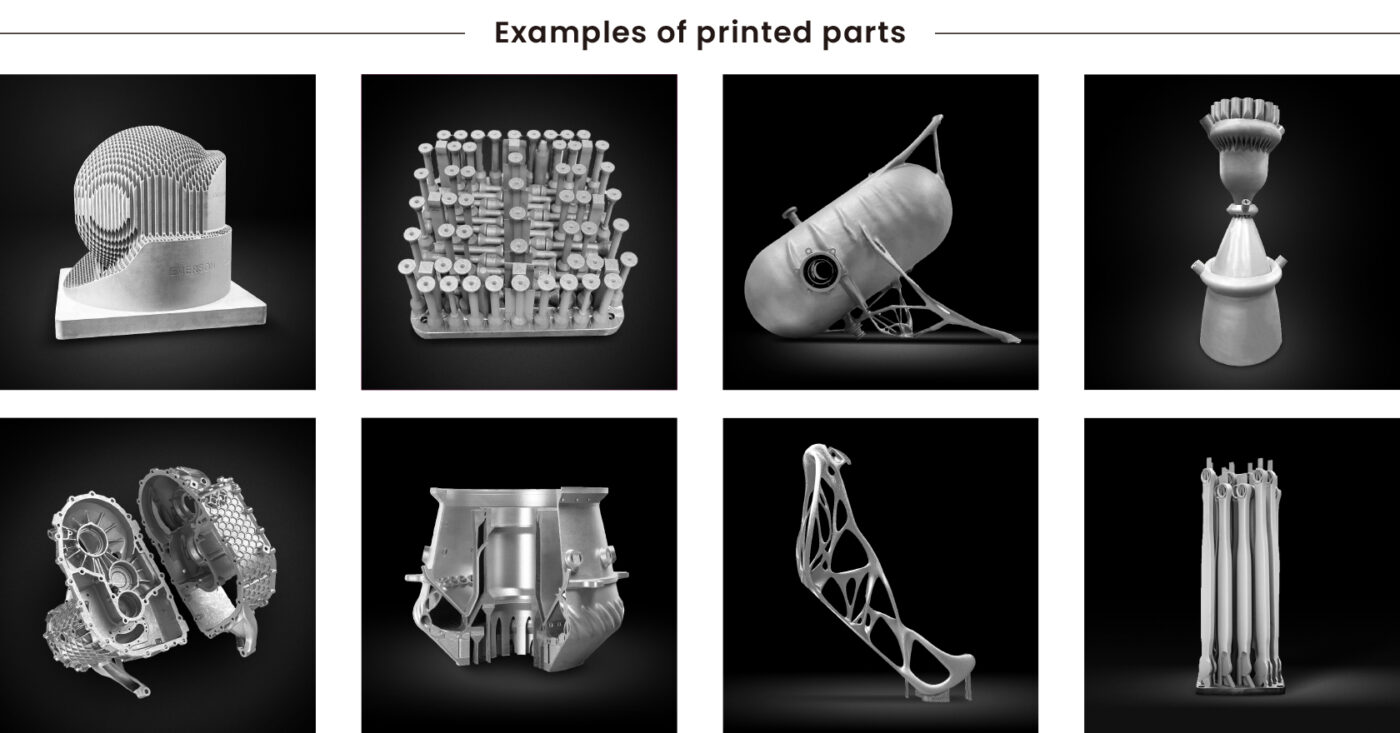
In a recent press release, Nikon also highlights its 50 years of contributions to space exploration in optics and imaging. We recall the Nikon bodies and lenses (Nikon D6 and Z9) sent to the ISS. This investment in Vast therefore aims to combine the expertise of both companies and pave the way for a “new space economy” open to governments, businesses, and individuals.