



At CP+ 2026, we sat down with Yu Takae, Senior Manager of ILC product planning at Sony Corp. An opportunity to discuss, among other things, the launch of the Alpha 7 V and its new Bionz XR2 processor, the unexpected return of the full-frame compact camera RX1R III ten years after its predecessor, and the future of the APS-C lineup. Here’s the full interview.

What is your assessment of the Sony A7 V launch? Did you expect such a strong start in the market?
The Sony Alpha 7 V has maintained strong sales across all regions since its launch in December last year.
This camera is designed for a wider range of users photo or video. It is equipped with a variety of features that respond to the increasing demand for capturing moving subjects, real-time sharing, and workflow efficiency. It is the perfect choice for users who want to creatively capture everyday moments, value real-time speed, and seek further evolution in their photography experience.
The Sony Alpha 7 V is a basic full-frame mirrorless camera that has evolved in terms of image quality, AF, video performance, operability, and expandability.
The A7 V launch took longer than expected, with most observers anticipating a late 2024 release. What happened? Was the product deliberately delayed, and if so, for what reasons?
We set our launch timing based on a variety of factors to find the best moment. Unfortunately, we can’t go into the specifics of individual products, but we hope you understand.
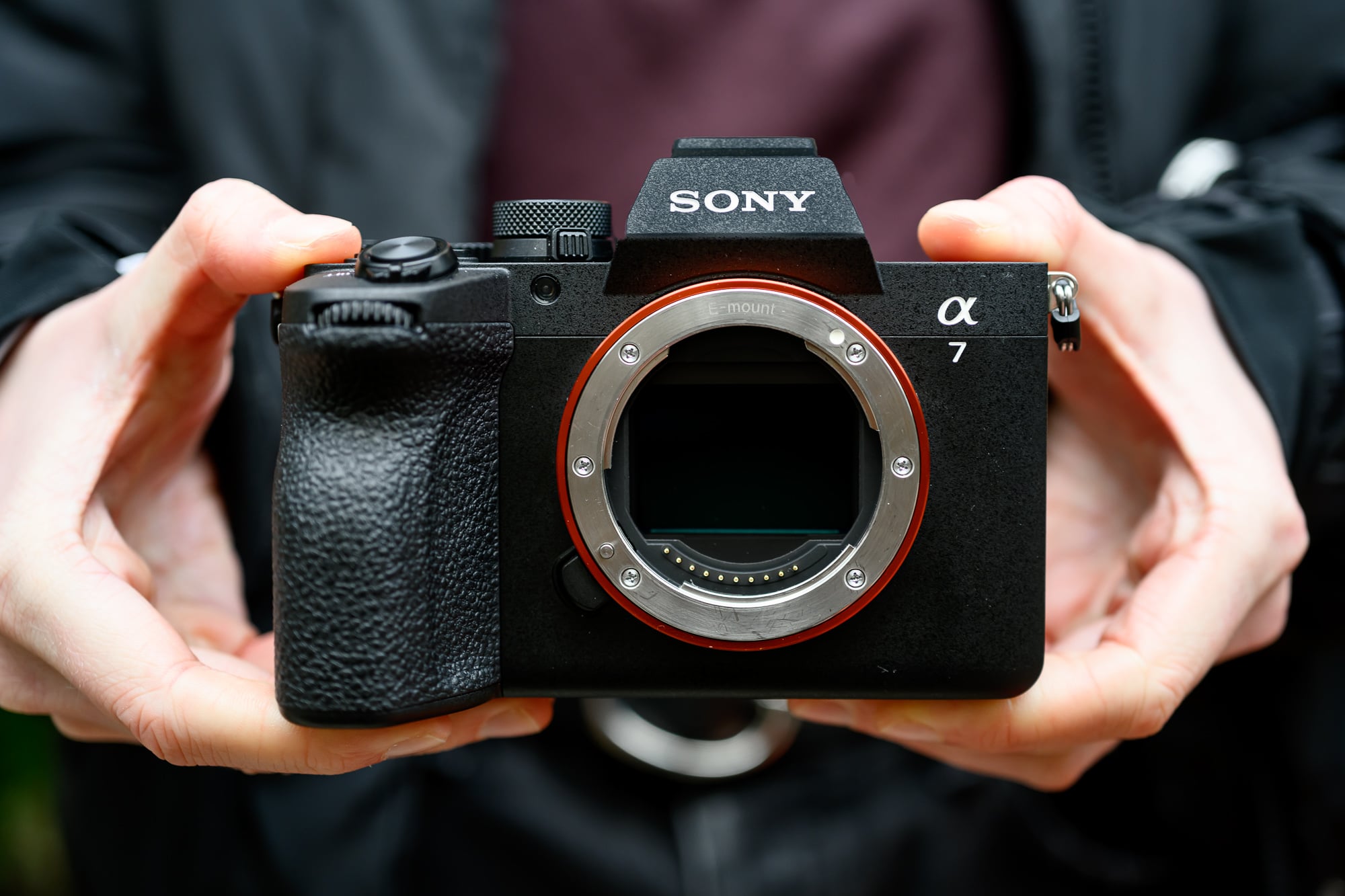
The A7 V introduces the new Bionz XR2 chip and displays exceptional battery life. How did you achieve this significant improvement in battery performance? Is it related to the processor architecture, particularly the use of unified memory? What are the other practical benefits of this chip in the field?
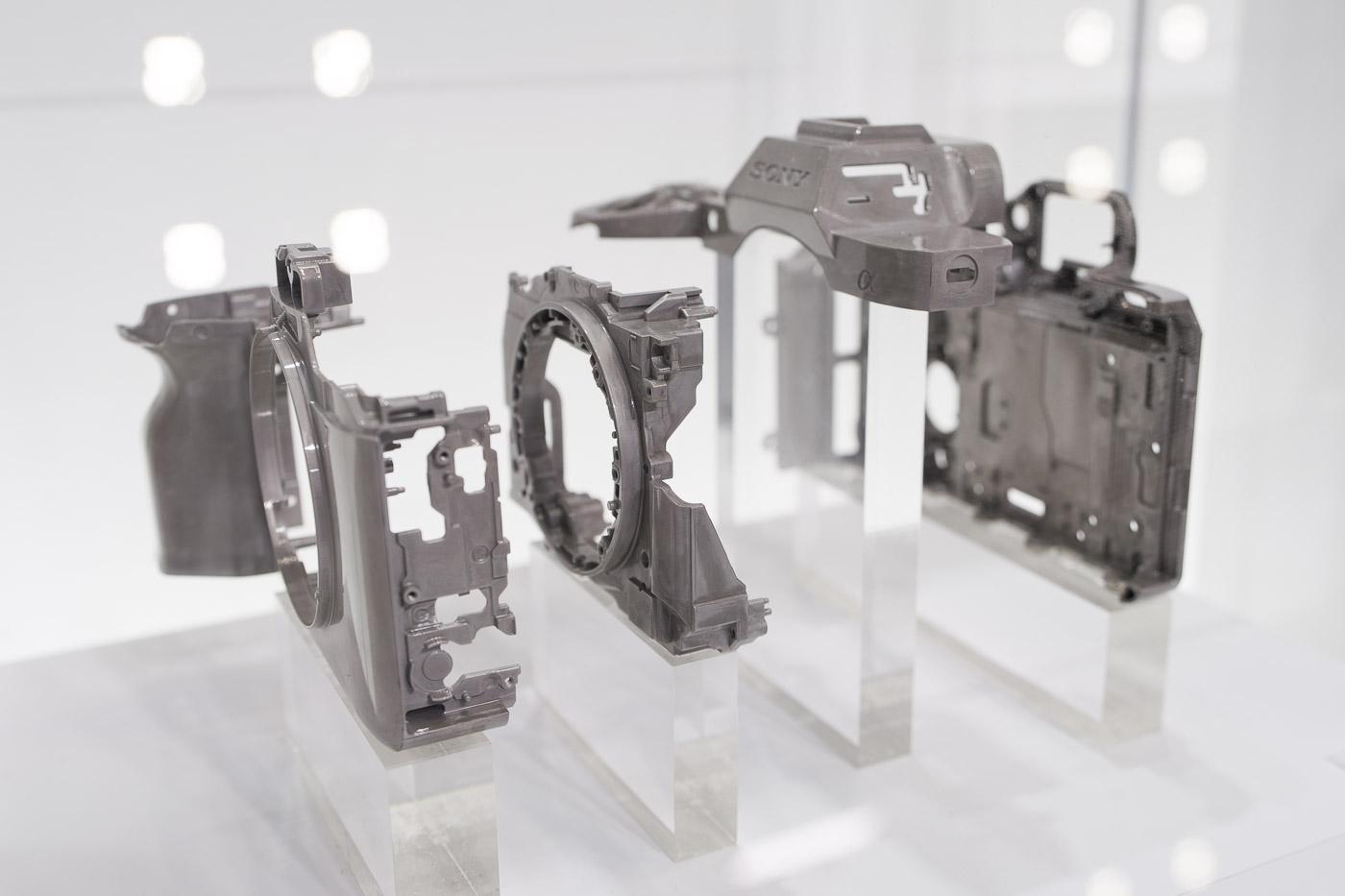
Battery life and heat dissipation are very important points, especially for videographers. We improved both in the Alpha 7 Mark V, thanks to the new BIONZ XR2 processor. But it’s quite difficult to explain exactly how we did it. Furthermore, we cannot disclose specific technical details.

The A7 V is the first Sony Alpha camera to use a “semi-stacked” sensor with higher resolution than its competitors. Can you explain this technology? How does it differ from a traditional stacked sensor and what advantages does it provide?
Indeed, the camera is equipped with a partially stacked Exmor RS CMOS image sensor, achieving approximately 4.5 times the readout speed compared to the Alpha 7 IV.
This allows for AF/AE calculations at up to 60 times per second while enabling blackout-free high-speed continuous shooting at up to 30 frames per second, ensuring that the subject is always captured in the viewfinder, allowing for the capture of invaluable moments.

Additionally, it supports a maximum shutter speed of 1/16000 s, high frame rate video recording, and enhanced image quality through a wide dynamic range, providing a multifunctional and high-performance shooting experience that meets the advanced needs of users.
Sony claims 16 stops of dynamic range in mechanical shutter mode on the A7 V, which is remarkable. How did you achieve this performance? Is it directly related to the semi-stacked sensor or other technological innovations?
The newly developed partial stacked CMOS image sensor has improved the dynamic range of the mechanical shutter to 16 stops but we’re not able to comment on specific technical details.
The A7 V is excellent for photography, but appears somewhat conservative for video compared to its competitors: no 6K, no OpenGate, no internal RAW… Did Sony intentionally “limit” the camera to avoid competing with its video cameras like the FX3 or FX2? Doesn’t this risk putting Sony at a disadvantage against Canon, Nikon, or Panasonic?
We determine product specifications by comprehensively considering overall product value and balance. The Alpha 7 V has been highly evaluated not only by creators who primarily shoot stills, but also by creators who shoot video. We sincerely appreciate receiving various requests, as we see them as a reflection of the expectations that video creators have for Sony.
We will take their feedback into consideration for future product planning.
The RX1R III marks the surprise return of this line. Why revive this line 10 years after its predecessor?
The RX1R II, launched in 2015, became a long-selling product by condensing the essence of the then flagship Alpha series technology into a palm-sized body. As the Alpha series continued to evolve in the years that followed, we received many requests from top professionals and creators around the world who were eager to see a successor model.
In response, while keeping the highly regarded ZEISS lens, we challenged ourselves to once again condense advanced technologies into a palm-sized body, including a high-resolution sensor equivalent to that of the Alpha 7R V, the latest BIONZ XR image processing engine, an AI processing unit, and a high-capacity battery. This effort has led to the product launch at this time.
At launch, some photographers regretted the absence of stabilization and the fixed screen. Why these technical choices when your competitors (Fujifilm X100 VII, Leica Q3) offer these features? Don’t these choices risk putting the RX1R III at a disadvantage?
The specifications are determined considering the overall product characteristics.

APS-C seems to have been neglected at Sony, except for the vlog segment. The A6700 dates from 2023 and remains the only recent camera. Have you abandoned this line for photography? Do you envision a return of entry-level APS-C mirrorless cameras to support young creators?
The Alpha 6700, with its BIONZ XR and AI processing unit, is still an excellent system. Among young photographers, the Alpha 6400 remains a favorite. Both continue to sell steadily and are well-loved by our customers. We will continue to closely monitor market trends while carefully listening to feedback from our users. We’re not able to comment on specific future plans at this time.
Given the success of the FX line (particularly FX3 and FX2) and Venice, will we ever see a successor to the A7S III? Or do you consider the S line to be a thing of the past, replaced by your cinema cameras?
The Alpha 7S series continues to achieve steady sales and is widely used by creators who shoot not only photos but also video. We’ll keep a close eye on market trends and continue taking user feedback into account. However, we would like to refrain from commenting on any specific future plans at this time.
The Sony E mount is remarkably well-developed. What are the next steps for Sony? Will we see more “atypical” lenses like the 50-150mm, or will you fill certain gaps in the lineup?
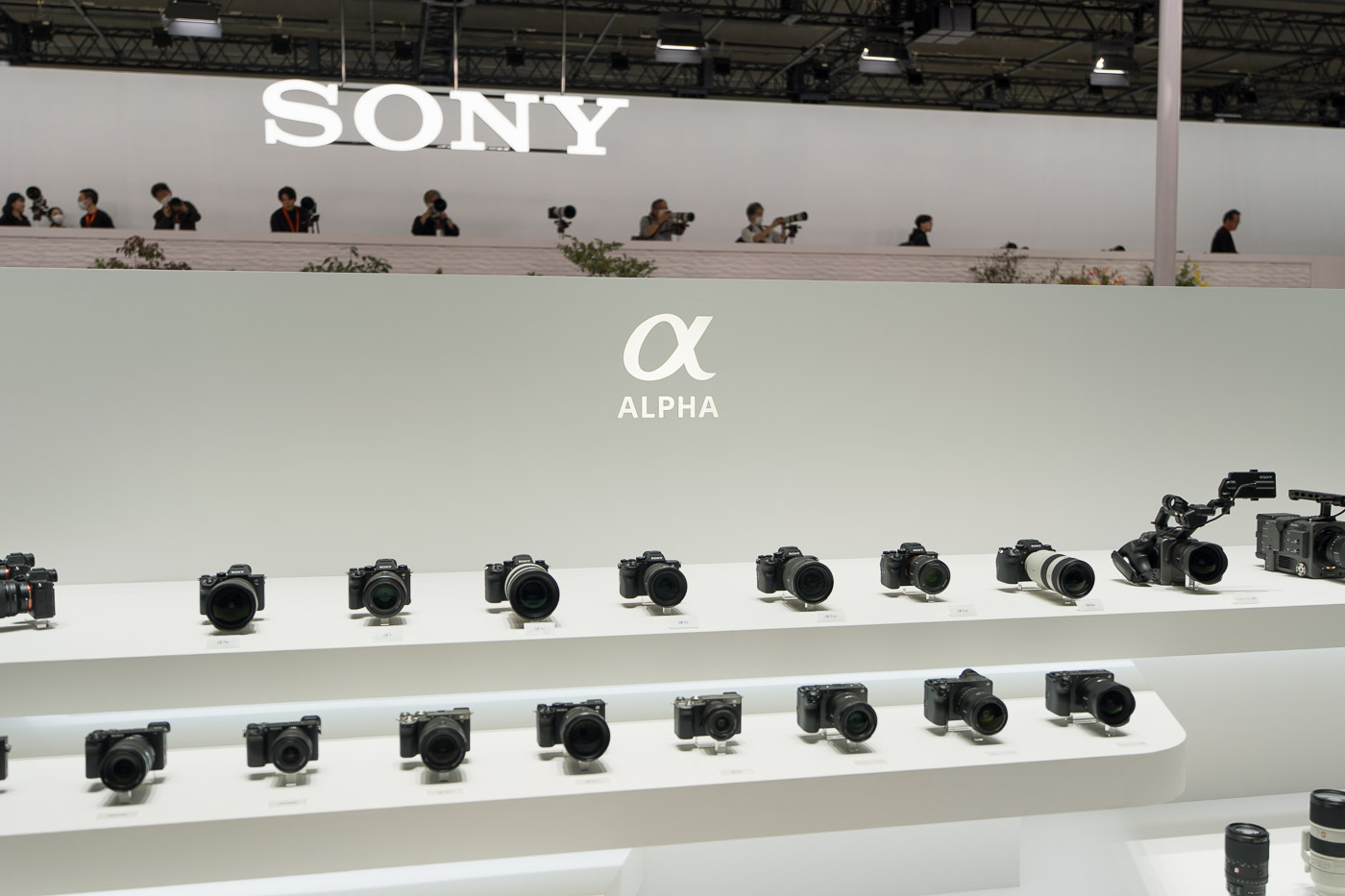
The E mount system has been continuously expanded to meet the diverse needs of creators. Within this lineup, the G Master series incorporates the latest technologies available at each point in time, delivering higher optical performance and speed in a compact and lightweight form, and contributing to new forms of visual expression for creators.
In addition, products such as large aperture f/2 zoom lenses offer new value propositions and enable shooting experiences that were previously not possible. While we refrain from commenting on specific future product plans, we will continue listening to a wide range of creator voices and supporting their creativity going forward.
The past two years have seen the arrival of very serious lenses from Chinese manufacturers (Viltrox, 7artisans, TTArtisan…). What is your relationship with these players? Do they have access to the same technologies and specifications as “traditional” third-party players like Sigma or Tamron?
We refrain from commenting on individual manufacturers. The basic specifications of the E mount are disclosed in accordance with designated procedures, and neither the disclosure policy nor the specifications themselves have changed since the press announcement in 2011.
Many lens and mount adapter manufacturers continue to support this approach, and looking ahead, we aim to further expand the potential of the E mount and develop it as a mount ecosystem that can meet the increasingly diverse needs of creators.
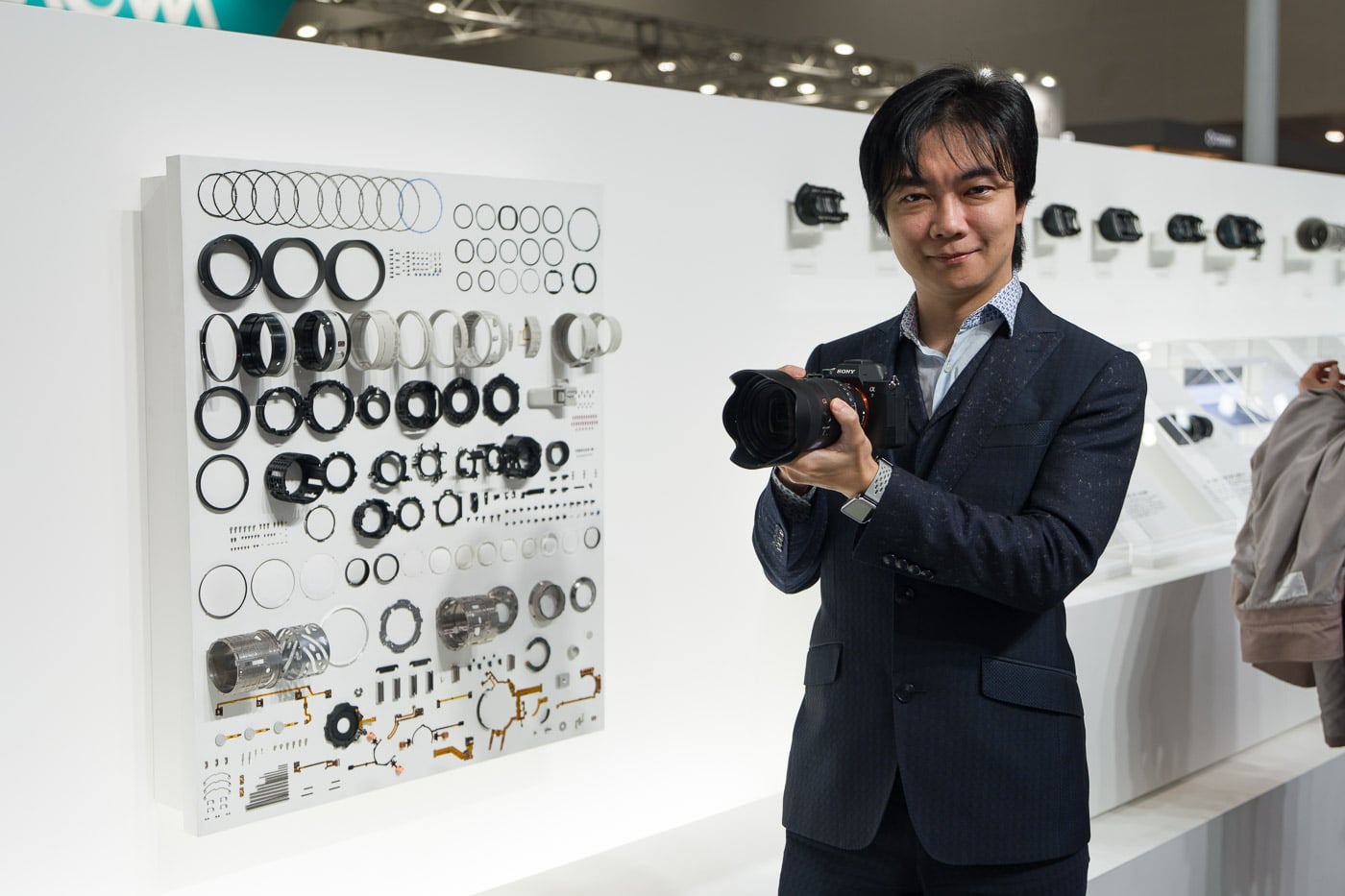
Thanks to Yu Takae for answering our questions. We would also like to thank Alice from Sony France for organizing this meeting.