

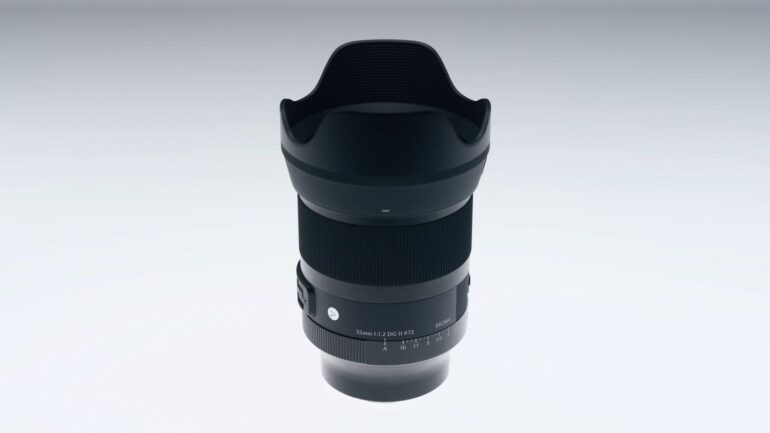

The Sigma 35mm f/1.2 DG II Art marks the renewal of the first autofocus lens to open at f/1.2 for Sony E and Leica L mounts. This new version, optimized and significantly lighter, has everything it takes to become a new must-have.

Sommaire
Overview
Sigma is clearly on a roll this late summer 2025, releasing one impressive lens after another. In addition to a 20-200mm f/3.5-6.3 DG Contemporary and a 135mm f/1.4 DG II Art, the Japanese lens maker now treats us to a 35mm f/1.2 DG II Art.
This second version had been announced long ago. Kazuto Yamaki, Sigma’s CEO, had confirmed its development at CP+ 2025 back in February.
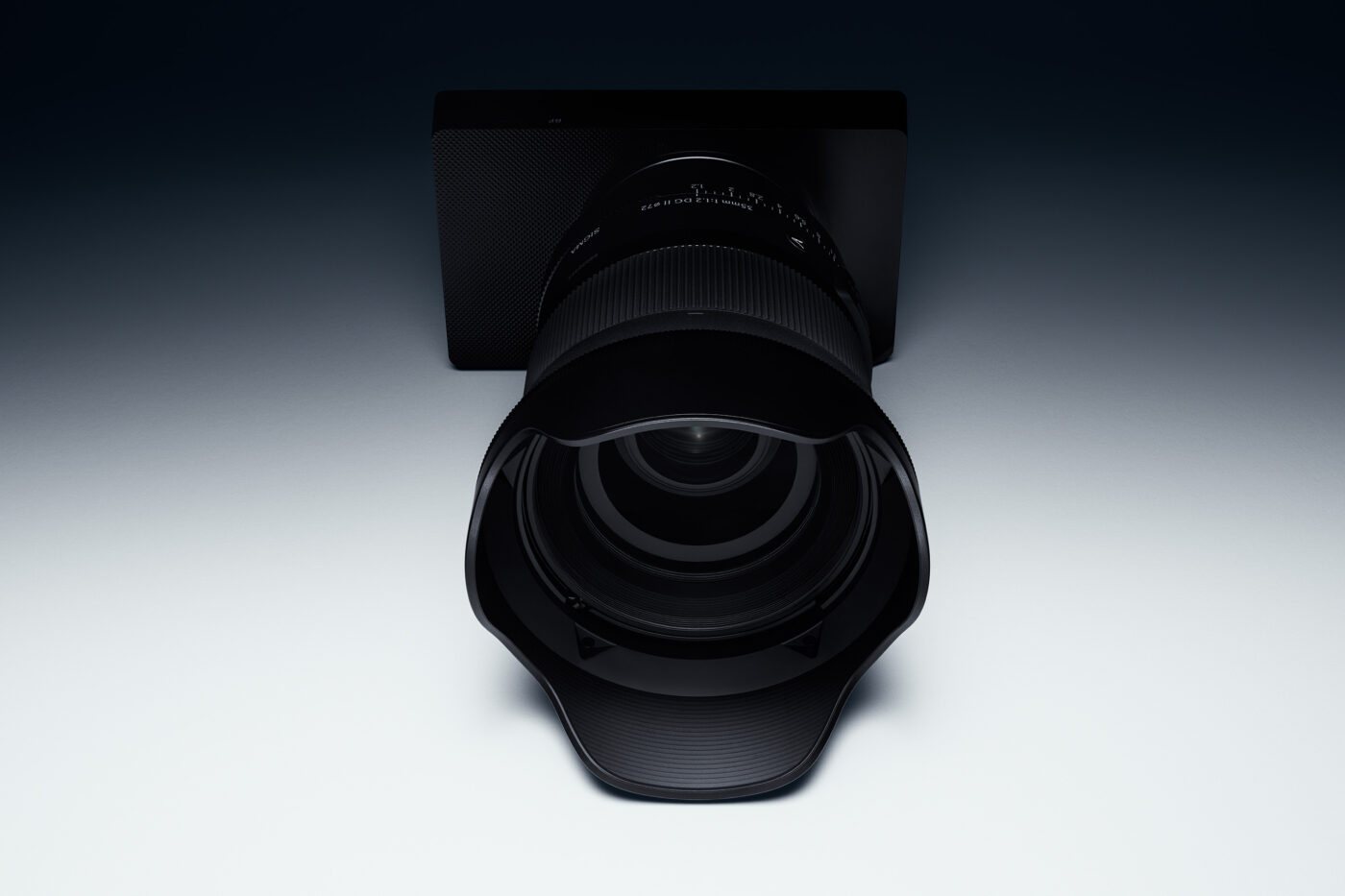
The first version was unveiled in 2019 and was at the time the only autofocus lens opening at f/1.2 for Sony E and Leica L mounts. Since then, f/1.2 lenses haven’t exactly flooded the market — and the only other alternative is the Viltrox AF 35mm f/1.2 LAB.
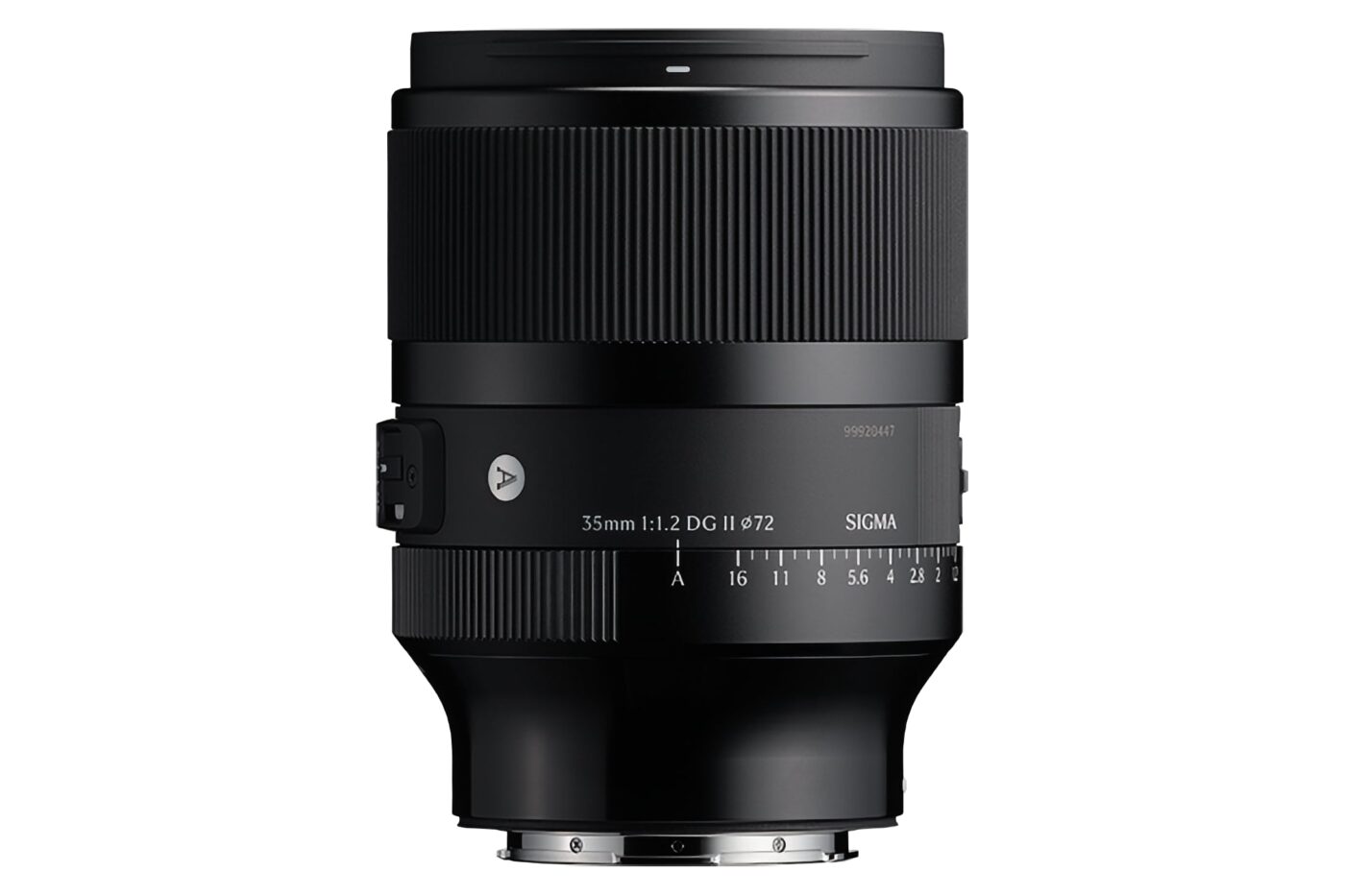
This ultra-fast lens features a classic focal length, highly regarded for its versatility. With a 35mm, you can capture landscapes, architecture and street scenes just as easily as shoot portraits with a distinctive look, thanks to the wide f/1.2 aperture.
Here is the full spec sheet of the Sigma 35mm f/1.2 DG II Art:
- focal length: 35mm (52mm equivalent on APS-C)
- sensor coverage: full frame
- maximum aperture: f/1.2
- minimum aperture: f/16
- angle of view: 63.4°
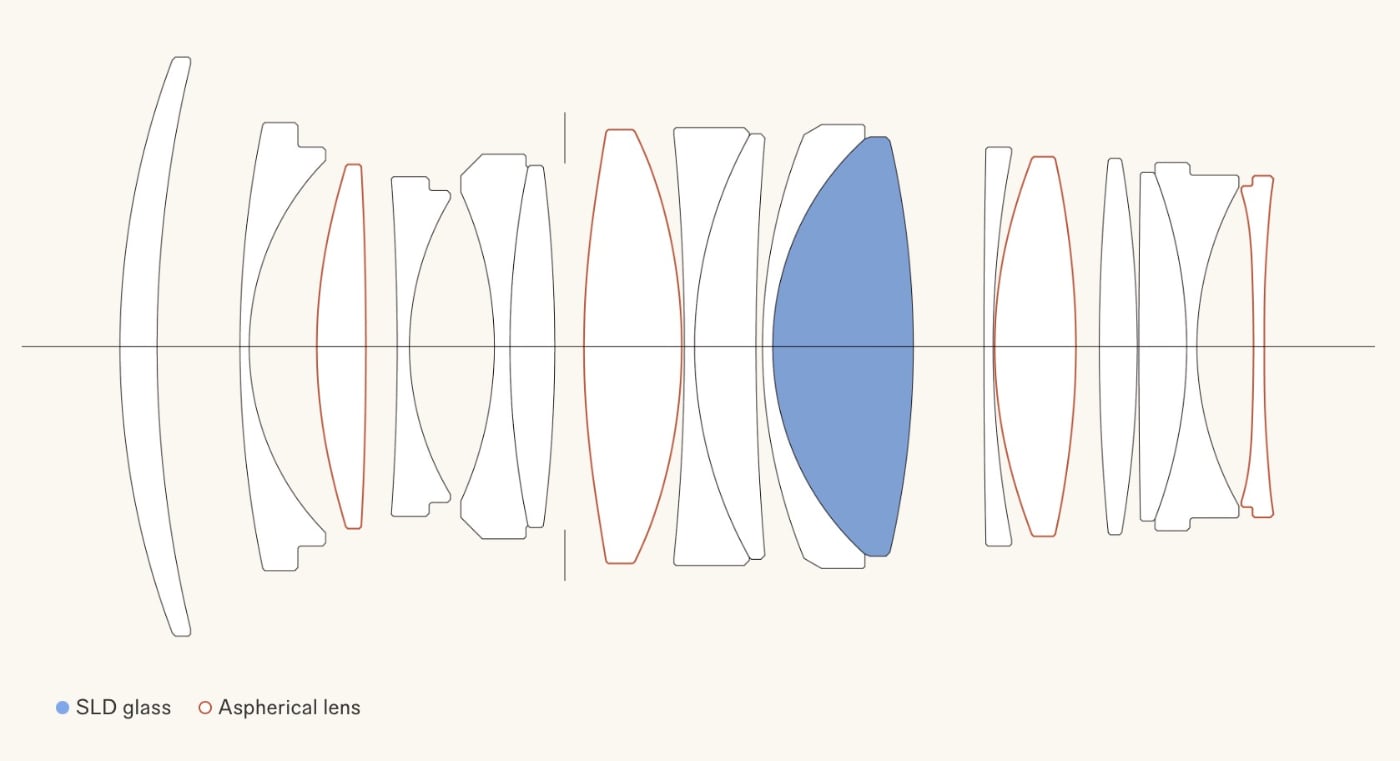
- optical construction: 17 elements in 13 groups (including 1 SLD element, 4 aspherical elements)
- diaphragm: circular, 11 blades
- minimum focusing distance: 28cm
- image stabilization: N/A
- weather sealing: dust and moisture-resistant construction
- maximum magnification: 0.18x
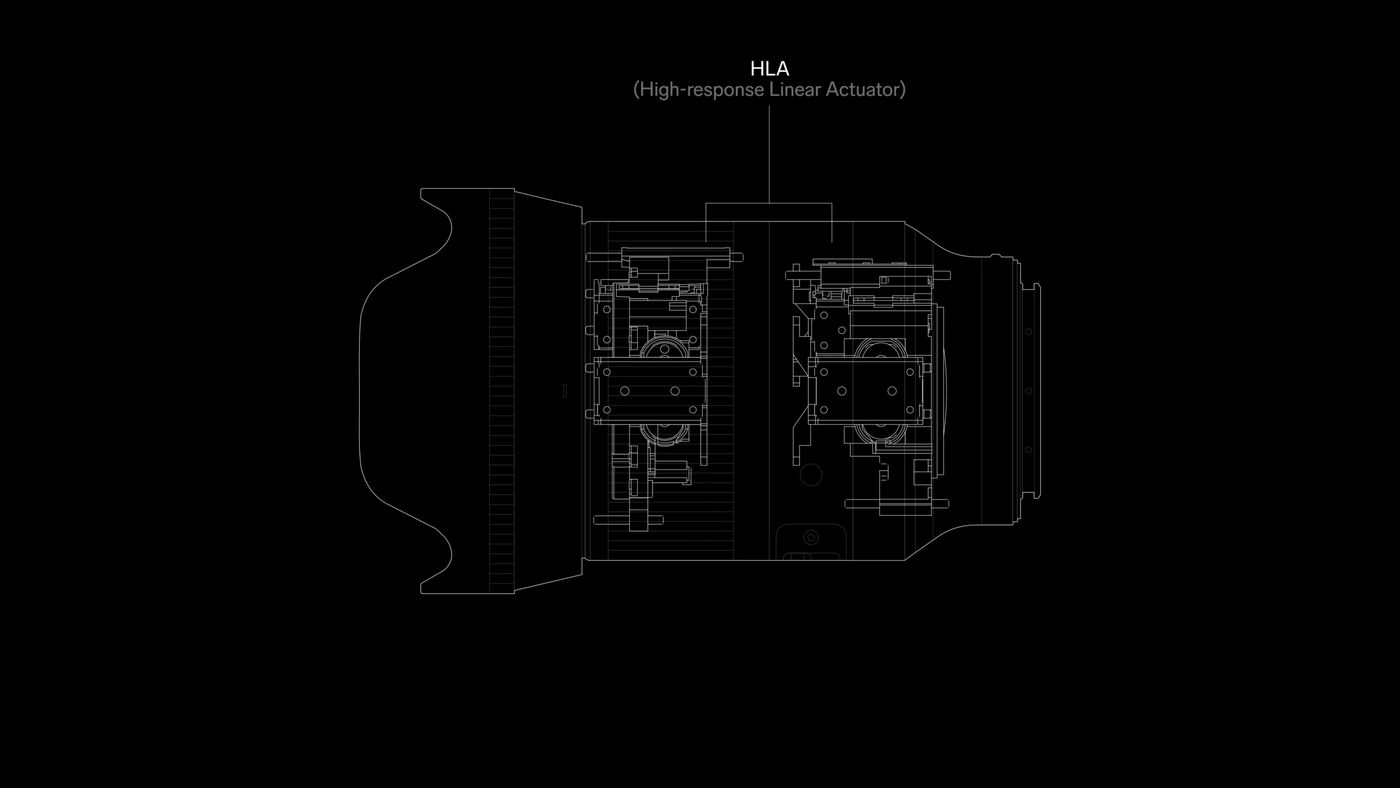
- focusing: autofocus, HLA linear motor
- filter diameter: ø 72mm
- dimensions: ø 81 x 111.4mm
- weight: 755g
- included accessories: lens hood, front and rear caps, tripod collar
- compatible mount: Sony E, Leica L
- launch price: $1,549
An advanced optical formula
The Sigma 35mm f/1.2 DG II Art relies on a fully redesigned, complex optical construction made up of 17 elements in 13 groups. Among them are 4 aspherical elements and 1 SLD element. This optical architecture is designed to correct chromatic aberrations and distortion, while delivering remarkable sharpness and strong contrast.
The fast f/1.2 aperture is provided by a circular 13-blade diaphragm, which should deliver a particularly pronounced bokeh. The minimum focusing distance is 28cm — quite short for a lens of this type. The maximum reproduction ratio is 0.18x.
For autofocus, the lens relies on a dual HLA (High-response Linear Actuator) linear motor, already featured in the majority of Sigma’s recent lenses.
A lighter form factor
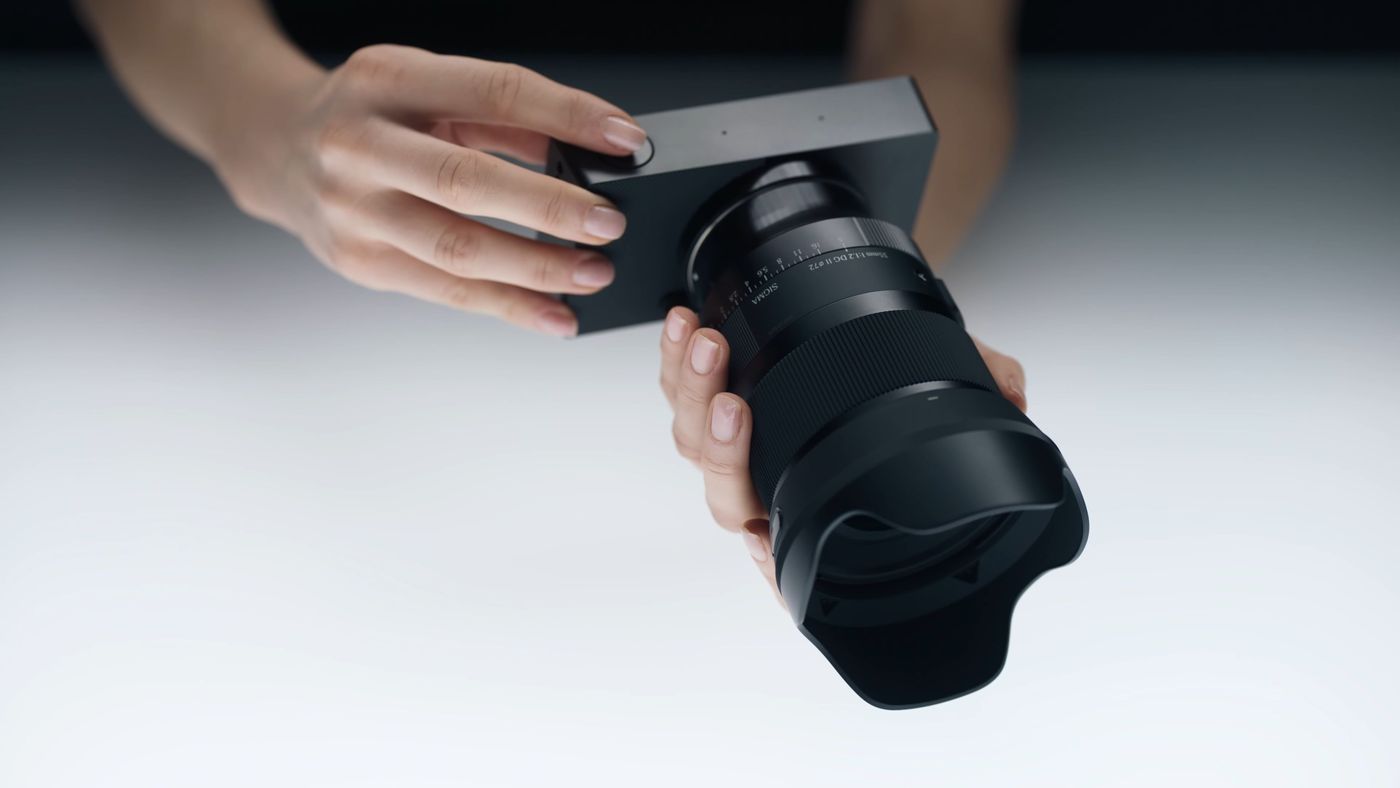
The Sigma 35mm f/1.2 DG II Art shares the form factor and ergonomics of the Sigma 50mm f/1.2 DG DN Art. We get a lens roughly 11cm long and 8.1cm in diameter, weighing in at 755g.
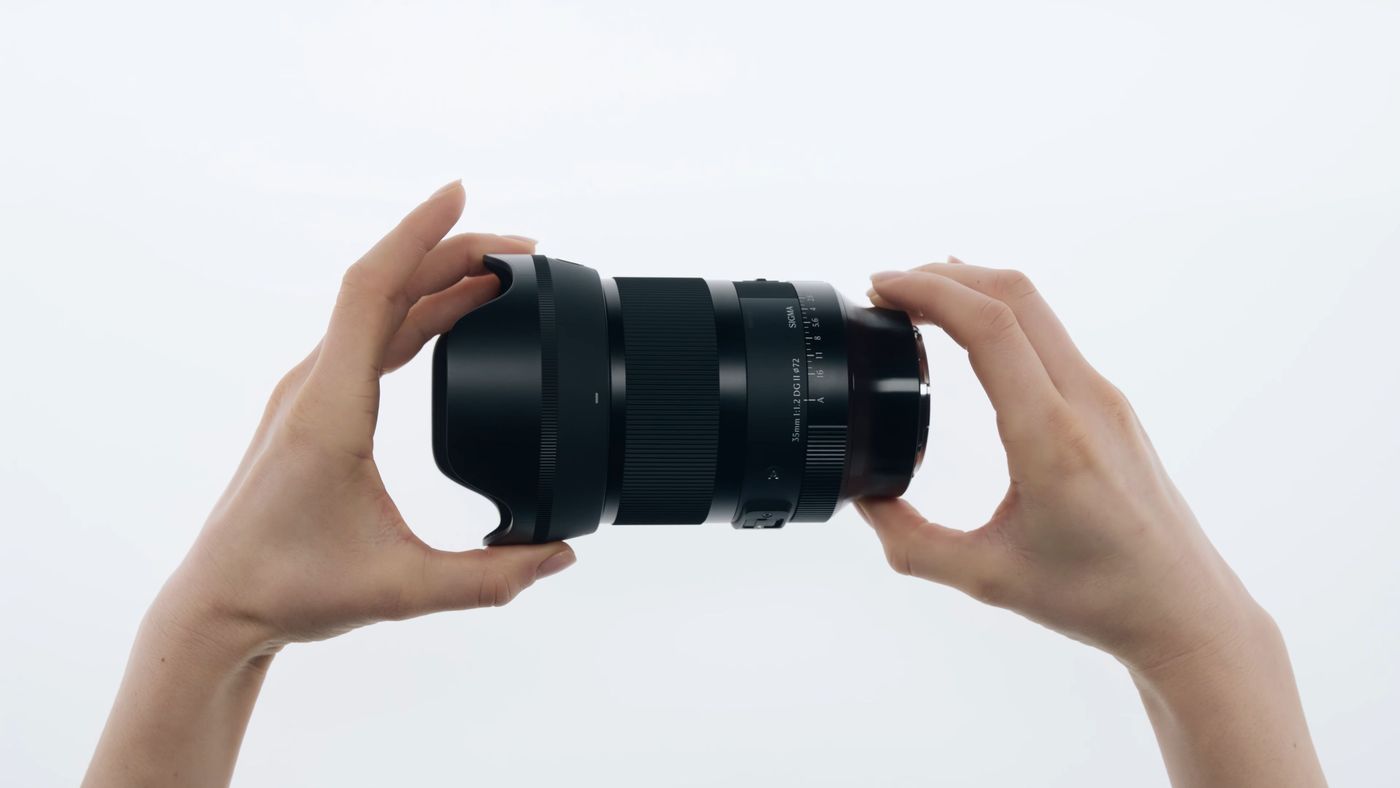
This represents a roughly 25% reduction in both weight and length compared to the original model. It also makes the Viltrox look like a heavyweight by comparison.
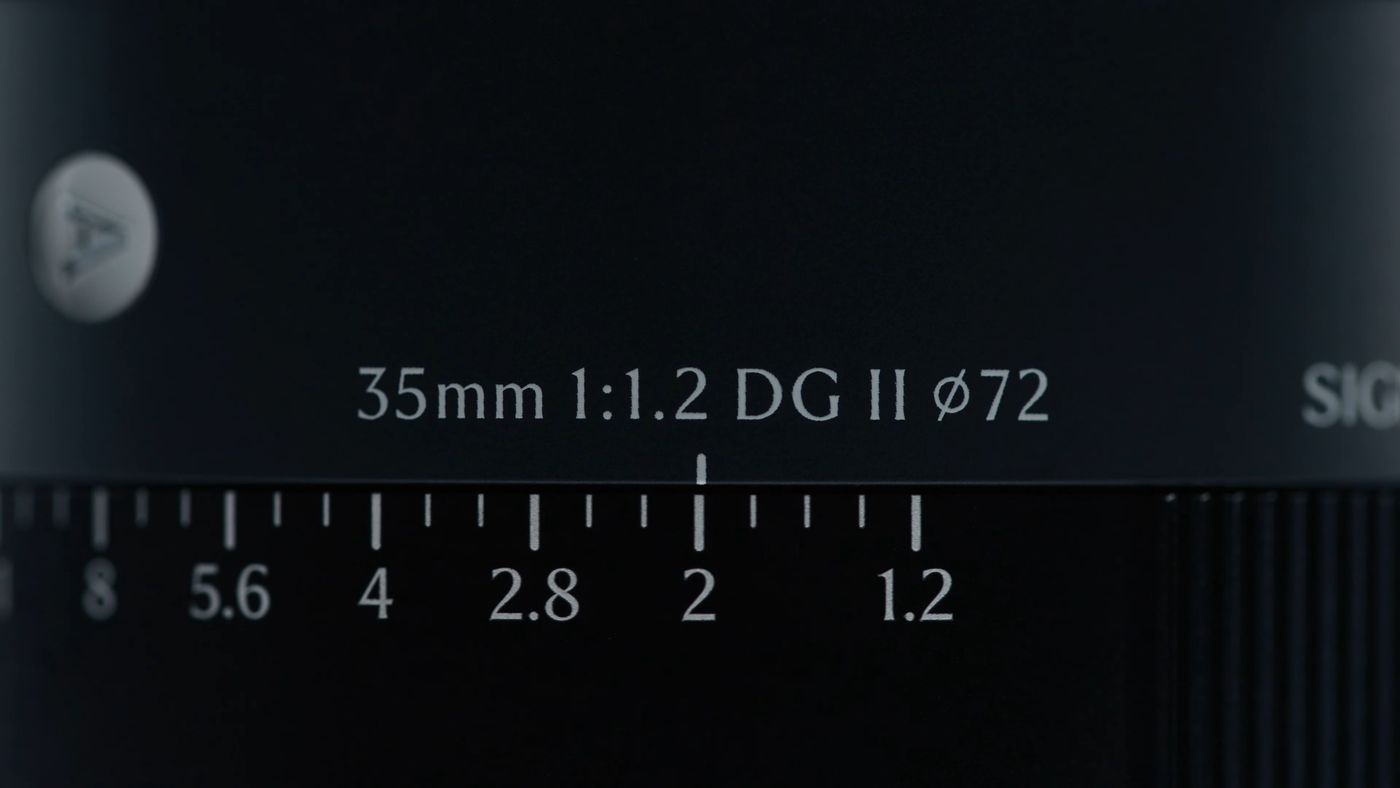
We also find the usual controls of an Art-series lens, with — in addition to the focus ring — an AF/MF switch and an aperture ring that can be de-clicked if needed. Finally, the lens is built to resist dust and splashes.


Sample images shot with the Sigma 35mm f/1.2 DG II Art, provided by the brand:





Price and availability of the Sigma 35mm f/1.2 DG II Art
The Sigma 35mm f/1.2 DG II Art is available for pre-order at a price of $1,549. Deliveries are expected to begin from September 23. It is available in Sony E and Leica L mounts.
You can find this lens at B&H and Amazon.
Our first impressions on the Sigma 35mm f/1.2 DG II Art
We can’t say we’re entirely surprised by the announcement of this Sigma 35mm f/1.2 V2. Indeed, teased for many months, it was highly anticipated. It took 6 years between the two models — and Sigma once again beats Sony to the punch, as the latter has still not introduced a 35mm lens this fast.
This new iteration proves superior in every way and even has the luxury of being more compact than the Viltrox model. Enough to give enthusiasts a go-to reference without too much hesitation — provided it lives up to expectations in terms of optical performance, but we’re not too worried about that.
Photojournalists, street photography enthusiasts, portrait shooters and those who love shooting in (very) low light will likely find their ultimate focal length here.