

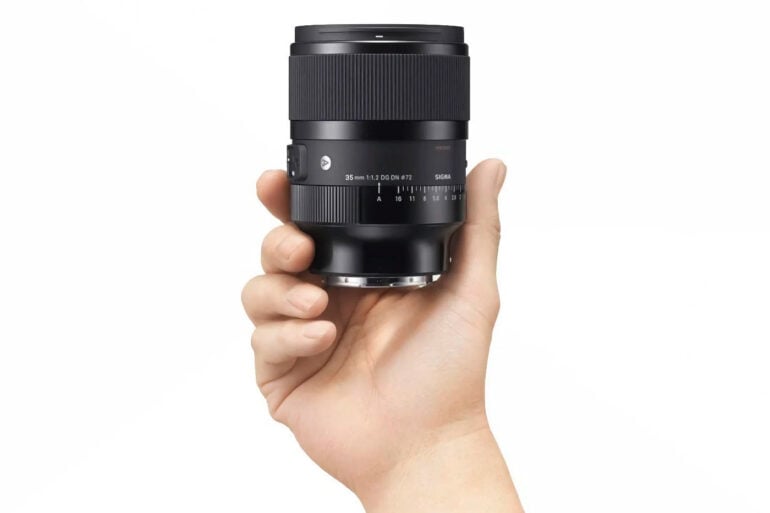

CP+ 2025. During a conference, Mr. Kazuto Yamaki announced the development of the Sigma 35mm f/1.2 DG II Art lens, which is scheduled for release this year. The CEO of Sigma also gave some hints about the (future) new-generation Foveon sensor.

Sigma 35mm f/1.2 DG II Art: scheduled for release in 2025
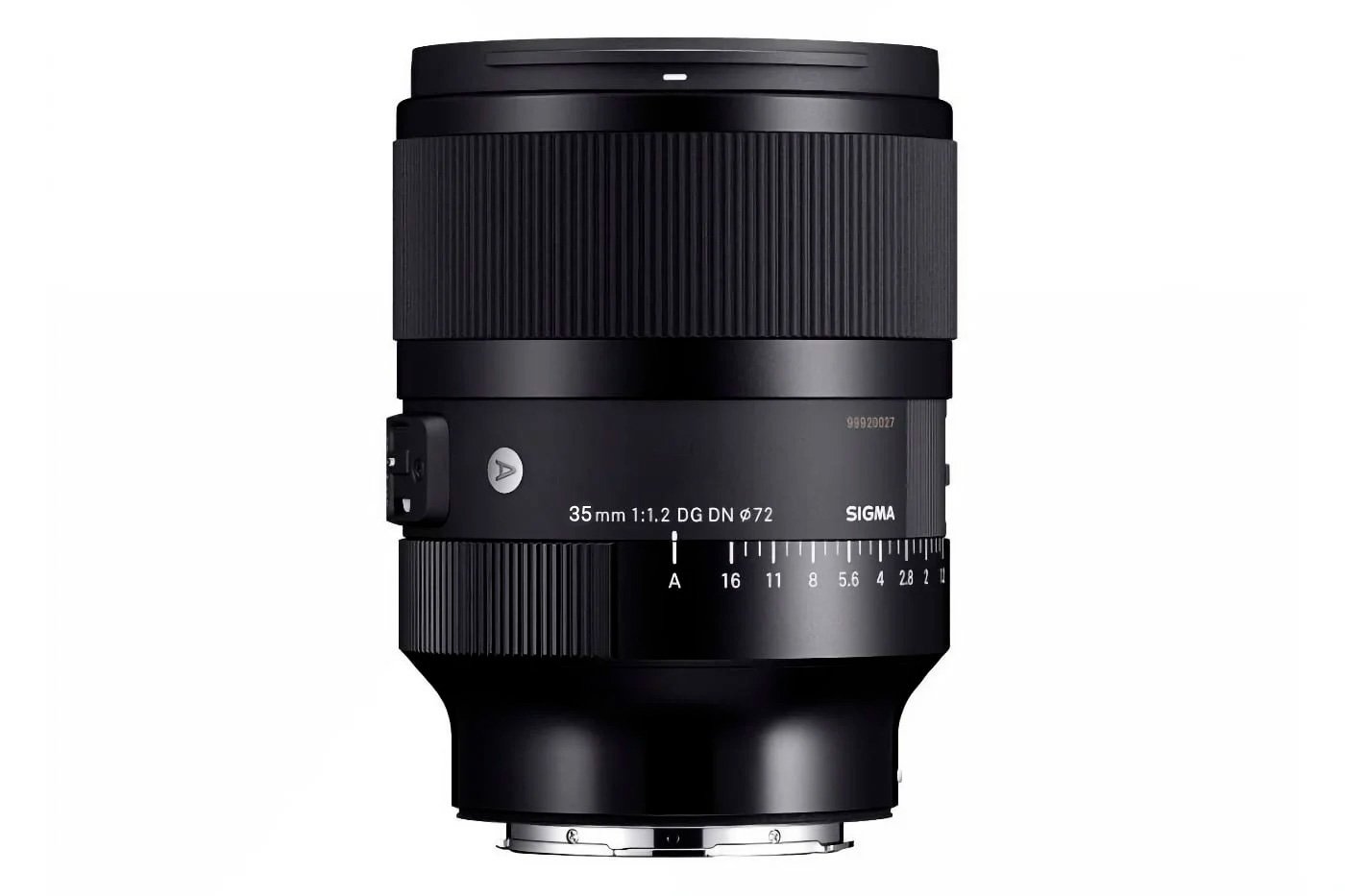
Sigma was in (very) good shape at CP+ 2025. In addition to the versatile 16-300 mm zoom lens, the 300-600 mm super-telephoto zoom lens, and the unexpected Sigma BF hybrid, the brand (pre)unveiled its future Sigma 35 mm f/1.2 DG II Art fixed focal length lens. The latter will replace the Sigma 35mm f/1.2 DG DN Art, launched in 2019—then the first f/1.2 lens with Sony E and Leica L mounts.
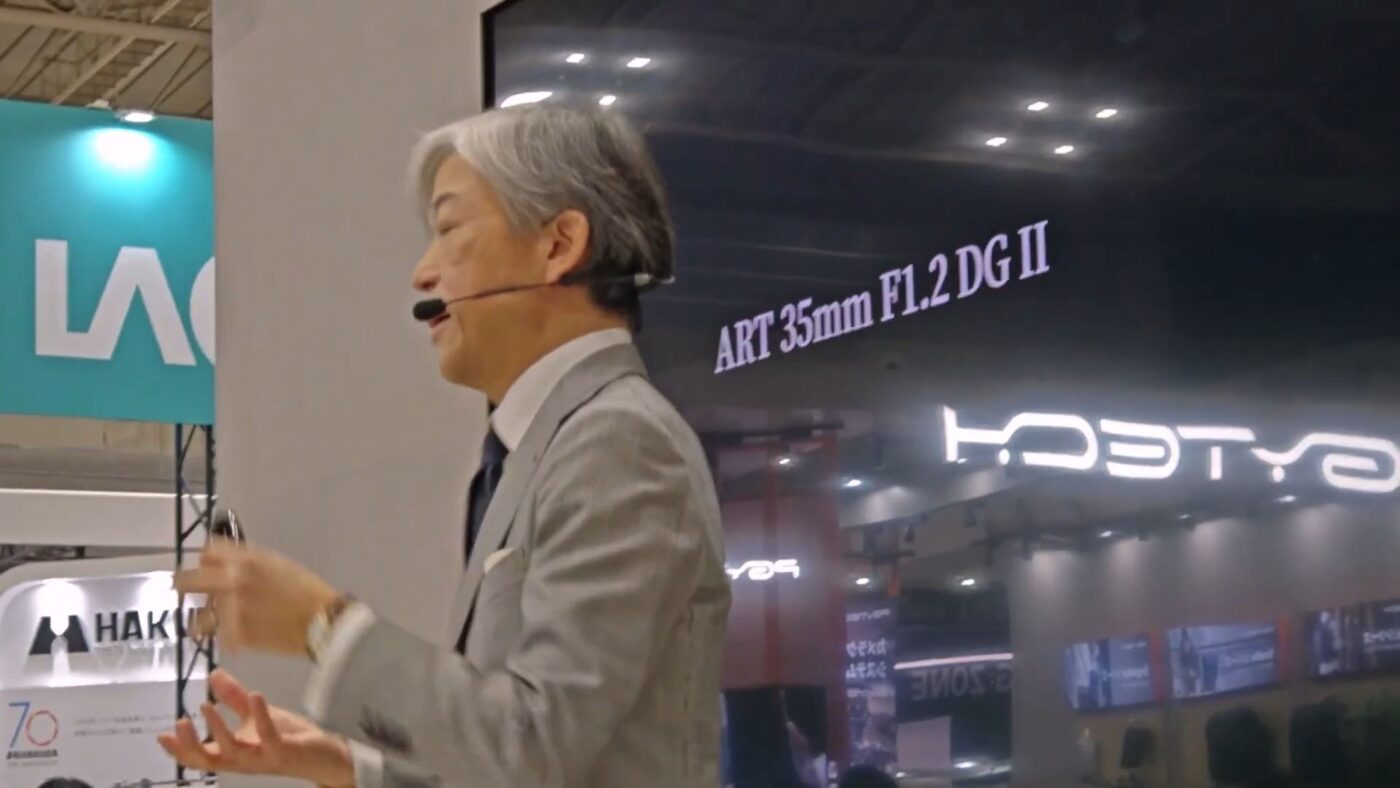
According to information provided by Kazuto Yamaki, this new 35 mm lens will be based on the Sigma 50 mm f/1.2 DG DN Art, launched in the first half of 2024. We can therefore expect a very bright lens with very high optical performance—but with a compact size (approximately 10 cm long and weighing between 700 and 800 g).
Here is the list of features for the Sigma 35mm f/1.2 DG II Art (items marked with an asterisk have not been confirmed by the brand):
- focal length: 35 mm (equivalent to 52.5 mm in APS-C)
- full-frame sensor lens
- maximum aperture: f/1.2
- minimum aperture: f/16*
- field of view: 63.4°
- optical construction: N.C.
- diaphragm: circular, 13 blades*
- minimum focusing distance: N/A
- image stabilization: no
- tropicalization: resistant to water and dust splashes*
- Maximum magnification: N/A
- focus: HLA* motorization
- Filter diameter: 72 mm*
- dimensions: ø 81 mm x 110 mm*
- weight: 780 g*
- supplied accessories: corolla sun visor, front and rear caps*
- Compatible mount: Sony E, L mount
The lens is currently under development; however, Mr. Kazuto Yamaki expects it to be released by the end of 2025.

News about the Foveon sensor
Last but not least, Sigma’s CEO provides some insight into the development of the 3-layer Foveon sensor, which was first introduced in 2018. According to Kazuto Yamaki, the project encountered several obstacles, including design flaws, requiring a complete restart in 2021.
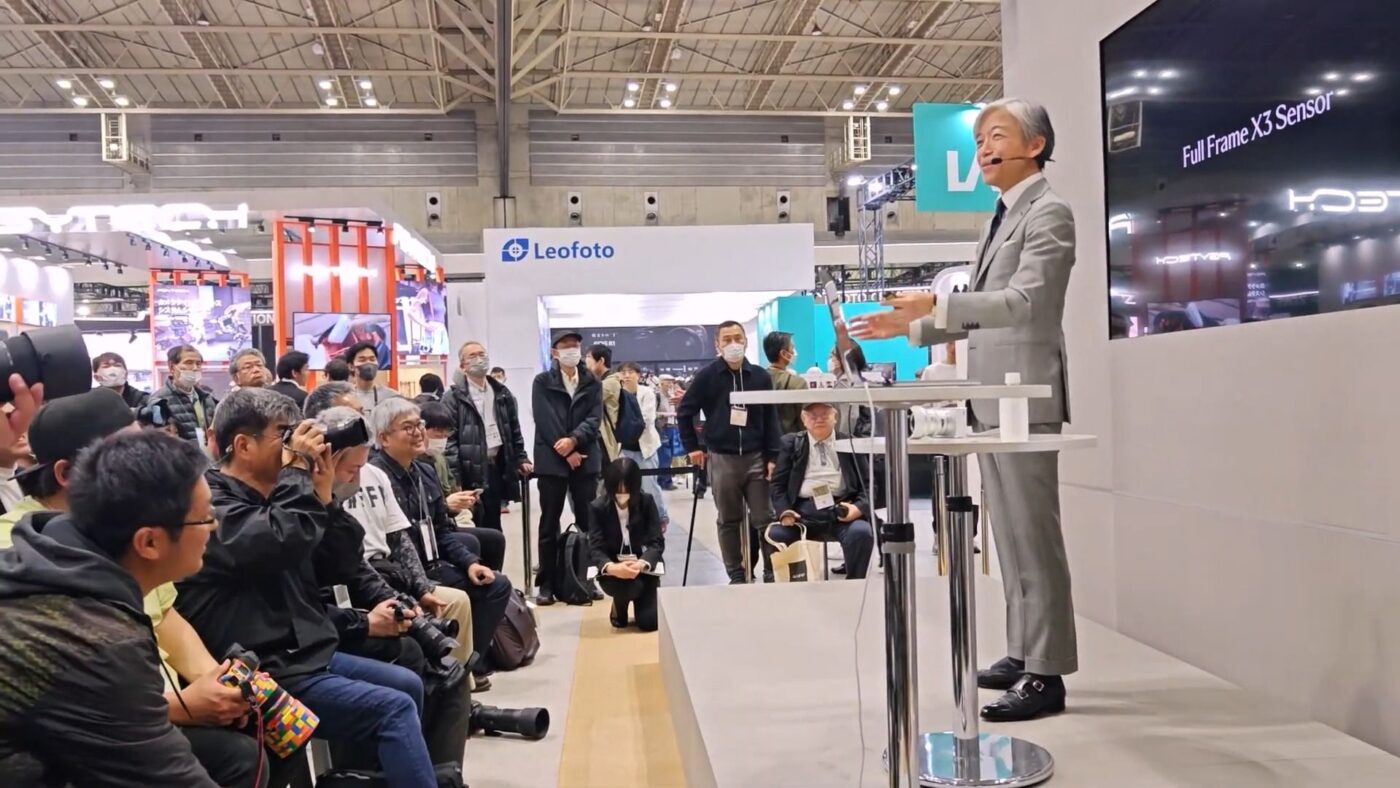
Currently, the project is still in the basic structure development phase, in collaboration with a laboratory at Shizuoka University. Several prototypes have been created, each allowing errors to be identified and corrected. Once this phase is complete, the design of the final product can begin.
Unsurprisingly, no release date has been mentioned for a camera equipped with this (future) sensor.